JAXA launches next-generation cargo ship to ISS, marking the first flight of the vehicle's upgraded design
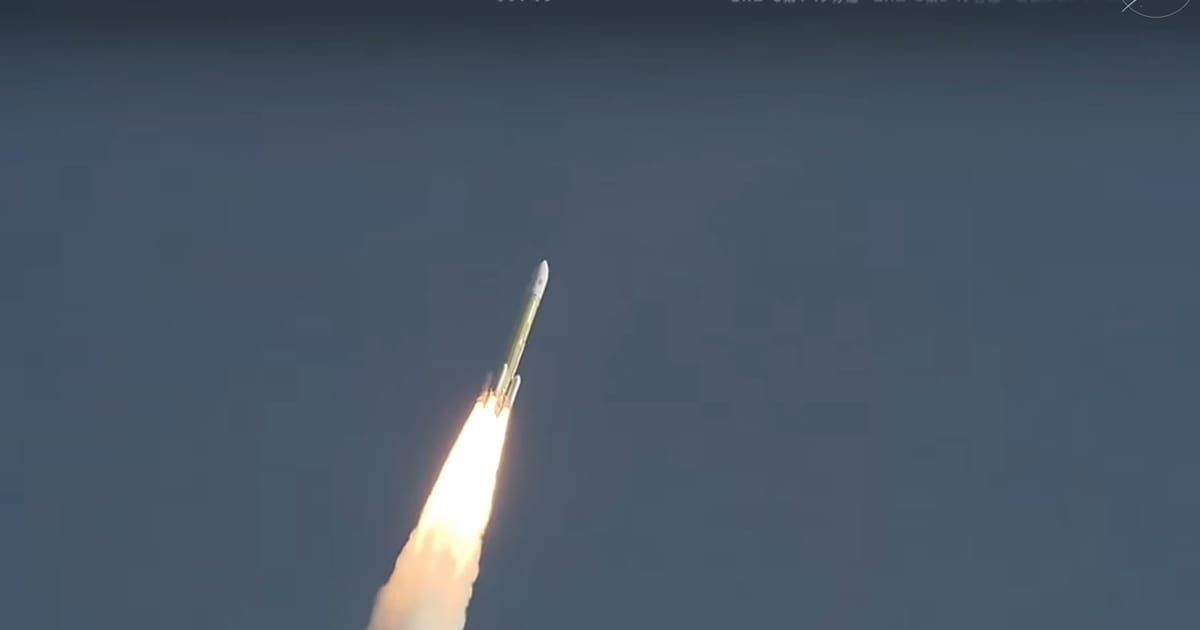
Japan's space agency, JAXA, successfully launched its advanced new cargo spacecraft, HTV-X1, toward the International Space Station (ISS) on Friday evening, marking the first flight of the vehicle's upgraded design, according to the Japan Aerospace Exploration Agency.
Live Coverage: Launch of New unmanned cargo transfer spacecraft1(HTV-X1) aboard the 7th H3 Launch Vehicle (H3 F7)
— JAXA(Japan Aerospace Exploration Agency) (@JAXA_en) October 24, 2025
Broadcast Start: October 26, 2025, around 08:05 JST
* The live broadcast schedule may be subject to change.https://t.co/ZPyRFxHyV0
The uncrewed freighter lifted off at 8:00 p.m. ET on Saturday, October 25 (Sunday, 9:15 a.m. JST) aboard the new H3 Launch Vehicle No. 7 from the Tanegashima Space Center. Following a smooth separation from the rocket, the spacecraft confirmed stable communications and attitude control, placing it on a nominal trajectory for rendezvous with the orbiting laboratory.
[Press Release]
— JAXA(Japan Aerospace Exploration Agency) (@JAXA_en) October 26, 2025
Status of the HTV-X1 after Separation from the H3 Launch Vehicle#JAXAhttps://t.co/j4IabyVnwO
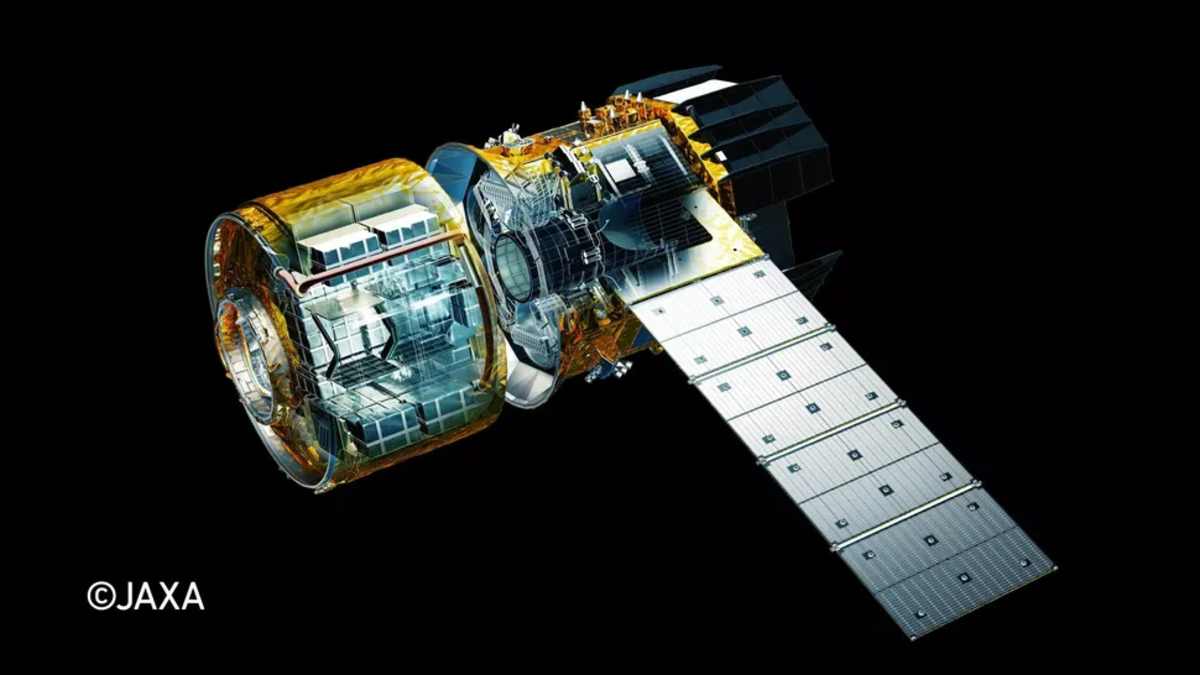
The HTV-X1 is the direct successor to JAXA’s long-serving H-II Transfer Vehicle (HTV), which flew nine successful missions, nicknamed "Kounotori" (White Stork), to the ISS between 2009 and 2020, per Space.com. Though the new vehicle is shorter than its predecessor, measuring 26.2 feet (8 meters) in length, it maintains the capacity to haul roughly 13,200 pounds (6,000 kilograms) of payload to low Earth orbit.
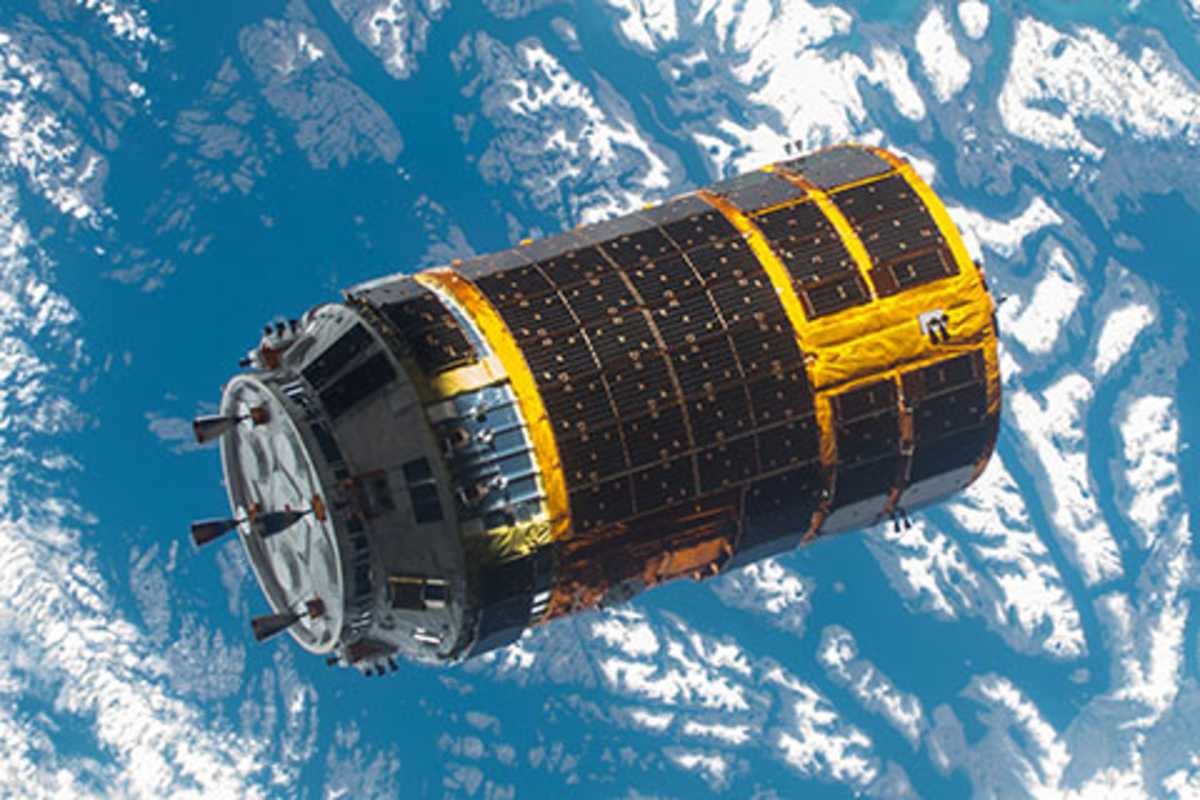
Beyond its core resupply role, the new vehicle offers key operational advantages. Manufacturer Mitsubishi Heavy Industries notes that the HTV-X1 can function as an on-orbit demonstration platform for up to 18 months after it departs from the ISS before it ultimately deorbits and burns up in the atmosphere. JAXA also envisions a future for the vehicle that extends past the ISS, including support for post-ISS human space activities and the potential to ferry cargo to the lunar-orbiting Gateway station, a critical component of NASA's Artemis program.

The debut of HTV-X1 increases the International Space Station’s fleet of operational resupply vessels by one-third. It joins the currently active cargo ships: Russia's Progress, Northrop Grumman's Cygnus, and SpaceX's Dragon. Like all but the reusable Dragon, the HTV-X1 is designed to be expended, destroying itself on reentry once its mission is complete.
Following the successful orbital injection, leaders from Japan's space program underscored the mission's importance. JAXA President Hiroshi Yamakawa framed the launch of the next-generation vessel as a crucial step for the nation's international role, as reported on The Japan Times. "The HTV-X represents the important role and responsibility Japan should fulfill for the ISS. It's very significant that our path forward has now become clearer today," Yamakawa stated at a post-launch news conference.
Iwao Igarashi, Vice President and Senior General Manager of the space systems division at Mitsubishi Heavy Industries (MHI), the vehicle's builder, expressed his satisfaction, acknowledging the broad effort involved. "I am elated that we have succeeded in this important mission in launching the HTV-X1 to the ISS," he said, offering thanks to everyone involved, including the local community near the launch site.
According to JAXA, the spacecraft is scheduled to arrive at the ISS on Wednesday, October 29. Its capture by the station’s robotic arm, Canadarm2, is anticipated around 11:50 a.m. ET on Wednesday, October 29 (Thursday, 0:50 a.m., October 30 JST), with final berthing to the station planned for later that night. JAXA extended its appreciation to all involved parties for their cooperation in securing the successful launch.
More on Starlust
Japan's ispace misses the mark again as its lunar lander crashes into Moon — mission ends in failure