ESA’s Jupiter-bound JUICE spacecraft to use the Moon for a 'test run' before approaching gas giant
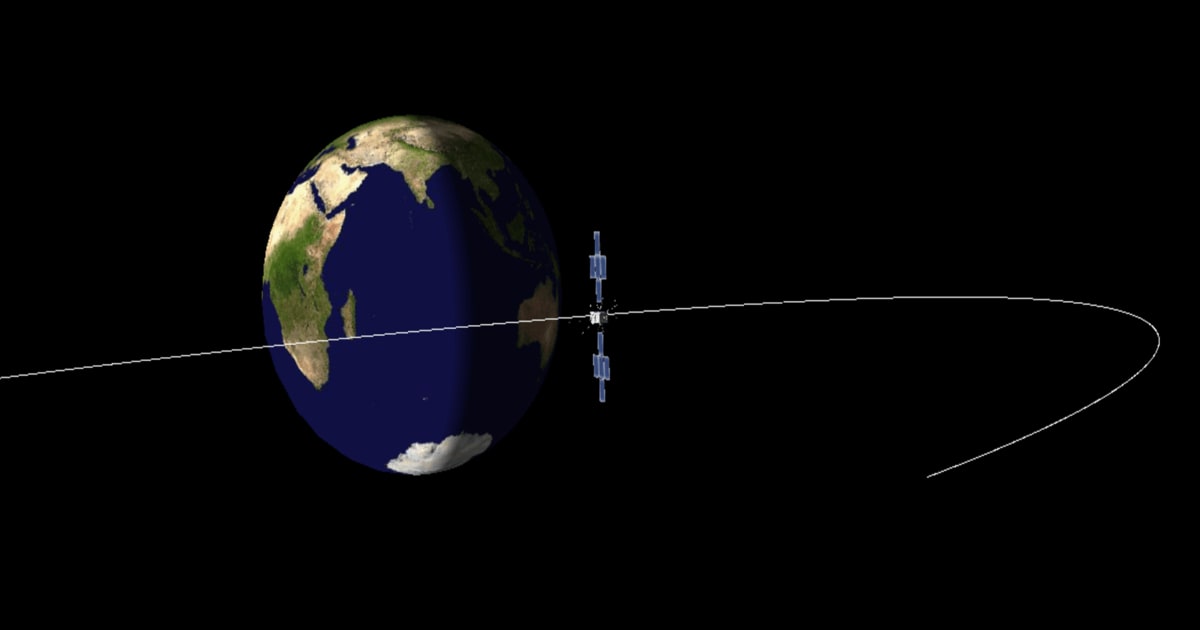
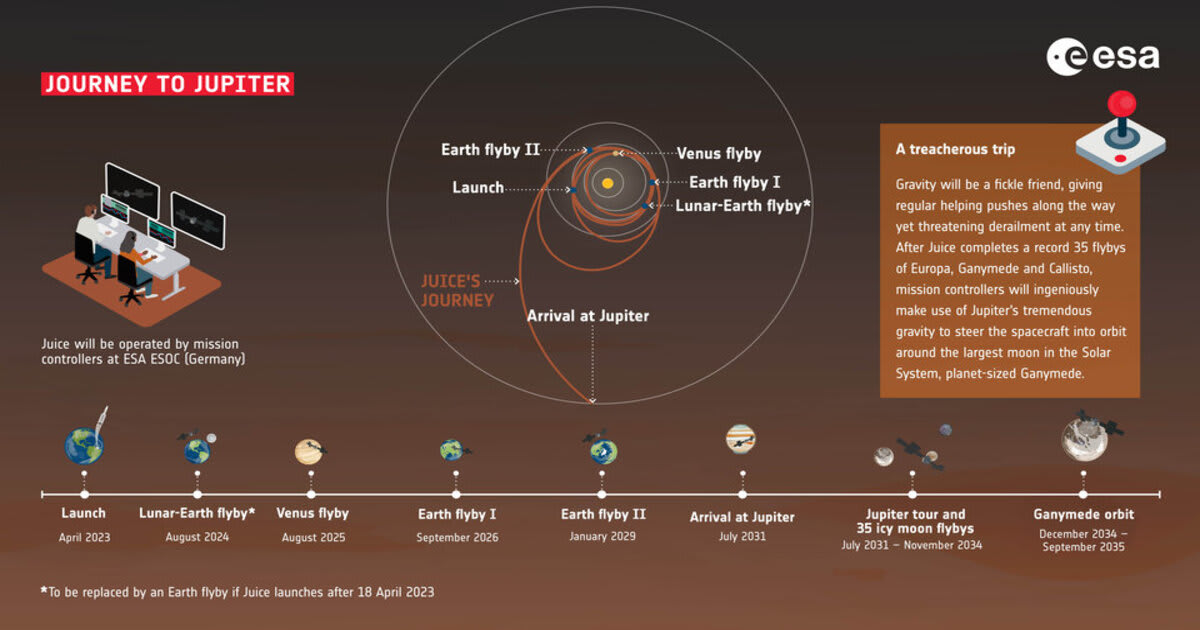
The European Space Agency (ESA) mission named JUICE (Jupiter Icy Moons Explorer) is on a long journey to study Jupiter and its moons, having launched in 2023. While on its way to Jupiter, the spacecraft is taking assistance from the gravity of Earth, the Moon and Venus to fly to its target. Now, on September 28, 2026, during an Earth flyby once again, JUICE will use the Moon as a "test run" so that, in the future, when it reaches Jupiter's moons, it can help the spacecraft find its way around them.
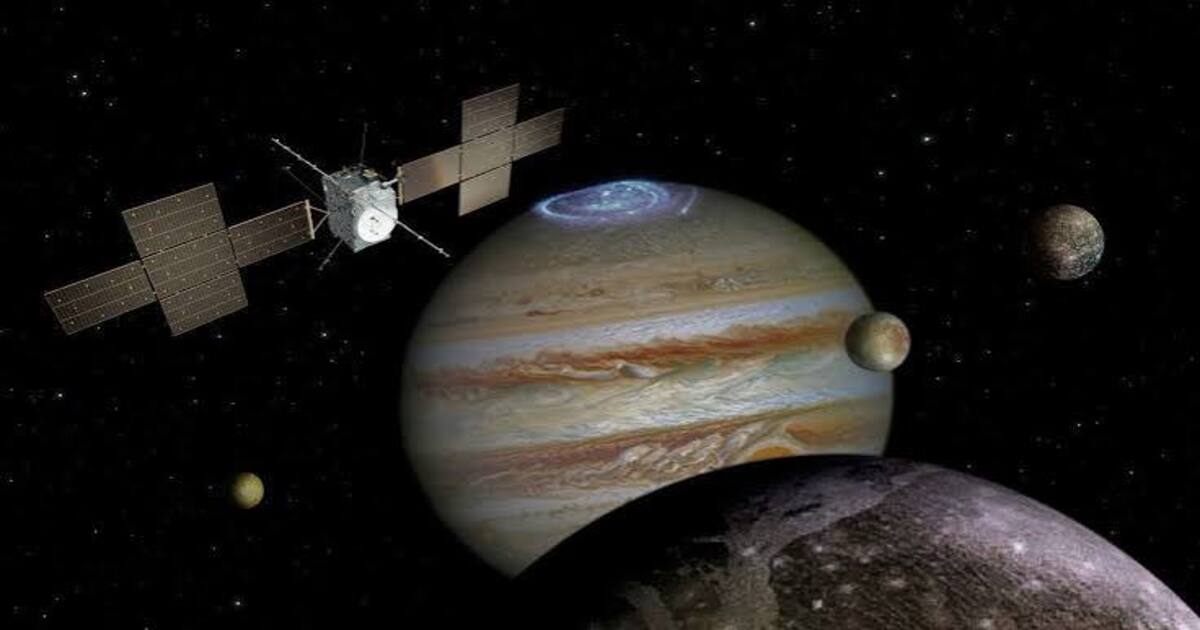
A rehearsal on the way to Jupiter
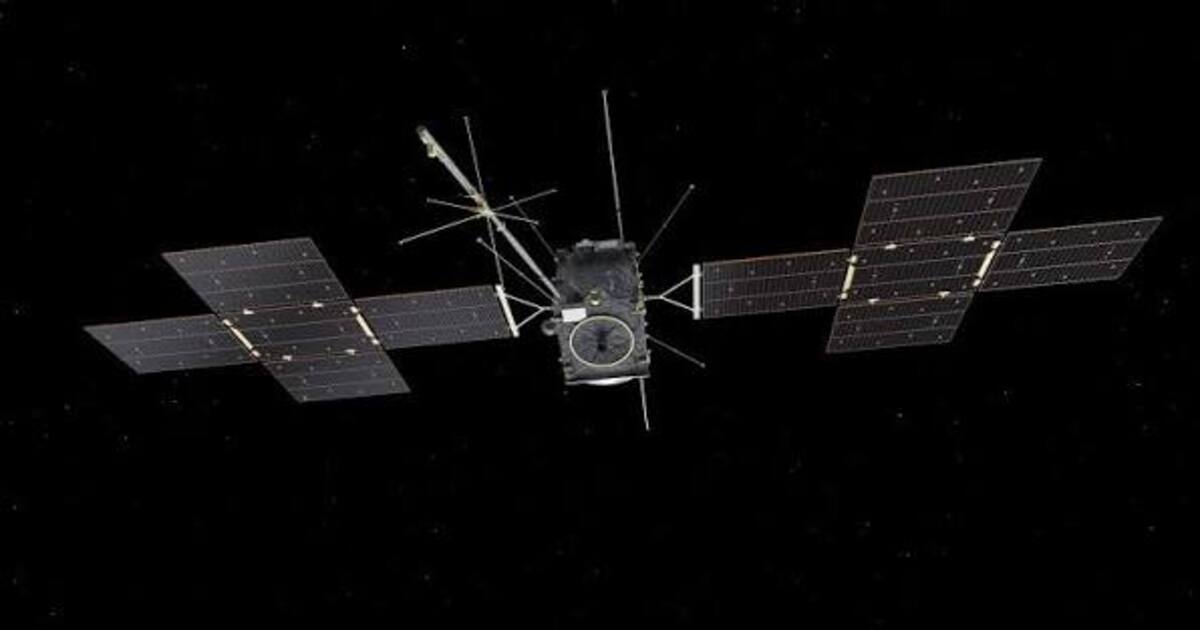
JUICE has one onboard camera called the Navigation Camera (NavCam), which helps the spacecraft adjust its position and will help it steer around the moons of Jupiter. ESA first tested this camera in space in 2024 during the lunar-Earth flyby.
This month, NavCam will carry out another important test—it will take images of the Moon's horizon, which will be used to check the accuracy of a new optical navigation technique. In simple terms, the spacecraft will observe the Moon as a known reference point, and scientists will check how accurately JUICE can adjust its position using this method. This capability will be important when JUICE performs multiple flybys after it reaches the Jupiter system, including around Europa, Ganymede and Callisto.
A carefully engineered flyby
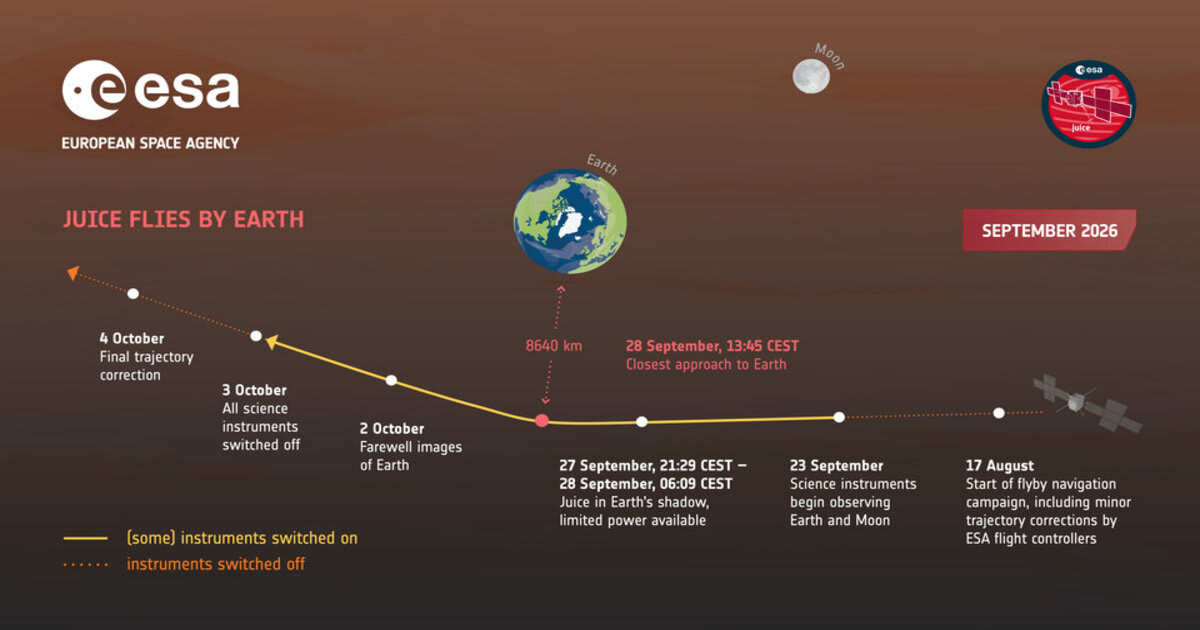
JUICE, however, can only observe the Moon if it shows up at the exact right place near Earth, at the exact right time, and moving at the right speed. To make sure it doesn't miss this tight window, ESA's flight controllers started a navigation campaign in August to actively steer the spacecraft along this course. With the flyby approaching, the team kept six time slots to make small corrections to JUICE's trajectory, so it can reach Earth with the appropriate angle and velocity for an optimum gravity assist.
One of these corrections was already carried out four weeks before the flyby. "Until now, only one maneuver at minus four weeks was needed," said Angela Dietz, JUICE Spacecraft Operations Manager. "It was of relatively small size, but extremely effective. It put JUICE in the right spot for the flyby. Our Flight Dynamics Team did an amazing job to prepare it!" she added.
On September 28, JUICE will pass at a relatively close distance of around 8,640 km from Earth. With the help of this flyby, the trajectory of the spacecraft will change by 20 degrees, and its velocity will increase by around 3.5 km/s. This change will set JUICE up for its next flyby in January 2029, which will put the spacecraft on the right path towards Jupiter.
Bonus science along the way
These flybys are not only a step towards reaching Jupiter. From September 23 to October 3, 10 science instruments on JUICE will observe Earth and the Moon. This will give the teams an opportunity to collect data from real targets, which they can use to calibrate the instruments for future observations and prepare their data-analysis tools. “This is great news for science, because it means we will be able to turn JUICE in all different directions to point its science instruments at different parts of Earth and the Moon," said Claire Vallat, JUICE Project Scientist.
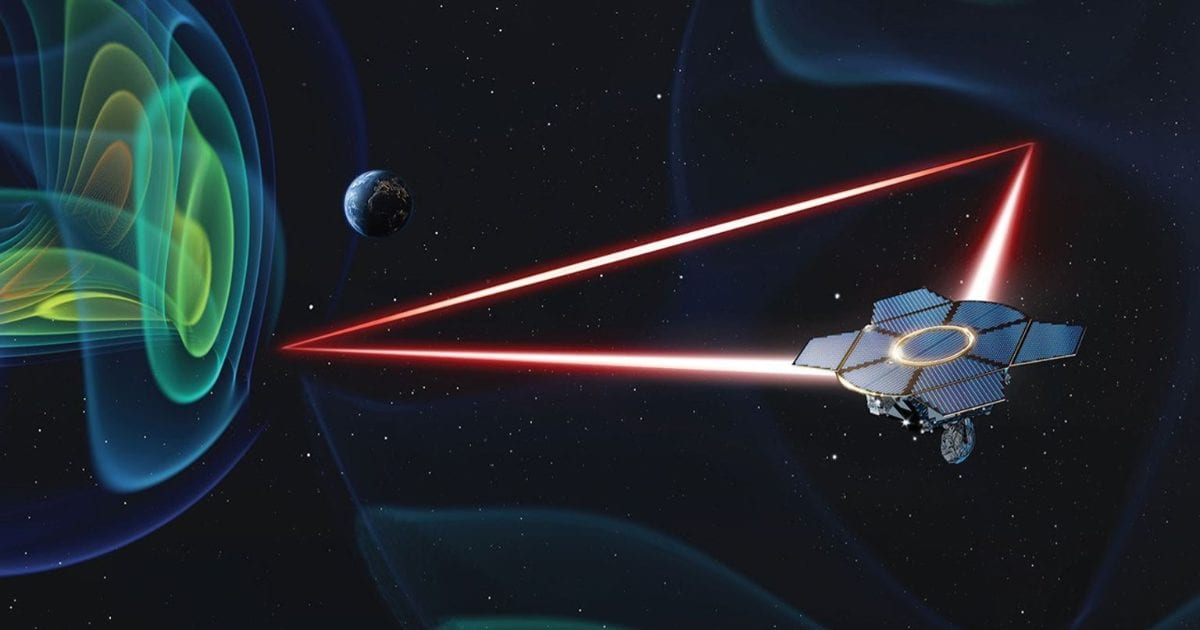
During the flyby, JUICE will also spend some days in Earth's magnetotail. This is the part of Earth's magnetic field that stretches away from the Sun and is formed by the interaction of charged particles coming from the Sun. JUICE will take magnetic field measurements in this region, which can later be combined with data from future joint missions like the European-Chinese SMILE mission.
More on Starlust
NASA's Hubble captures new view of 3I/ATLAS as ESA’s Juice spots heightened comet activity
NASA's Juno mission shows Jupiter may be smaller and flatter than previously thought