Draconid meteor shower 2025: Easy watching tips from NASA
The meteor shower's radiant point is located in the northern sky near the constellation Draco the Dragon.
PUBLISHED OCT 6, 2025
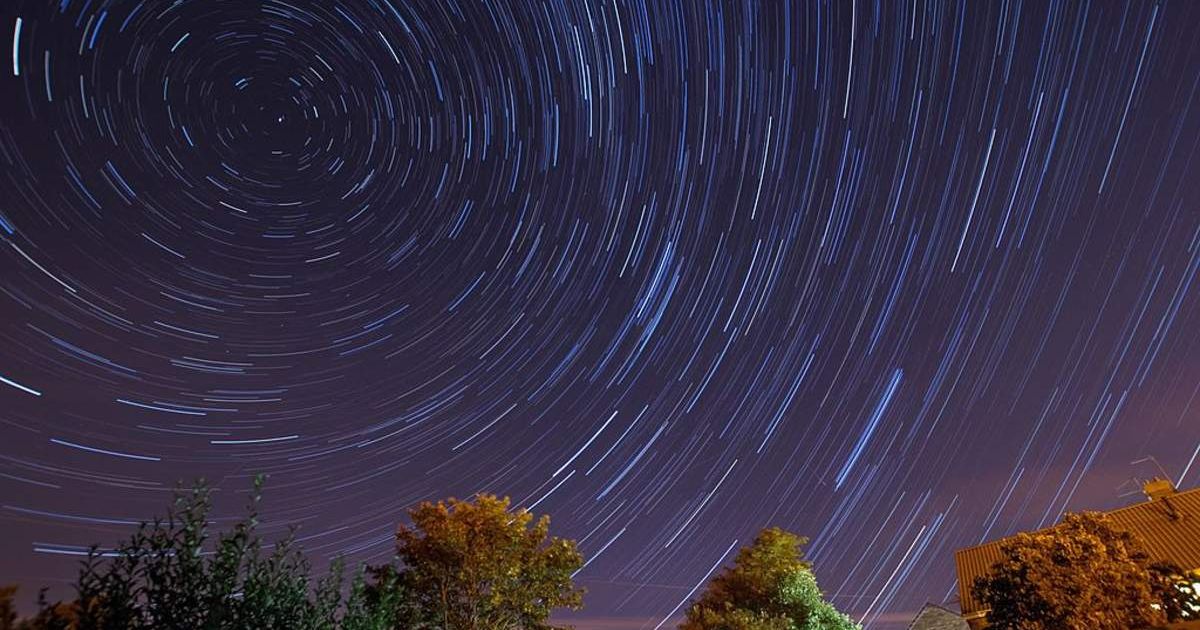
Star trails over a light polluted Sutton Courtenay (a small village in Oxfordshire) (Representative Cover Image Source: Getty | William McCourt)

The celestial calendar marks the beginning of October's meteor season with the brief appearance of the Draconid meteor shower, active from October 6 to 10. This annual event, the first of two anticipated this month, stems from Earth's passage through the dusty debris left by Comet 21P Giacobini-Zinner, as per NASA

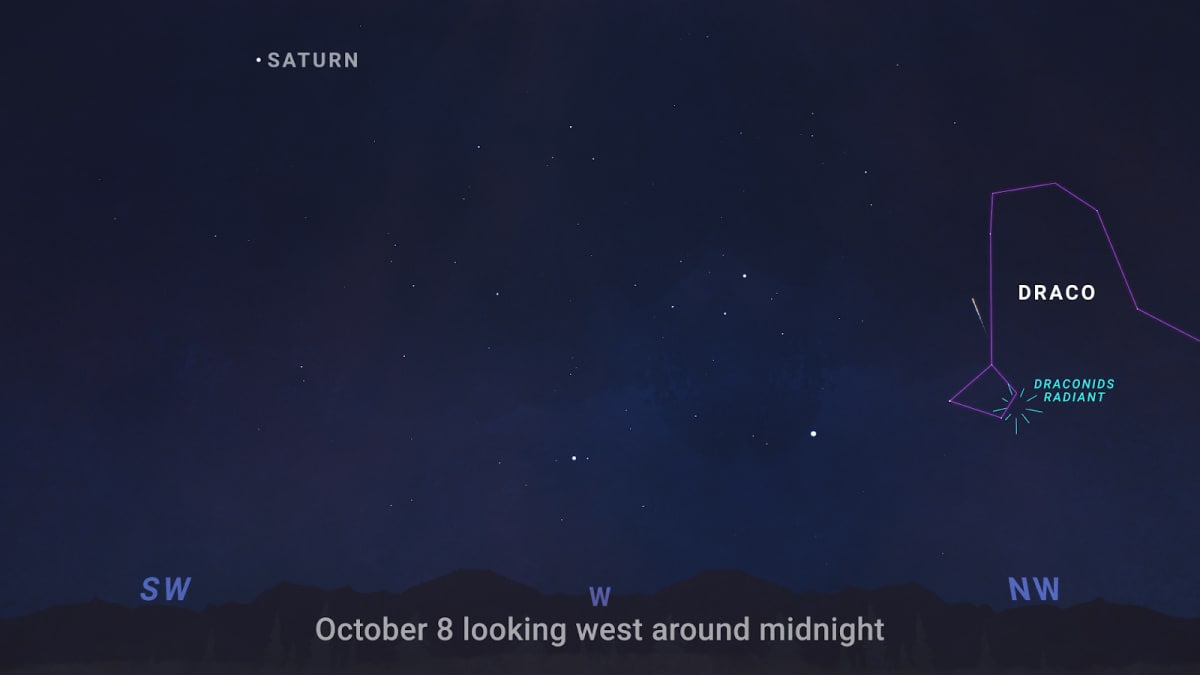
Sky chart showing the Draconid meteor shower, including the radiant point of the shower and the Draco constellation where the meteors in the shower are often seen and stem from (Image Source: NASA/JPL-Caltech)

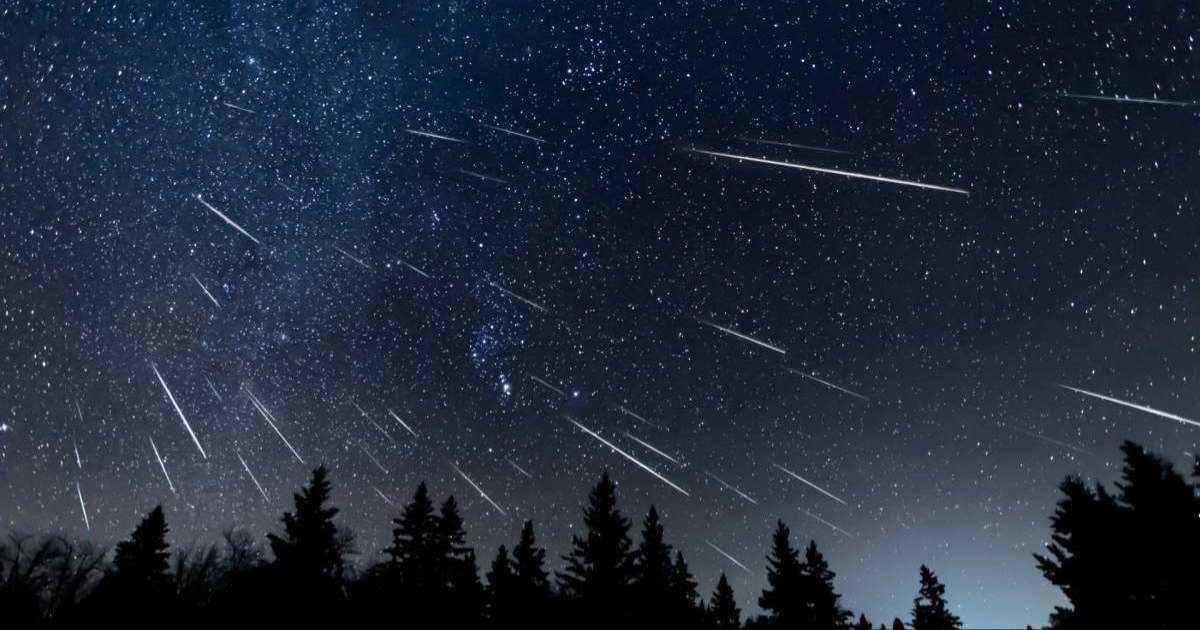
These shooting stars, which are comet fragments vaporizing in the atmosphere, emanate from the vicinity of the constellation Draco the Dragon in the northern sky. Viewers who manage to find a truly dark location between the 6 and 10 may observe a modest display of up to 10 meteors per hour. However, astronomers caution that the simultaneous presence of a supermoon on October 6 will significantly brighten the sky, potentially washing out all but the most brilliant streaks. Enthusiasts are advised to prioritize finding clear, dark conditions to maximize their chances of spotting the Draconids. 
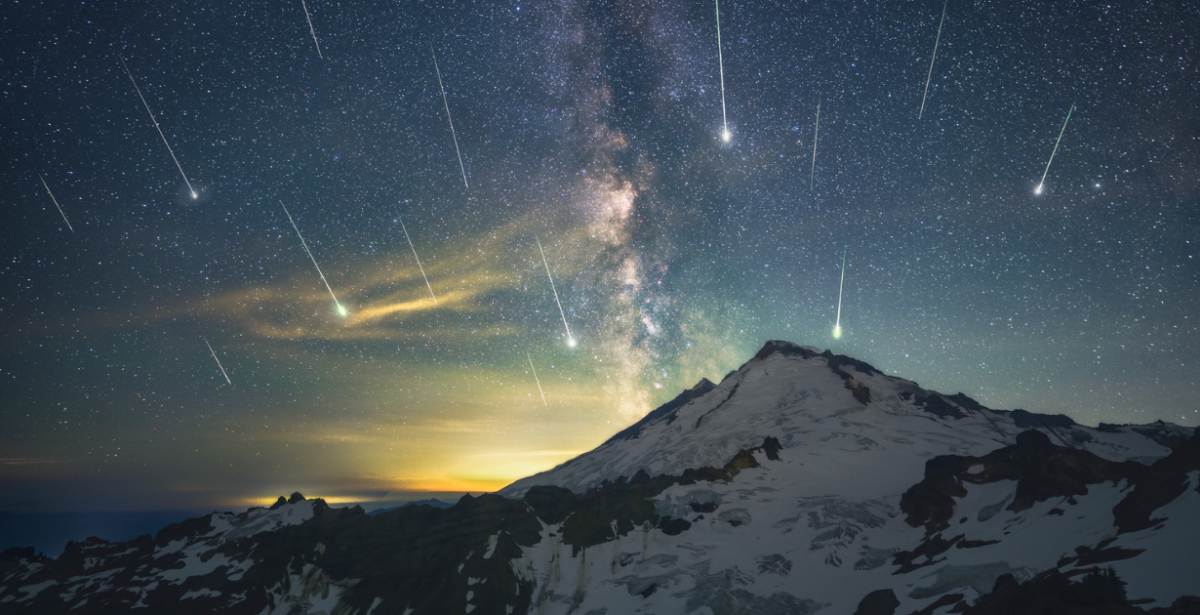
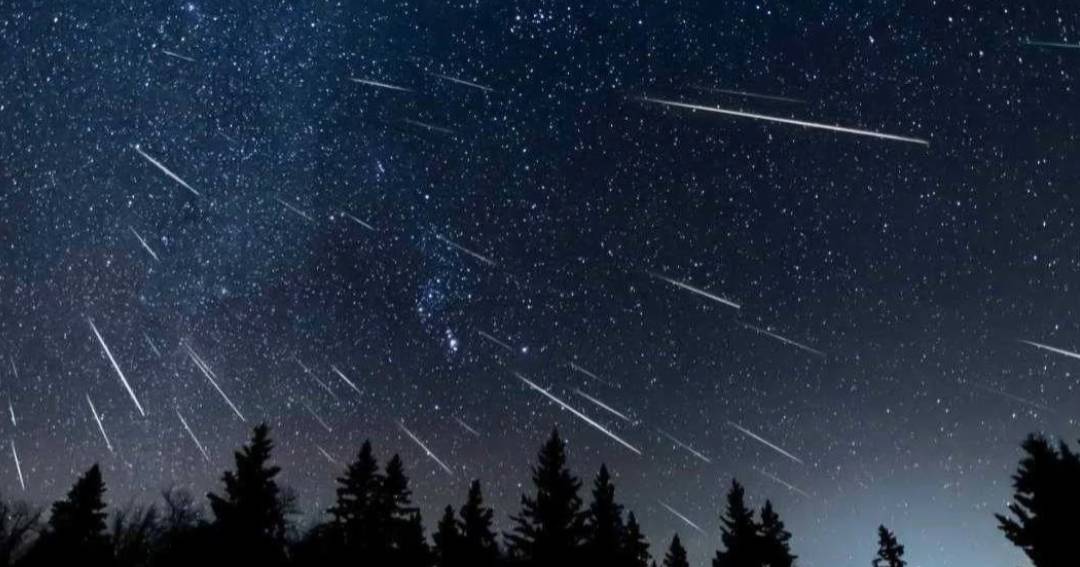
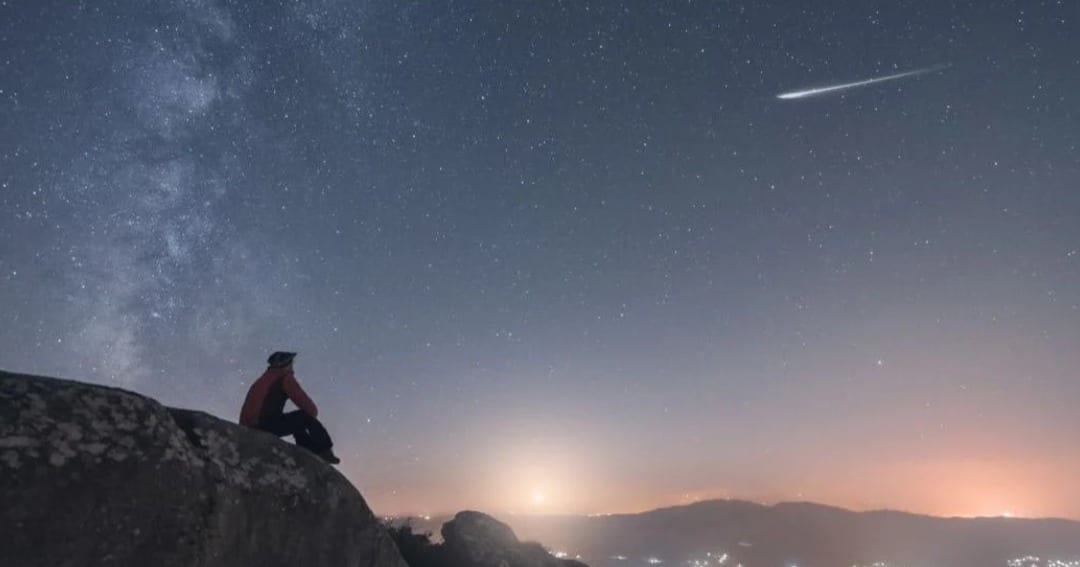
The Perseid Meteor Shower falling across the sky above Mt.Baker (Representative Image Source: Getty Images | Liang Li)

The source of the Draconid shower, the short-period Comet 21P/Giacobini-Zinner, is a relatively small body that orbits the sun every 6.6 years, traveling from as close as Earth's orbit out to just beyond Jupiter. Unlike other showers with uniformly spread debris, the Draconids' dust is concentrated near the comet itself. According to Earth Sky, this clustering is what can lead to a massive surge in activity, sometimes called a meteor storm. 
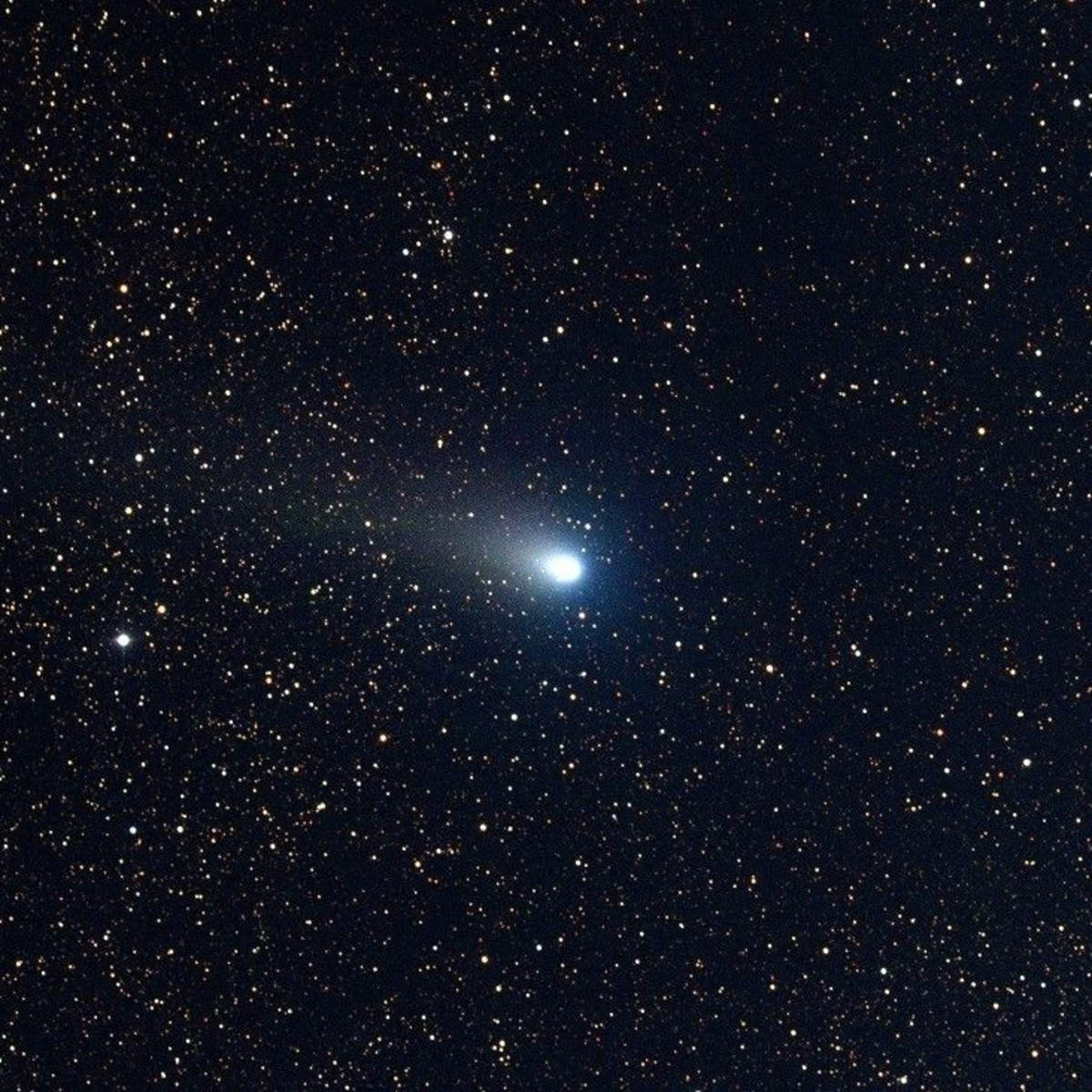
Comet Giacobini-Zinner was captured by the Kitt Peak 0.9-m telescope on 31 October 1998. North is up with east to the left (Image Source: N.A.Sharp/NOAO/AURA/NSF)

Records show the shower has generated spectacular storms, including events in 1933 and 1946 that produced several thousand visible meteors an hour. While subsequent returns in 1985, 1998, and 2018 delivered only increased, rather than storm-level numbers, European observers recorded an outburst of over 600 meteors per hour as recently as 2011. The comet completed its most recent trip around the sun, its perihelion passage, on March 29, 2025. This close approach to the sun means the dense debris trails are currently near Earth's orbital path, sparking speculation among experts about a possible increase in meteor counts this year. While a full-blown meteor storm is considered unlikely, the proximity of the parent comet means observers should be prepared for a potentially surprising display.
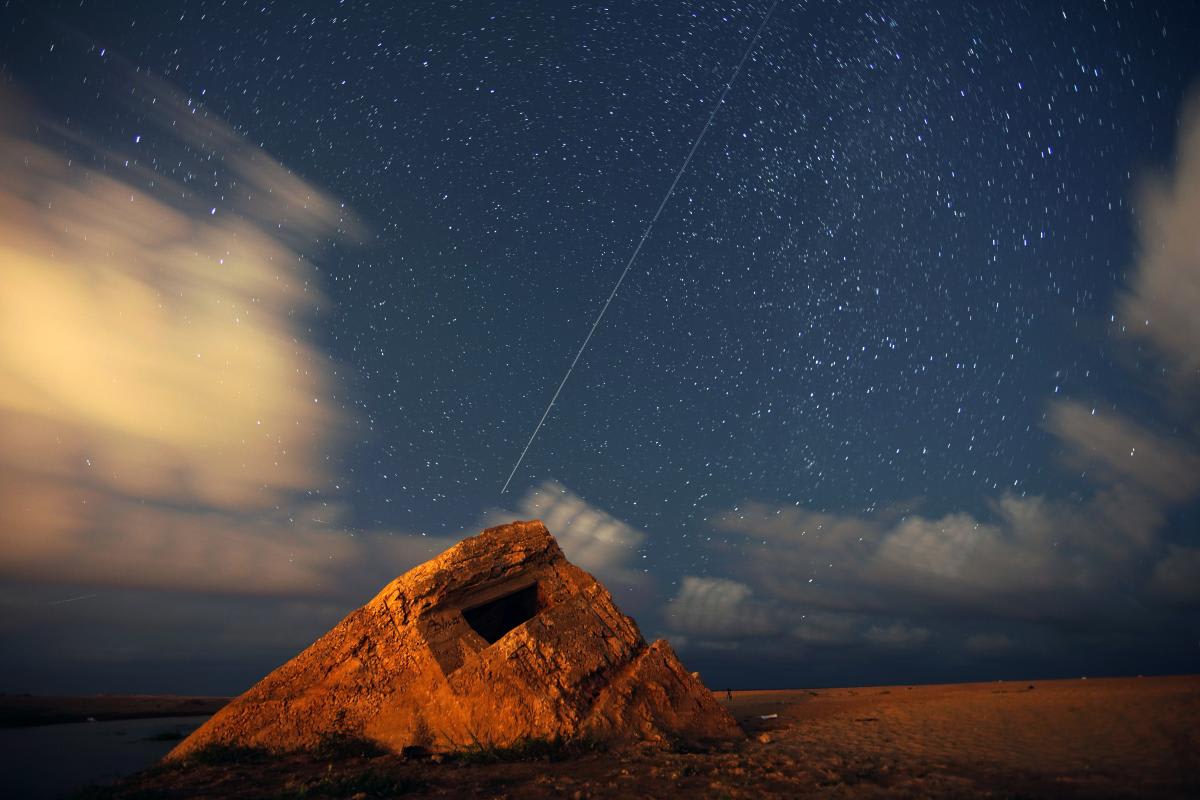
The Perseid meteor shower is observed on August 12, 2024 in Istanbul, Turkey. (Representative Cover Image Source: Getty Images | Photo by dia images)
The Perseid meteor shower is observed on August 12, 2024 in Istanbul, Turkey. (Representative Image Source: Getty Images | Photo by dia images)

The Draconids are ideally suited for the Northern Hemisphere due to their radiant point's location high in the northern sky. The meteors appear to stream from the head of the constellation Draco, the Dragon, near the bright stars Eltanin and Rastaban. Uniquely, the Draconids are best viewed in the early evening hours, as the radiant point is highest as night falls.
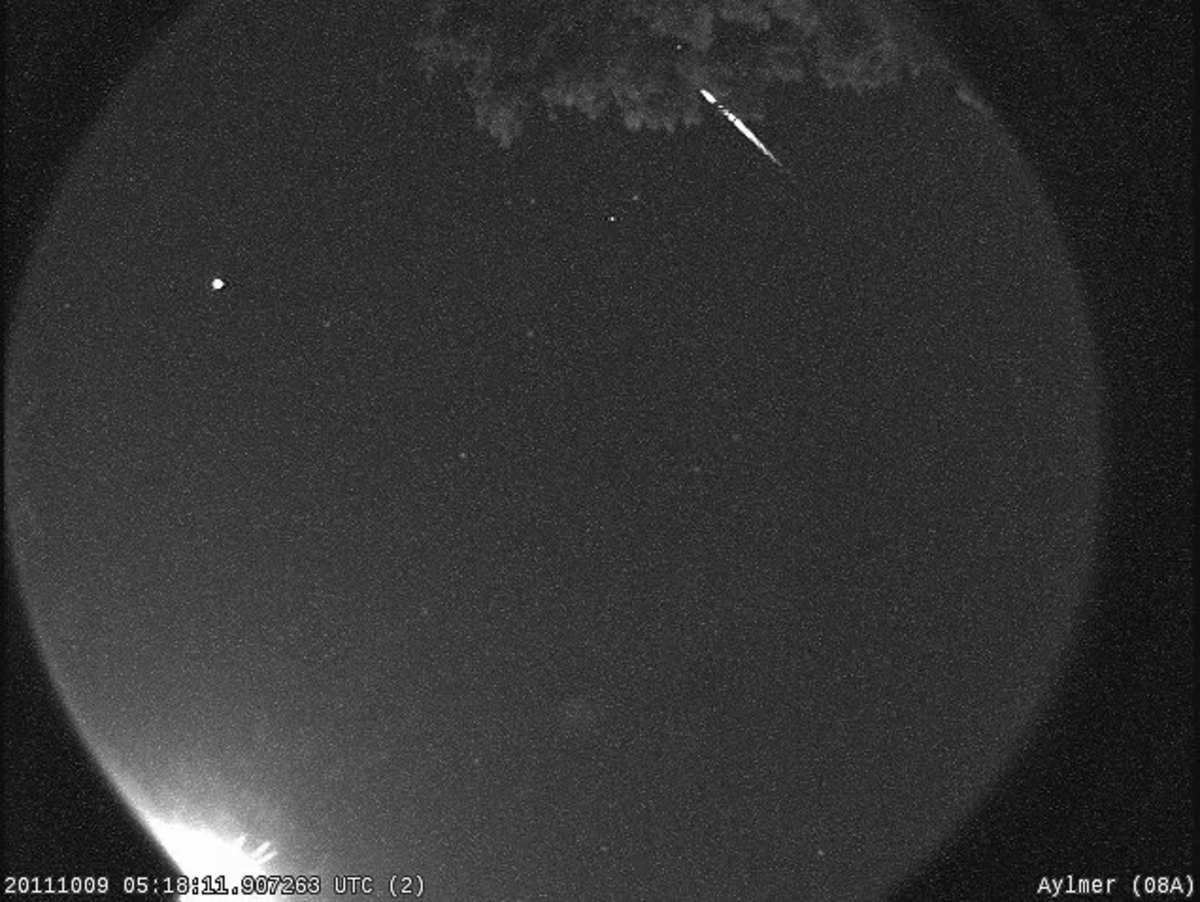
A Draconid disappears behind a tree in this image taken by a Canadian all-sky camera (Image Source: UWO Meteor Physics Group)

The constellation sinks lower toward the horizon as the night progresses. Sky-watchers don't need to pinpoint the Dragon to enjoy the shower, as the meteors can be seen flying across any part of the sky, but finding Draco is a helpful starting point. The most intense activity for the Draconid shower, also known as the Giacobinids, is expected on the evening of October 8 and into the predawn hours of October 9.

More on Starlust

First supermoon of 2025 to light up the sky today—when to spot it in its full glory
October's Harvest Moon kicks off the 2025 supermoon series

Moon phases October 2025: Is there a full moon tonight?

MORE STORIES

The X5-class solar flare on Wednesday bombarded energetic protons toward Earth and they are penetrating the atmosphere all the way to the ground.
7 hours ago
The Moon will be approximately 221,965 miles from Earth during the final supermoon appearance of the year.
17 hours ago
The Northern Taurids meteor shower, active from late October to early December, typically generates a low maximum rate of just five meteors per hour.
1 day ago
Situated approximately 202 million miles away, interstellar comet 3I/ATLAS is currently traversing the constellation Virgo.
2 days ago
The comet currently resides in the constellation Ophiuchus (The Serpent-bearer), positioned about 147 million kilometers from our planet.
5 days ago
This significant, Supermoon-proximate lunar event offered breathtaking photographic subjects, spanning from urban skylines to major sporting events.
6 days ago
Earth faces an imminent solar impact, with a Coronal Mass Ejection (CME) predicted to arrive as soon as Thursday evening, November 6 (EST).
6 days ago
For the most dramatic visual effect, experts recommend watching for the Moon just as it ascends above the eastern horizon at sunset.
7 days ago
The closest approach of comet 3I/ATLAS to Earth will happen on Friday, 19 December 2025, at a distance of 1.797478 Astronomical Units.
7 days ago
Observers should plan to observe the spectacle throughout the evenings of Tuesday, November 4, and Wednesday, November 5, 2025.
Nov 4, 2025