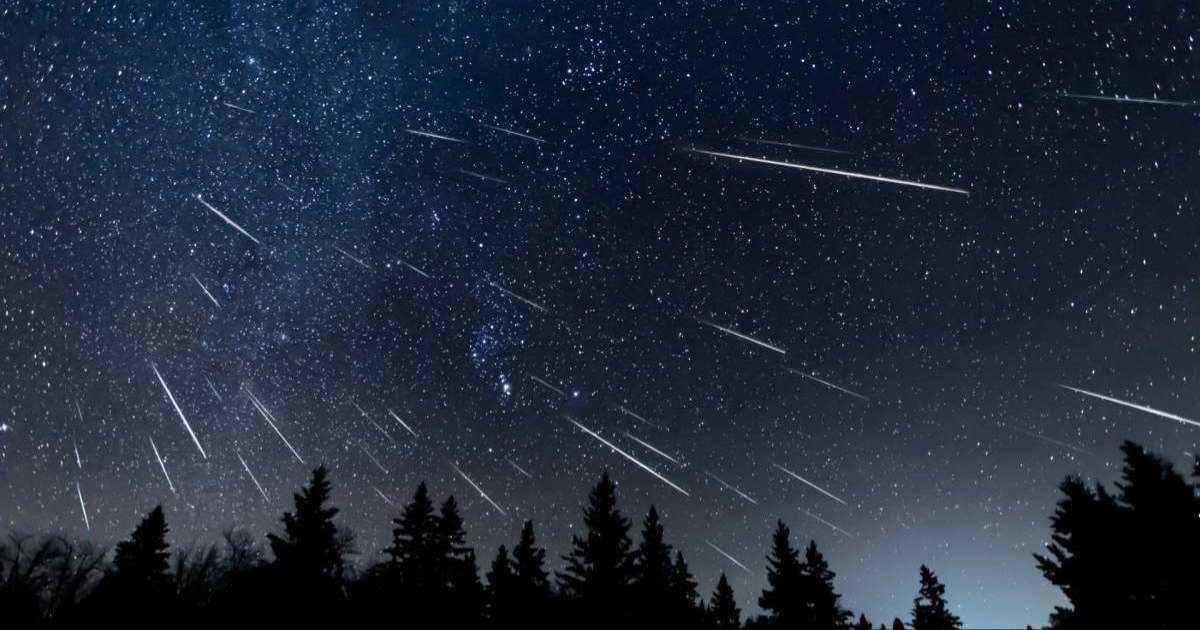
Bright green fireball traveling close to 100,000 mph lights up sky above Michigan's Great Lakes
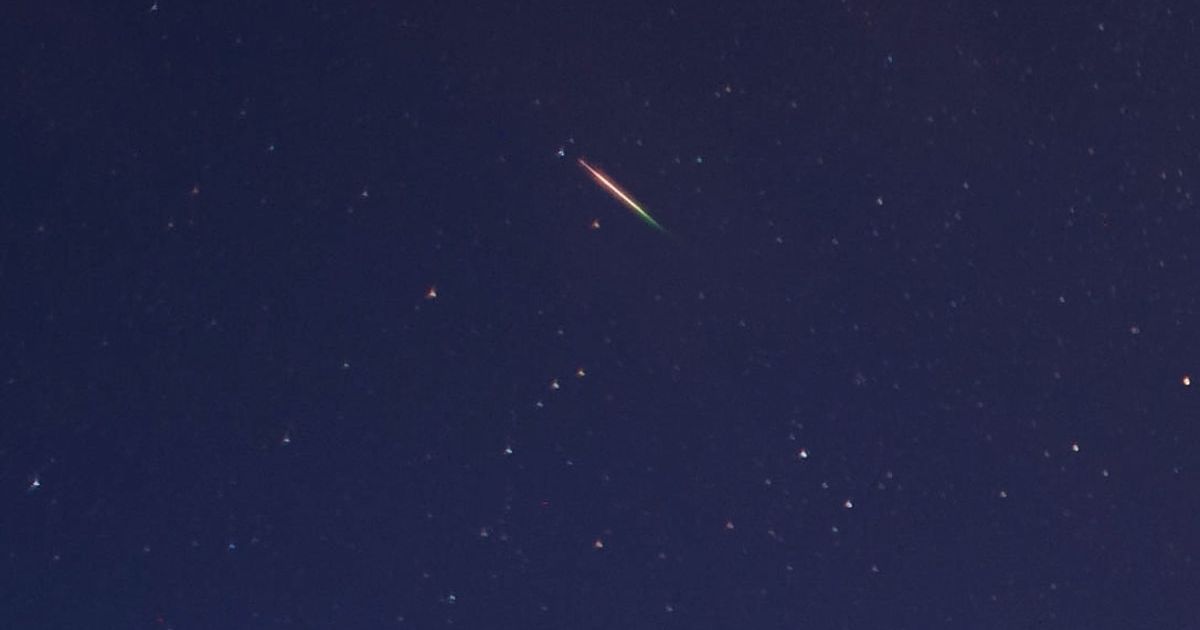
A fireball was seen exploding in a green flash in the skies above the Great Lakes on Sunday, November 23, at around 5:29 a.m. Several eyewitnesses reported the sighting, and the object was captured on video by the Michigan Storm Chasers' cameras.
Likely a comet fragment that burned up after hitting the atmosphere, the object was reportedly seen in Michigan, Wisconsin, Indiana, and even in Sarnia, Ontario, per the American Meteorological Society, which received no less than 47 eyewitness reports on the day. The duration of the sighting ranged from less than 1 second to as long as 7.5 seconds in certain places.
NASA later cross-checked eyewitness accounts with data from publicly accessible cameras and reported that the object became visible 62 miles above Hubbard Lake, Michigan. It then travelled 82 miles at 98,500 miles per hour through the upper atmosphere before meeting its demise 46 miles above Lake Huron, where it disintegrated into pieces. NASA also clarified that the sighting was that of an isolated comet fragment and was not part of any meteor shower.
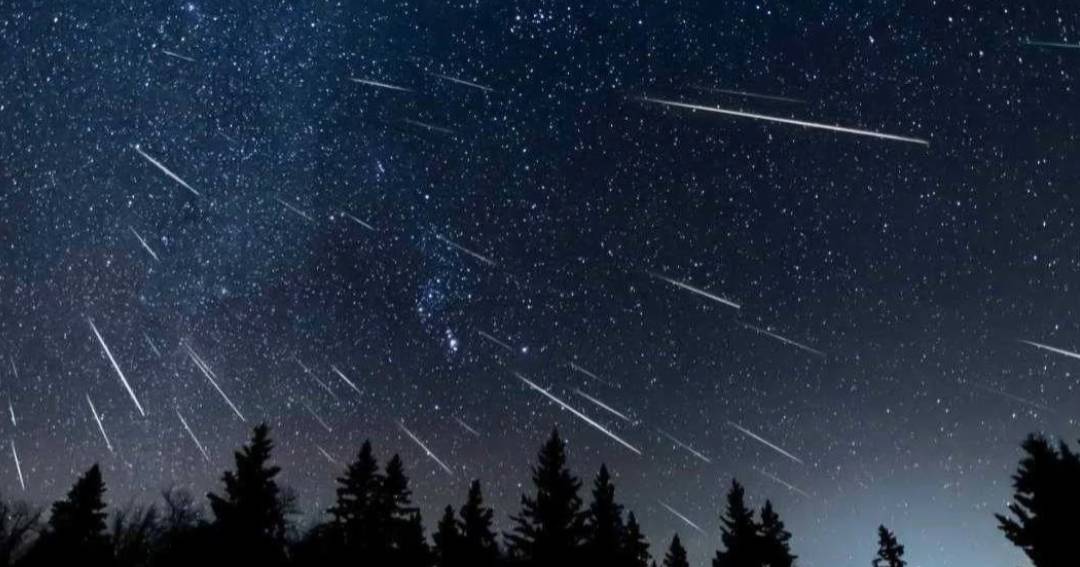
Speaking of meteor showers, don’t forget to keep your eyes peeled for the Geminid meteor shower due to take place next month. Touted as one of the best and most reliable meteor showers, it will be active between December 1 and 21, but will peak on the 12th and 13th of the month, per NASA. Look for a really dark patch of sky, and you’ll be able to spot no less than 40 to 50 fast-moving, bright yellow meteors an hour. As for the green color of the fireball that lit up the Michigan sky, it was likely due to its composition.
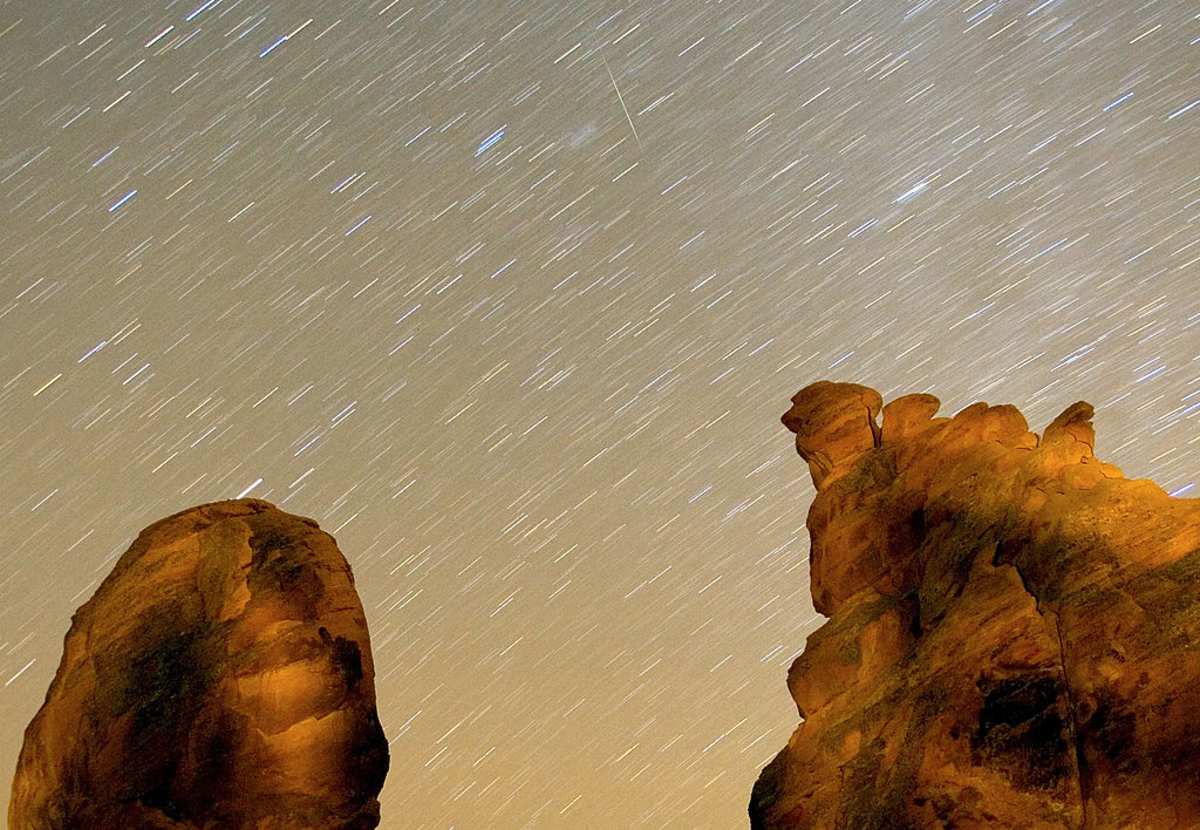
Fireballs with a high concentration of sodium produce a bright yellow color, while magnesium-heavy fireballs burn with a blue-white flame. Meanwhile, nickel, which was likely the dominant component of the fireball in question, gives off a green color, per the American Meteorological Society. The color is also influenced by the velocity of meteors, with higher levels of kinetic energy being associated with certain shades. Slow meteors tend to burn red or orange, while faster ones often give off a blue color. The case of fireballs is, however, more complex, likely because of the relationship between the brightness of objects and the nuances associated with the range of human color vision.
An interesting signature from the Wellington Radar, at 1:52pm.
— MetService NZ (@MetService) July 7, 2022
This shows a cross-section of the atmosphere, with what may be the smoke trail of the meteor ☄ that passed over the lower North Island.
It's about the right place and time, and it's not meteorological. pic.twitter.com/2pY3WqzenT
Bright green fireballs have been seen before as well, like, for instance, the one that crashed into Cook Straight between New Zealand’s North Island and South Island on July 7, 2022, per Live Science. Estimated to be around 3.3 feet in diameter, the fireball had an explosive power equivalent to no less than 1,800 metric tonnes of TNT, per The Conversation, and set off a sonic boom that was heard across the southern parts of the North Island. An “interesting signature” was picked up by the Wellington radar of the New Zealand MetService, and its fragmentation also caused a shock wave that was so strong enough that it was picked up by GeoNet, which is a network of earthquake seismometers.
Some neat Space science today with a possible meteor passing over the lower North Island this afternoon. This was felt by many people on the ground, and picked up by our seismic instruments around Wellington. pic.twitter.com/HU3v6SXSp9
— GeoNet (@geonet) July 7, 2022
More on Starlust
ESA’s ExoMars captures massive dust avalanches on Mars triggered by a meteoroid impact