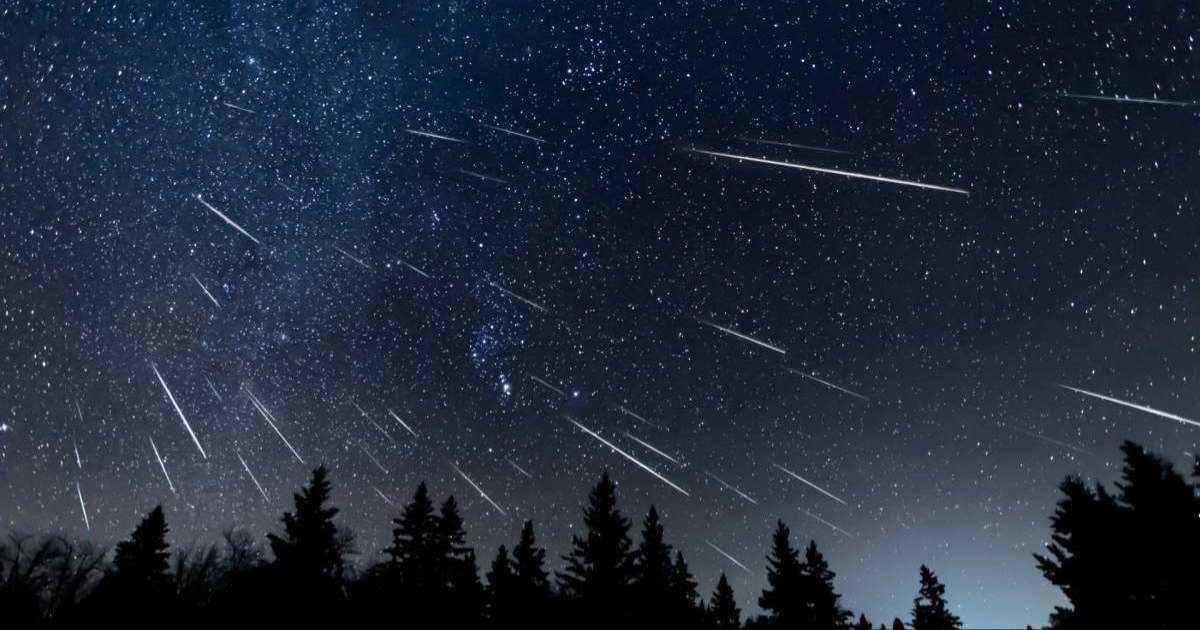
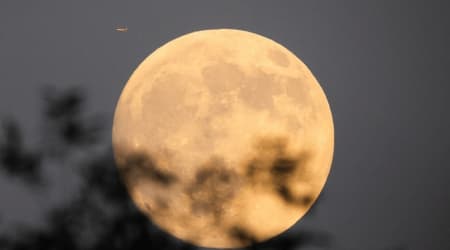
Daytime Sextantids meteor shower peaks September 27—but can you spot it with the naked eye?
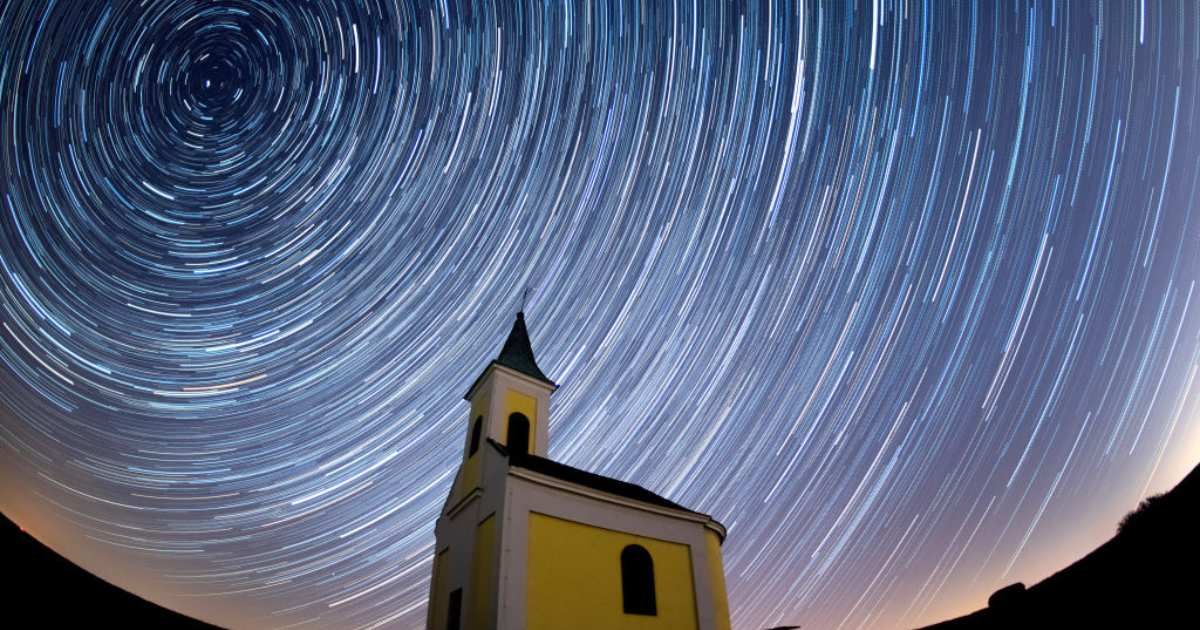
Space enthusiasts have a unique opportunity to witness the Daytime Sextantids meteor shower, which is currently active and set to reach its peak on September 27. Unlike most meteor showers that are best viewed at night, the Sextantids’ radiant, the point from which the meteors appear to emanate, is positioned within the Sextans constellation, making it visible during daylight hours, as per The Sky Live.
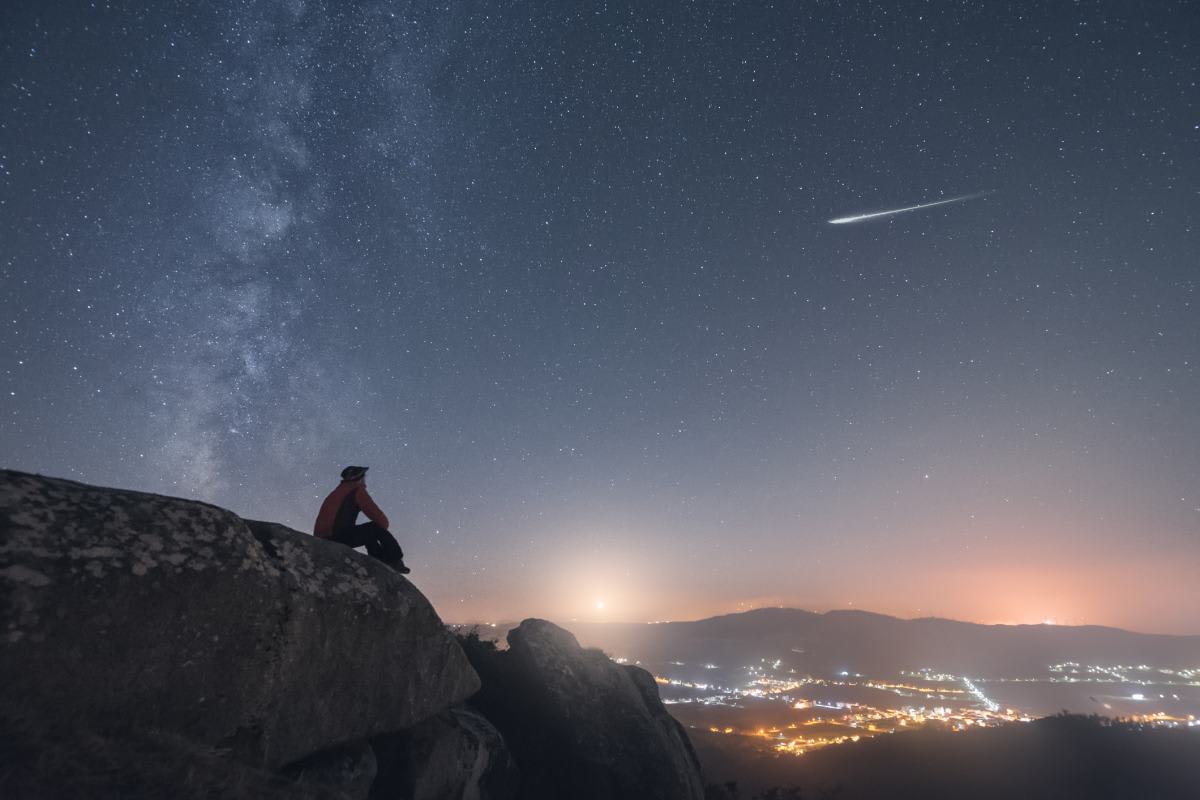
The shower is a global event, visible from both the Northern and Southern hemispheres. Despite being a daytime spectacle, its brightness makes it a notable event. At its peak, the shower is expected to produce a maximum of five meteors per hour. These meteors enter Earth's atmosphere at an average speed of 32 kilometers per second.
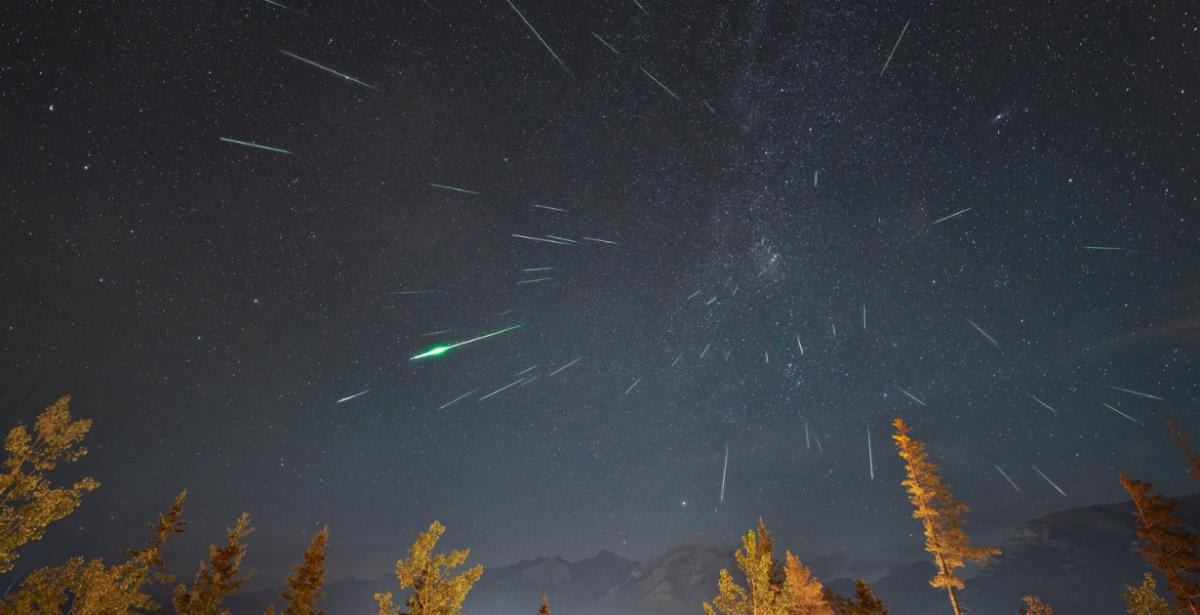
Observing the Daytime Sextantids presents a significant challenge for skywatchers due to its proximity to the sun. According to Universe Guide, the radiant of this shower is located near the sun's position in the sky, making direct viewing without proper equipment extremely hazardous. Observers are strongly advised to use solar filters or eclipse glasses to protect their eyes from severe damage if they attempt to view the shower during the day.
For those in the Northern Hemisphere, the best opportunity for a safe, unfiltered view is in the pre-dawn hours. The shower is visible from approximately 4 a.m. to 5 a.m., just before sunrise, when the sun's glare is absent. During this time, the meteors can be seen low on the horizon, in the east-to-southeast direction. The shower remains visible until it sets below the horizon around 4 p.m. In the Southern Hemisphere, the viewing window is slightly earlier, with the best time also being the pre-dawn hours, around 4:30 a.m. local time. Skywatchers should look towards the eastern horizon. Unlike in the Northern Hemisphere, where the shower trails the sun, in the Southern Hemisphere, it appears to lead it across the sky.

The precise location of the Sextantids’ radiant is at 156.6 degrees right ascension and -2.4 degrees declination. The shower reaches its maximum activity when the sun's longitude is at 188 degrees, a measure independent of the calendar, with 0 degrees marking the vernal equinox.
Even for seasoned astronomers, viewing the Daytime Sextantids is incredibly difficult. Because the shower peaks in the middle of the day, the sky's brightness from sunlight completely obscures the faint meteors, per COSMOBC. Their small size, some are no more than half a millimeter across, makes them virtually impossible to see with the naked eye. Due to these factors, scientists often rely on specialized radar technology to track these tiny meteors. Even with advanced equipment, many of the meteors are still not detected. The combination of intense sunlight and minuscule meteor size makes this shower a significant challenge for even the most determined skygazers.
More on Starlust
Watch the elusive Aurigid meteor shower as its rare display peaks in the predawn sky
Here's when Comet C/2025 A6 (Lemmon) will make closest approach to Earth next month
Halley's Comet will return in 2061—for 1980s kids, it will be a full-circle moment