Could NASA's TESS space telescope help in finding dark matter? New study proposes a way
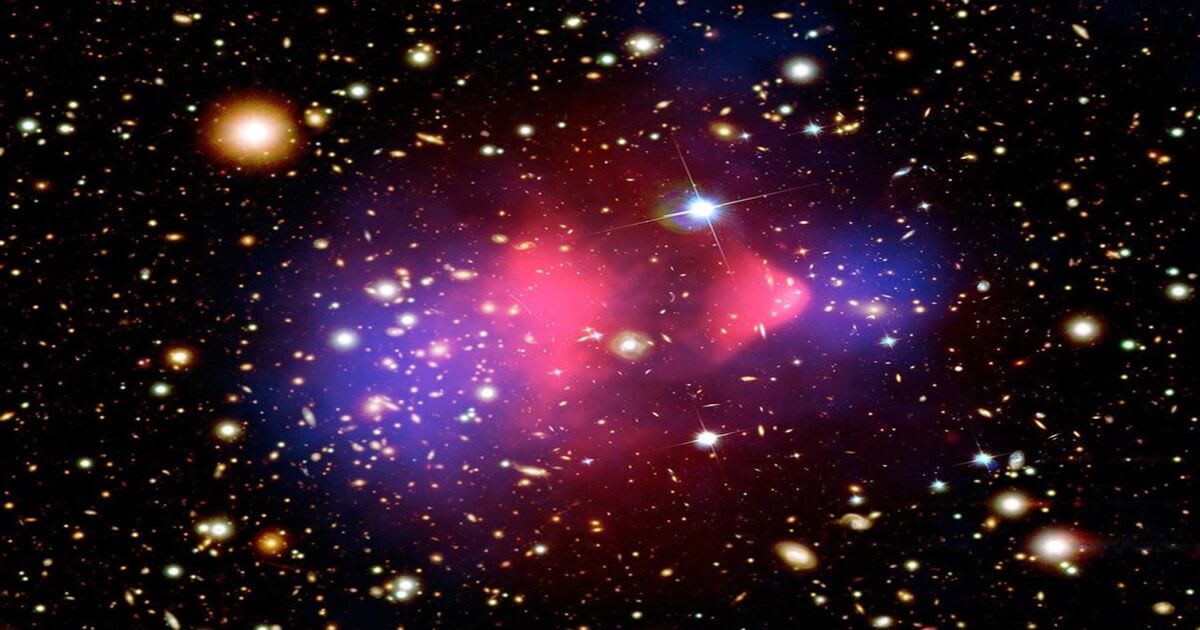
We can look deep into space and see billions of stars, galaxies, and other cosmic objects. But all of that visible matter makes up only a small part of what the universe is believed to contain. Much of the universe remains hidden from us, with dark matter being one of its biggest mysteries.
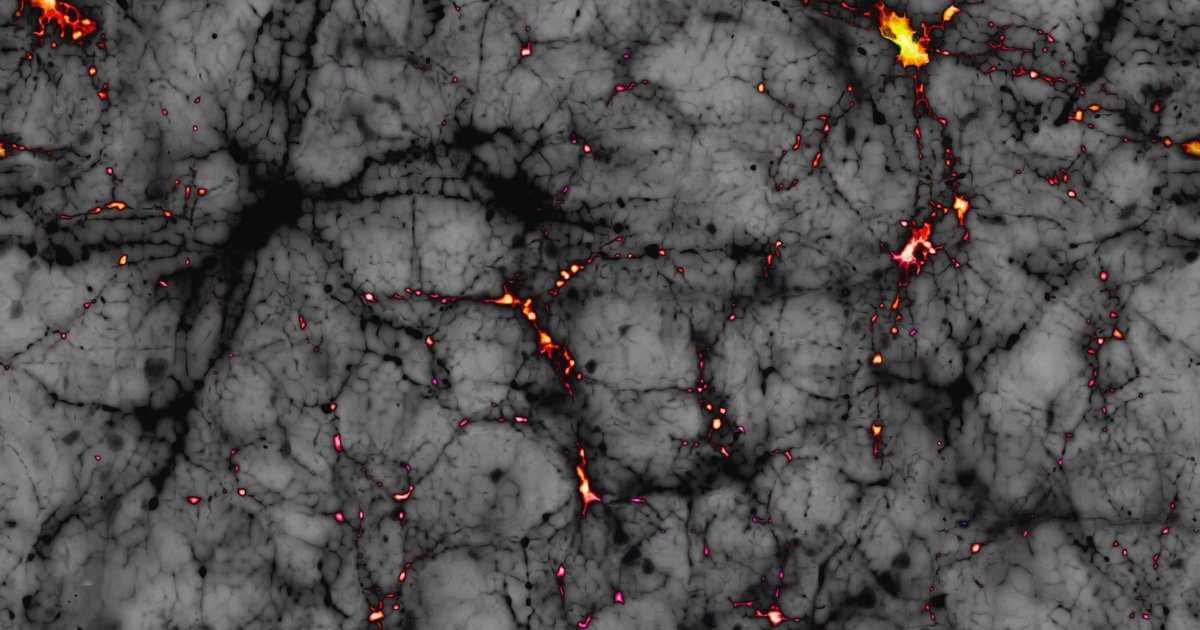
We know dark matter has gravity because we can see its effects on objects around it. But we still don't know what dark matter itself is. Now, a new study, available on the preprint arXiv server, has suggested an unusual way to search for it—by watching how stars appear to move.
How can scientists find something they cannot see?
Dark matter does not emit, reflect, or absorb light in a way our telescopes can detect, so scientists cannot simply point a telescope towards it and see it. So, researchers study the gravity it produces and try to understand how that gravity affects things around it.
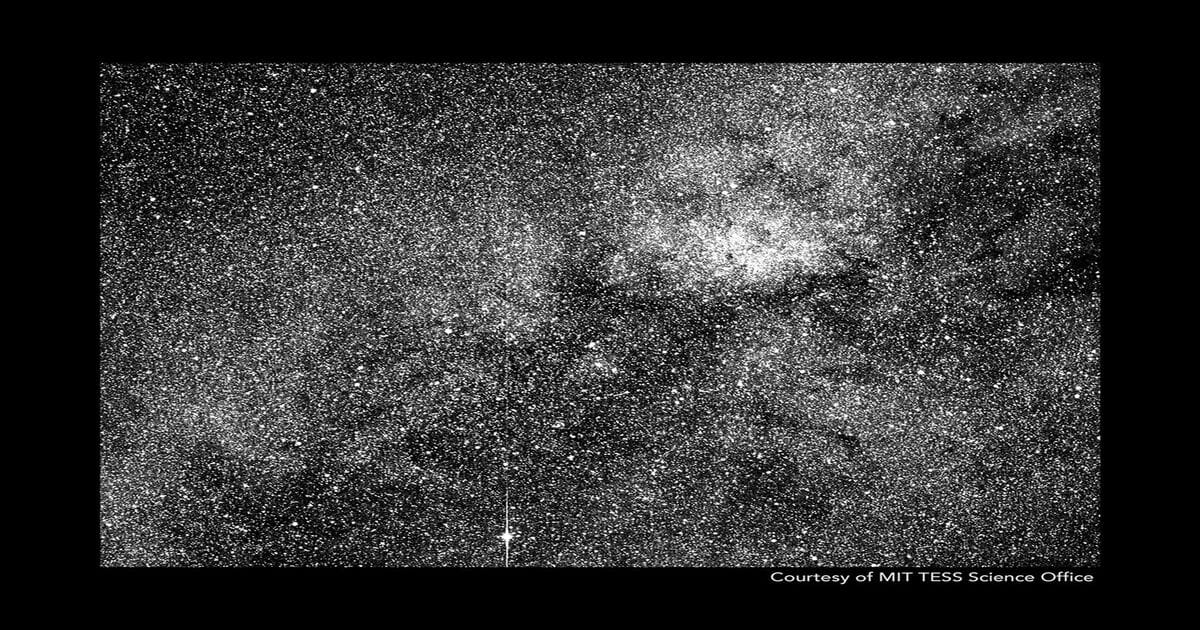
Researchers suggest using NASA's TESS (Transiting Exoplanet Survey Satellite) space telescope to look for these effects. Initially, TESS was launched to find exoplanets, but it has several features that are useful for this new study. For example, it watches large areas of the sky and observes many stars at the same time. Additionally, it has collected years of observations, which could be useful for looking for tiny changes in the positions of stars.
What scientists would actually look for in the TESS data?
Researchers would look at the positions of many stars in TESS observational data and see if they appear to shift over time. As dark matter is invisible, it would not be captured in the images, so the team would look for small changes that could be caused by its gravity. The idea is to see whether a dark matter clump passing through our galactic neighborhood could exert a tiny gravitational pull on the entire Solar System, subtly accelerating TESS along with it. If the telescope's speed or direction changes, the apparent position of background stars will also change.
With this idea, scientists would look at a group of stars together. If the stars showed a related movement, instead of moving randomly or independently, that could be the kind of pattern they are looking for. The research paper says a dark matter clump could produce a coordinated pattern across the sky, which could help researchers identify its gravitational effect. The researchers also consider the possibility of a dark matter clump passing closer to our Solar System. In that case, the effect could change with time, giving scientists another clue to look for in the data.
How can scientists tell if it’s dark matter?
The challenging part for the team is that stars already move through space, and their positions can also appear to change because TESS itself is moving. So, scientists would first need to understand these normal changes before looking for anything unusual in the pattern. With stars, TESS can also show changes, such as small movements of the telescope, changes in its instruments, scattered light and other effects that can affect how a star appears in the image. These could make it harder to spot the even a tiny signal researchers are looking for.
So, to find a possible dark matter signal among all these effects, researchers would look for the specific pattern expected from a dark matter clump. Instead of looking at one star, they would compare many stars and observe their related movement across the sky. If the pattern matches what the researchers expect from the gravity of a dark matter clump, it could provide a clue that an invisible dark matter clump is present.
What happens next?
Although the researchers have not found dark matter with TESS yet, this study shows how TESS could be used to search for dark matter clumps. Future analyses will use real TESS data to see if researchers can find the signal or the pattern they are looking for.
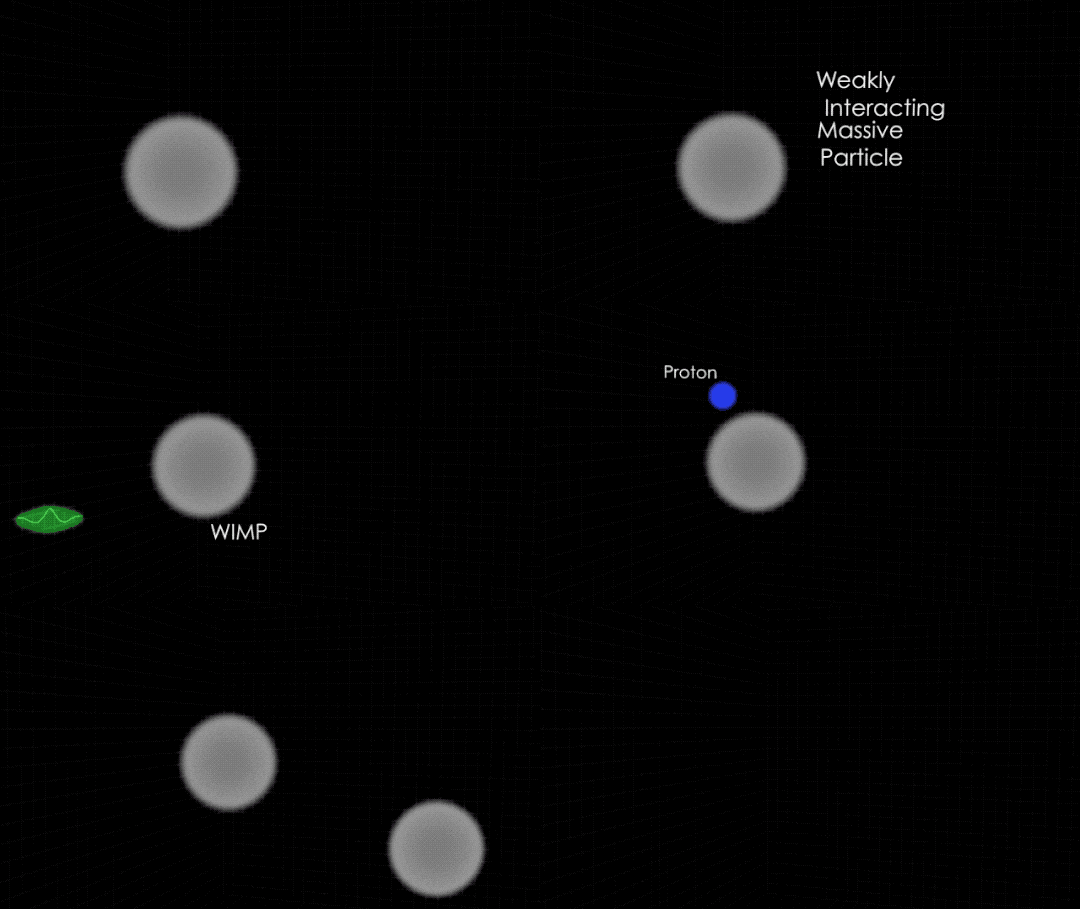
If the method works, it could give scientists another way to study dark matter and understand how it is spread through space. Even if researchers do not find what they are looking for, the results could still help scientists set limits on the possible mass and abundance of these dark matter clumps near the Solar System.
More on Starlust:
New James Webb Space Telescope data challenges one of dark matter's strongest pieces of evidence
Scientists propose novel particle detector that could help hunt down elusive dark matter