Rocket Lab's Electron rocket sends Japanese satellite into orbit, sets a new single-year record
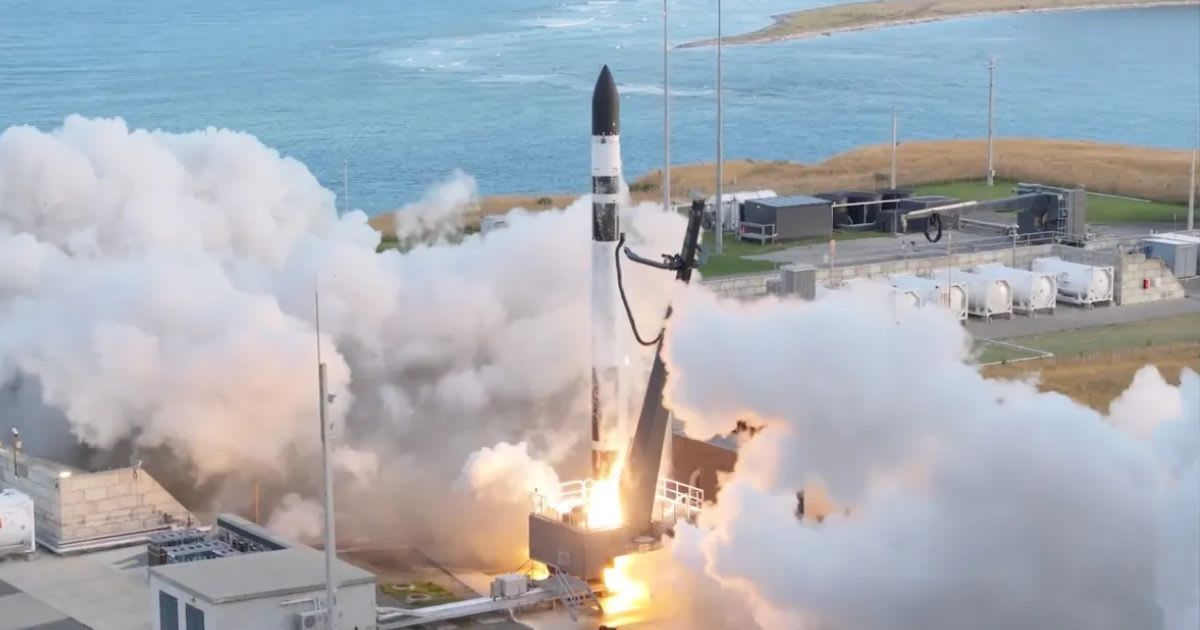
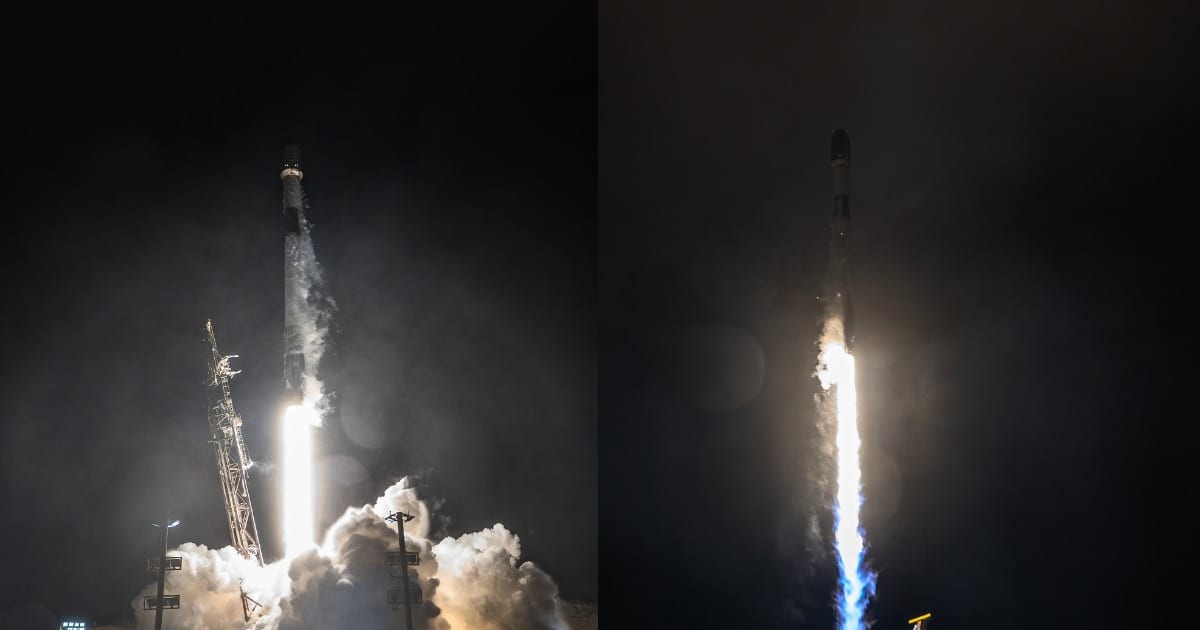
On Sunday, December 21, Rocket Lab extended its single-year record with its 21st launch of the year. The launch, named "The Wisdom God Guides," saw an Electron rocket carry the iQPS QPS-SAR-15 radar satellite, nicknamed Sukunami-I after the Japanese god of wisdom, lift off successfully from Rocket Lab's New Zealand site at 1:36 a.m. EST (0636 GMT; 7:36 p.m. local time in New Zealand).
LIFTOFF for Electron! "The Wisdom God Guides" is on its way to space for @QPS_Inc. pic.twitter.com/0IfLPuSahD
— Rocket Lab (@RocketLab) December 21, 2025
"Our new record of annual launches and the breadth of upcoming missions go to show how much of a global impact Electron continues to have on the space industry, and we're looking forward to another year of continued execution in 2026," Rocket Lab's founder and CEO Peter Beck said in an emailed statement on Sunday, according to Space.com. The plan was to allow the Electron Rocket's "kick stage" to deploy the Sukunami-I into a circular orbit 357 miles (575 kilometers) above Earth, and that's exactly what happened. The Electron rockets' unique Kick Stage is designed to deliver small satellites to precise and unique orbits.
Today's successful launch for @QPS_Inc has set a new annual launch record for Electron: 21 launches in one year with 100% mission success!
— Rocket Lab (@RocketLab) December 21, 2025
🚀🚀🚀🚀🚀🚀🚀🚀🚀🚀🚀🚀🚀🚀🚀🚀🚀🚀🚀🚀🚀💯 pic.twitter.com/dAUiXvgn0T
The Sukunami-I heads up to space to join other Earth-observing constellations that are being operated by the Japanese company IQPS. Its spacecraft makes use of synthetic aperture radar that can easily look past the clouds for clear and precise views both during night and day. This also marked Rocket Lab's sixth launch for IQPS in 2025, taking their total number of launches for the company to 7. The company also says that IQPS has booked an additional five Electron launches for 2026.
MISSION SUCCESS! Payload deployment confirmed for iQPS's satellite to a 575 km orbit 🛰️🚀 pic.twitter.com/jEKQLFDFtJ
— Rocket Lab (@RocketLab) December 21, 2025
Naturally, Beck is looking forward to the coming year. "In 2026, we're expanding Electron’s global reach with more multi-launch constellation deployments, dedicated missions for domestic civil space and international space agencies in Japan and Europe, and both suborbital and orbital launches with defense applications for hypersonic technology and national security," he said. 18 out of the 21 launches this year were orbital ones involving the 59-foot-tall Electron rocket, while the other three involved HASTE, a tweaked suborbital version of the Electron designed mainly for testing hypersonic technologies in the final frontier.
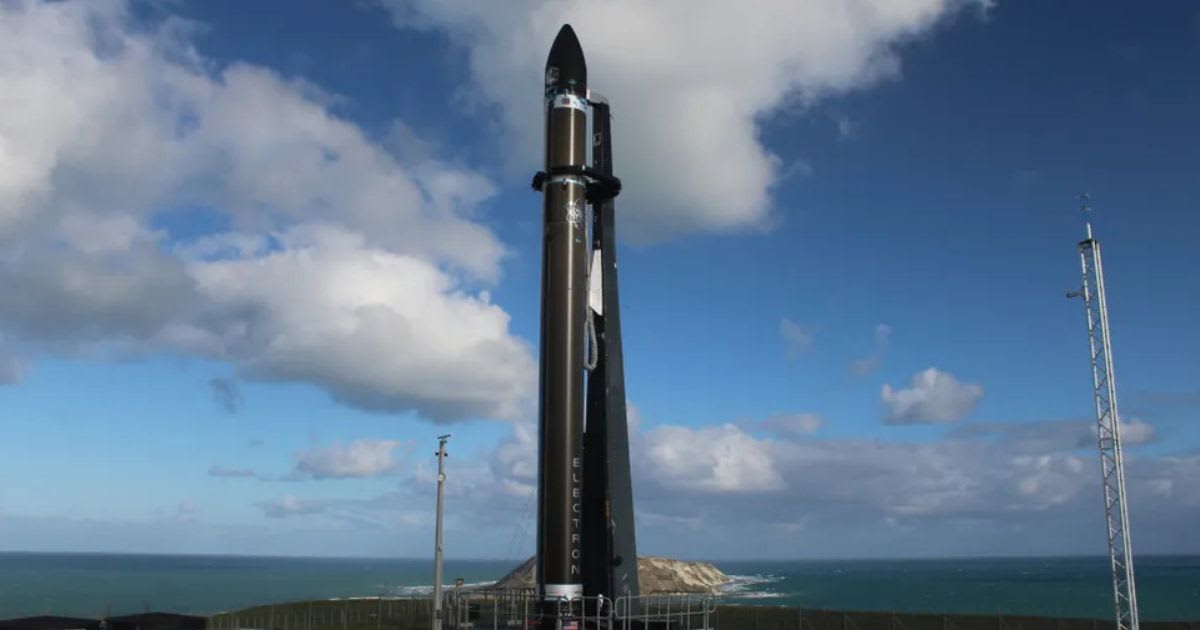
Despite being much smaller than most rockets that send satellites to orbit (SpaceX's Falcon 9 measures 229.6 feet), the Electron rocket, which can carry payloads of up to 330 kg (661 lb), has proved to be more than reliable. The only reusable-capable small launch vehicle around, it has 79 launches, with more than 245 successfully deployed satellites to its name, per Rocket Lab. It is equipped with the Rutherford engine, which is the world's first 3D-printed electric-pump-fed rocket engine. Sending satellites to orbit via an Electron rocket is also reasonably cheaper. According to Space.com, Rocket Lab charges $5 million for an Electron rocket flight, which is usually split up among the multiple satellites on board. For perspective, SpaceX charges $62 million for a single Falcon 9 mission.
More on Starlust
NASA is heading to the Moon again: 5 things to know about the Artemis II mission
ESA engineer becomes first-ever wheelchair user to cross the 'Kármán Line' into space