5 things to know about New Shepard, the rocket that flew a wheelchair user to space
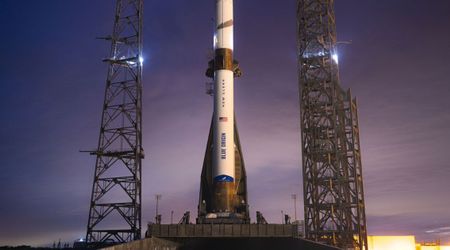
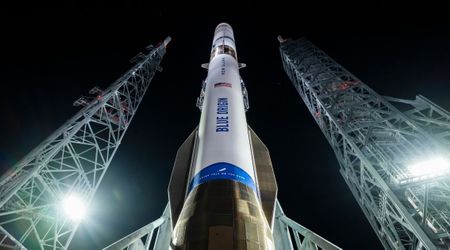
The New Shepard program began with a question: "We need to carry people to space. What are all the possibilities?" The answer, according to Gary Lai, the former senior director of the program, came 110 iterations later. That was when the team figured out what engineer Ryan Curtis referred to as "the right way to send people to space." Well, he was certainly not wrong in his assessment. The New Shepard continues to prove that. Here are five things you need to know about Blue Origin's fully reusable suborbital rocket system.
A wheelchair goes to space
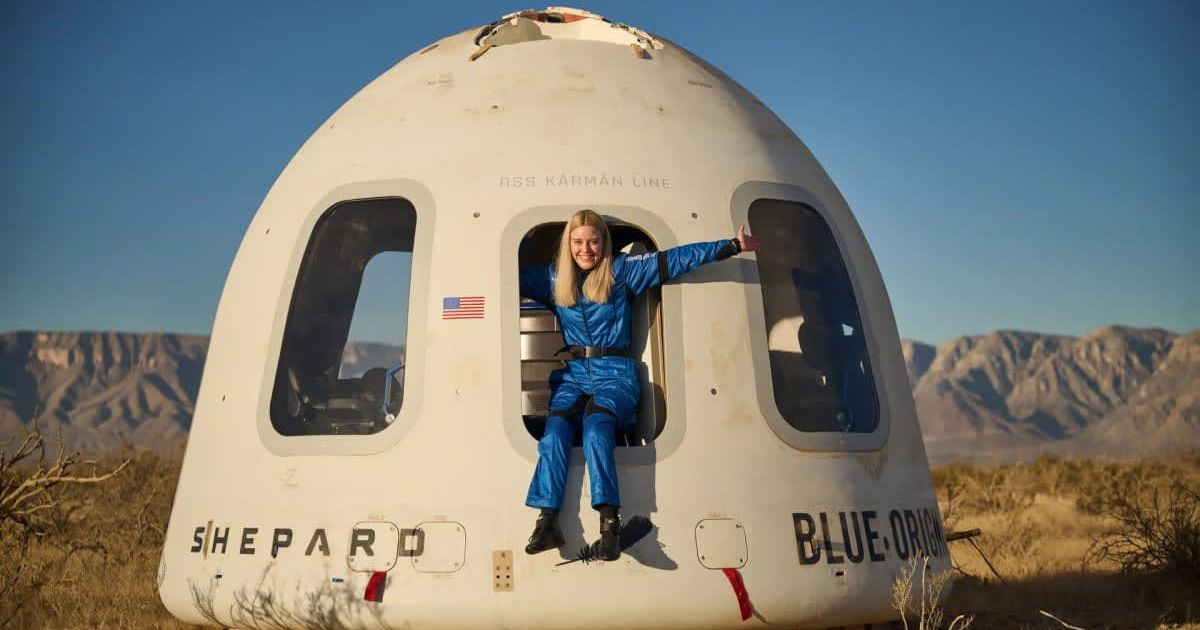
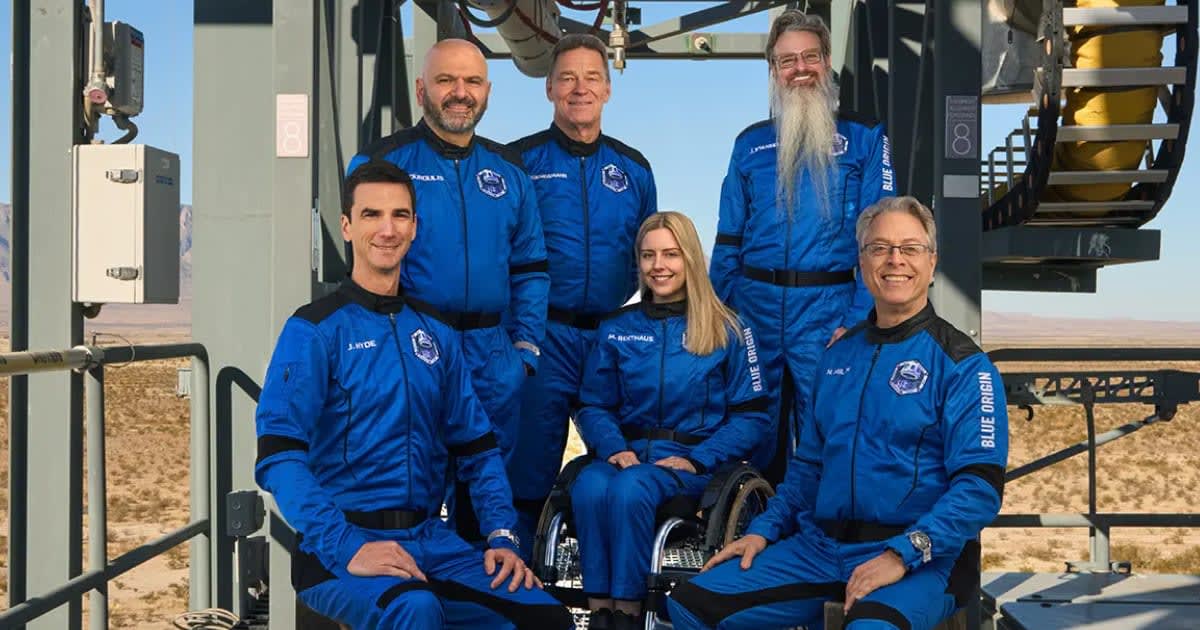
Blue Origin's latest NS-37 mission, which used the New Shepard, scripted spaceflight history by sending Michaela "Michi" Benthaus to space. That made Michi the first wheelchair user ever to cross the internationally recognized boundary of space known as the Kármán line. Michi has been using a wheelchair since she sustained a spinal cord injury in an unfortunate mountain biking accident in 2018. However, she never allowed this to be her limitation, as her passion for space remains undeterred. According to Blue Origin, as an aerospace and mechatronics engineer working at the European Space Agency, Michi had previously completed an analog mission and also flown on a Zero-G research flight. Officials at Blue Origin emphasized that Michi's flight was especially meaningful, demonstrating that space truly is becoming something that will be accessible for everyone.
What does a typical New Shepard flight entail?
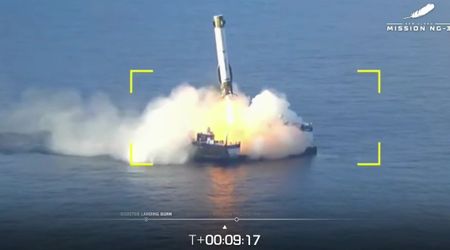
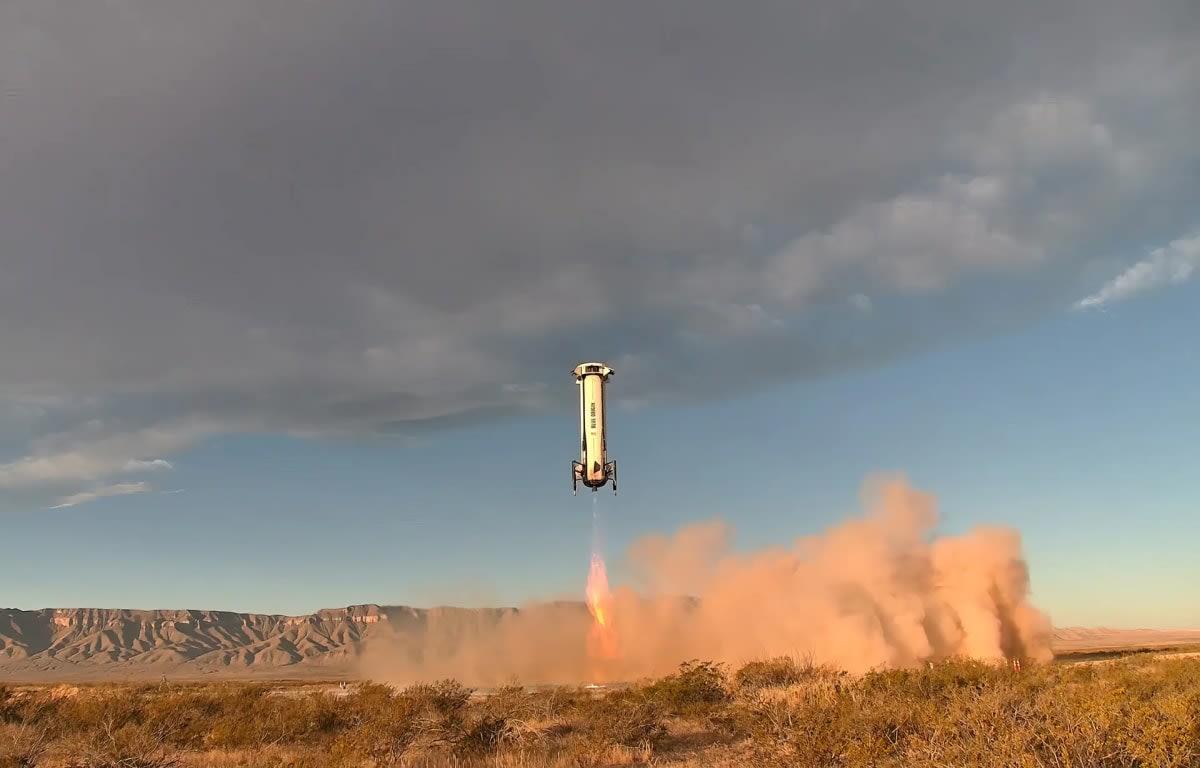
The New Shepard, a suborbital and fully reusable rocket, is named after the legendary American astronaut Alan Shepard (the first American to go to space). Unlike normal boosters, which, after using up their fuel, separate and fall away from the rocket and are burnt up in the atmosphere or fall into the ocean. The New Shepard's booster returns to Earth and lands vertically, allowing it to be reused again and again. Blue Origin says the flights aren't that long, generally lasting a little over 10 minutes, carrying the passengers over the Karman line, which is roughly 62-66 miles (100-107 kilometers). Space-like experiences, such as weightlessness, are felt during these 10 minutes, accompanied by sweeping views of the Earth. Following the conclusion of the flight, the capsule descends with parachutes.
The Shepard isn't only for astronauts
The New Shepard isn't only meant to take space tourists up to the Kármán line; it's way more versatile than that! It offers room for payloads inside its crew capsule. According to Blue Origin, the New Shepard is adept at carrying a range of payloads, including R&D materials and those for business. The crew capsule is designed to accommodate up to six payload stacks with as many as 36 individual payload lockers. The payloads use custom hardware as well as software to handle control, data storage, power, and communications.

Cutting-edge tech
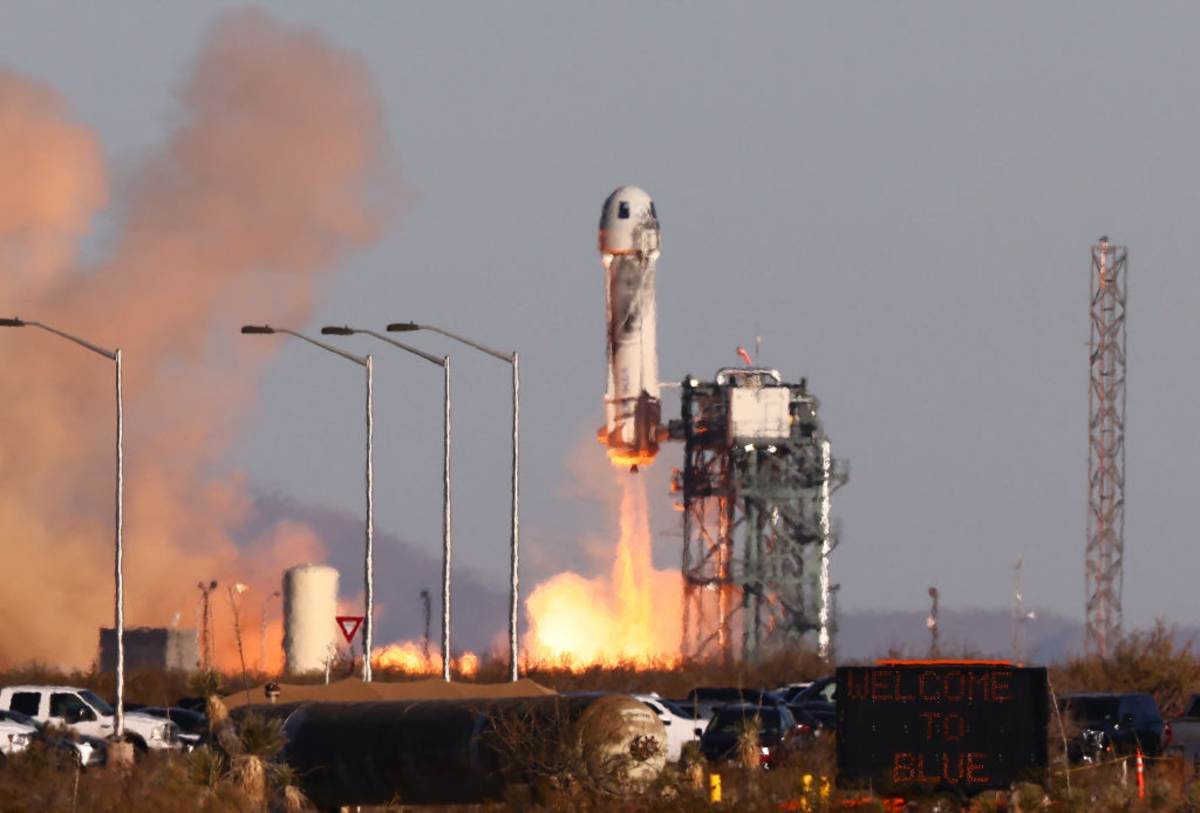
Blue Origin says that the New Shepard uses the best when it comes to technology, and comes with a pressurized crew capsule that can accommodate up to six people. It is environmentally controlled for comfort and features some of the largest windows ever flown in space. Its ring and wedge fins are aerodynamically designed to stabilize the booster and reduce fuel use during its return to Earth. It's also got drag brakes that deploy from the ring fin to reduce the booster’s speed by half as it descends from space. Its steady BE-3PM engine propels the rocket to space and restarts to slow the booster to just 6 mph (9.7 km/h) for a controlled, pinpoint landing on the pad, and finally, the aft fins stabilize the vehicle during ascent, steer it back to the landing pad on descent, and guide the rocket through airspeeds over Mach 3.
Utmost Safety and Checks in place
New Shepard underwent rigorous trials until 2021 before taking on flying passengers. Those tests saw 16 consecutive test flights along with 3 demonstrations of the crew escape system, showing that the capsule could safely detach from the booster anytime during the ascent. It has safely flown 92 people to and back from space till now.
More on Starlust
NASA prepares for Moon landings, begins the most complex plume-surface interaction tests
China sets new space record with three Long March rocket launches within 19 hours