Astronomers detect radio signals from a rare Halley-type comet first seen in 1812
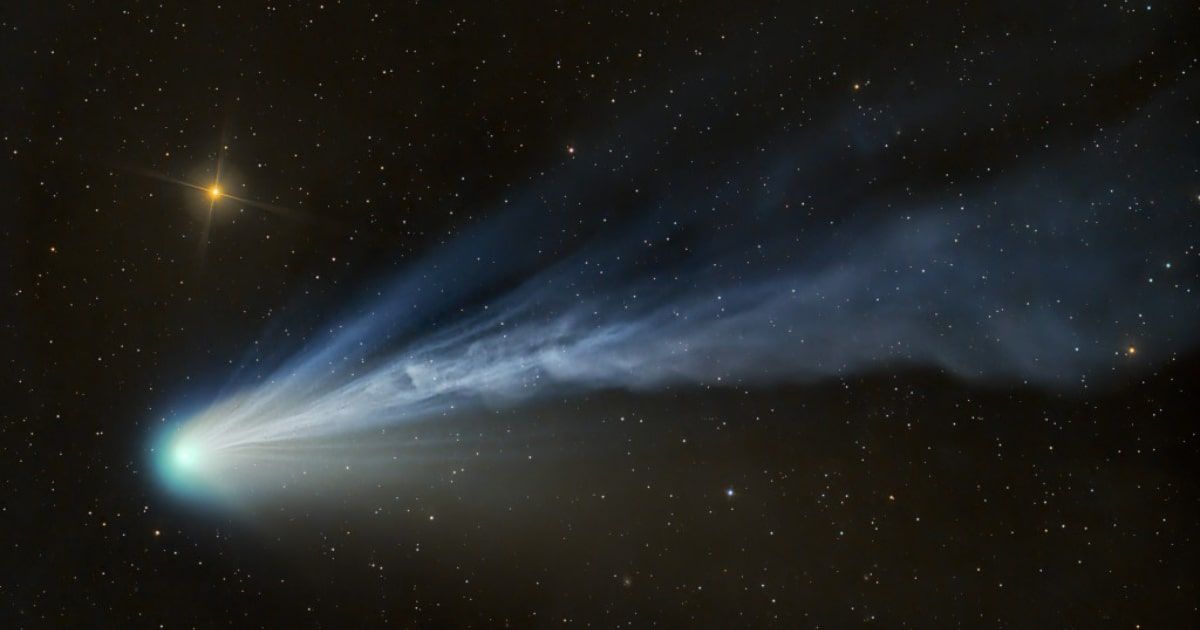
A team of astronomers, spearheaded by researchers from the Shanghai Astronomical Observatory (SHAO) of the Chinese Academy of Sciences, has successfully conducted groundbreaking radio observations of the highly volatile Halley-type comet 12P/Pons-Brooks (12P), as per the Shanghai Astronomical Observatory.
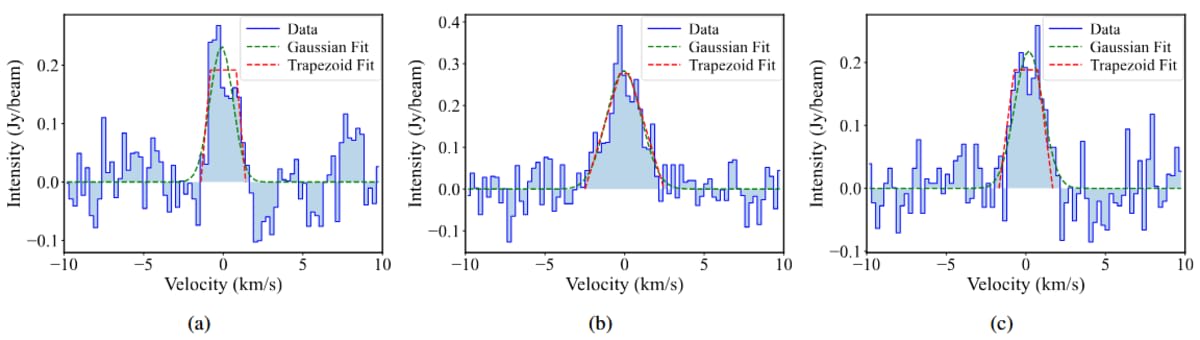
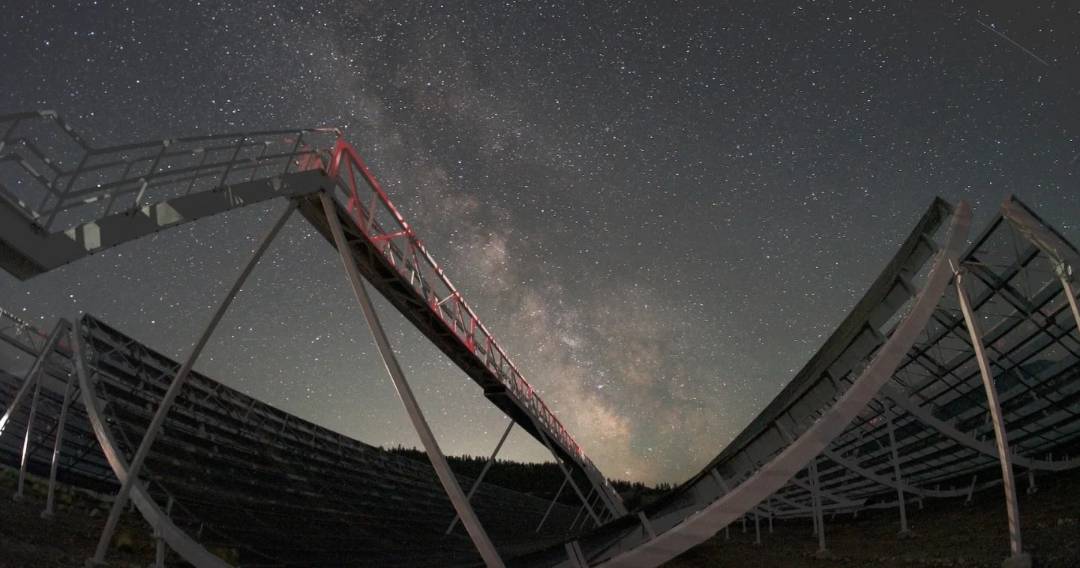
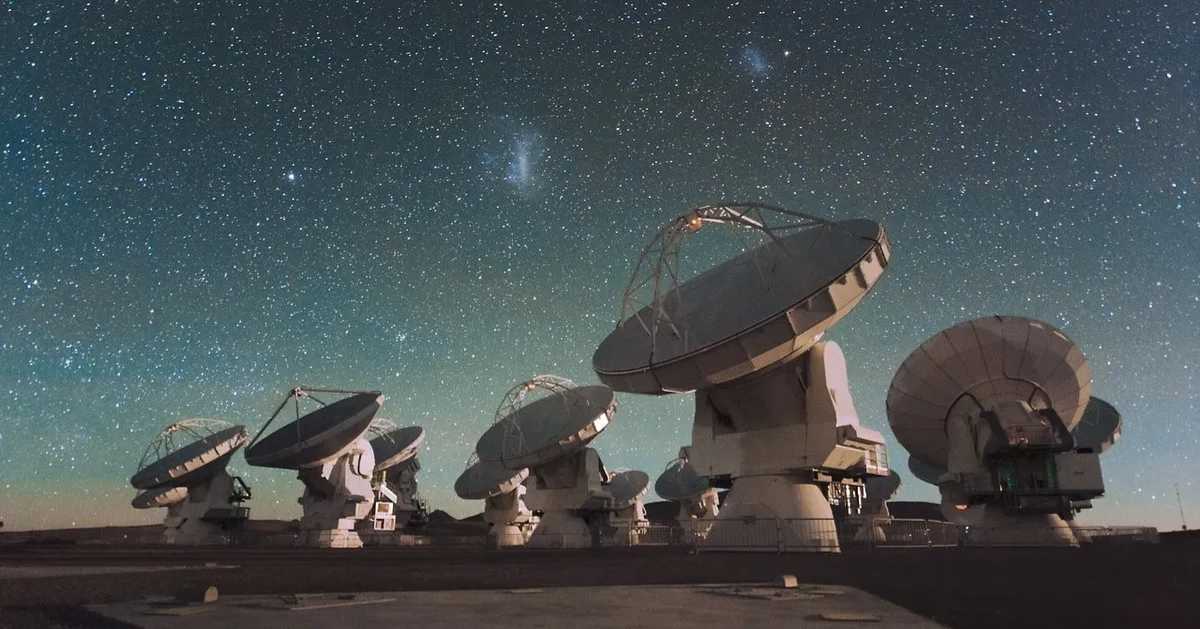
Utilizing the powerful 65-meter Tianma Radio Telescope, the joint research group measured the comet's gas emissions during its current return and achieved a significant first: the farthest-ever radio detection of ammonia molecules in a comet of this type. The findings, published in the international journal Astronomy & Astrophysics under the title "Pre-perihelion radio observations of comet 12P/Pons-Brooks with the Tianma Radio Telescope," shed new light on the mechanisms driving the comet's frequent, mysterious outbursts.
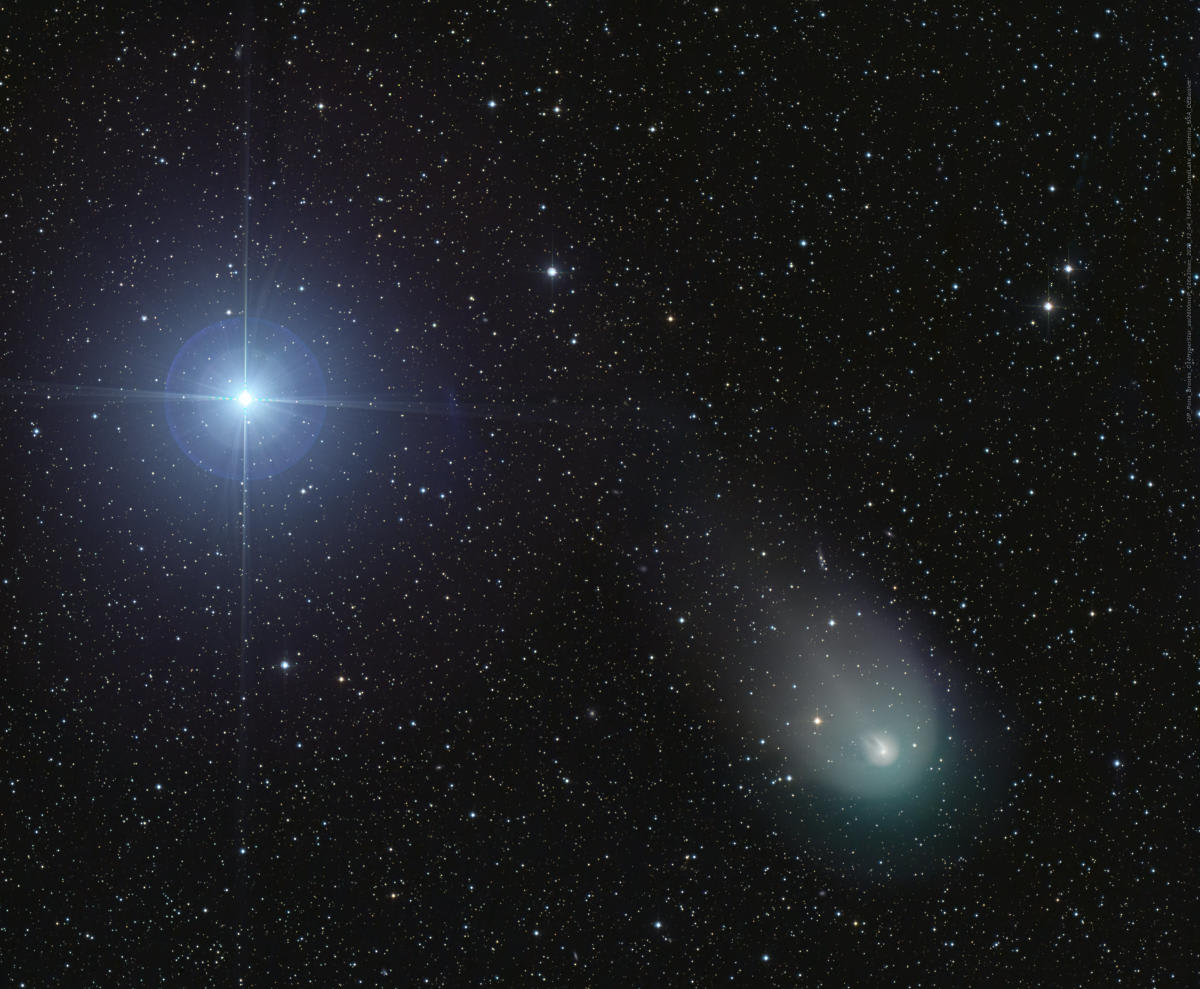
Comets are considered pristine capsules of the primordial solar system, preserving the icy compounds present during their formation 4.6 billion years ago. As comets approach the Sun, these ices sublimate, causing the distinct cometary activity. Comet 12P, with an orbital period of approximately 71 years, is notorious for its dramatic and unpredictable surges in brightness, or outbursts, a characteristic that has puzzled scientists since its discovery in 1812. The comet's latest return in 2024 has featured a fresh wave of these outbursts, providing a critical window for scientists to analyze the changing composition of the gases being released from its core.
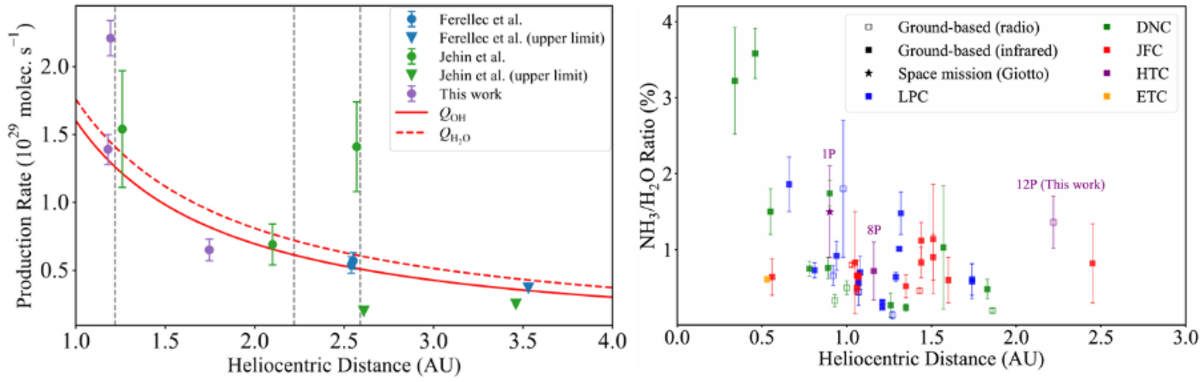
The SHAO-led team conducted observations from late 2023 to early 2024, focusing on the L-band and K-band radio frequencies. L-band observations successfully detected the hydroxyl (OH) spectral line, allowing researchers to calculate the comet's water production rate before and after several outbursts. They determined that 12P is an exceptionally active body, capable of releasing over 5 tons of water vapor per second when near 1 astronomical unit (AU) from the Sun (heliocentric distance). This output rivals or exceeds that of many other comets. Significantly, the data showed that outbursts roughly double this water-release activity.
Using the K-band, the team made the first radio-wavelength detection of ammonia (NH3) in a Halley-type comet, establishing the new distance record for this molecular observation. The measured relative abundance of ammonia was found to be exceptionally high. Since ammonia has a low sublimation temperature, the researchers posit that its high abundance and distribution within the nucleus may be a key factor fueling 12P's continuous, puzzling outbursts. This research, led by first author and Shanghai Astronomical Observatory postdoctoral fellow Juncen Li, provides crucial new data for understanding how cometary material is released and offers a deeper look into the internal composition driving the explosive behavior of 12P/Pons-Brooks.
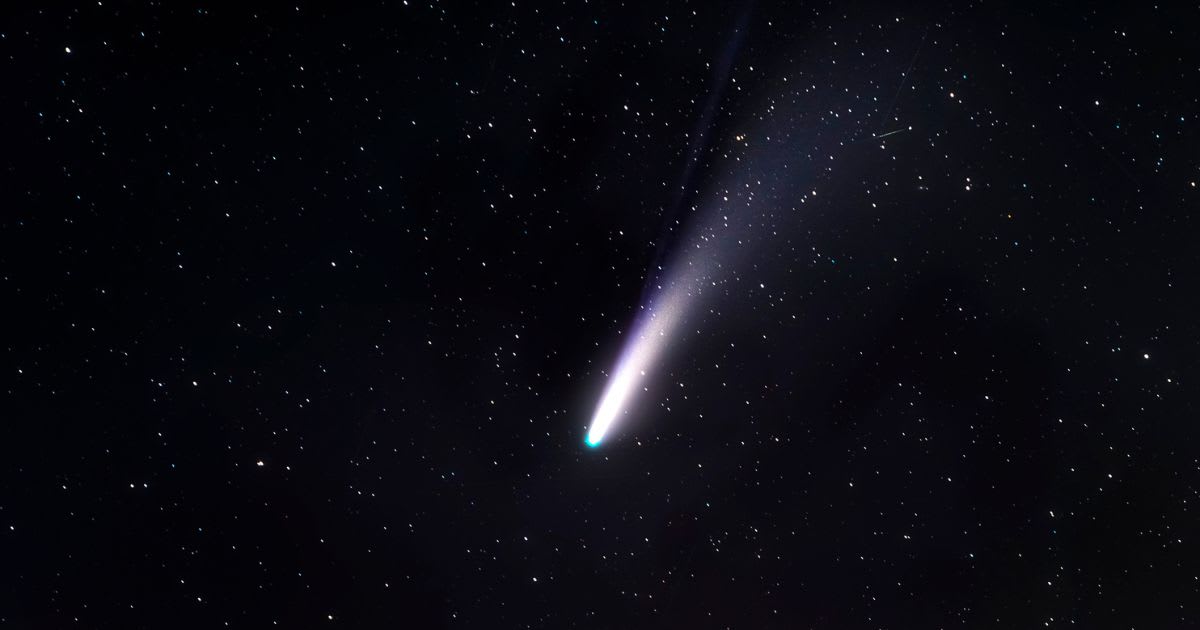
While the Tianma observations provided insight into the comet's recent activity, Comet 12P/Pons-Brooks is now positioned within the constellation of Lupus, approximately 1.07 billion kilometers from Earth, and holds an estimated visual magnitude of 21.36, per Sky Live. For future stargazers, its next notable pass will be far in the future: Comet 12P/Pons-Brooks is projected to make its closest flyby to our planet on Wednesday, August 31, 2095, at a distance of approximately 224.2 million kilometers (1.498 Astronomical Units).
More on Starlust
Halley's Comet will return in 2061—for 1980s kids, it will be a full-circle moment
Astronomers confirm a halley-type comet's water is a near-perfect match for Earth's oceans