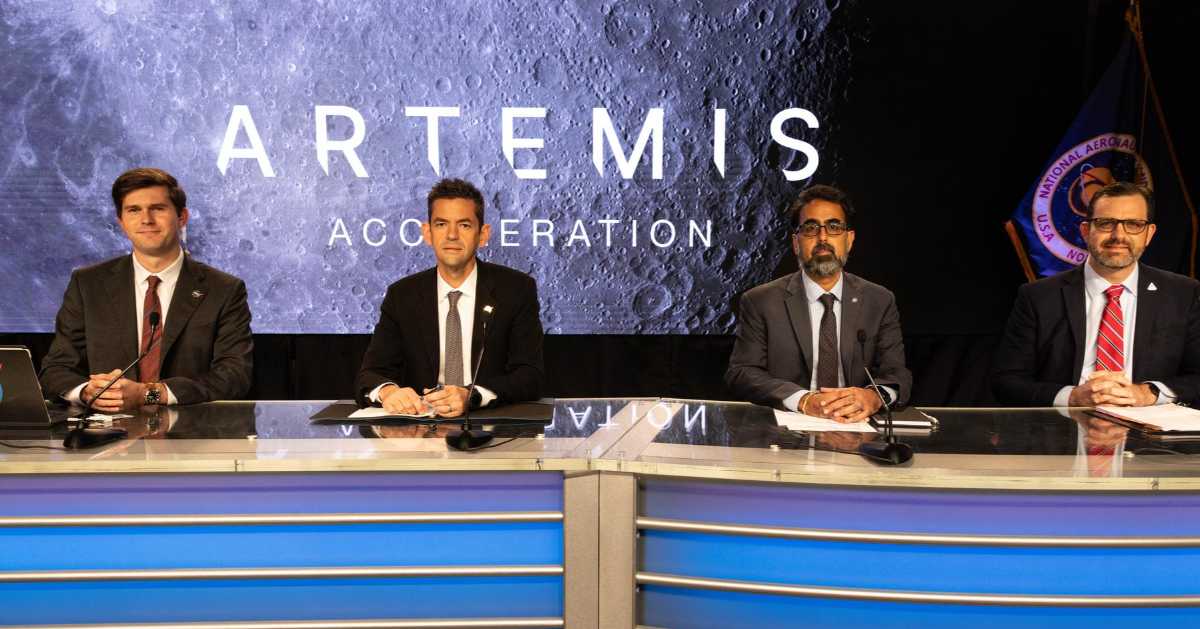
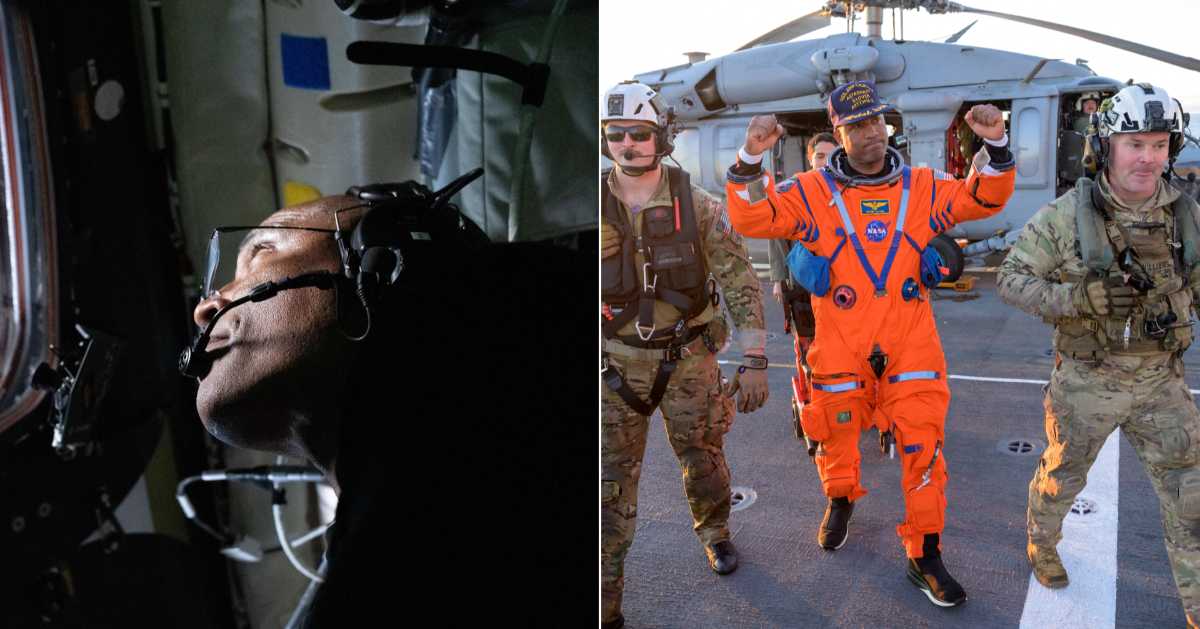
Artemis II: NASA sets the date for second wet dress rehearsal, continues to eye March launch window
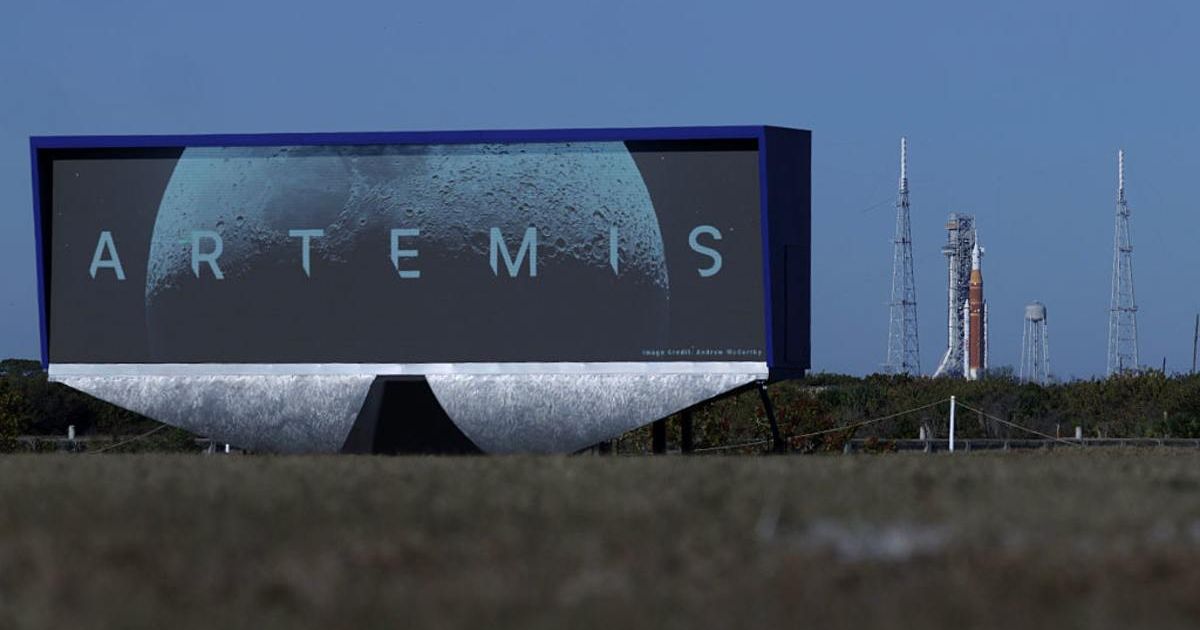
NASA has finally set a date for the second wet dress rehearsal ahead of the Artemis II liftoff, with launch controllers set to arrive at their stations at NASA’s Kennedy Space Center in Florida at 6:40 pm EST on Tuesday, February 17, 2026. The test, targeting tanking operations on Thursday, February 19, 2026, follows a partial fueling exercise that took place on February 12, 2026, as part of a 'confidence test.'
We're targeting Thursday, Feb. 19, as the tanking day for the second fueling test ahead of our Artemis II test flight around the Moon. A formal launch date will not be set until after a successful rehearsal and data reviews. Details: https://t.co/QWuBLYzKdk pic.twitter.com/eZo8RgI0AL
— NASA (@NASA) February 16, 2026
It revealed a filter located in ground support equipment to be the reason for the restricted flow of liquid hydrogen to the Space Launch System (SLS) rocket’s core stage. Teams were quick to address the issue over the weekend by replacing the filter and purging the fuel lines so as to ensure readiness for proper environmental conditions at Launch Pad 39B. Contrary to previous reports, NASA has now stated that a dedicated crew will also conduct closeout operations to practice closing the Orion capsule hatches.
Last week's wet dress rehearsal test for the Artemis II mission brought teams one step closer to liftoff.
— NASA Artemis (@NASAArtemis) February 9, 2026
Since the test, technicians have replaced two seals in the area where operators found a hydrogen leak. pic.twitter.com/qXfUYg1J7A
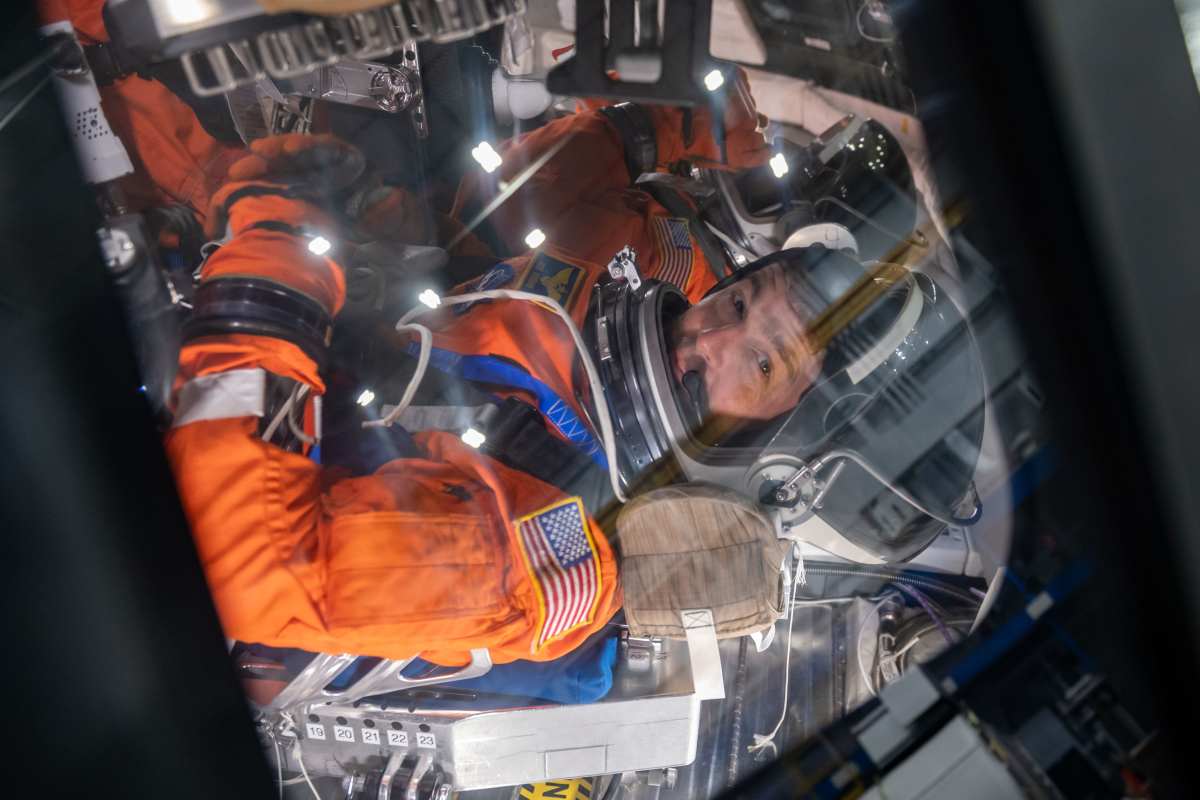
The countdown, spanning nearly 50 hours, will culminate in a simulated launch at 8:30 pm on Thursday. A four-hour window has been made available for the simulated launch operations to be completed. Launch controllers will perform two terminal countdown runs, which cover the final 10 minutes of the countdown. Once the terminal countdown begins, they will pause at T-1 minute 30 seconds for up to three minutes, after which they will continue until T-33 seconds. The clock will then be recycled back to T-10 minutes for a second run, ending with just 30 seconds left on the clock, which will then lead to the end of the sequence. The Artemis II crew, consisting of NASA astronauts Reid Wiseman, Victor Glover, and Christina Koch, alongside Canadian Space Agency astronaut Jeremy Hansen, will not be participating in this wet dress rehearsal.
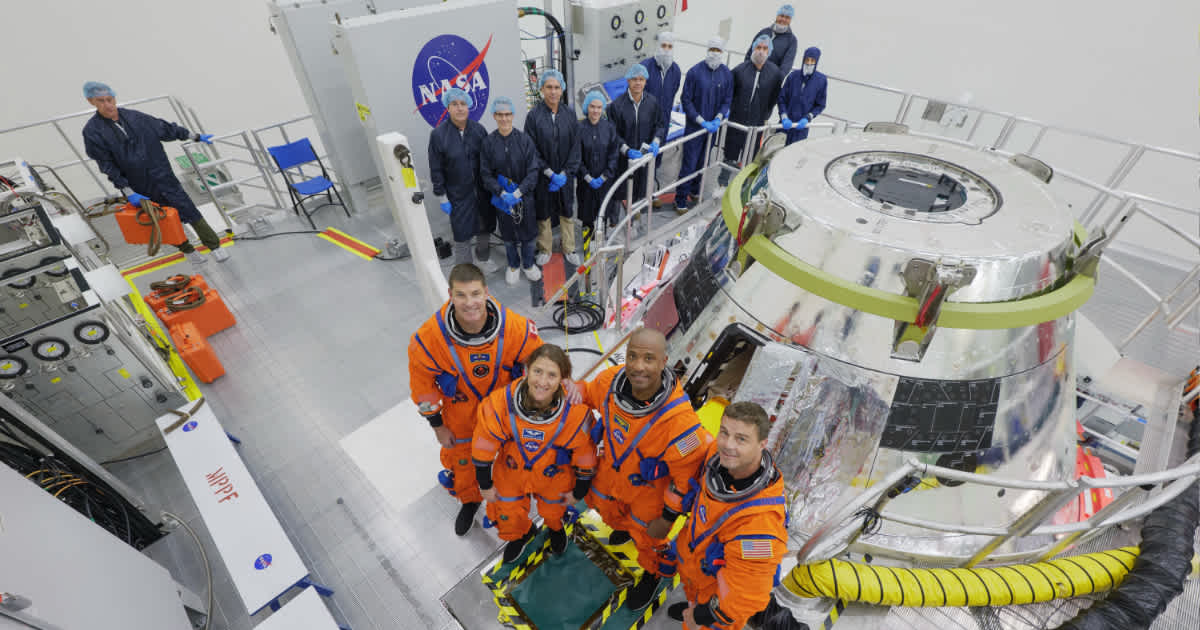
This second rehearsal will add to the data collected from the first one, which was conducted on February 3, 2026, in the middle of some of the coldest days Florida had experienced in years. Engineers had noticed increased hydrogen concentrations near the tail service mast umbilical (TSMU) fueling lines at the base of the rocket and paused operations 5 minutes before the end of the terminal countdown. Shortly after this, NASA revealed that a couple of seals around the fueling lines had been replaced. Now that these measures have been put in place and the aforementioned confidence test is believed to have yielded positive results, a complete sequence can take place to mimic the actual launch.
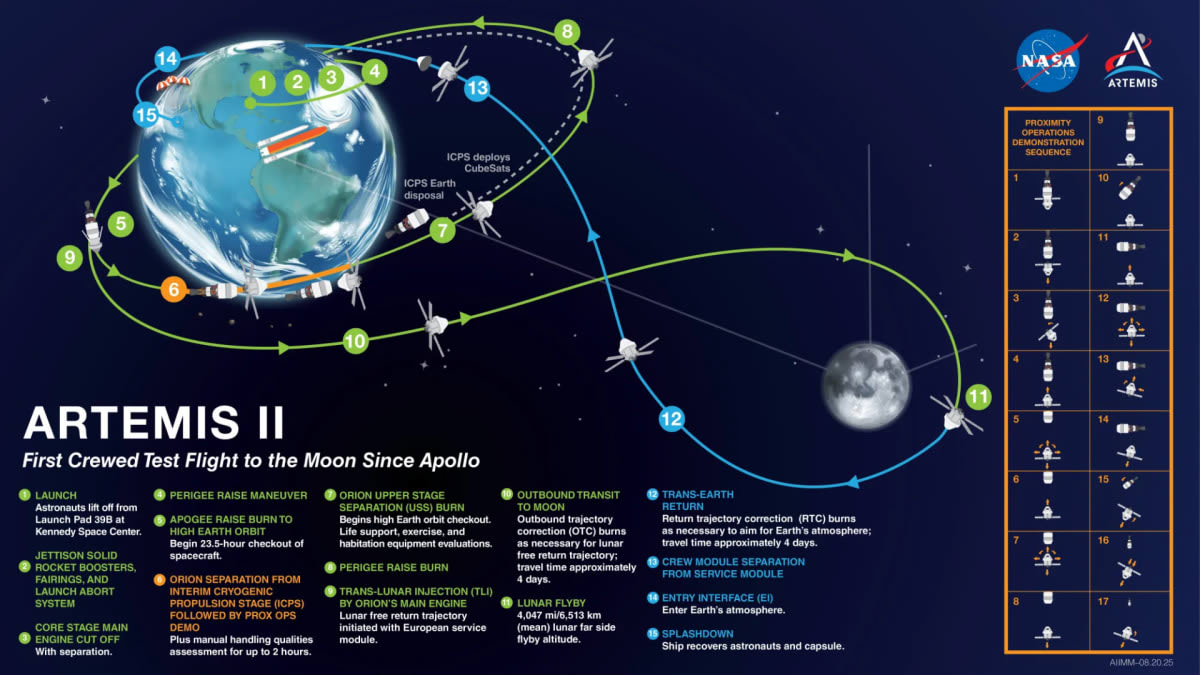
For Artemis II, NASA had earlier shifted from a February launch window to March opportunities in light of the findings from the first wet dress rehearsal. While mission managers have expressed the possibility of a launch as early as March 6, 2026, confirmation of the actual launch window remains contingent on the review of the data gathered and the success of the second wet dress rehearsal. As stated by the agency, this deadline should provide ample time for teams to make their conclusions after data analysis and prepare the rocket and its many systems for launch operations.
In some encouraging news for spaceflight enthusiasts, NASA has also announced that it will set up a separate feed with more camera angles for the tanking operations, besides the ongoing live stream of the rocket at the pad. Artemis II is an incremental step towards landing the first people on the Moon in over five decades with future Artemis missions, while it aims to carry its crew beyond the lunar far side on a flyby that will test systems aboard Orion that enable humans to live and work in it, amongst other mission objectives.
More on Starlust
All hands on deck: The international collaboration behind Artemis II's SLS rocket and Orion capsule
NASA's Artemis II mission: Why astronauts are quarantined ahead of launch