Artemis II mission: What's on the schedule in the final week of January
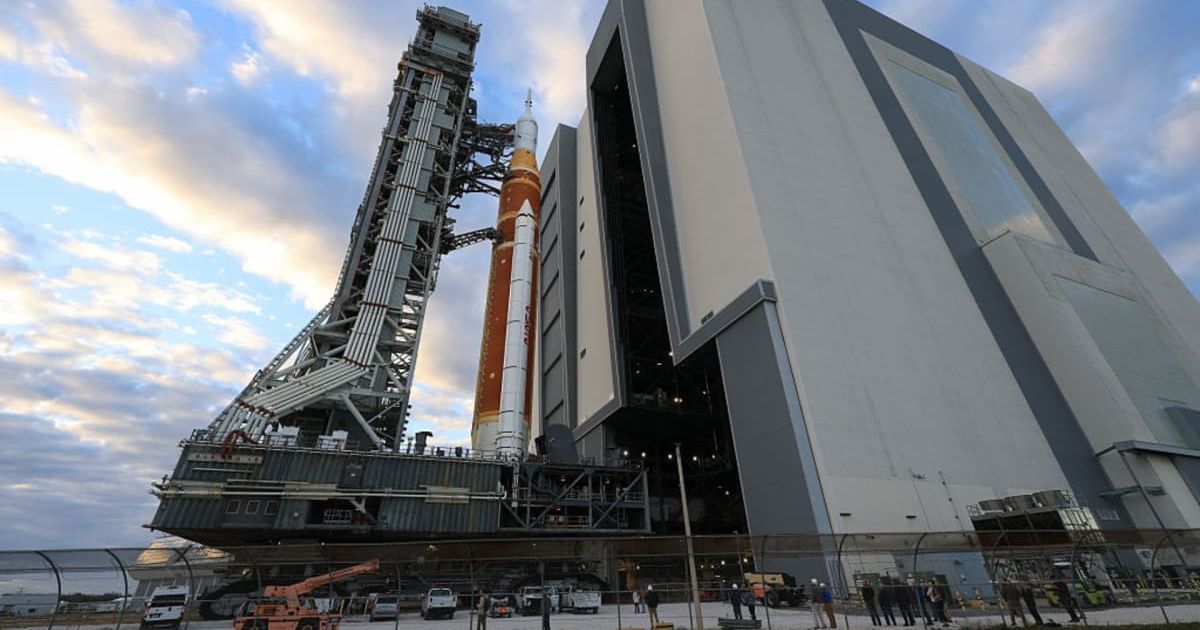
Ahead of the wet dress rehearsal and launch simulation on Saturday, NASA have their hands full.
NASA's Artemis II is rolled from the Vehicle Assembly Building at NASA’s Kennedy Space Center on January 17, 2026 in Cape Canaveral, Florida. (Cover Image Source: Getty Images | Photo by Joe Raedle)

With the historic crewed lunar flyby of Artemis II fast approaching, it is quite obvious that NASA has its hands full in preparation for one of the most powerful crewed rocket launches in history. The 322-foot-tall Space Launch System (SLS) was rolled into place on January 17, 2026, after a 4.2-mile steady journey from the Vehicle Assembly building to Launchpad 39B of the Kennedy Space Center at Cape Canaveral, Florida. Ever since, there have been plenty of activities in a long line of coordinated efforts for a successful mission going on at the launch site and across many ground-based teams’ locations. Let us take a closer look at them and know what is next at the top of NASA’s agenda for the last week of January. 
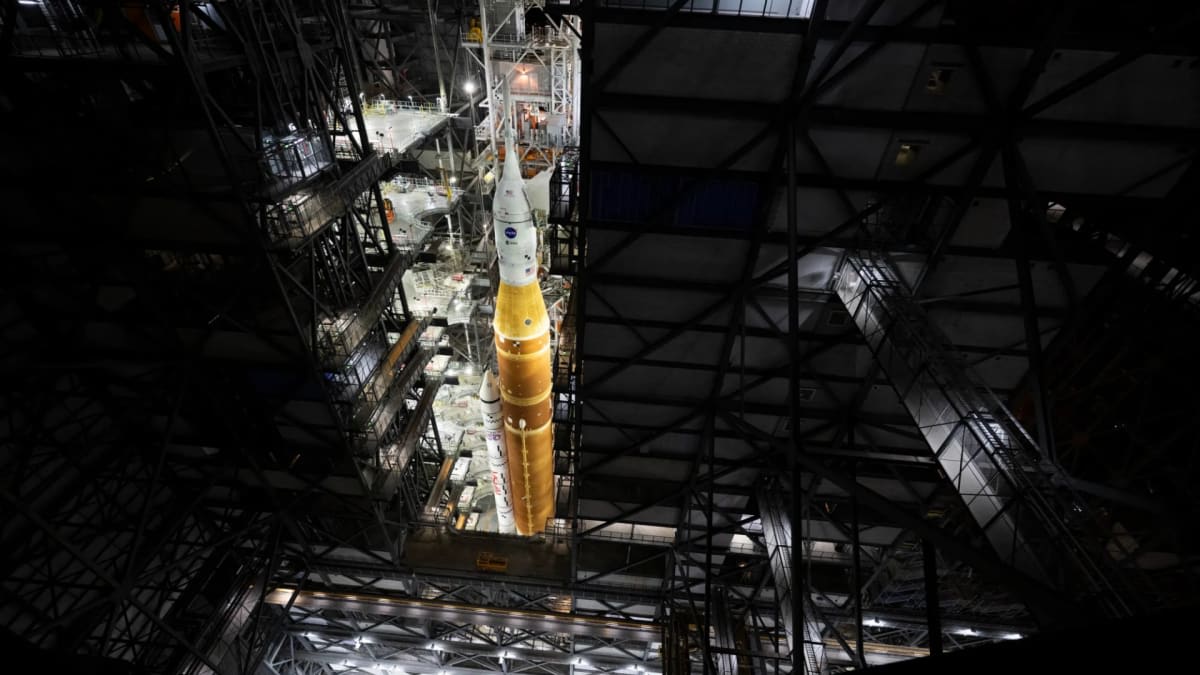
The mobile launcher with NASA’s Artemis II Space Launch System (SLS) rocket and Orion spacecraft secured to it is seen inside the Vehicle Assembly Building. (Image Source: NASA | Photo by Joel Kowsky)

Should all go to the NASA plan, Saturday, January 31, 2026, could mark the day the wet dress rehearsal takes place, followed by a simulated launch at 9 PM EST. This event is key to determining if the actual Artemis II launch will happen on or after February 6, 2026. The wet dress rehearsal will involve loading over 700,000 gallons of super-cold cryogenic propellants made up of liquid hydrogen and oxygen into the SLS rocket. This is so that launch teams can practice running countdowns to a minute and 30 seconds before lift off, execute holds and scrubs. They will then safely drain the fuel.
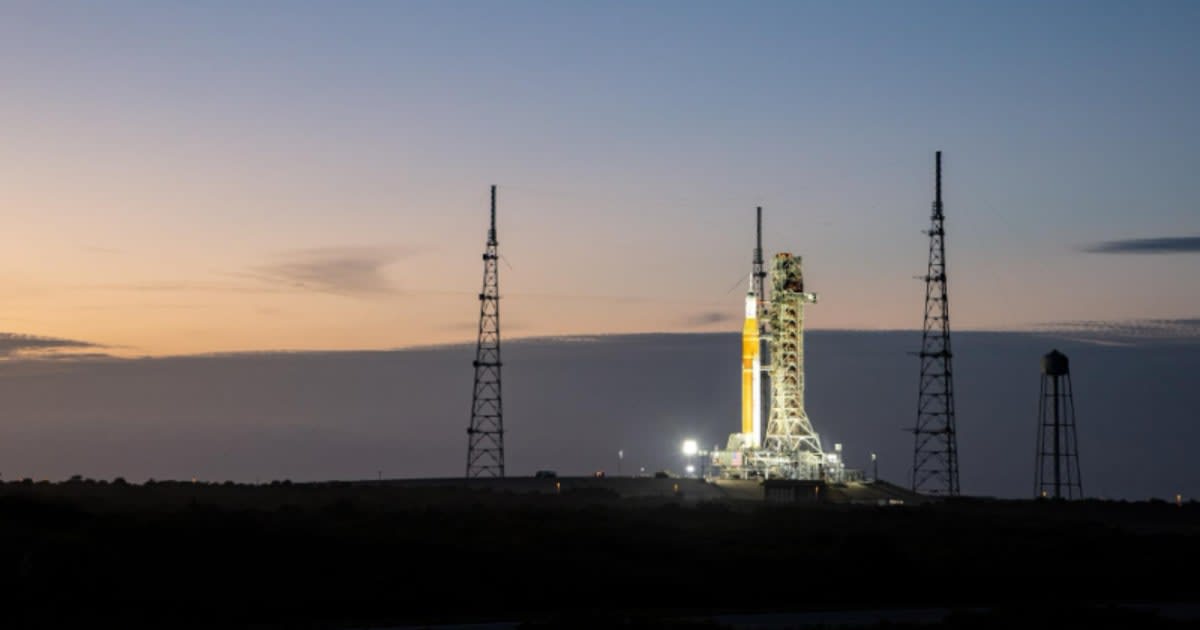
SLS rocket for Artemis II at launch pad 39B at the Kennedy Space Center in Florida (Image Source: NASA | Keegan Barber)

Special teams, called closeout crews, who secure Orion’s hatches before launch, will also go over their routines without the crew of astronauts onboard. Many of the procedures undertaken during Artemis I wet dress rehearsal back in 2022 will be improved upon, keeping in mind the presence of the crew onboard, such as the environmental control systems for the Orion capsule. 
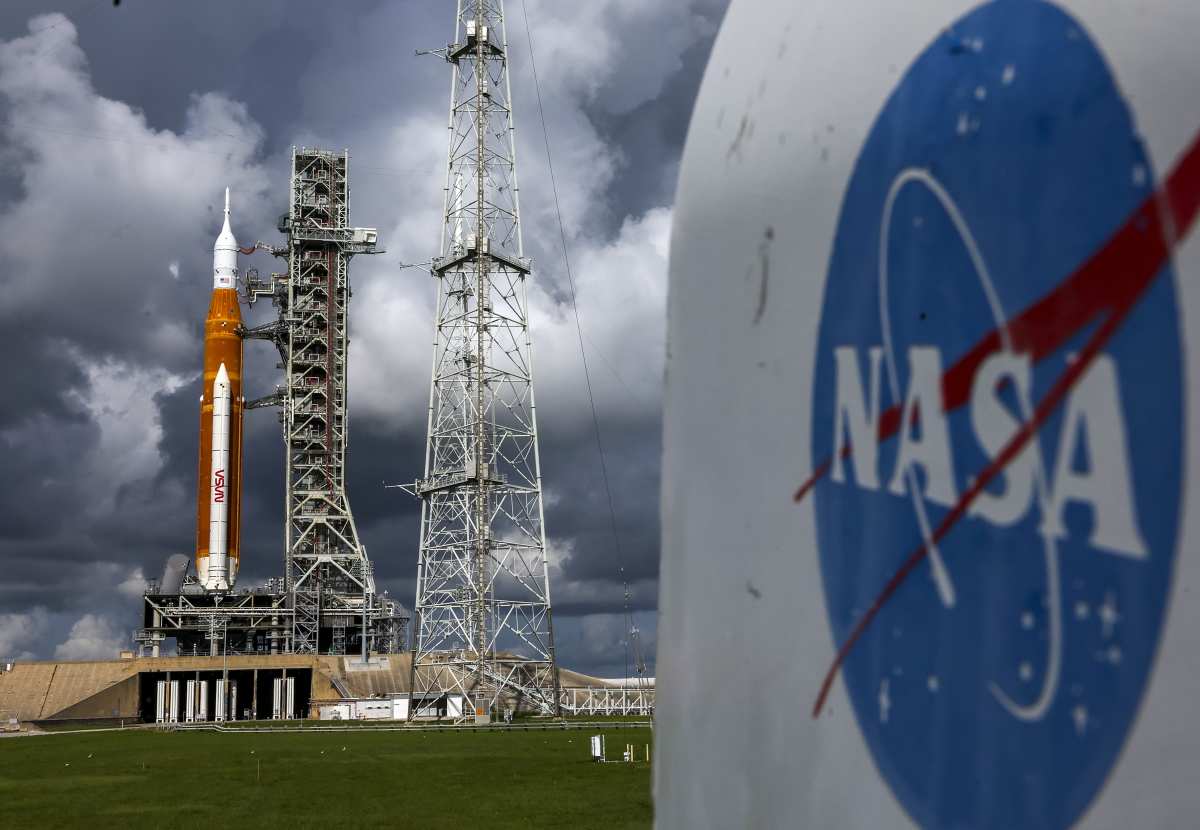
NASA's Artemis I rocket sits on launch pad 39-B at Kennedy Space Center on September 02, 2022, in Cape Canaveral, Florida (Cover Image Source: Getty | 	Kevin Dietsch
NASA's Artemis I rocket sits on launch pad 39B at Kennedy Space Center on September 02, 2022, in Cape Canaveral, Florida (Image Source: Getty | Kevin Dietsch)

Exactly a week prior to this, on January 24, 2026, Launchpad 39B’s perimeter was cleared of staff who weren't working on the mission. After this, attention was duly given to the rocket’s two solid-fuel boosters, the core stage with its four RS-25 engines, and pyrotechnic work was performed on the launch abort system at the top of the rocket. Many issues surrounding launch have also been identified and addressed, such as the emergency egress system and optimizing the level of minerals in potable water on board Orion for its passengers. While all of this is going on, teams are being put together within the US Navy and Air Force that will practice retrieving the astronauts from Orion post the splashdown in the Pacific, in what is known as the ‘just-in-time training’. 
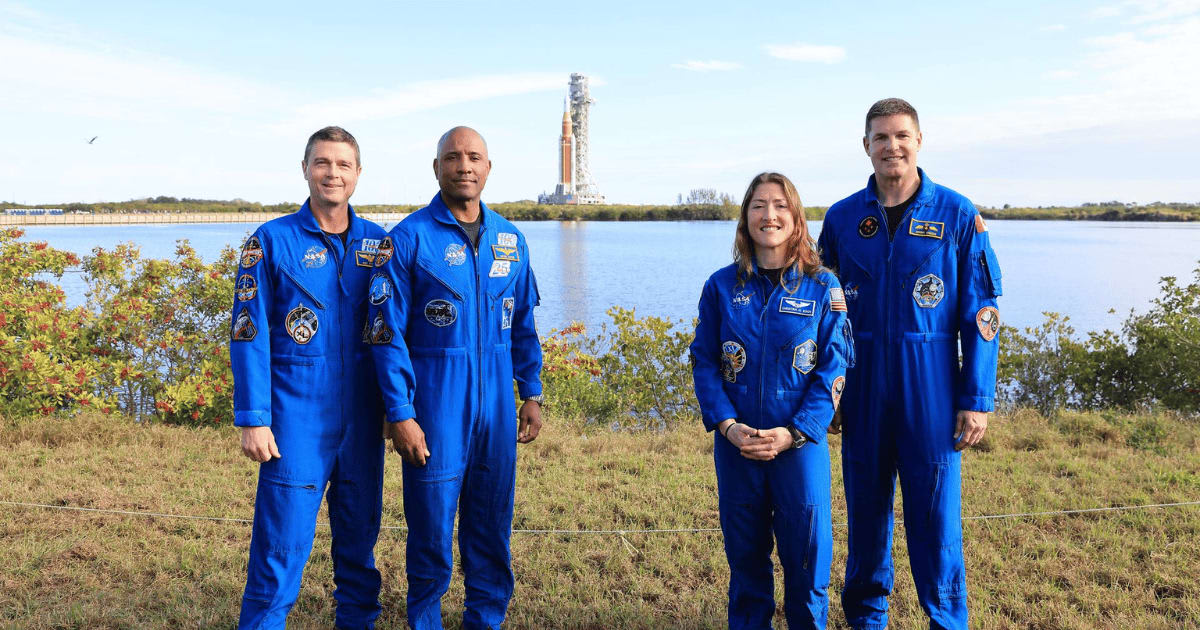
rtemis II NASA astronauts Reid Wiseman, commander; Victor Glover, pilot, and Christina Koch, mission specialist, and CSA (Canadian Space Agency) Jeremy Hansen, mission specialist, pose for a photograph during rollout of NASA’s Artemis II SLS (Space Launch System) rocket and Orion spacecraft to Launch Complex 39B at NASA’s Kennedy Space Center in Florida on Saturday, Jan. 17, 2026
NASA astronauts Reid Wiseman, Victor Glover, Christina Koch, and CSA Jeremy Hansen pose for a photograph during rollout of NASA’s Artemis II SLS rocket and Orion spacecraft to Launch Complex 39B on Jan. 17, 2026 (Image source: NASA)

While all this is going on, the crew has been in quarantine since late Friday so as to avoid contracting any illness. During this time, they must refrain from interacting in close quarters with others. This period usually starts 14 days before the launch date, and is officially known as the ‘health stabilization program’. The outcome of the wet dress rehearsal will determine if the crew will exit quarantine before the 14-day period for the historic launch expected to take place no earlier than February 6.

More on Starlust

NASA astronaut photographs Artemis II SLS rocket from International Space Station

NASA's Artemis II mission: Why the four astronauts won't land on the Moon
MORE STORIES

DARPA's Otter will orbit close to Earth and use thrusters that ionize air molecules into plasma.
7 hours ago
A new, previously hidden pathway, if used, will require 58.80 m/s less fuel than existing fuel-efficient routes to the Moon.
7 hours ago
Unlike a gentle splashdown in the Earth's oceans or even a touchdown on Mars, landing on the Moon comes with a set of challenges unlike any.
10 hours ago
Scientists could slow global warming with the aid of the atmospheric pollution generated by a surge in launches of space-bound rockets.
1 day ago
The delays are concerning as SpaceX intends to use Starship V3 as a lunar lander for Artemis IV.
2 days ago
Captured by the GBT, the feat demonstrates how ground-based radio telescopes can aid space missions.
3 days ago
The spacecraft will be docked at the ISS for a month before heading for splashdown with time-sensitive research and cargo.
3 days ago
The spacecraft is en route to a mysterious object and needs Mars' gravity to give itself a boost.
6 days ago
The 6:05 pm EDT target time on Friday comes after two weather-related delays earlier.
6 days ago
This should be seen as progress for NASA's Artemis program, which plans to use Starship.
7 days ago