Ancient texts suggest Arab scholars referenced supernovae way back in 1006 and 1181 AD
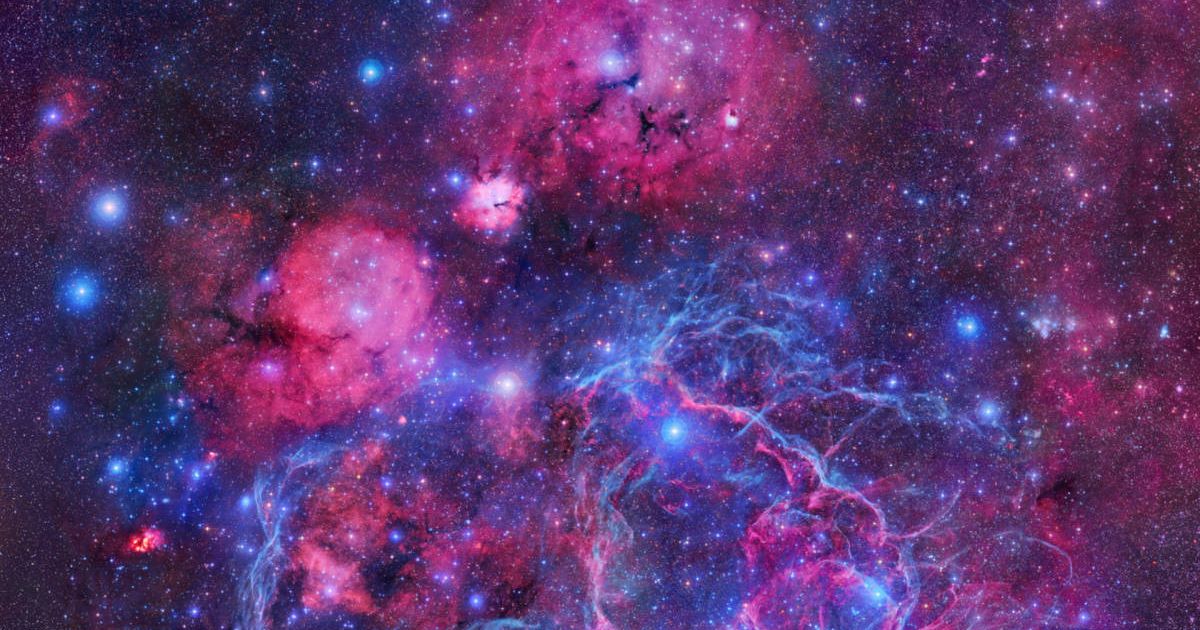
A new academic investigation suggests that previously unrecognized observations of the significant galactic supernovae SN 1006 and SN 1181 may be preserved within ancient Arabic writings.
PUBLISHED OCT 15, 2025
The thin strands of nebulosity are the remains of a star that underwent an enormous supernova explosion (Representative Cover Image Source: Getty | Digitized Sky Survey, Robert Gendler)

A recent academic investigation suggests Arabic writings may contain previously unrecognized observations of two significant galactic supernova events: SN 1006 and SN 1181. The findings, published in a new study, underscore the value of historical astronomical records, often compiled by meticulous observers in the Near and Far East, for confirming and elaborating on knowledge of past cosmic phenomena.
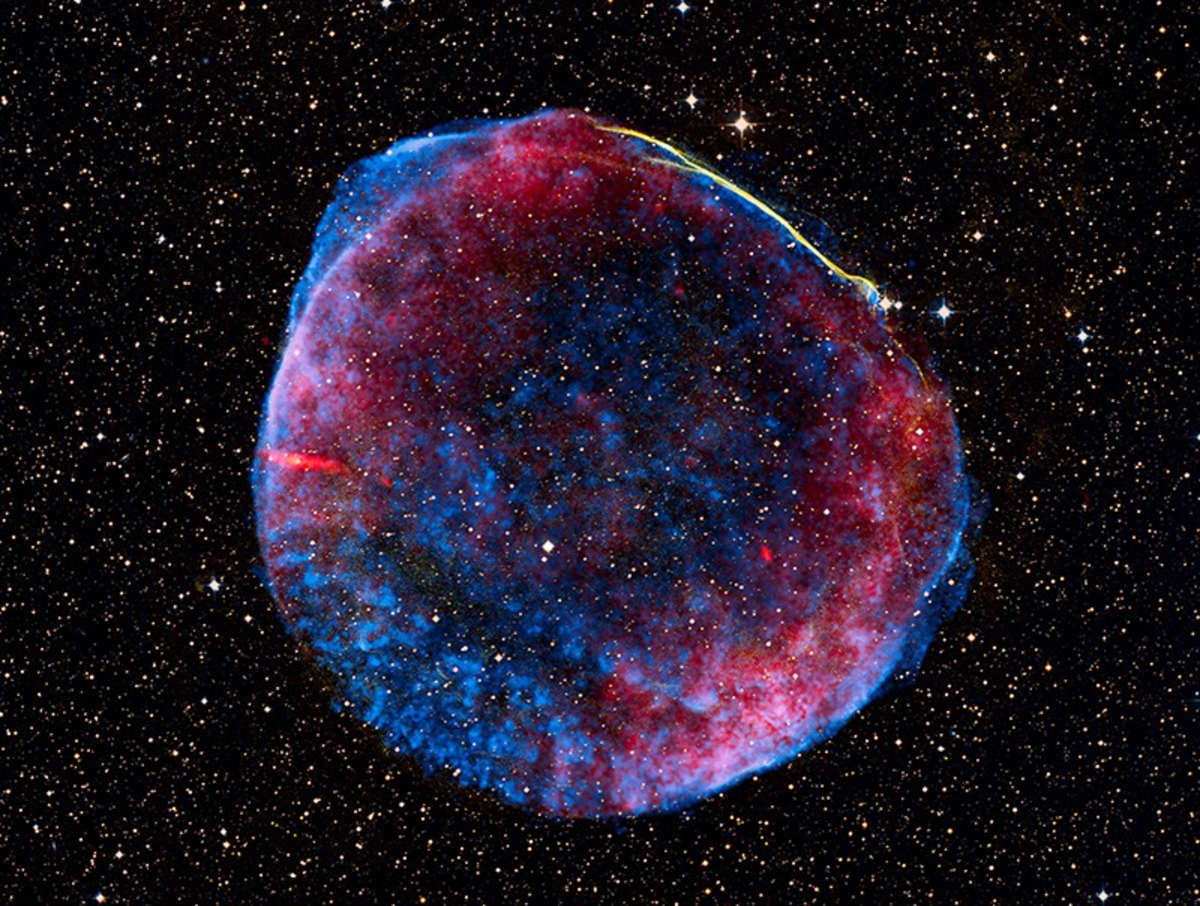
A new star, likely the brightest supernova in recorded human history, lit up planet Earth's sky in the year 1006 AD (Image Source: APOD NASA)

The study highlights a poem by Ibn Sanā’ al-Mulk, written around the time the 1181 AD supernova would have been visible. According to Universe Today, the text, praising the ruler Saladin, includes a striking line: "I see how everything on the surface of the Earth has increased in number thanks to your justice; now even the stars (anjum) in the sky have increased in number." The poem further describes the sky adorning itself with a new star, noted by Arab observers in the area of the modern-day Cassiopeia constellation.
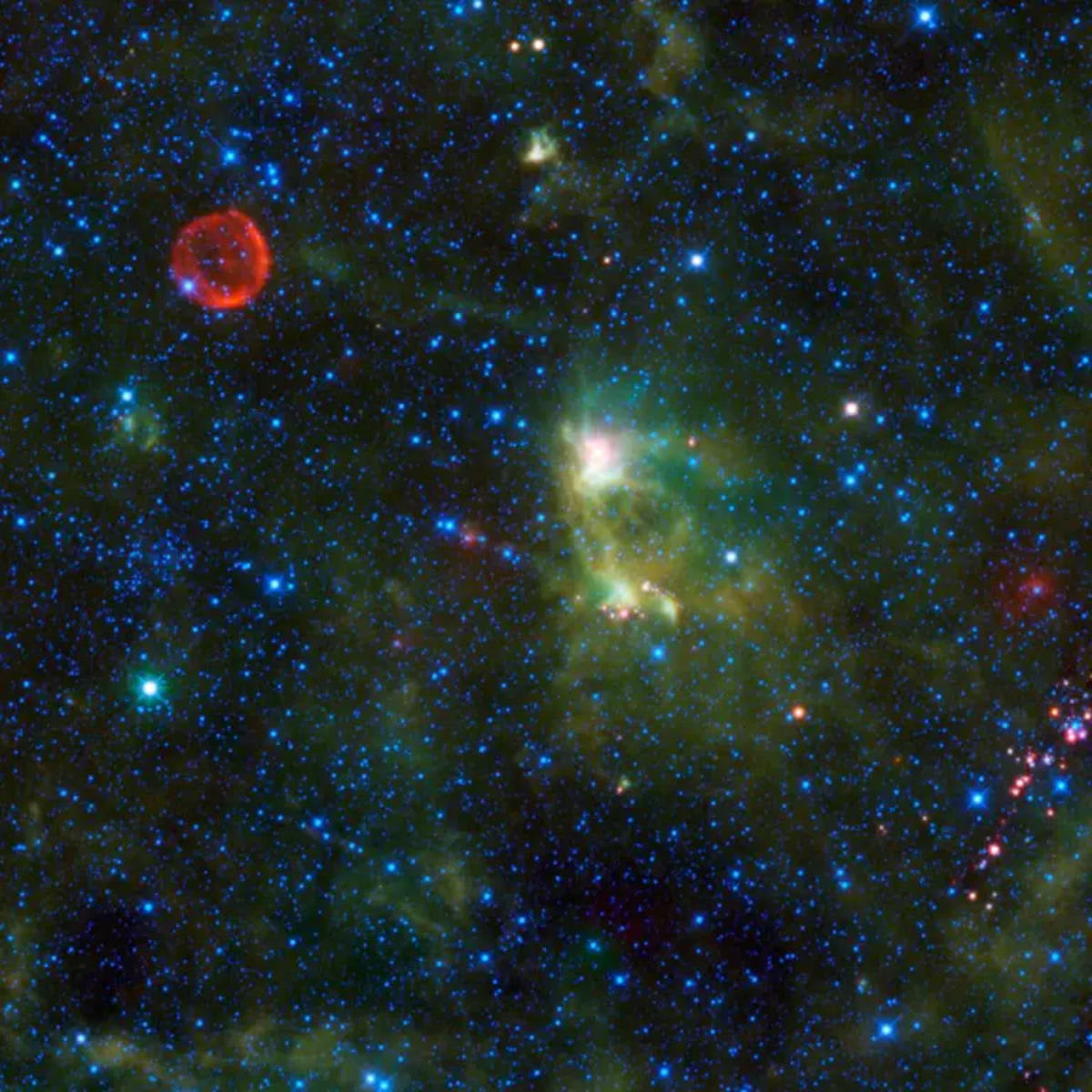
Tycho's Supernova, the red circle visible in the upper left part of the image, is SN 1572 is a remnant of a star explosion (Image Source: NASA)

Astronomers note the importance of this potential new documentation for SN 1181, which until now was primarily known through Chinese and Japanese records. One researcher suggests the poem's context, likely recited for Saladin in Cairo in 1181-1182, places the observation precisely when the supernova was at its peak. This Arabic description may also help resolve the ongoing debate over the remnant's location and its unusual classification as a potential Type Iax supernova, a rare explosion that may leave behind a so-called 'zombie star.'
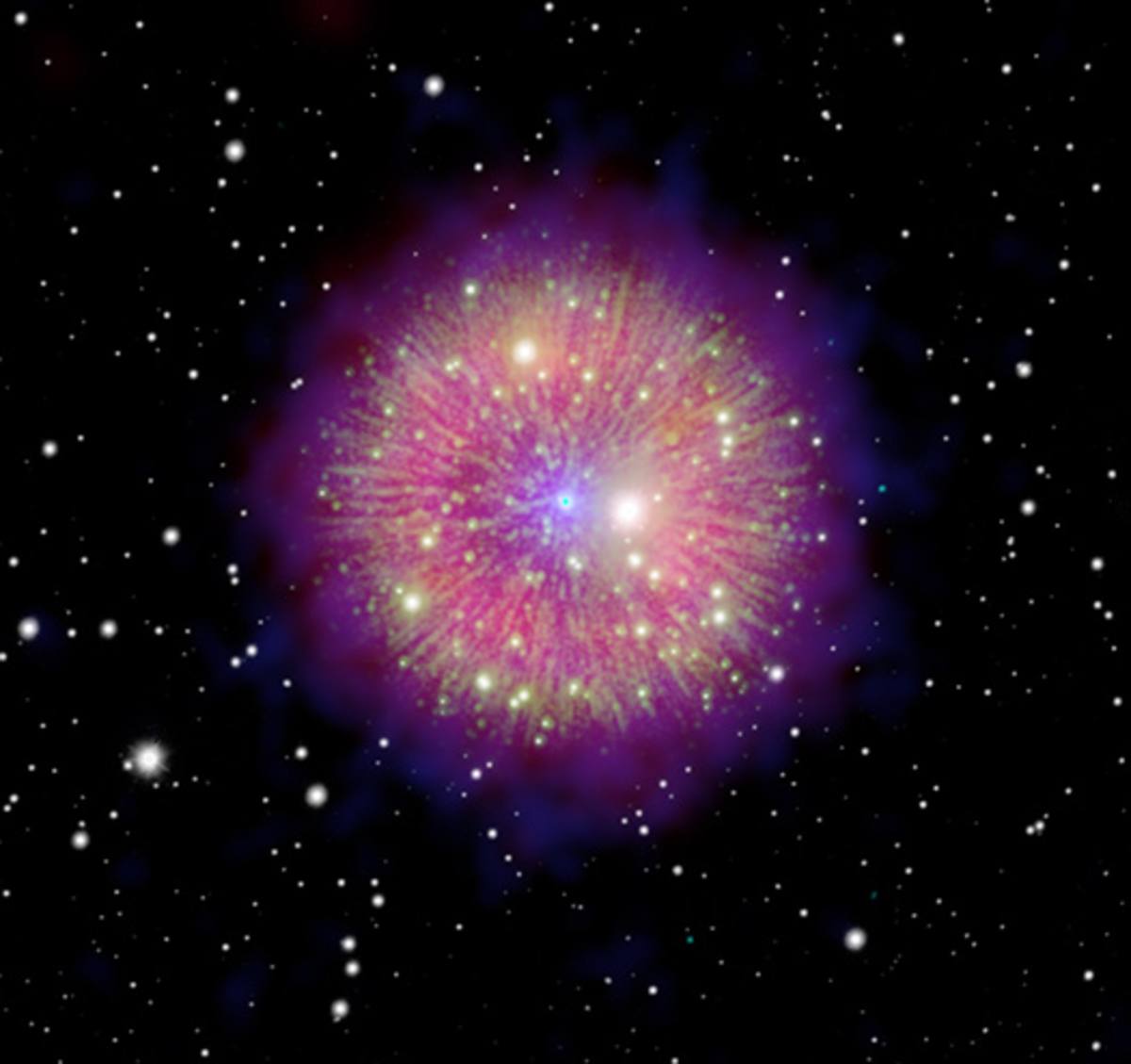
This is a composite image of SNR 1181, the remains of an explosion hundreds of years ago caused by the merger of two stars (Image Source: NASA/CXC/U. Manitoba)

The research also cites a much later account by 14th-century historian Ahmad ibn ‘Alī al-Maqrīzī, describing a "star with a tail" that appeared during the rebellion of Abū Rakwah. The object, which “shone like the Moon with brightness” and “remained some months,” is consistent with the famous Supernova of 1006 (SN 1006).

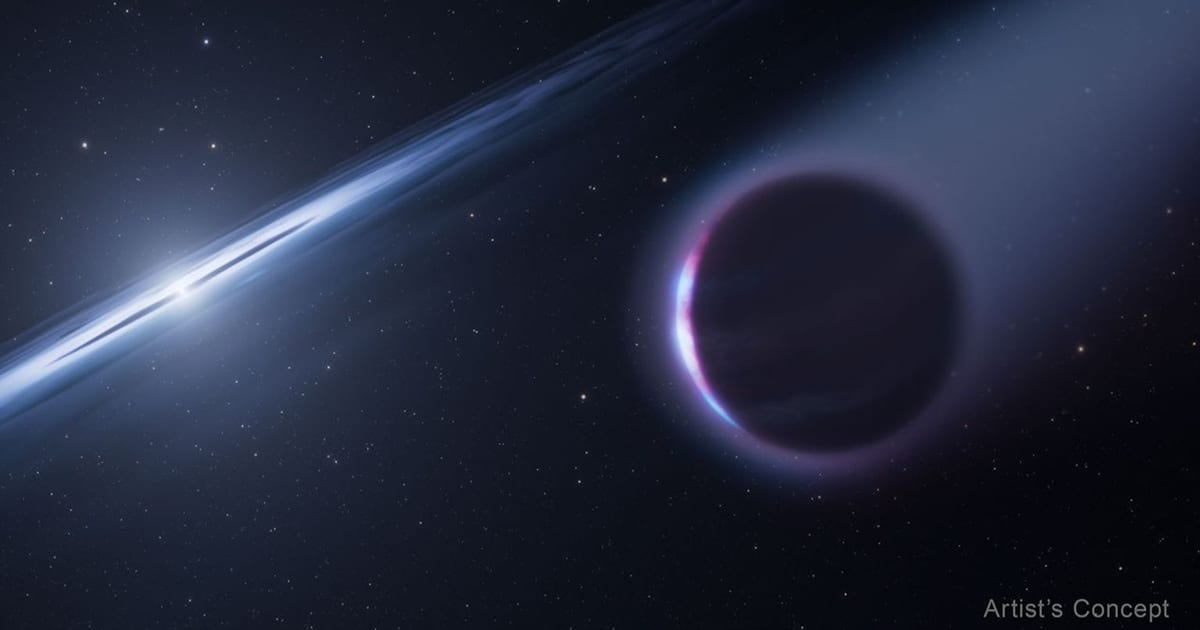
This artist’s impression illustrates the supernova remnant SNR 0509-67.5 (Image Source: ESO | M. Kornmesser)
This artist’s impression illustrates the supernova remnant SNR 0509-67.5 (Representative Image Source: ESO | M. Kornmesser)

While the description could potentially fit a comet, the sheer duration and contemporary use of the term 'kawkab' (star/planet/comet) in other Arab texts for SN 1006 strongly support the supernova interpretation. This immense stellar explosion, which reached an estimated magnitude of −7 and was bright enough to be seen in the daytime, was highly visible across the southern hemisphere but largely missed by European observers due to its low southern declination.

The text referencing SN 1181 was a serendipitous find, with a researcher re-dating the poem and then connecting it to the supernova. Similarly, the SN 1006 account was found by a separate scholar. These discoveries underscore the often-overlooked depth of ancient astronomical observation, particularly among Arab and Oriental scholars.
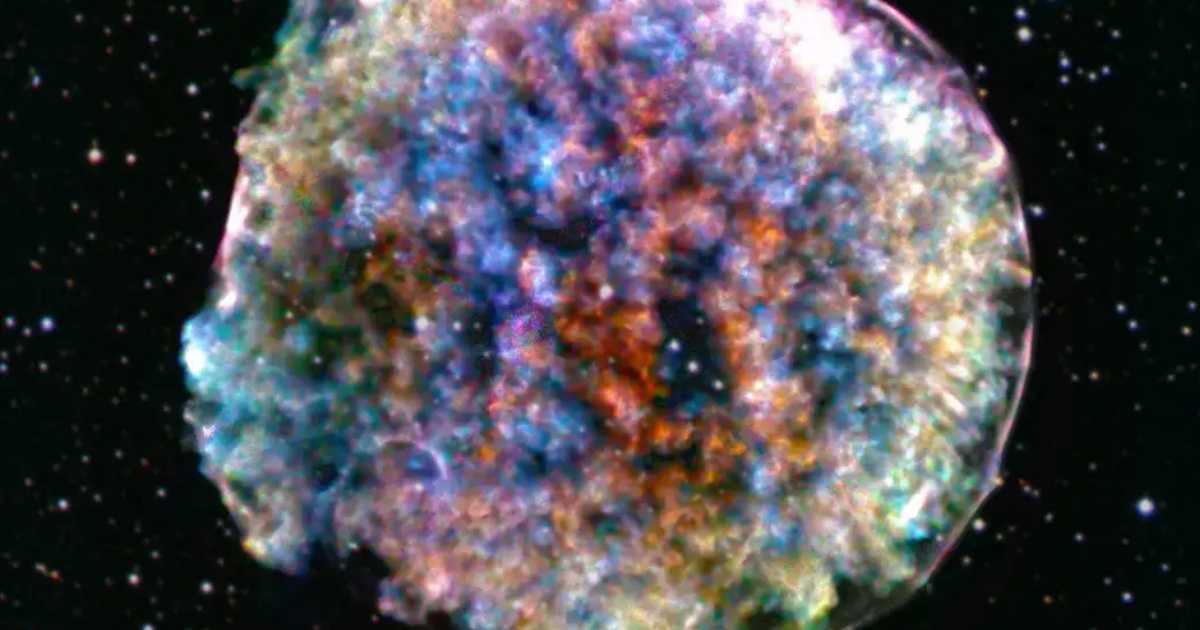
In 1572, Danish astronomer Tycho Brahe was among those who noticed a new bright object in the constellation Cassiopeia (Cover Image Source: NASA/CXC/RIKEN & GSFC | T. Sato et al)
In 1572, Danish astronomer Tycho Brahe was among those who noticed a new bright object in the constellation Cassiopeia (Representative  Image Source: NASA/CXC/RIKEN & GSFC | T. Sato et al)

Experts emphasize that the continued exploration of ancient texts remains a crucial frontier for both historical and modern astrophysics, as supernovae play a vital role in recycling heavy elements back into the cosmos. While the world awaits the next visible galactic supernova, researchers will continue to mine the past for critical data on these powerful stellar explosions.

This convergence of ancient scripture and astronomical observation reminds us that the human quest to understand the universe is as old as civilization itself, perpetually linking our deepest spiritual inquiries to the grand scale of the cosmos.

More on Starlust

Astrophysicists unveil new protocol to capture supernovae mere hours after they explode
Scientists created largest dataset of Type Ia supernovae, discovered that dark energy might be evolving over time

MORE STORIES

The three interstellar objects are unique, billion-year-old fragments and kinetic artifacts collected from countless extrasolar systems across the galaxy.
3 hours ago
English physicist and science communicator Professor Brian Cox draws parallels between the journey of 3I/ATLAS and that undertaken by humanity.
7 hours ago
Conspiracy theories can be put to rest as new evidence from the MeerKAT radio telescope has emerged.
1 day ago
Consecutive X-class solar flares have set the stage for severe space weather to strike on November 11 and 12.
1 day ago
The observation, made on November 9, unveiled a shockingly complex jet system that overshadows prior data, immediately casting doubt on the comet's origin.
1 day ago
The object, discovered by Gennady Borisov on November 2, 2025, quickly became the focus of speculation amid the curiosity surrounding 3I/ATLAS.
2 days ago
To assess Martian viability, scientists subjected yeast cells to Mach 5.6 shock waves and the corrosive perchlorate salts common on the Red Planet.
6 days ago
These impacts pack surprising power; a mere 11-pound meteoroid can blast a 30-foot (9-meter) crater, ejecting 75 metric tons of lunar soil.
6 days ago
Sunspot AR3474 detonated with an X1.8 solar flare on November 4, sending an ultraviolet wave silencing South America's shortwave radio communications.
7 days ago
Observations were maintained using imagery from solar imagers on the STEREO-A, SOHO, and GOES-19 missions near the Sun.
Nov 3, 2025