Ancient meteorite found in Antarctica reveals gravity wasn't the only thing that helped form the Sun
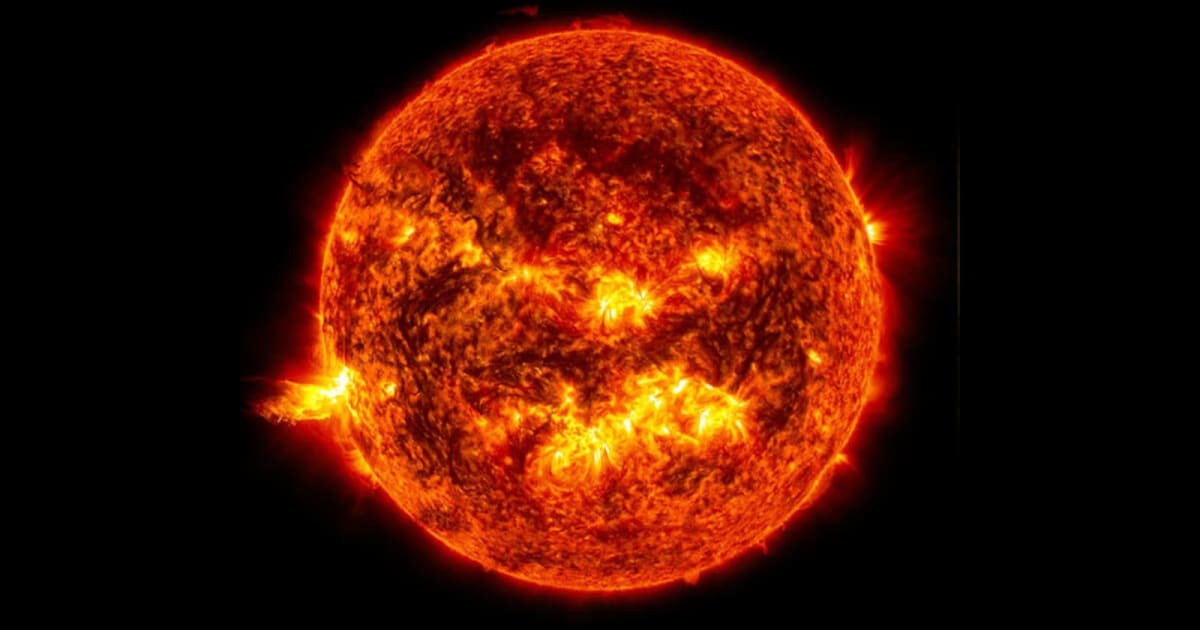
Modern theories suggest that the formation of the Sun and the early solar system was mainly driven by gravity, but scientists have found another important factor that had been overlooked. According to a new study led by scientists from the Massachusetts Institute of Technology (MIT), magnetism played a huge role alongside gravity in the birth of the Sun and the eventual formation of planets. In their paper published in the journal Proceedings of the National Academy of Sciences, the team revealed that they found traces of ancient magnetism in samples of a meteorite designated DOM 08006, which was discovered in 2008 from a mountain range in east Antarctica.
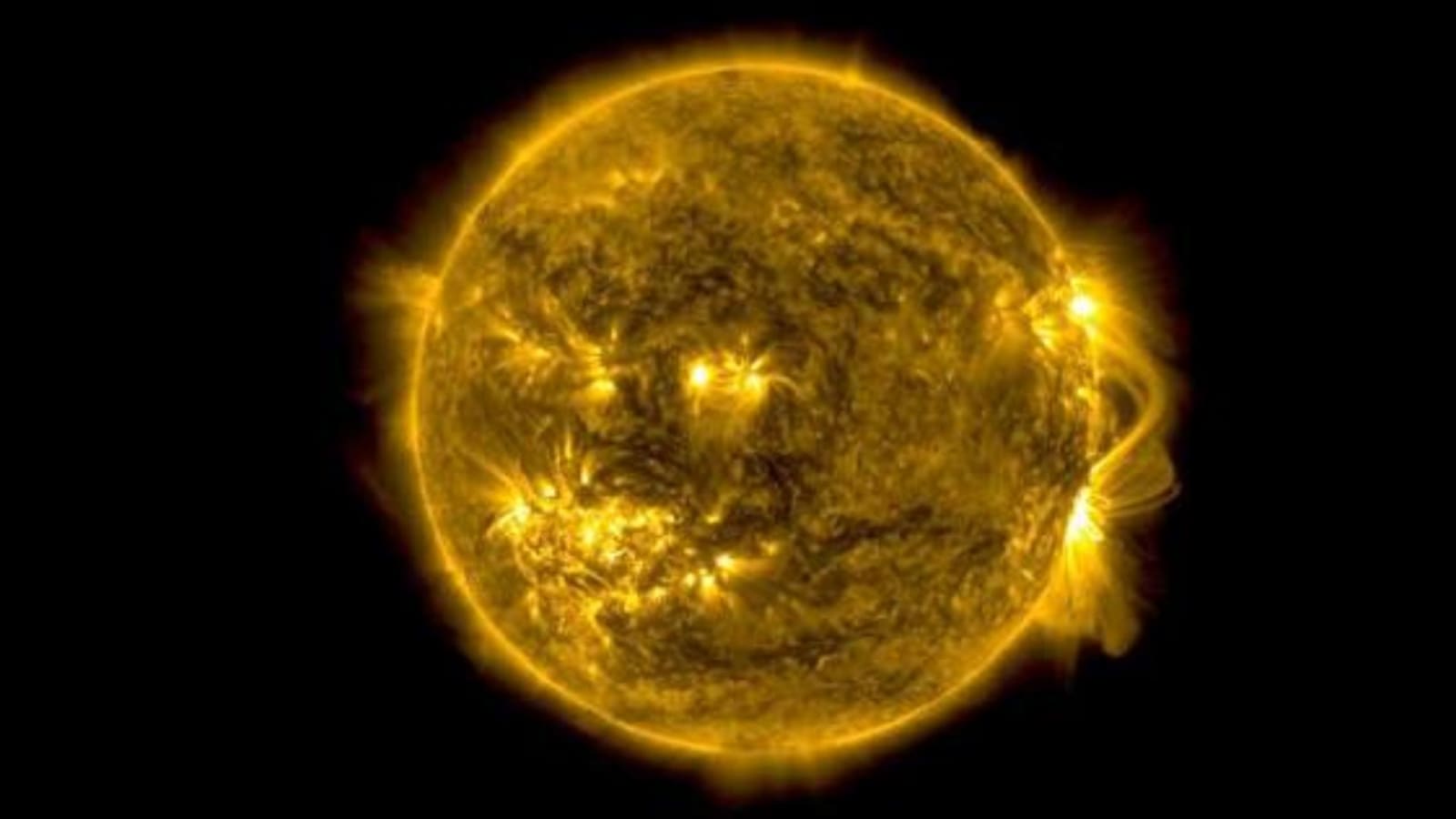
Existing theories state that the solar system was initially a giant cloud of gas and dust—the solar nebula—and that gravity caused it to collapse inward. This solar nebula flattened into a spinning disk with most of the material collected at the center. Due to enormous pressure and temperature, the central mass ignited to become the Sun, and the remaining dust circulating it formed the protoplanetary disk which gradually gave birth to the planets. All this is said to have started approximately 4.6 billion years ago.
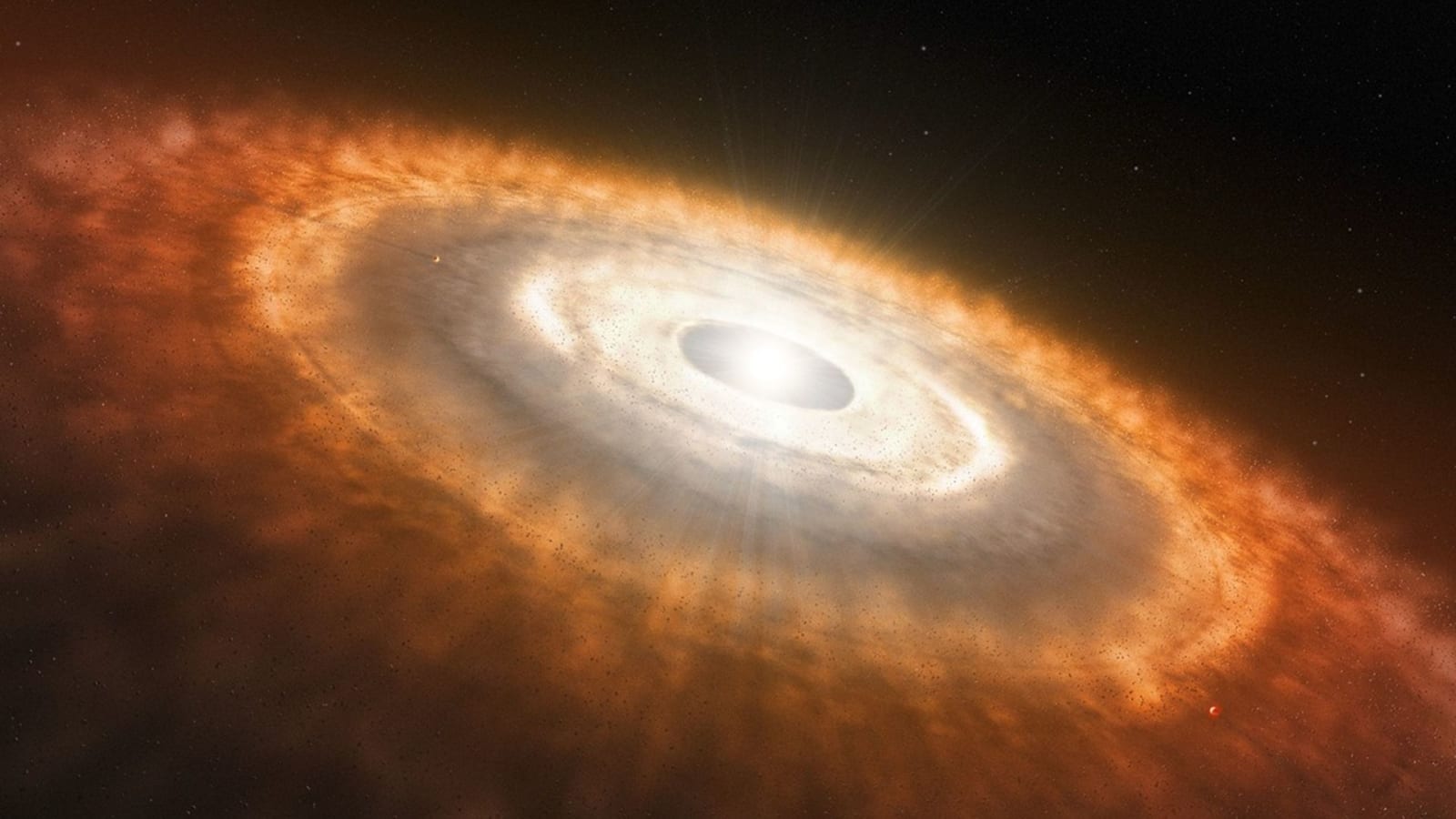
“This transition, from a spherical cloud to a protoplanetary disk, is one of the most significant events in all of solar system history,” Benjamin Weiss, the Robert R. Shrock Professor of Earth and Planetary Sciences at MIT, said in a statement. “It has long been theorized that gravity caused this, but our measurements show magnetism likely played a role.”
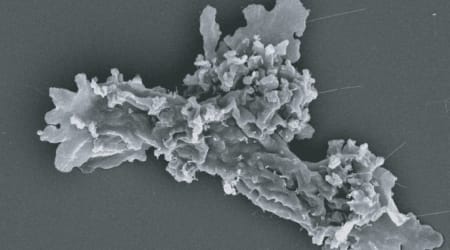
For this study, the researchers decided to examine the meteorite DOM 08006, which formed billions of years ago. While the meteorite itself is ancient, it contains microscopic structures that are the oldest known solar system solid materials. Miraculously, even billions of years later, the meteorite’s composition and minerals have remained intact. “Other meteorites went through many different processes over this 4.5 billion-year history,” Weiss says. “They were formed in the solar nebula, then added to bodies with water, then got destroyed, moved to the asteroid belt, and then landed here. But somehow, DOM has experienced less alteration than any other meteorite.”
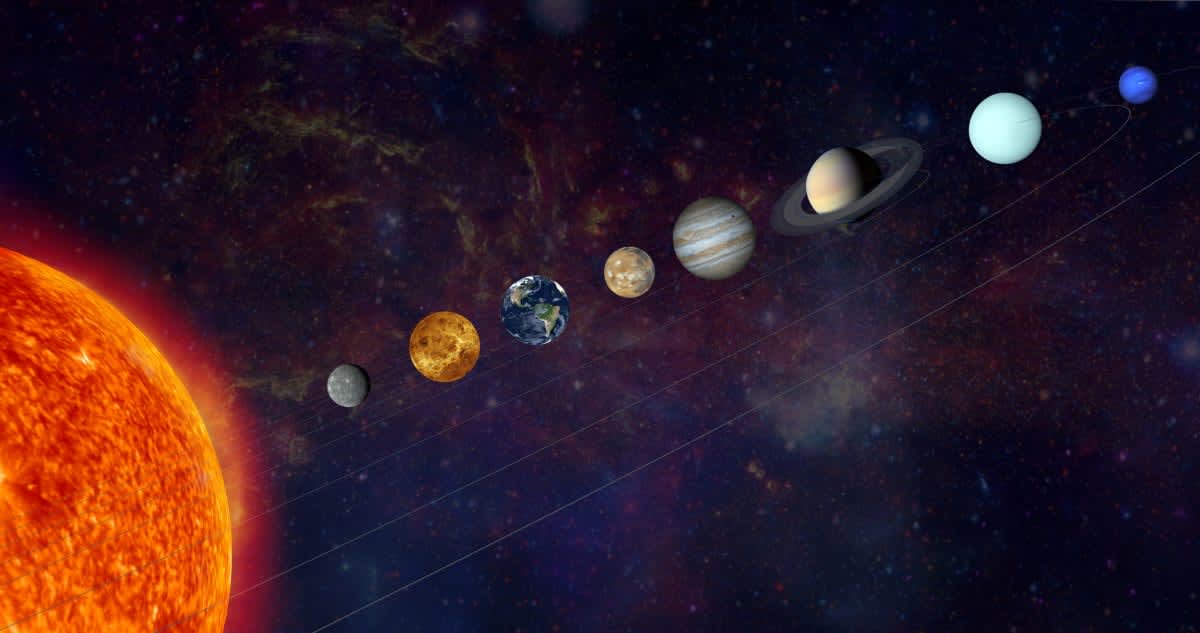
The role of magnetism in the solar system’s formation was uncovered by the presence of microscopic grains called calcium-aluminum-rich inclusions (CAIs) in the meteorite samples. These CAIs, which formed during the solar system's first 200,000 years, were found to contain magnetic minerals such as iron. Based on the measurements, scientists estimate that a magnetic field of about 150 to 600 microteslas—about three to 12 times greater than the Earth’s present-day surface magnetic field—existed in the early solar system.
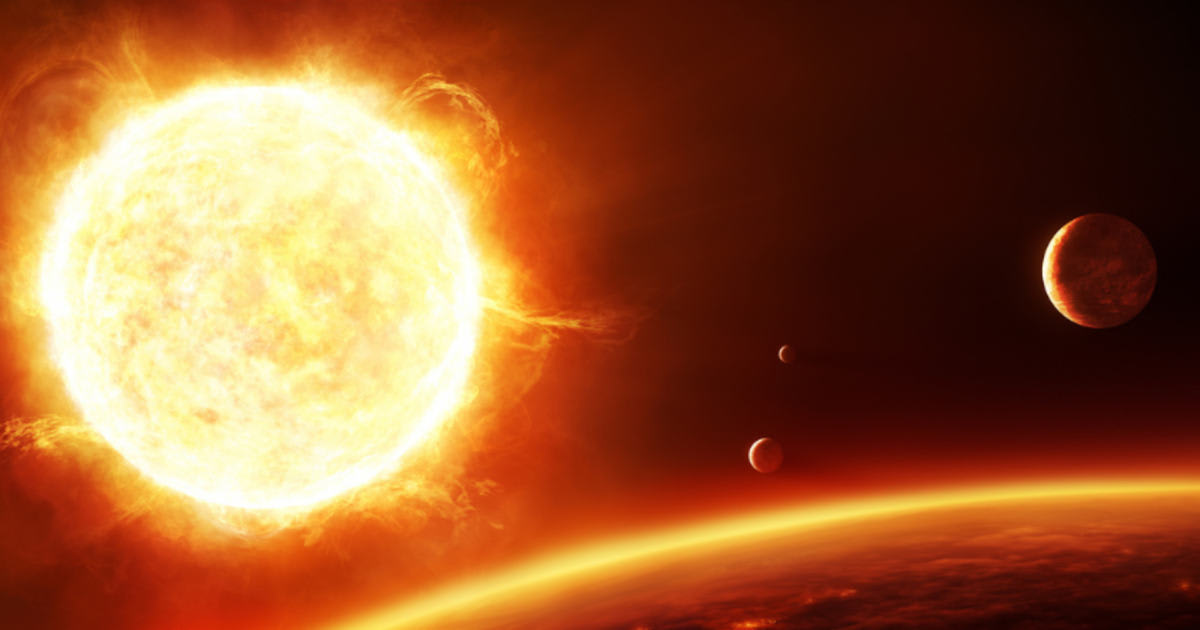
Cauê Borlina, who led the study as an MIT graduate student and is now an assistant professor at Purdue University, said that the ancient magnetic field helped pull gas from the protoplanetary disk inward toward the Sun. “Gravity is also playing a role. But we are now showing that, if you want to fully understand how the Sun and planets formed, you should include magnetic fields in the ingredients that make them,” Borlina said. Interestingly, the researchers had previously discovered evidence of a magnetic field as early as 2 million years after the solar system’s formation, but they thought the Sun was already born by that point. The new study proves magnetism was involved much further back in time, actively shaping the birth of the Sun itself.
More on Starlust:
Scientists discover the Sun has more silver than previously estimated
Anatomy of a star: What keeps the Sun shining for billions of years