Where is comet C/2025 A6 (Lemmon) now: Current location and coordinates
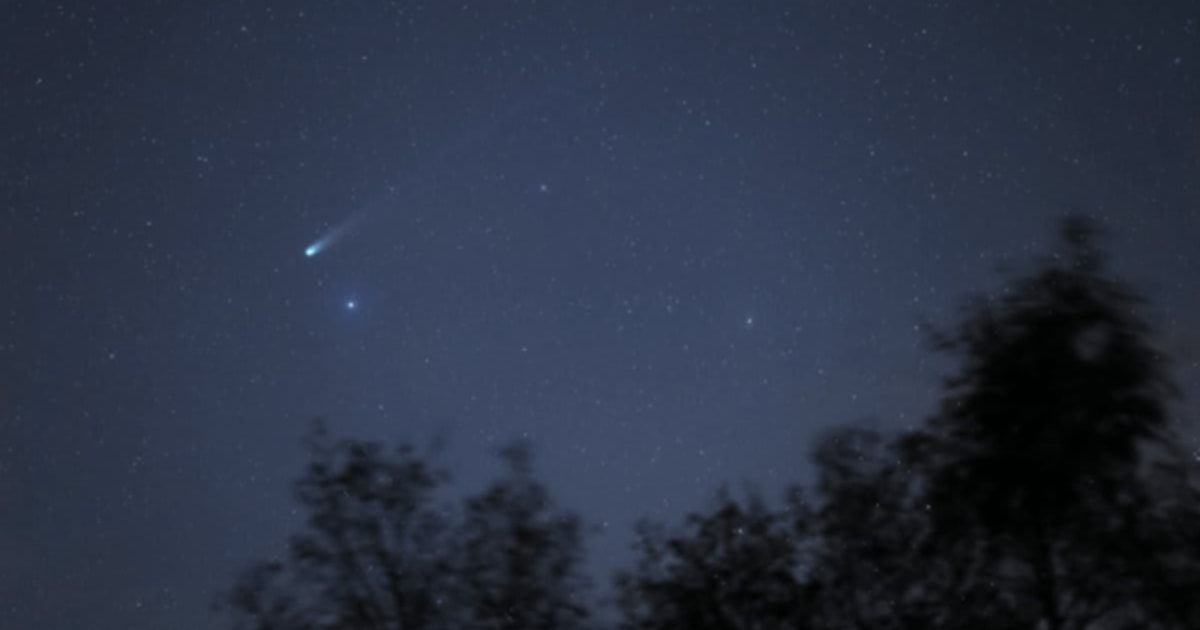
Comet C/2025 A6 (Lemmon) is currently cruising through the night sky, positioned within the constellation Ophiuchus, according to the data on Sky Live. The celestial iceball is about 147 million miles away (238 million kilometres) from our planet, with light from the comet taking just over 13 minutes to reach observers here on Earth.
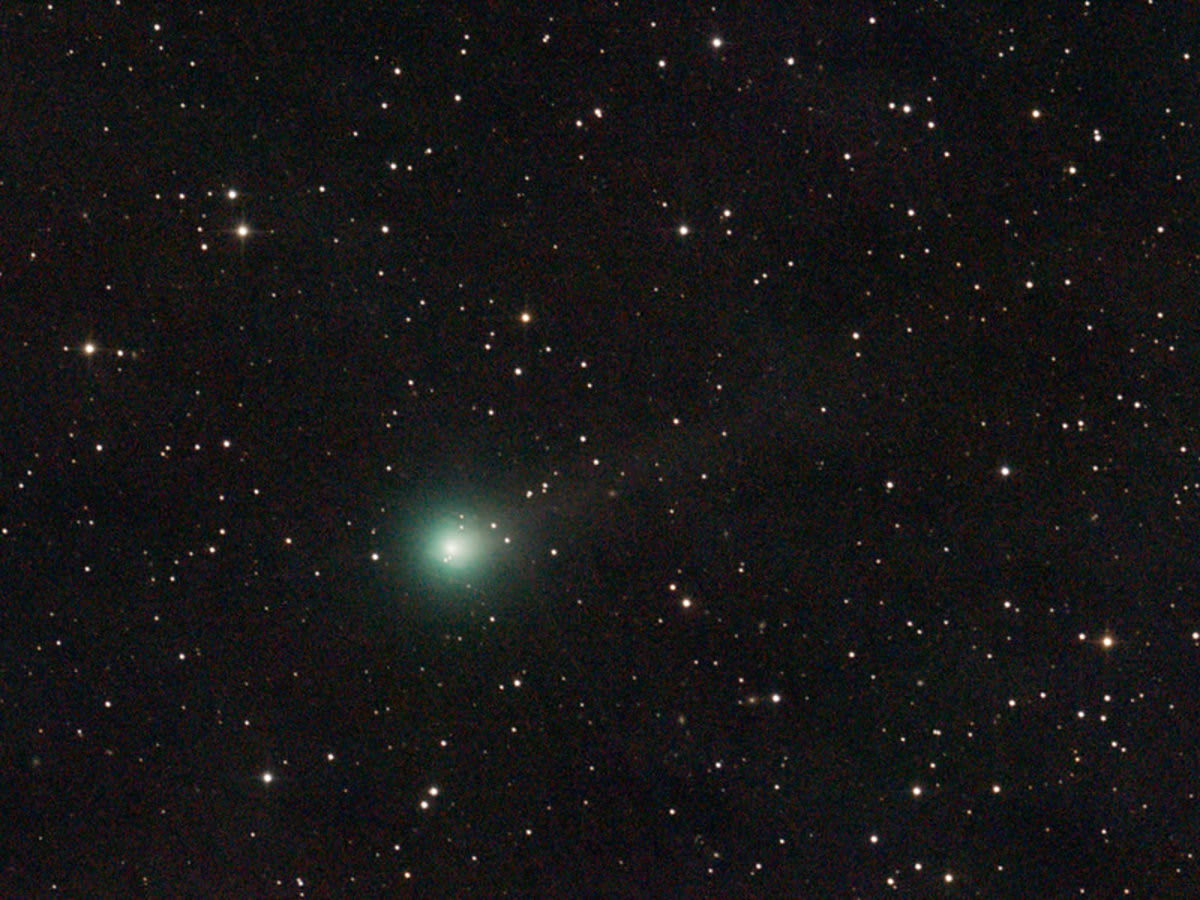
Astronomers have pinpointed its precise location at Right Ascension recorded as 17h 12m 28s, with a Declination of -25° 28’ 15”. The comet is now shining at a visible magnitude of 5.2.
For those following its path, the comet's closest approach to Earth was rather recently on Tuesday, October 21, 2025. The comet came within about 55 million miles (89 million kilometers) at that time. It is expected to fade slightly for the next several days. For observers on November 28, comet C/2025 A6 Lemmon can be expected at a Right Ascension of 17h 14m 11s. Its Declination will be -26° 23’ 10”. The comet's brightness is forecast to be magnitude 9.97 on this date.

Continuing in its motion, on November 29, the coordinates of the comet will be slightly different: its Right Ascension is anticipated to be 17h 14m 14s, while the Declination will be -26° 54’ 36”. The comet will continue to dim very slightly, reaching an approximate magnitude of 10.10. On the last day of the month, November 30, the comet will have moved further along its trajectory. Its calculated position is a Right Ascension of 17h 14m 15s, and a Declination of -27° 25’ 09”. It is expected that at this time, the brightness of the object will reach a magnitude of up to 10.23.
Brightness measured at magnitude 5.2 shows the comet is still observable for many skywatchers. This magnitude usually puts the object well within the reach of a good pair of binoculars, even from typical urban and suburban environments, according to the International Comet Quarterly. For an observer in an exceptionally dark, rural area that is far from major city light pollution, a magnitude 5.2 object may be just barely visible with the naked eye. A good point of comparison is that objects of this brightness are comparable to some of the fainter stars one can view from a truly dark location.

This celestial visitor is far more than just a typical space rock; it is being described as a true "time traveler." Comet C/2025 A6, Lemmon, made its first appearance in our solar system in an estimated 1,350 years, marking a profound event for astronomers. Its huge, elliptical path started at about 240 astronomical units from the Sun, a distance placing its origin point far beyond the orbit of Pluto. This monumental, long-distance journey underlines the huge, dynamic scale of our solar system, where the Sun's gravity gradually tugs the object inward toward us.
More on Starlust
Solar storm temporarily rips apart comet Lemmon's tail in rare celestial spectacle
Comet C/2025 A6 (Lemmon) still shines in the night sky—here's how to spot it during the New Moon