What if dark energy is evolving? Comprehensive new dataset questions a core assumption
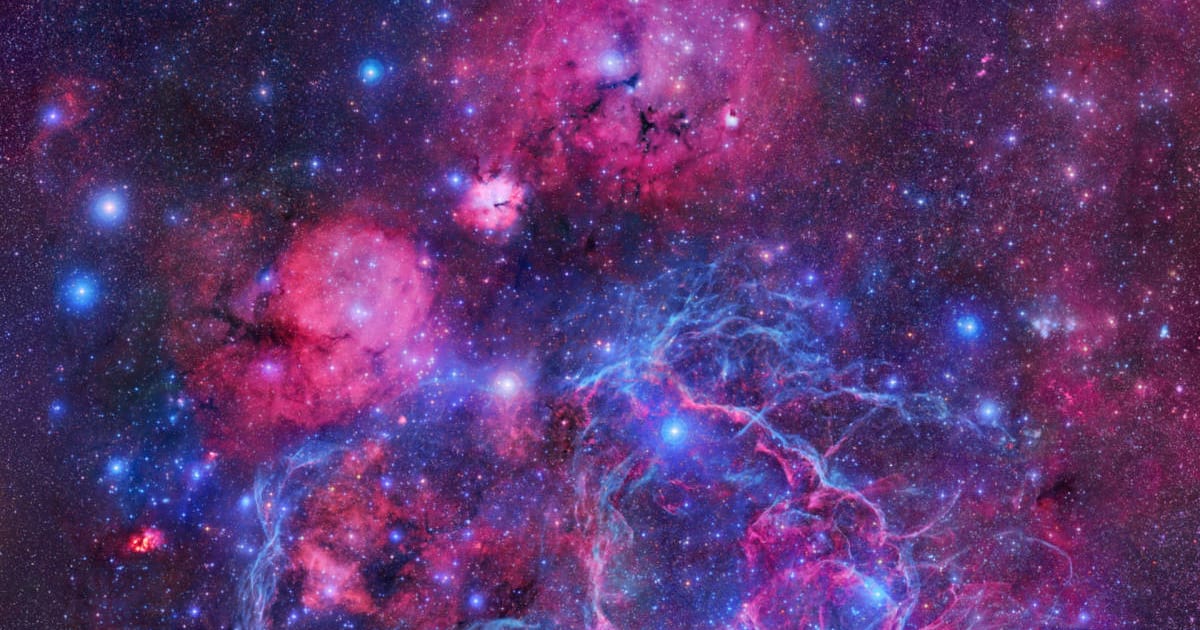
For the first time, astronomers have assembled a catalog containing nearly 3,000 exploding stars. And now, all those stars are pointing them toward something they weren’t expecting. Dark energy, the mysterious force that’s pushing our universe apart, might not be as constant as long assumed. And if the findings hold up, then scientists may have to rethink what they thought they knew about the nature of dark energy.
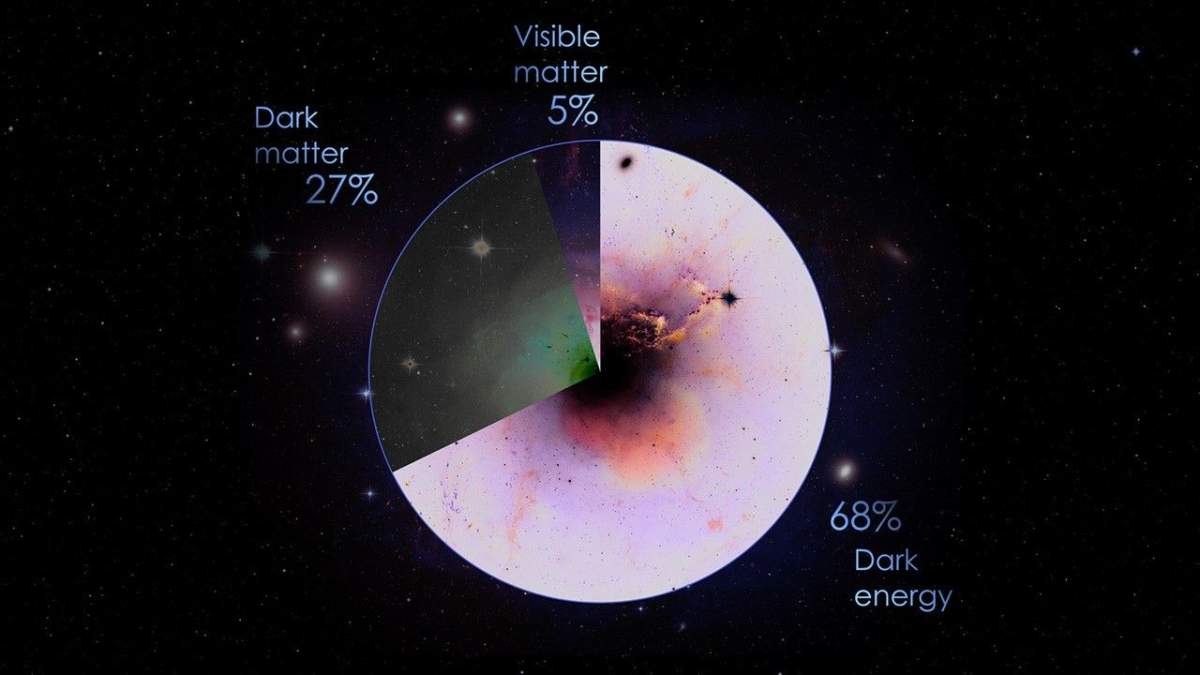
Explaining the scope of the effort, Team member Ryan Camilleri of the University of Queensland said in a statement, "We combined our data with other cosmic measurements, including relic light from the Big Bang and maps of how galaxies are distributed through space”. He added, “Instead of confirming the standard model of cosmology, which assumes dark energy is fixed and unchanging, we have more evidence that dark energy may change over time."
Scientists built the most complete supernova catalog yet
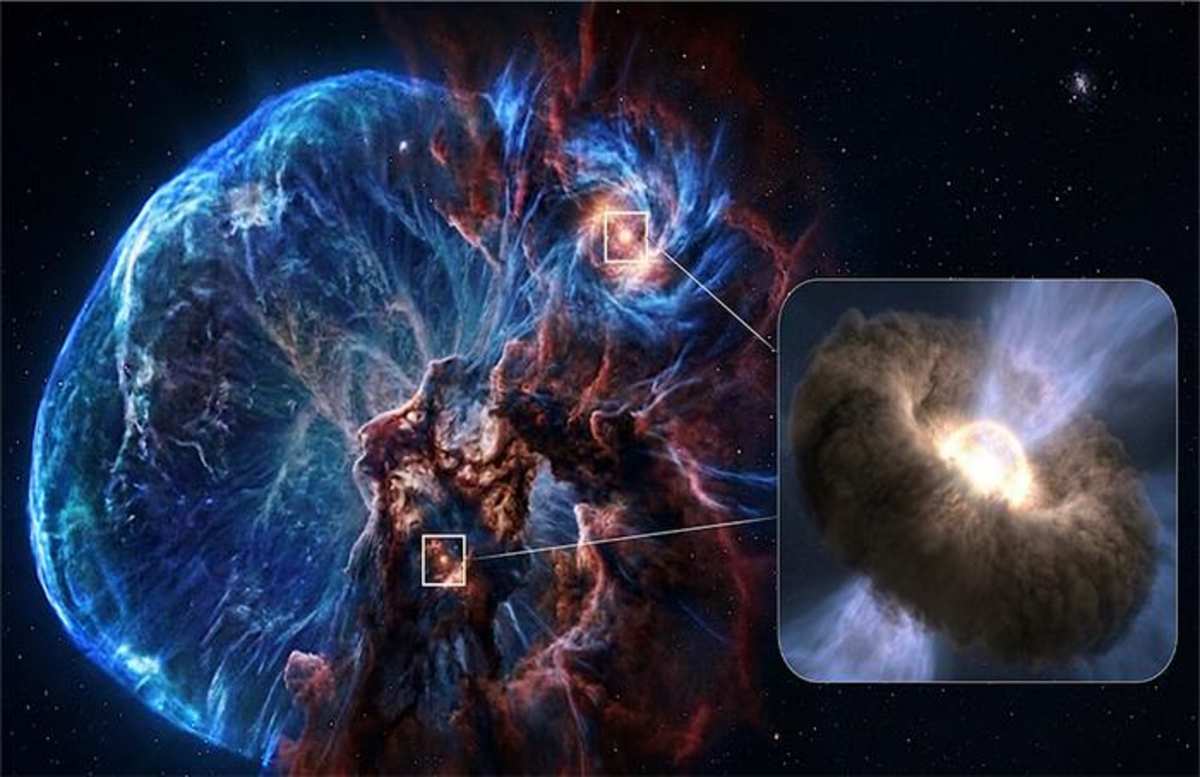
The exploding stars behind this research are called type Ia supernovas, and they come from white dwarfs, the burned-out cores left behind when sun-sized stars run out of fuel. As per the data recorded by scientists, about half of all sun-sized stars have a companion star nearby. When a white dwarf sits close enough to one, it starts pulling material off it. As the white dwarf pulls in more and more material, it eventually reaches the Chandrasekhar limit and then explodes.
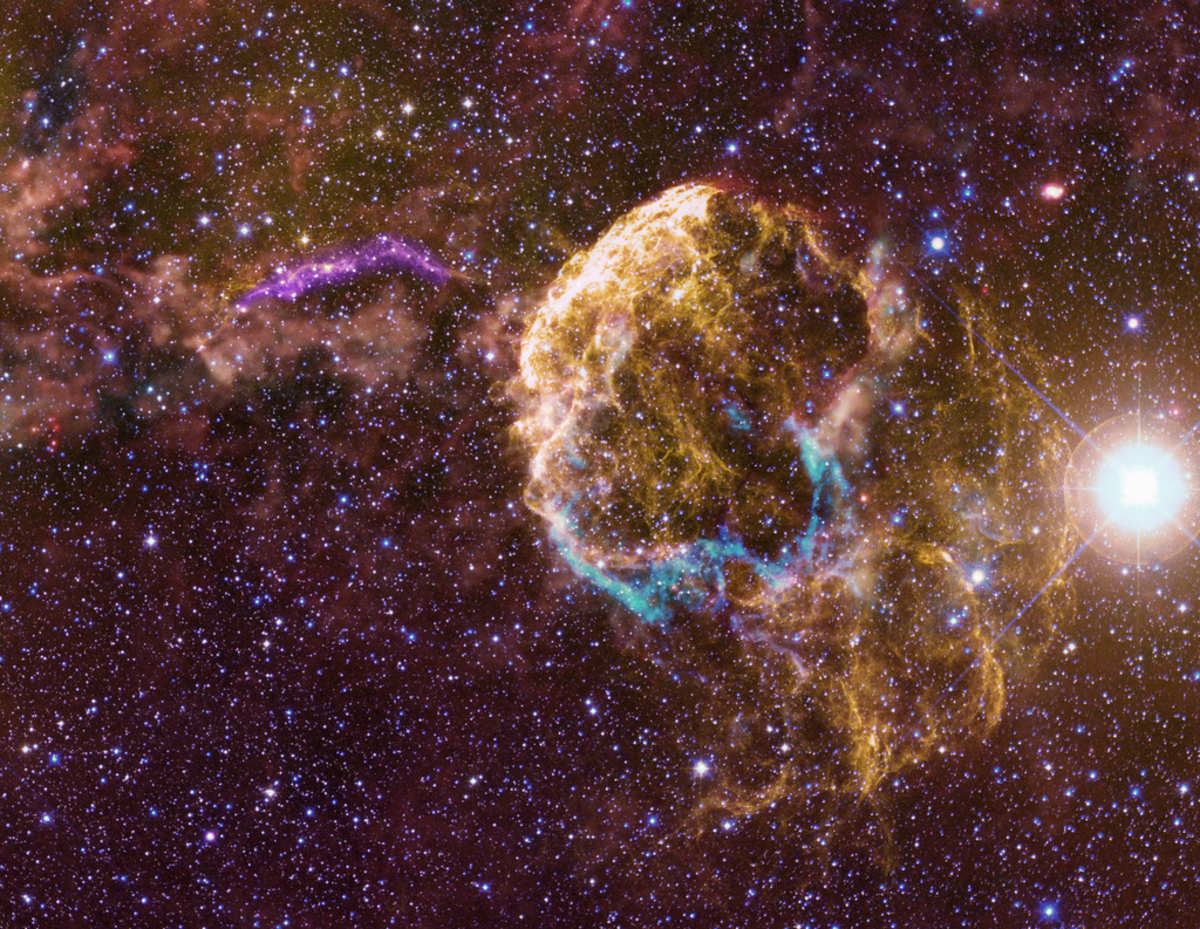
Scientists have combined data from close to 3,000 of these explosions with other cosmic measurements. This also includes leftover light from the Big Bang and large-scale maps of galaxy positions. With this, the team built what they say is the most complete supernova catalog put together so far. Explaining this, Camilleri said, "Over the years we've learned a lot more about how supernovae behave so we've been able to go back and apply that improved understanding to older data."
Now, more evidence backs the finding
Two separate, independently run surveys have now also picked up on something similar. Davis, another member of the research team, said: "Our supernova data from DES in 2024 first showed hints that dark energy may be time-varying, and this new compilation also sees a deviation from the standard model, although in a slightly different direction.” He further added that results from DESI also found variation in dark energy.
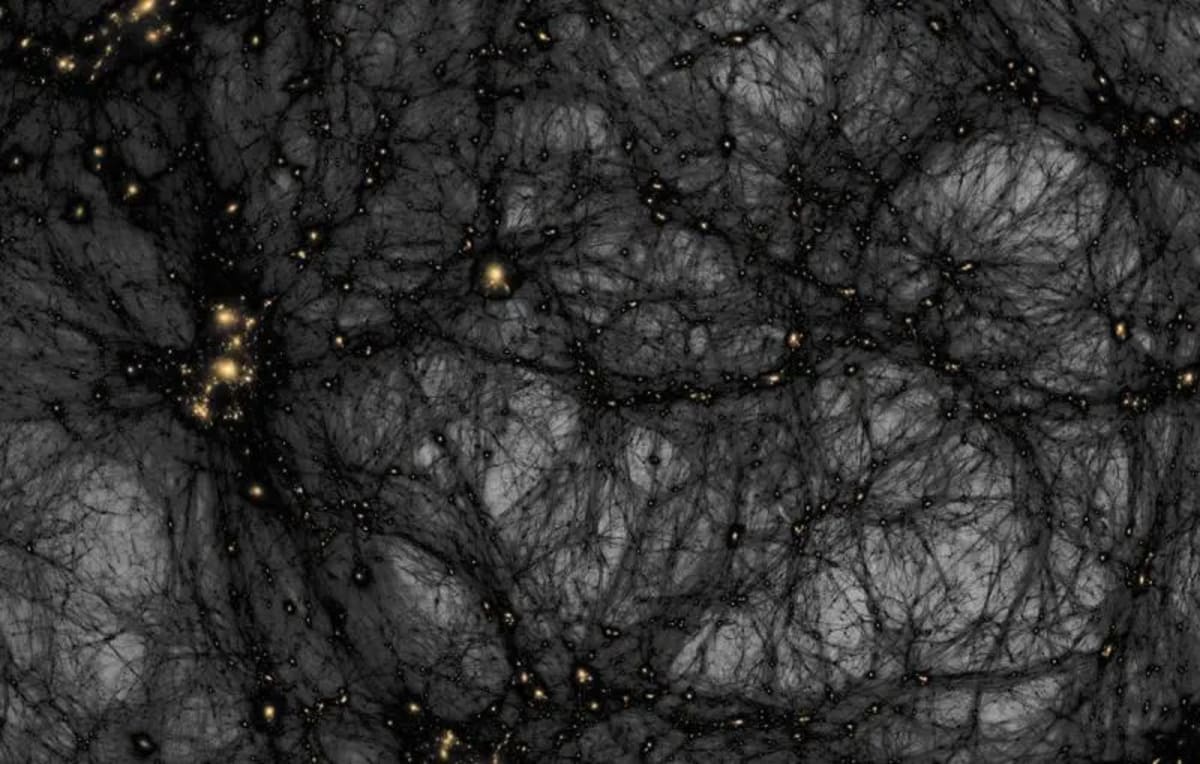
On top of this, this could help solve one of the older problems in physics, which is reconciling quantum mechanics with general relativity. These two theories work extremely well on their own but have never been successfully combined. "We know these two theories are each immensely successful in their own realms, so if we can figure out how to put them together, that would be a huge step in theoretical physics," Davis said.
As of now, scientists are awaiting more data from the Dark Energy Bedrock All-Sky Supernova program. This is expected to cover hundreds of additional nearby supernovas beyond what the Dark Energy Survey has noted. The team has published its full results on arXiv. Now, as more observations come in, researchers may finally get a clearer answer about whether the force driving the universe’s expansion is constant or not.
More on Starlust
Mercury has been shrinking faster than we realized. Here’s what that means
The Sun's most detailed images yet reveal whirlpools never spotted before