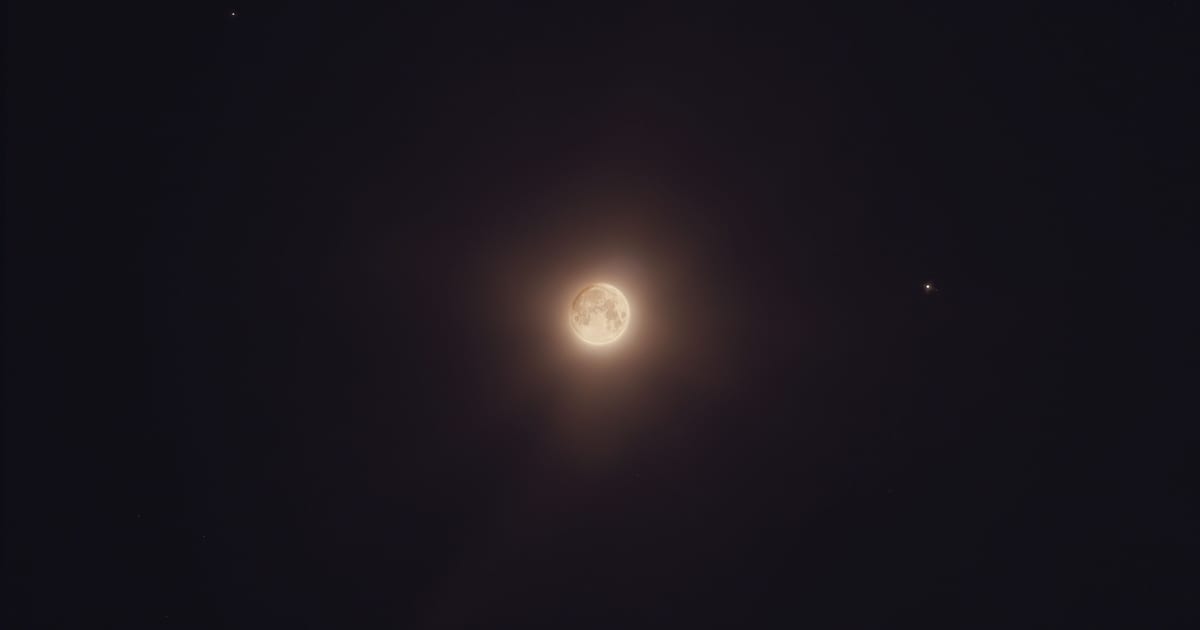
Watch Saturn at its best during opposition in U.S. tonight ahead of Jupiter's occultation—City-wise timings here
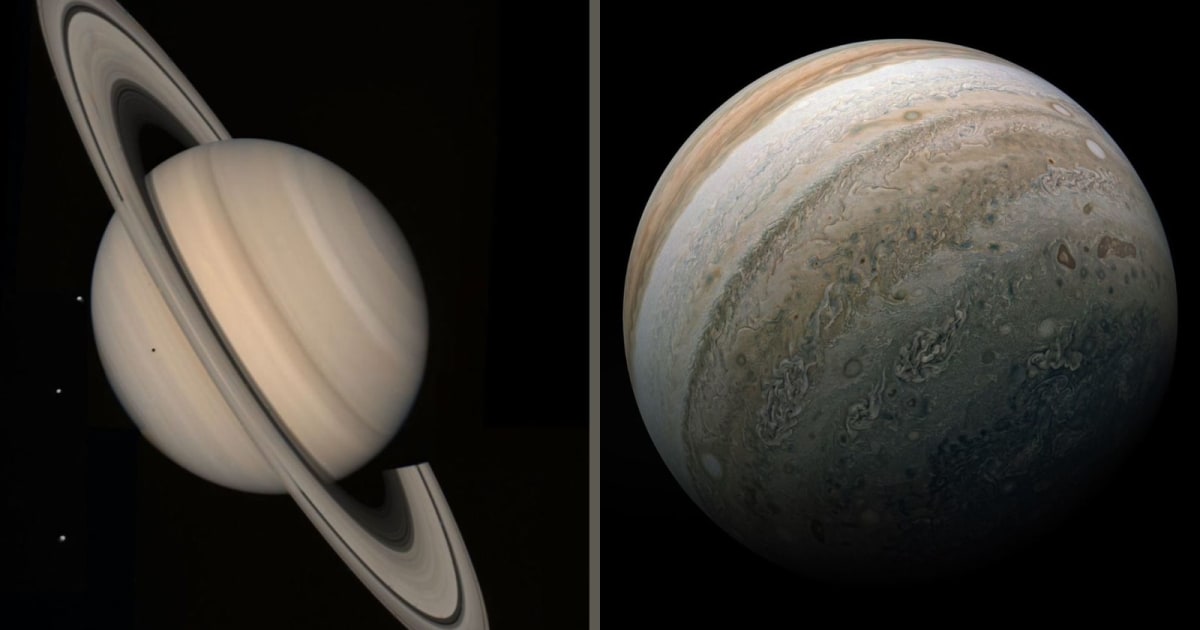
The month of October is bringing some stunning sky gazing events. On the night of October 4, Saturn will reach opposition offering skygazers the best viewing opportunity followed by an occultation of Jupiter by the Moon two days later. Following are the events you must not miss and some tips on how to see them.
Saturn at opposition
Saturn at opposition means the planet is on the opposite side of the Sun and Earth—our planet is in the middle of the two—and as a result, it is fully illuminated. During opposition, Saturn will also be the closest to Earth and appear brighter than usual with a magnitude of 0.3. According to EarthSky, the distance to Saturn currently is approximately 784 million miles away from Earth and it's visible in front of Cetus the Whale constellation.
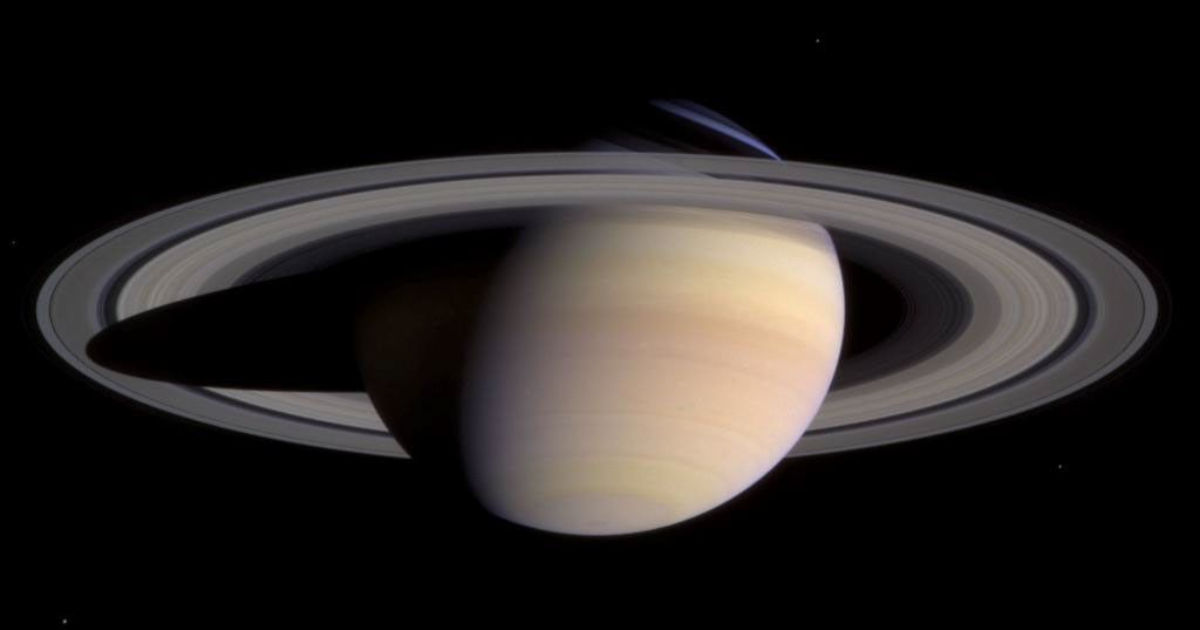
Saturn is currently rising in the east and setting in the west during dawn, and it will be visible for much of the night during opposition. If you’re looking through a telescope, its rings will appear the largest in size.
Timings of Saturn rising and setting in U.S. cities
New York: Rises at 6:37 pm (local time) and sets at 6:59 am
Miami: Rises at 9:07 pm and sets at 7:20 am
Washington D.C: Rises at 6:50 pm and sets at 7:11 am
Philadelphia: Rises at 6:42 pm and sets at 7:03 am
Chicago: Rises at 6:32 pm and sets at 6:54 am
Denver: Rises at 6:41 pm and sets at 7:02 am
Dallas: Rises at 7:10 pm and sets at 7:28 am
Seattle: Rises at 6:48 pm and sets at 7:14 am
Boston: Rises at 6:25 pm and sets at 6:48 am
You can check your city-specific timings on Old Farmer’s Almanac here.
Watch Moon’s occultation of Jupiter
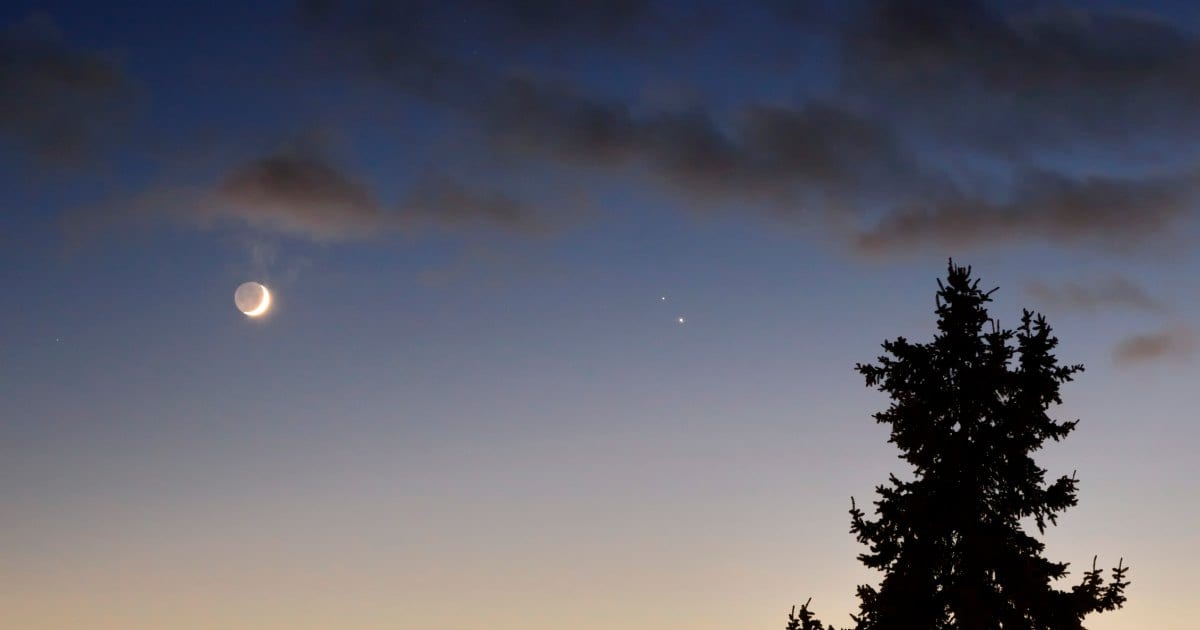
On October 6, a crescent Moon will occult the gas giant Jupiter—a phenomenon which occurs when a larger celestial body passes in front of a smaller one from our perspective. The event will begin when a 20 per cent lit crescent Moon will rise in the east at around 2:30 am local time and it will be visible across the eastern and much of the central U.S. as well as adjacent southern Canada, per Astronomy.com.
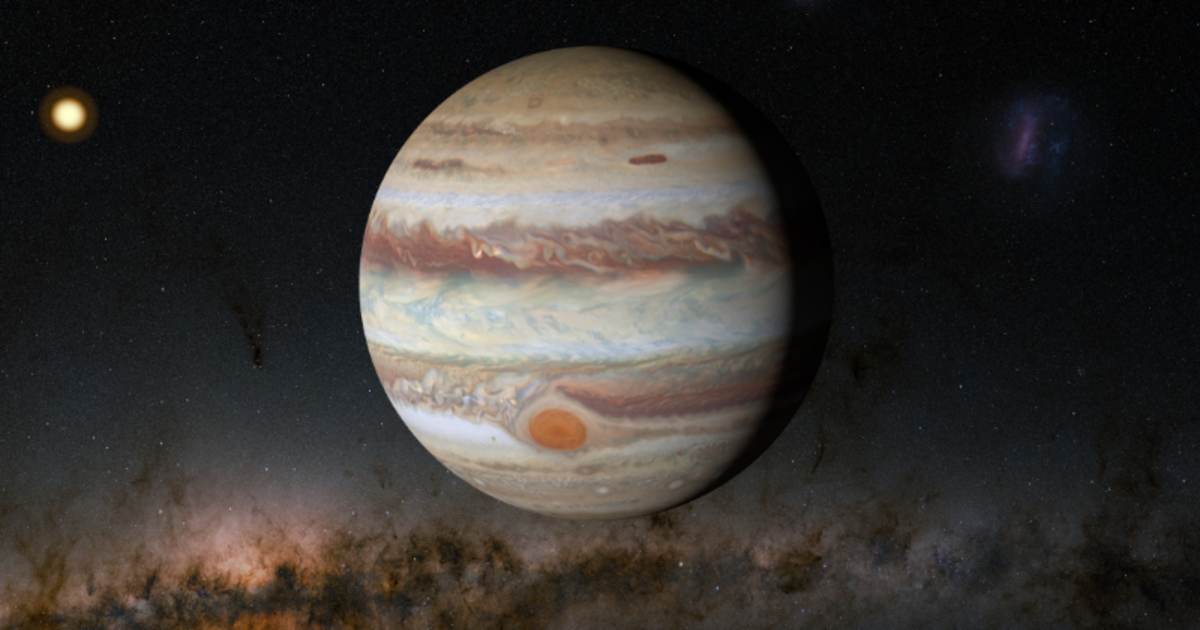
Viewers are advised to look East and near the horizon as the Moon will be low in the sky. According to Sky and Telescope, the Boston region has the best circumstances to spot the occultation (23 degrees above horizon) whereas in locations like Kansas City, the Moon will be much closer to the horizon. Unfortunately, residents in mountainous region will only see the second half of the occultation due to the Moon’s low-lying position. Interestingly, skywatchers in the Pacific Time Zone states such as Oregon, California, Washington, Oregon, Nevada and Idaho will witness a brilliant conjunction of the Moon and Jupiter—the two will appear extremely close, just a few degrees apart. The entire event will be over by the time sun rises.
More on Starlust
SpaceX shares first picture of Starlink V3 satellite deployment by Starship on debut orbital flight