World Space Week 2026 kicks off today! A look at its history and significance as the world celebrates ‘Rocket Revolution’
The World Space Week is kicking off today (October 4) to celebrate the contributions of space science and technology that have enhanced our quality of life. This annual event which runs till October 10 focuses on space education and outreach events organized around the world by space agencies, schools, aerospace companies and astronomy clubs while commemorating two major events that revolutionized space exploration. Here’s all you need to know about this event and why it’s celebrated.
History and significance of World Space Week
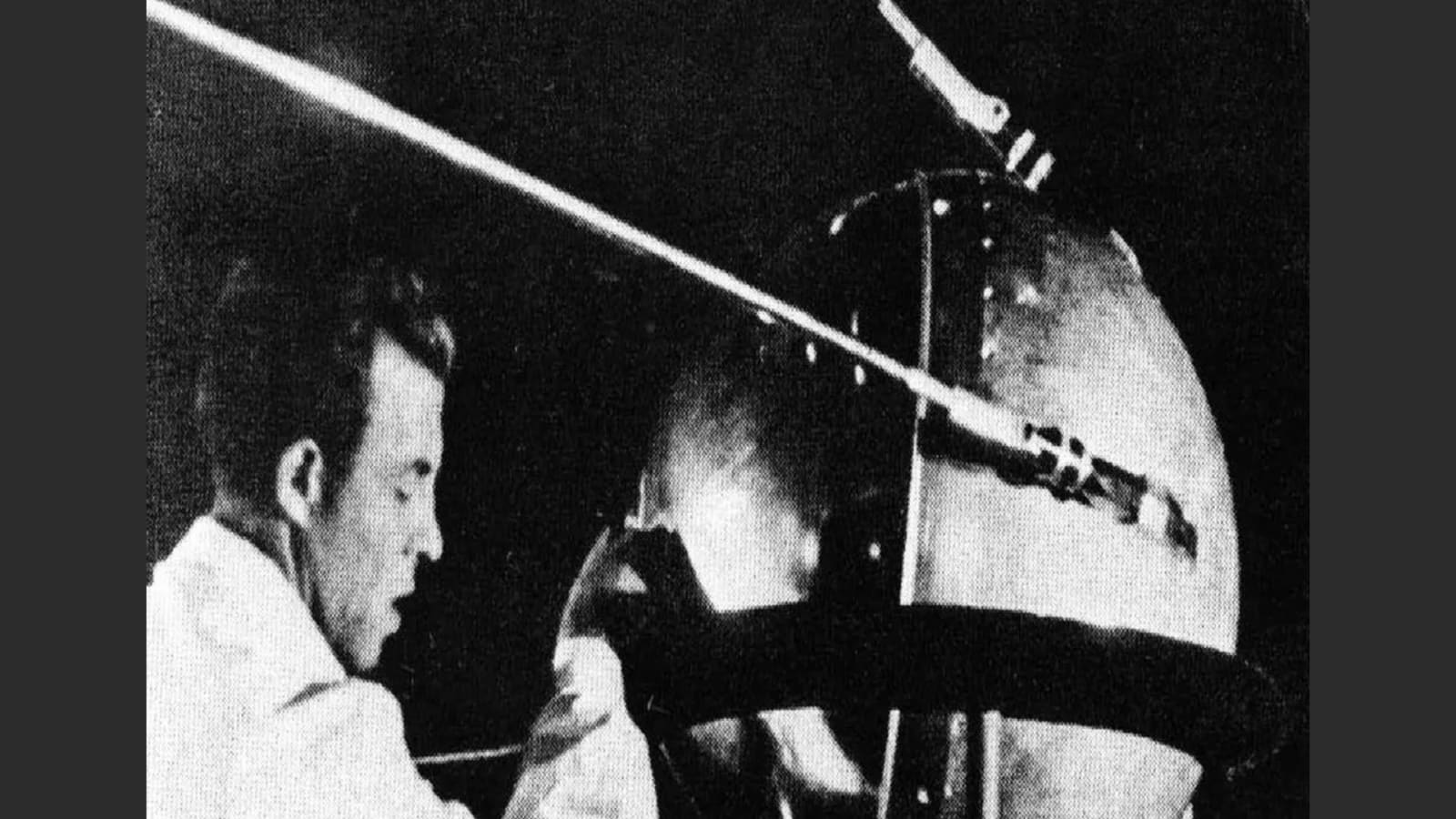
The World Space Week starts on October 4 every year to commemorate the launch of world’s first human-made satellite Sputnik 1 in 1957. This satellite was a metal sphere the size of a beach ball that was launched by the Soviet Union, and it marked the dawn of the space age for humanity. October 10, on the other hand, observes the enforcement of the Outer Space Treaty (in 1967) which provides the basic framework on international space law and governs how countries will carry out activities in outer space including the Moon and other celestial bodies.
On December 6, 1999, the United Nations General Assembly (UNGA) proclaimed World Space Week by resolution 54/68 and declared that the event will be celebrated every year from October 4 to 10. The United Nations has been involved in space activities since the very beginning and today, the United Nations Office for Outer Space Affairs (UNOOSA) is responsible for promoting international cooperation in the peaceful uses of outer space.
Theme of World Space Week 2026
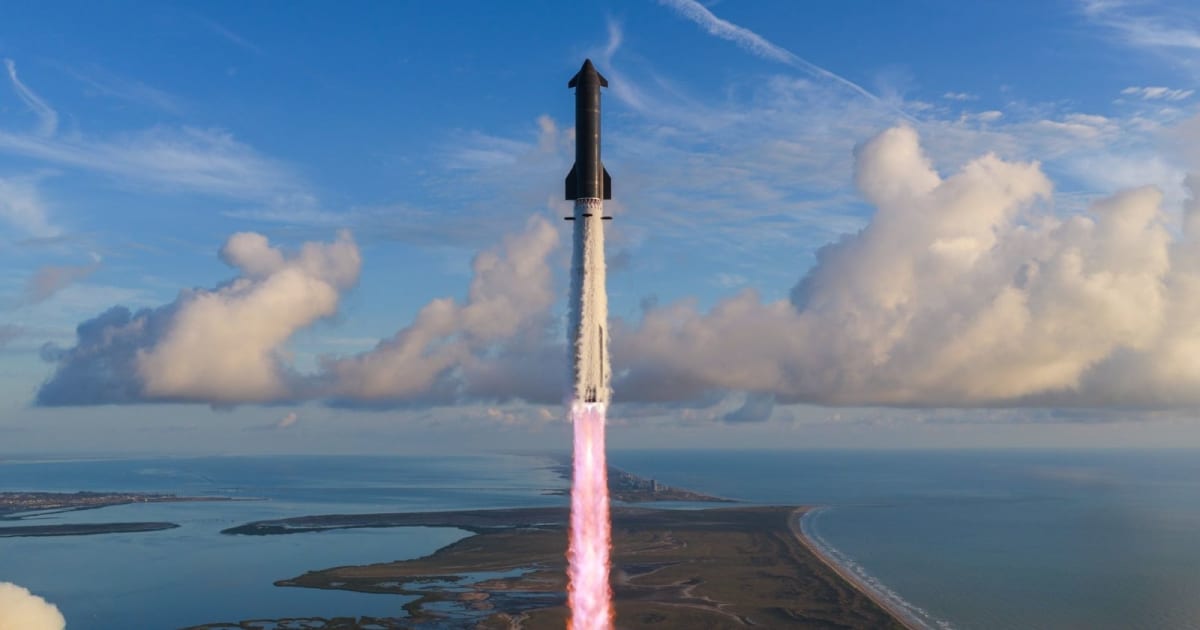
The theme of World Space Week this year is ‘Rocket Revolution’ to highlight the rapid growth of rocket launches and the transformation they've brought about by making space accessible. “Once limited to a small number of government programs, access to space is now expanding through commercial launch providers, reusable rockets, university teams, startups, and new national space actors,” the United Nations said in a statement. “This shift is changing who can reach space, how often launches happen, and what space is used for.”
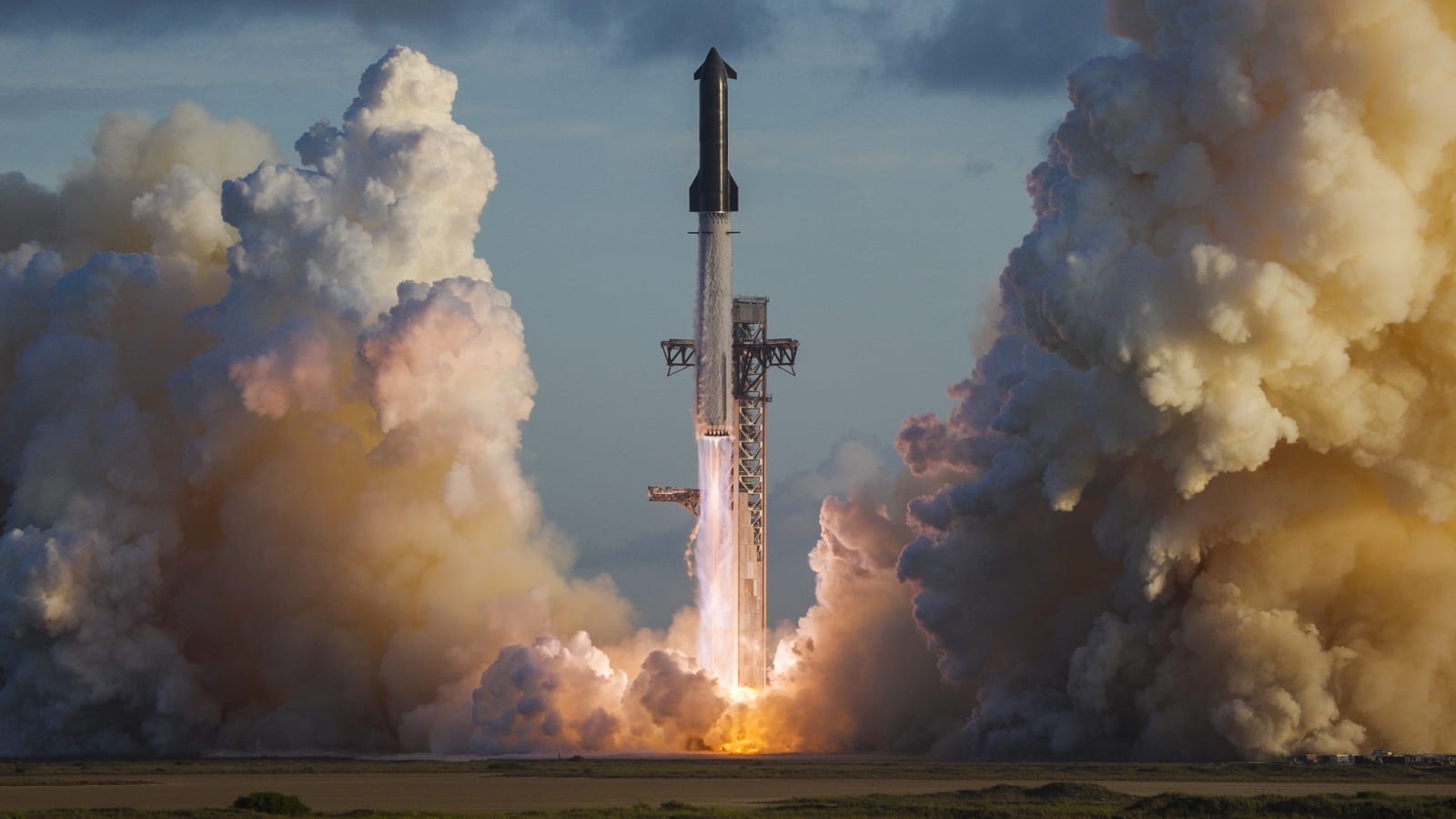
The theme for each year is jointly selected by the World Space Week Association Board of Directors and the UNOOSA and it is uniform globally to increase the impact of the event. Hundreds of event are organised during the space week and the common theme guides organizers on the contents of their programmes.
More on Starlust
NASA wraps up Crew-12 mission: Four crew members set to leave the ISS no earlier than October 7
Starship Flight 14 in photos: See how SpaceX executed the first orbital test of its giant rocket