Watch out for fireballs as Taurid meteor shower 2025 set to begin on October 20
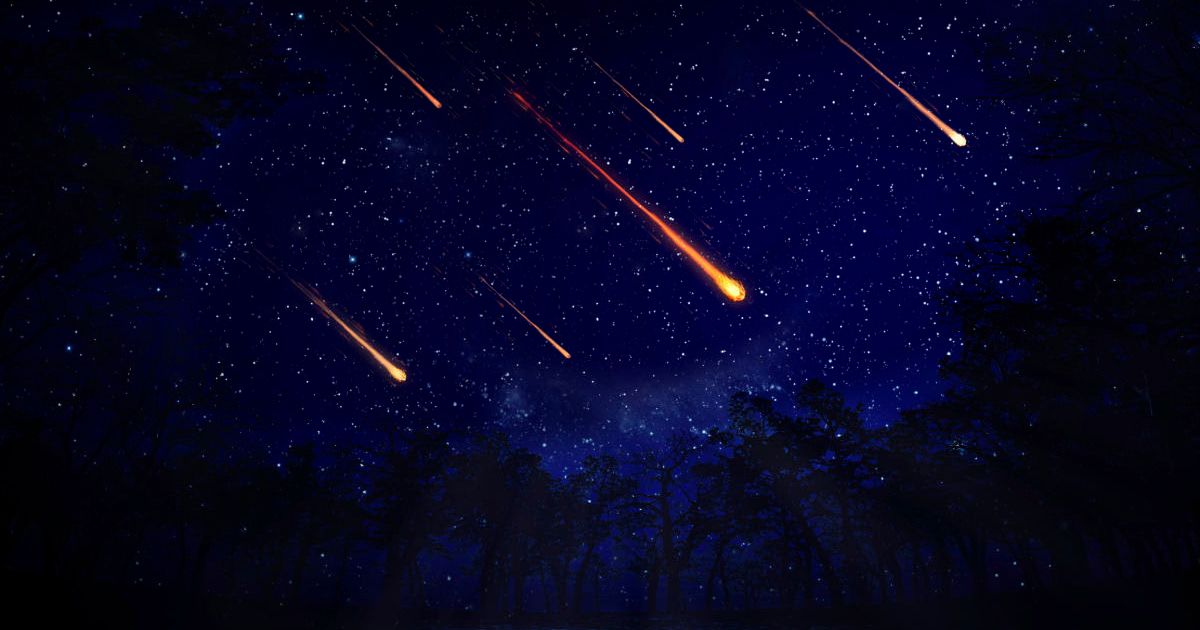
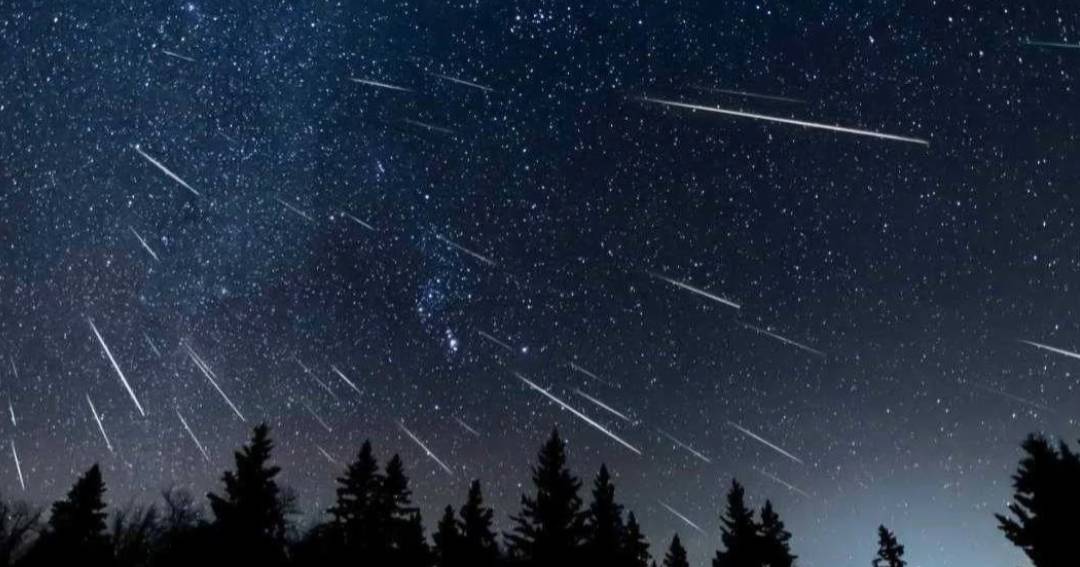
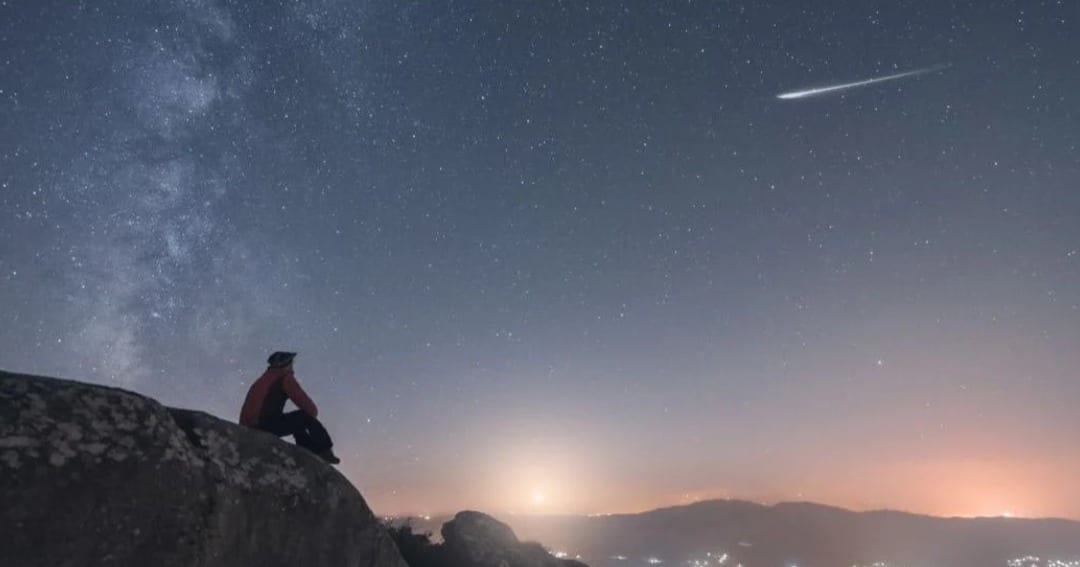
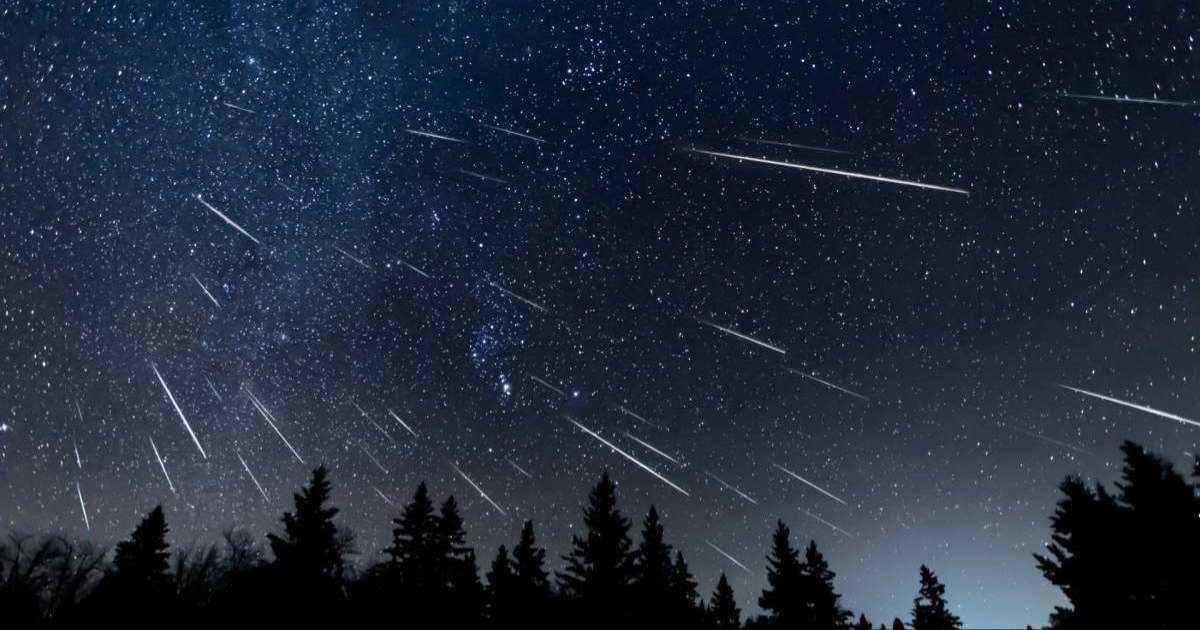
The Taurid meteor shower is now active and could deliver dramatic fireballs over the coming weeks, despite potential interference from the moon. While the official "fireball season" began in September with the South Taurids, which are active until November 20, the North Taurids will officially join the stream on October 20 and will remain active until December 10, as per Earth Sky.
Though both streams are historically modest, typically producing only about five meteors per hour each, totaling ten per hour when they overlap, they are known for generating brilliant, bright fireballs.
The twin showers do not have a sharp peak, instead maintaining consistent activity through October and November. However, the most active period occurs during their overlap, specifically from late October into early November. The South Taurids are predicted to reach maximum visibility around 13 UTC on November 5, 2025, with the North Taurids following closely on November 9, 2025, at 12 UTC.
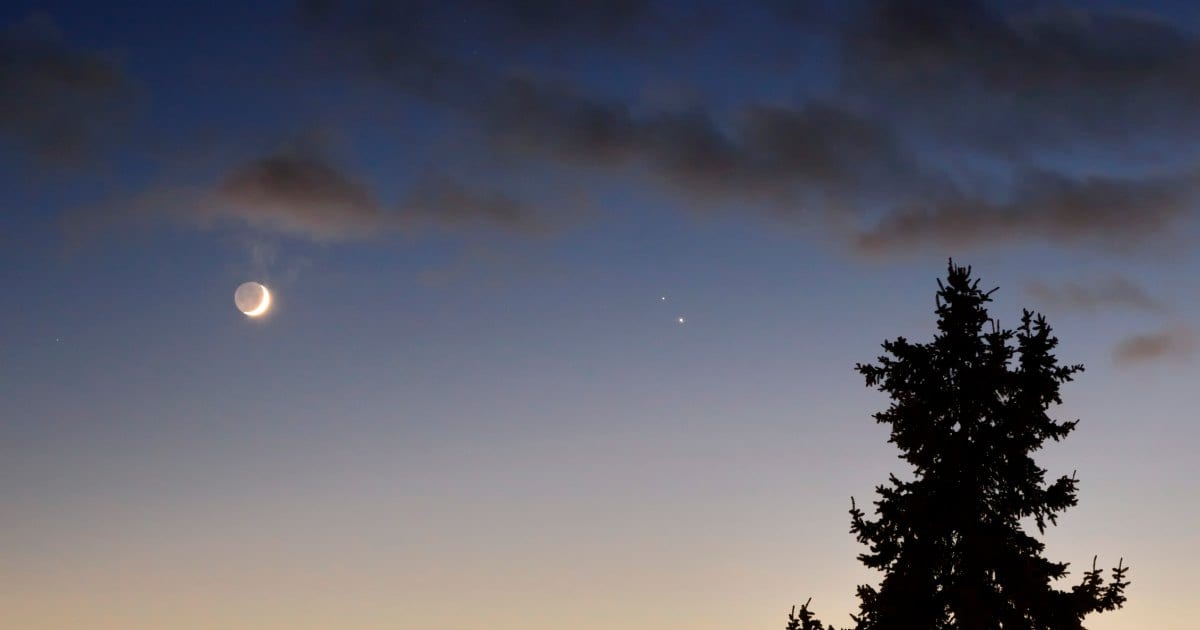
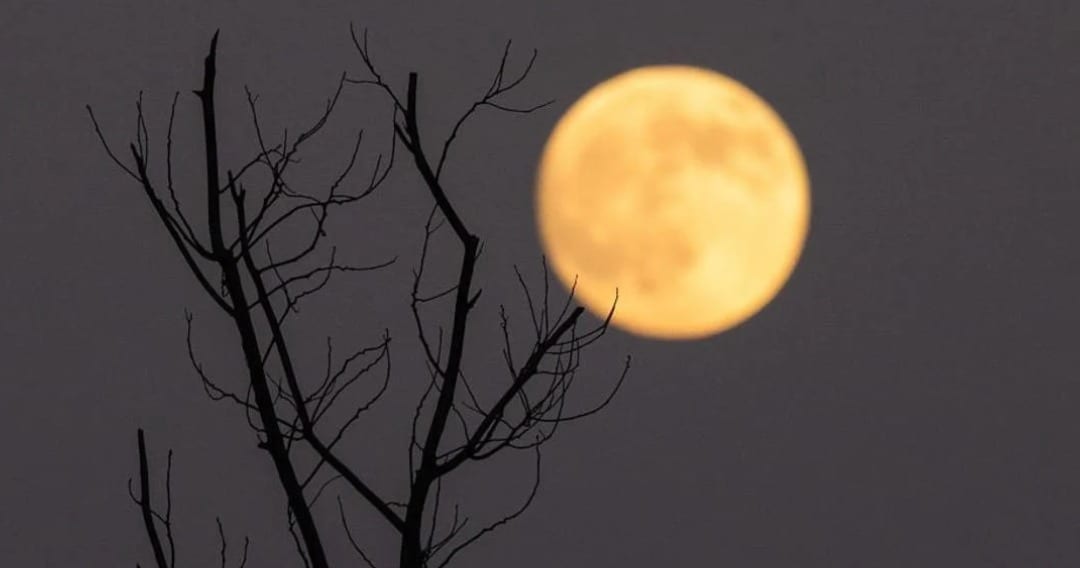
Stargazers are advised to look up around midnight when the radiant is highest in the sky. Optimal viewing is best in the days before November 5, after the bright waxing gibbous moon has set. Unfortunately, the full moon falls on November 5, coinciding almost exactly with the South Taurid peak. This bright moonlight will significantly obscure the majority of dimmer meteors throughout the period. Despite the lunar interference, observers are still encouraged to watch throughout October and November, particularly for the signature, spectacular fireballs the Taurids are known to produce.
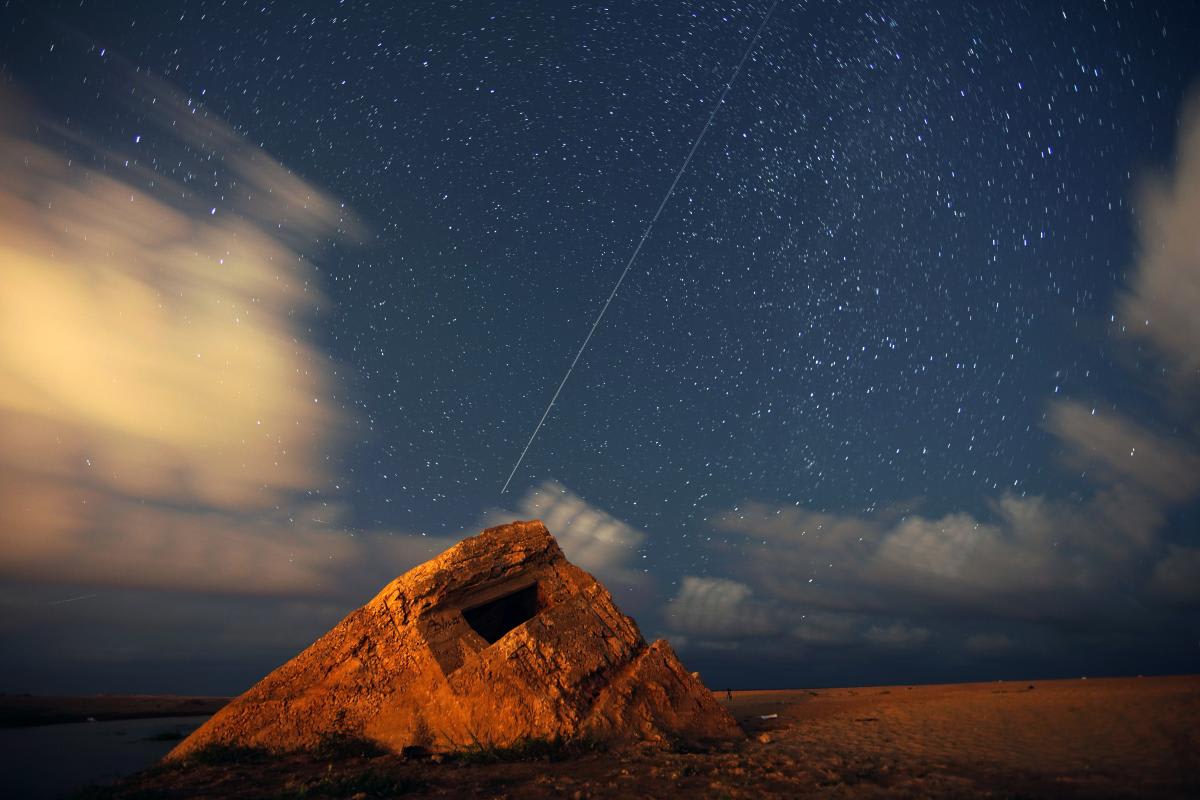
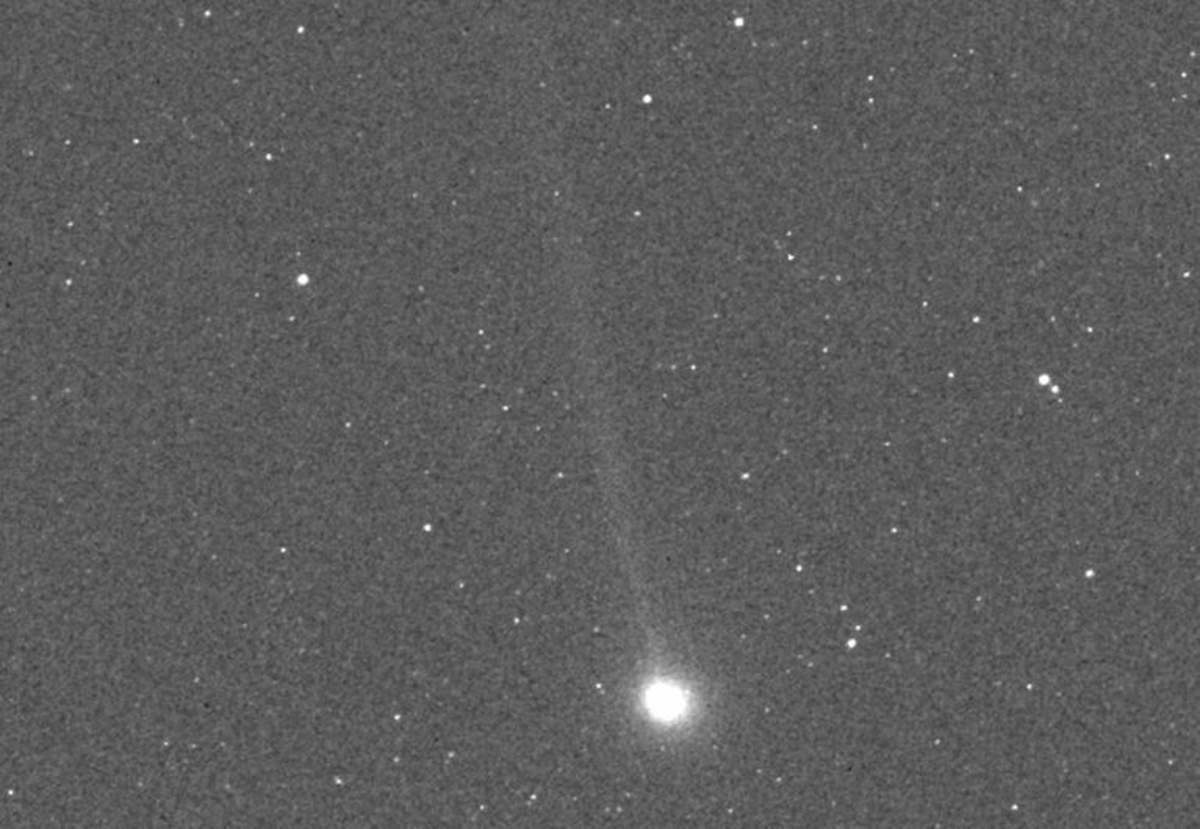
The frequent spectacle of fireballs during this period is not accidental. Both the South and North Taurids originate from the same highly dispersed cloud of debris, believed to be remnants of the giant Comet 2P/Encke, as per Space.com. The periods when both streams are simultaneously active, which span from late October through November, are historically known to correspond with a significant uptick in fireball activity.
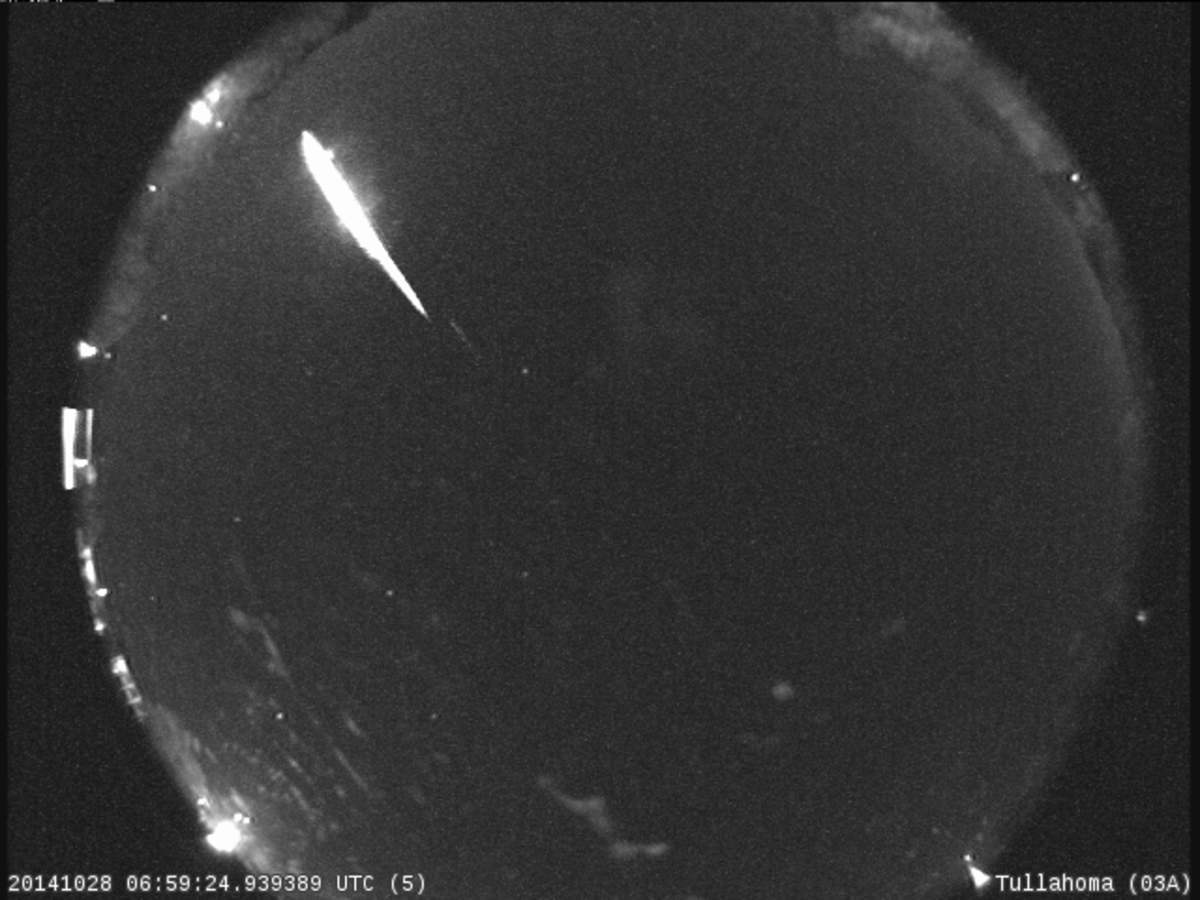
A fireball is simply the name given to an exceptionally bright meteor. Defined as a shooting star that outshines even the planet Venus in the night sky, these dramatic events are created when a piece of space rock, typically ranging from a few inches to several feet in size, collides with and burns up in Earth's atmosphere. They often leave pronounced, glowing trails in their wake, offering a breathtaking sight for those watching the night skies.
The exact source of the Taurid debris remains a subject of ongoing astronomical investigation. It was long thought that the parent body was the large Comet 2P/Encke, but recent research suggests the picture is more complex. According to Earth Sky, a new study indicates that the asteroid 2004 TG10 is merely one of approximately ten related asteroids that may collectively be responsible for the meteor stream. If this is confirmed, it would mean that no single asteroid or comet is solely producing the material responsible for the Northern Taurid meteors.
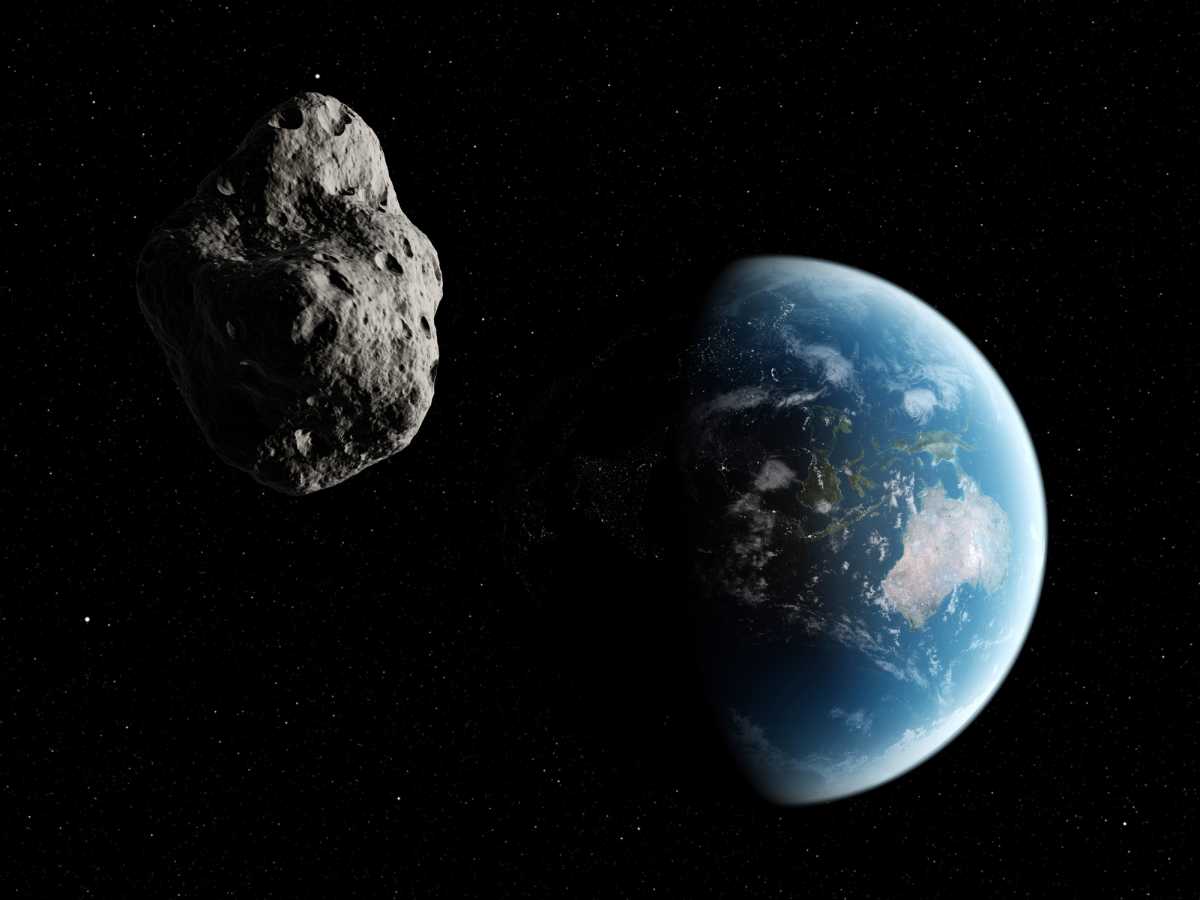
Solving this celestial mystery requires time, advanced technology, and teamwork. Scientists employ specialized night-time video cameras to record incoming meteors, allowing computers to almost instantly calculate their orbits. These paths are then compared to the known orbits of various comets and asteroids.
More on Starlust
Missed the Draconid meteor shower peak? You can still catch the spectacle for a few nights after
Orionid meteor shower to light up the sky at its peak on October 21—when and how to watch