Missed the Draconid meteor shower peak? You can still catch the spectacle for a few nights after
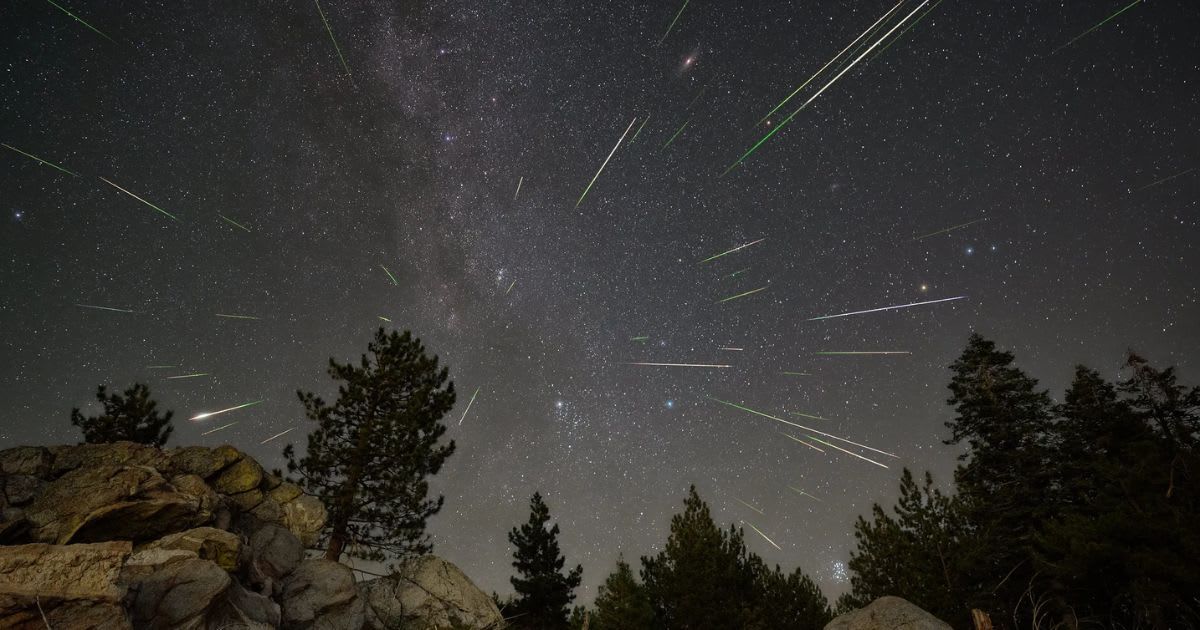
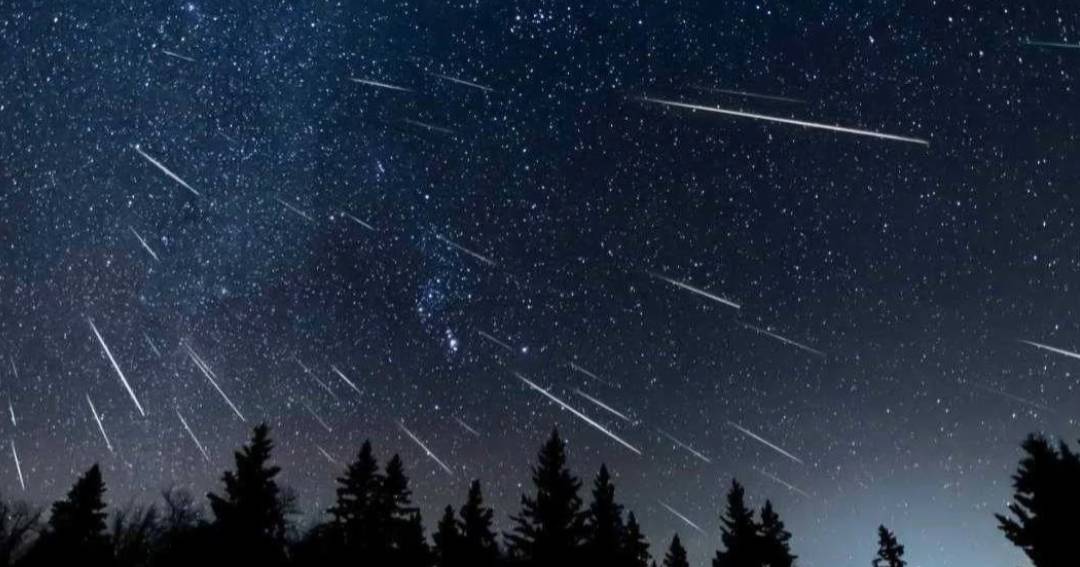
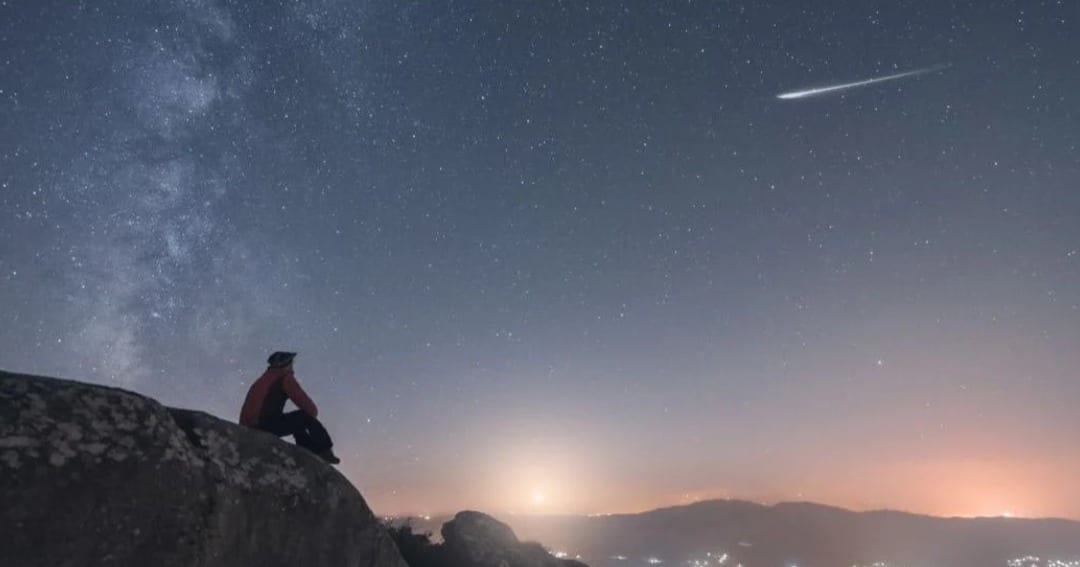
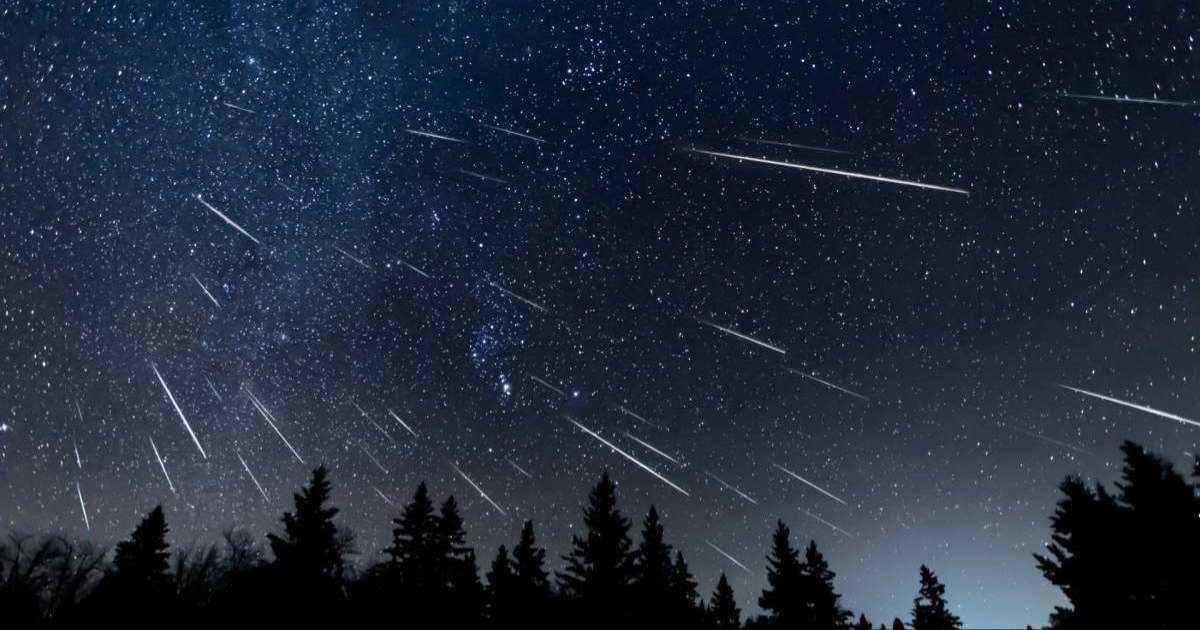
While the Draconid meteor shower has passed its peak activity on October 8, sky enthusiasts still have a narrow window to catch a glimpse of the annual spectacle. The Draconids, active from October 6 to 10, inaugurate the month's meteor season, originating from the dusty trail of Comet 21P Giacobini-Zinner as Earth intersects its orbit.
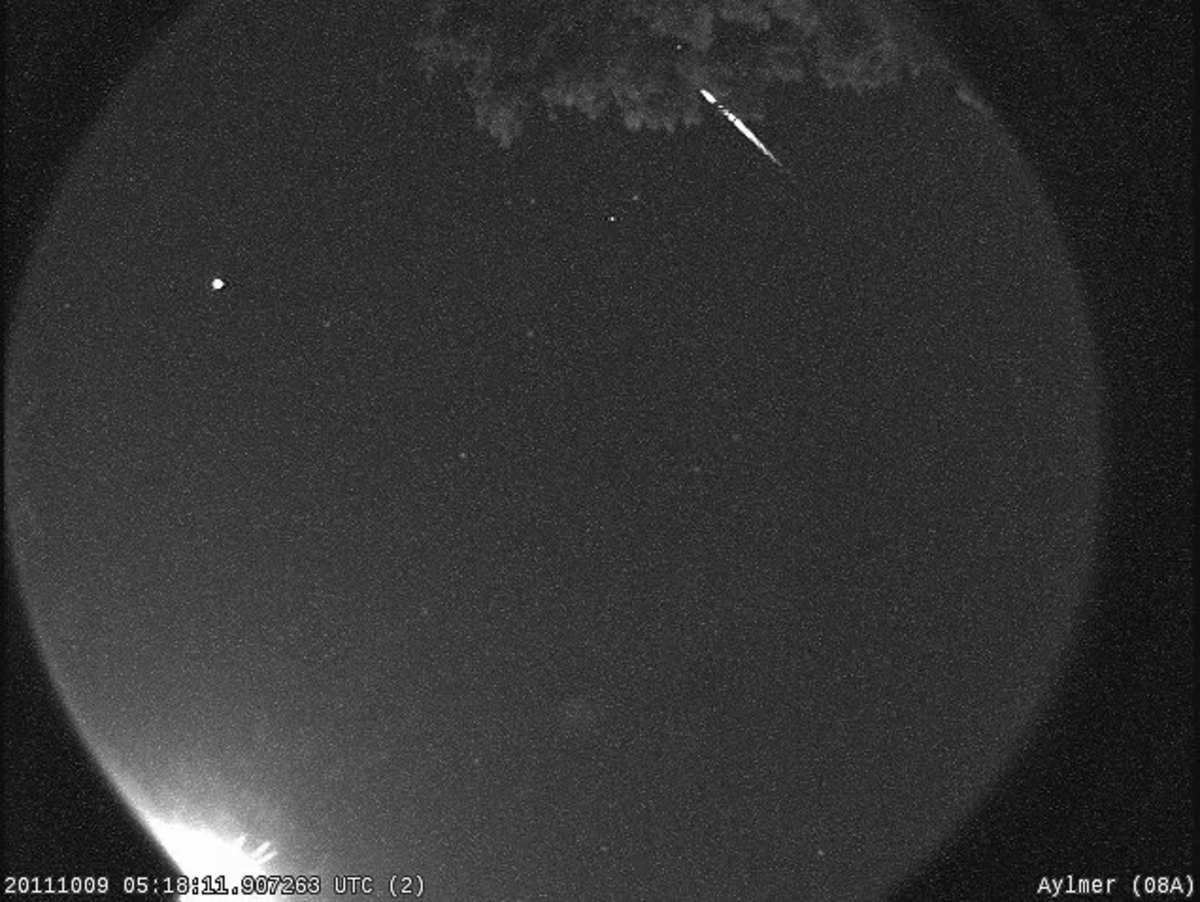
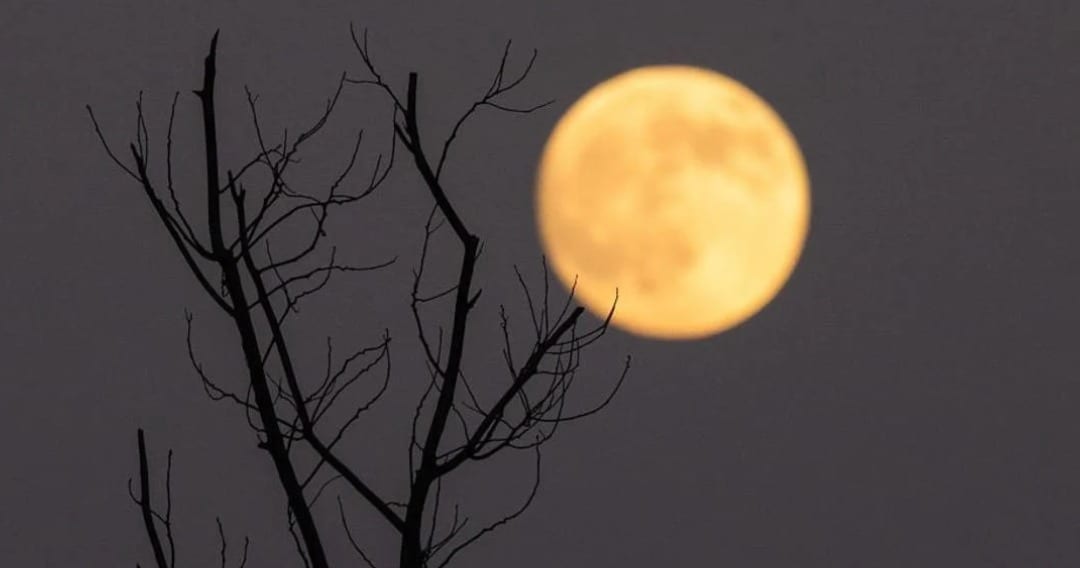
Unfortunately, this year’s viewing conditions were heavily compromised. The shower’s maximum coincided with the residual brightness of October’s recent Supermoon, which appeared unusually large and bright as it reached its closest point to Earth, as per CNN Science. Experts had predicted that the moon's intense luminosity would significantly obscure most of the celestial event’s activity. Stargazers are advised to focus their attention on the northern sky, specifically in the direction of the constellation Draco (the Dragon). The meteor trails will appear to emanate from Draco's "head," which resides high overhead in the early evening before tracking toward the northwestern horizon as the night progresses.
Experts noted that the limited duration of the shower, coupled with the moon’s interfering light, makes the hours immediately after sunset the most optimal viewing time. Even under ideal, moonless conditions, the Draconids are a sparse shower, producing an average of only one visible meteor per hour at maximum. Observers are therefore warned that sightings in the current bright conditions will likely be minimal, if any. Any slow-moving meteor streaking from an overhead position in the north has a strong probability of being a Draconid.
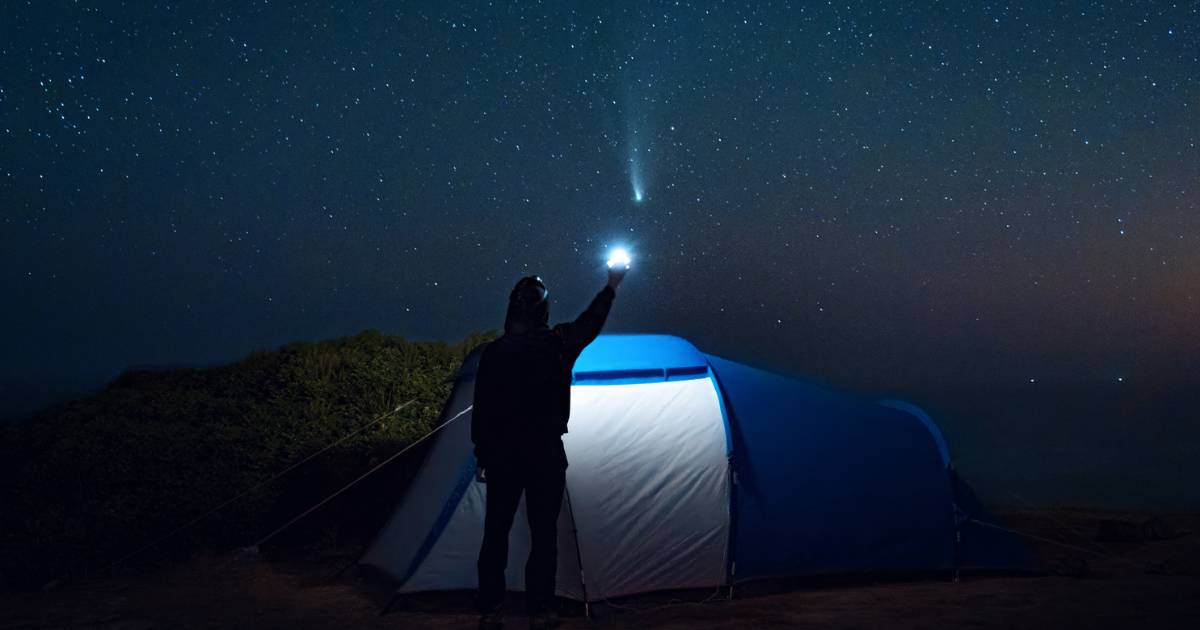
The unique characteristics of the Draconid shower are a product of its parent body, the short-period Comet 21P/Giacobini-Zinner. This relatively small comet completes an orbit around the Sun approximately every 6.6 years, ranging from a path near Earth to just beyond Jupiter. Crucially, the dust shed by this comet is not uniformly dispersed but is highly concentrated along its orbital path.
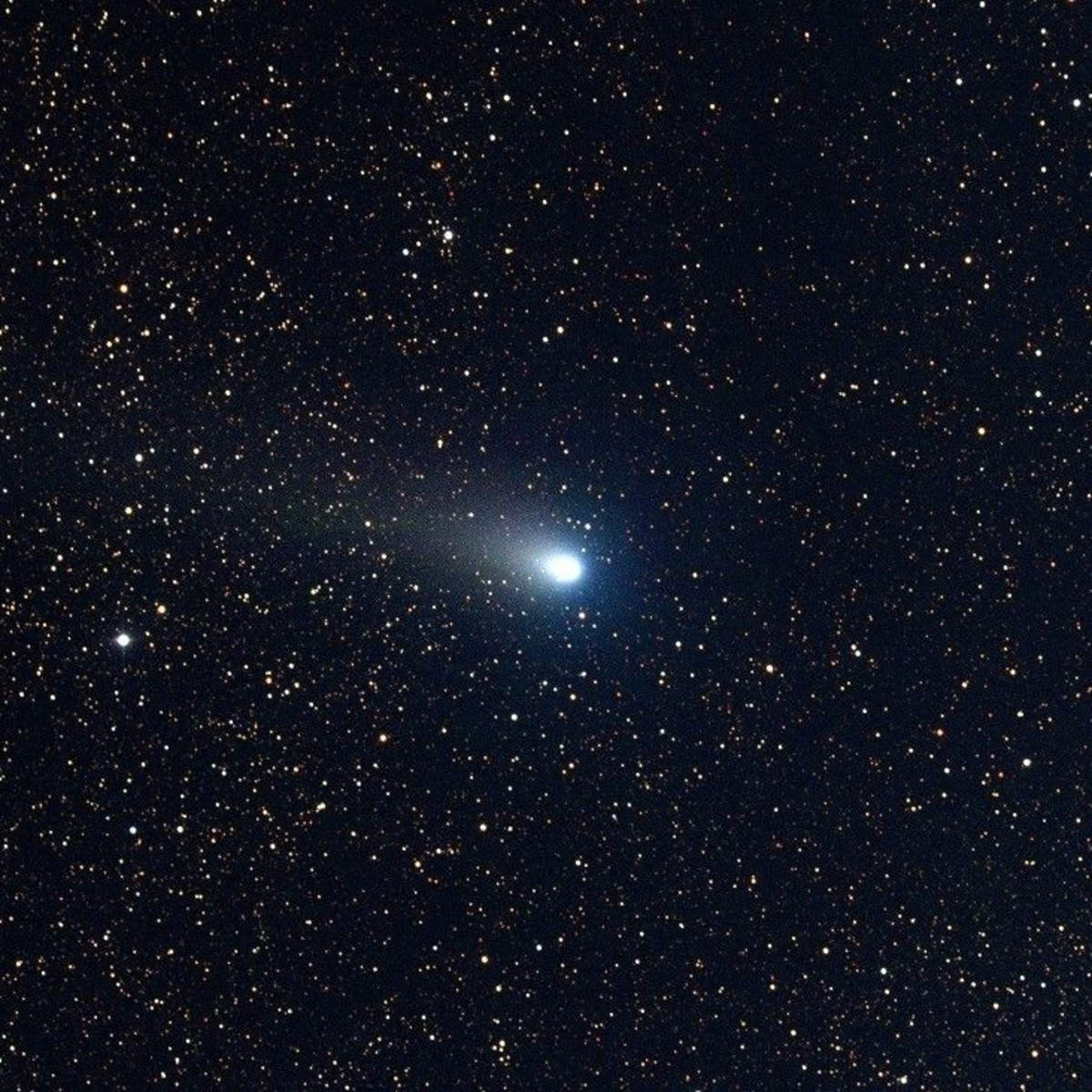
This unique clustering of debris is the mechanism behind the shower’s occasional dramatic outbursts, known to astronomers as meteor storms. Historical records confirm this potential, with spectacular events in 1933 and 1946 that produced rates of several thousand visible meteors per hour. While more recent returns, such as in 1985, 1998, and 2018, delivered only elevated, non-storm numbers, European observers did log a significant spike in 2011, reporting over 600 meteors per hour.
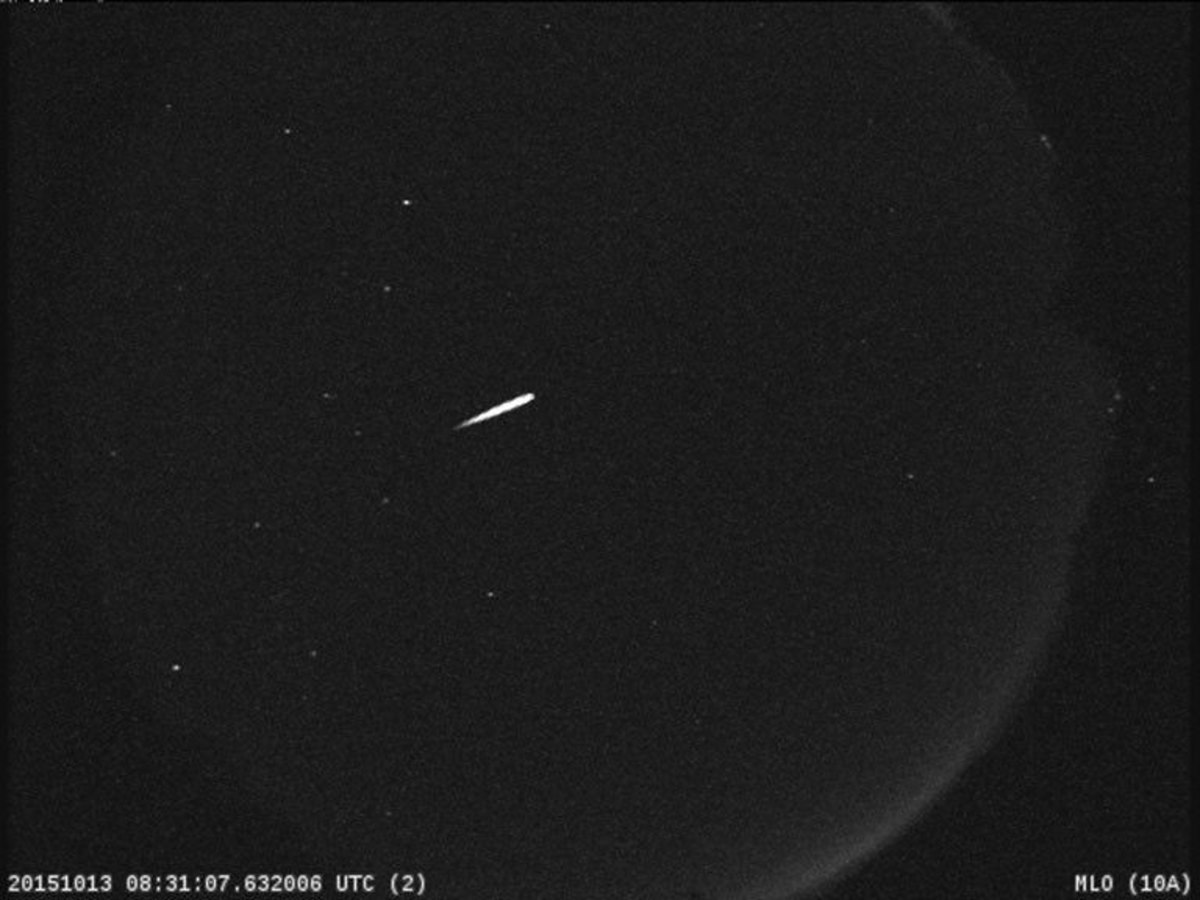
For those who miss the Draconids, October will offer a second opportunity to view an annual shower. The Orionids, debris from the famous Halley's Comet, will peak on the night of October 20-21. With the Moon in its new phase, these swift, bright meteors are expected to provide significantly better viewing conditions than the Draconids this year. To maximize the chance of a sighting, Northern Hemisphere viewers should direct their gaze toward the southeast sky. Conversely, observers in the Southern Hemisphere are instructed to look toward the northeast. Although the meteors are named for and appear to radiate from the direction of the constellation Orion, sky-watchers should remember that these spectacular streaks can become visible across any part of the celestial dome.
More on Starlust
October 2025 skywatching guide: Harvest Supermoon, Draconid meteor shower and more