Orionid meteor shower to light up the sky at its peak on October 21—when and how to watch
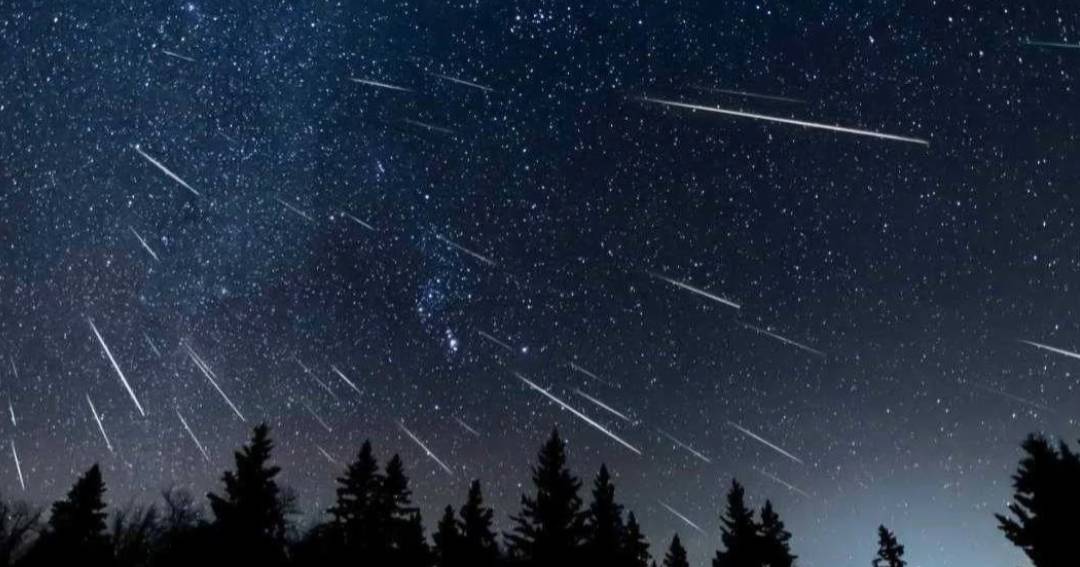
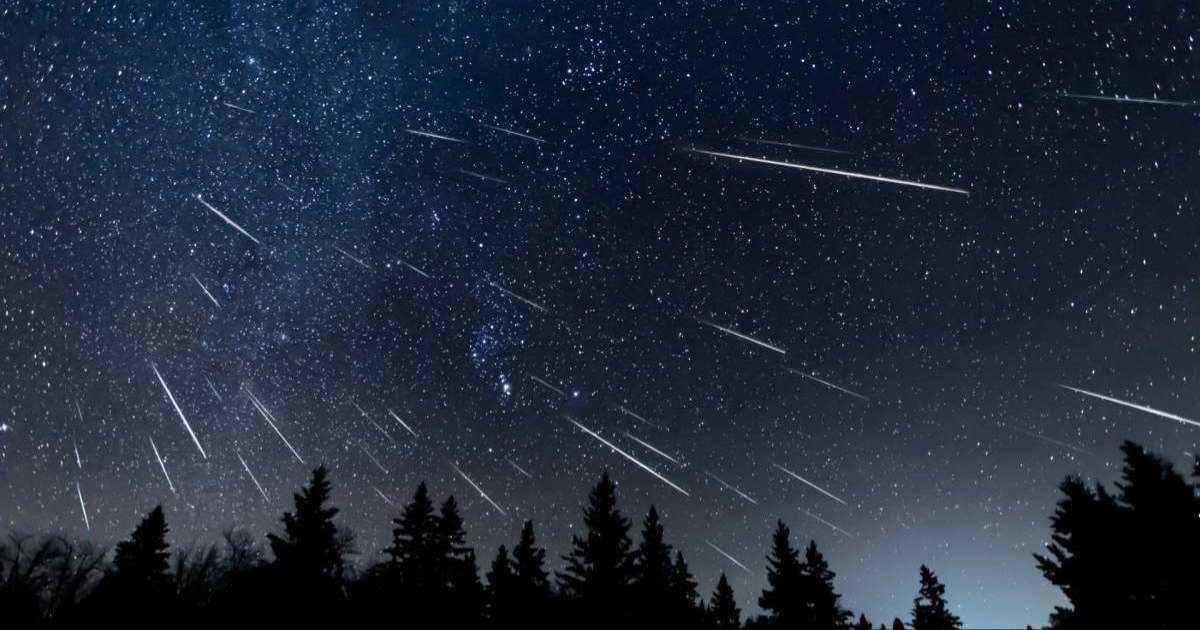
Stargazers are preparing for a prime celestial event as the Orionid meteor shower reaches its zenith on the night of October 21 at 10:00 p.m. EDT. Experts predict a dazzling light show, with as many as 20 meteors per hour visible streaking across the atmosphere, as per NASA.
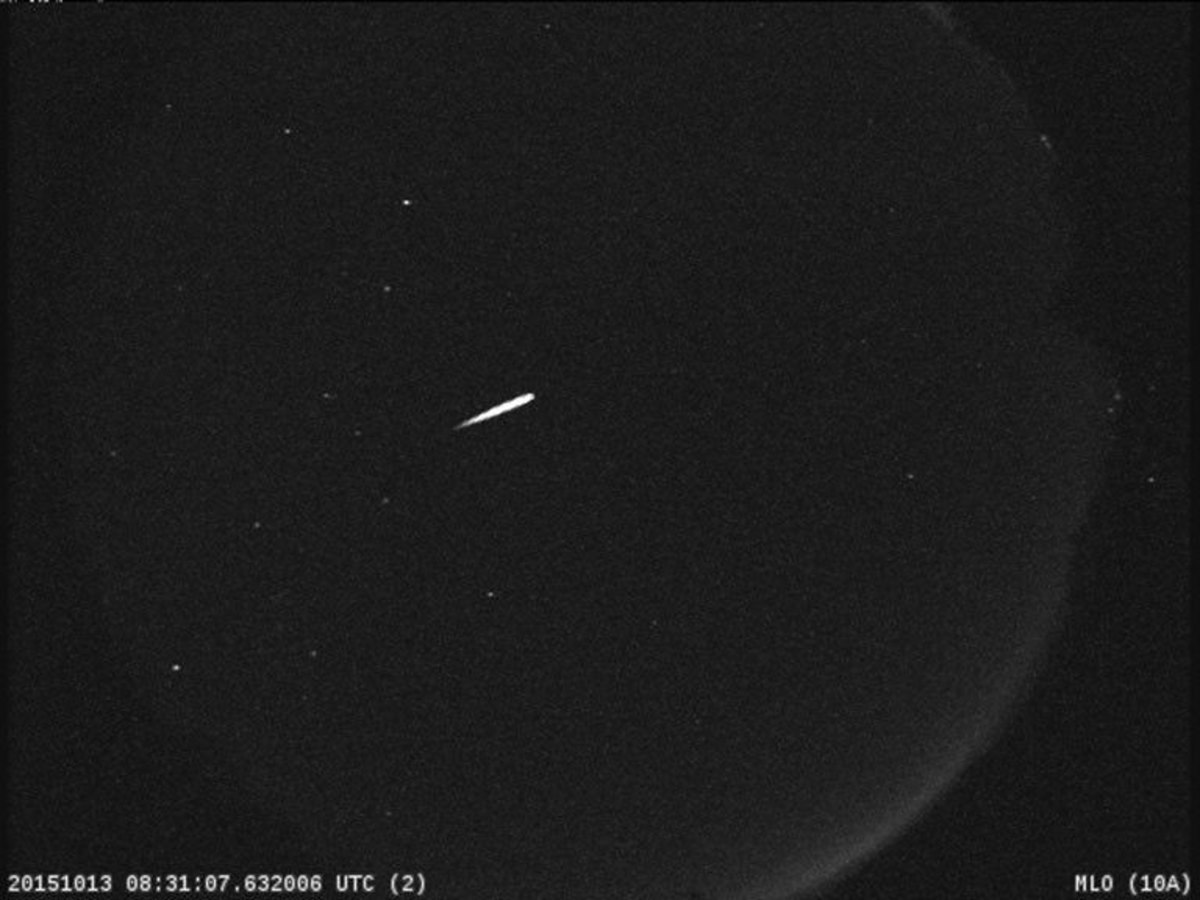
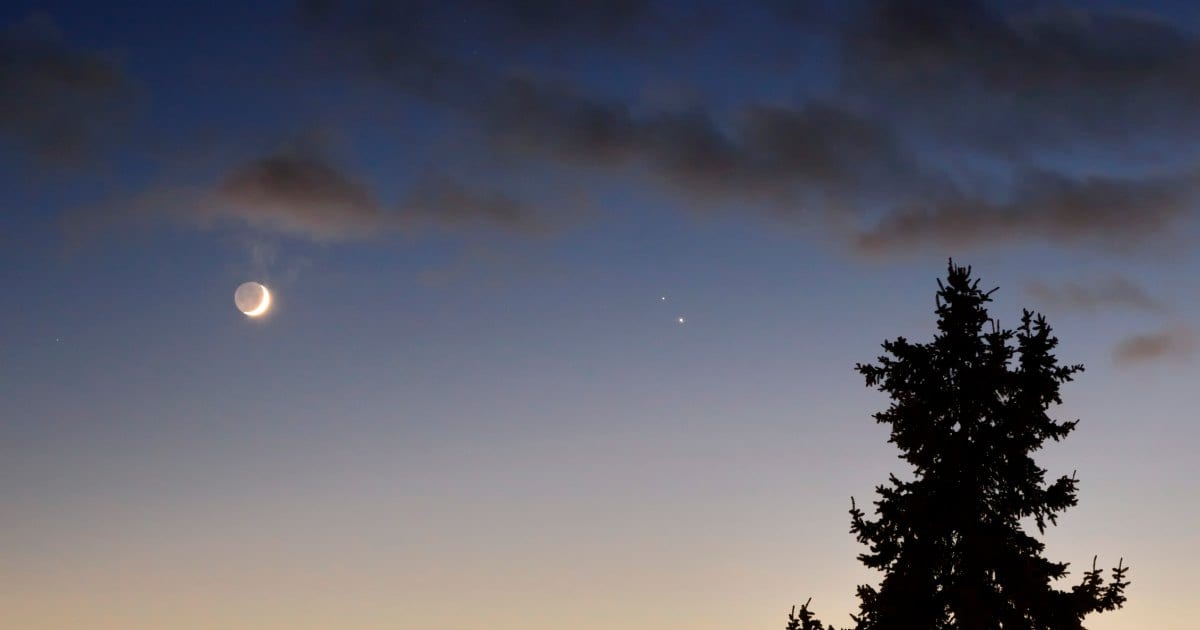
The annual shower is the result of Earth passing through the dusty trail left by the famed Halley's Comet. These comet fragments collide with our atmosphere, igniting into what we observe as meteors. While the shower is active for nearly two months, from late September to late November, the peak on the 21st offers the most promising viewing window. Crucially, this particular peak coincides with the October new moon. This lack of lunar illumination provides optimal viewing conditions, significantly increasing the probability of spotting the brighter, more dramatic "fireballs."
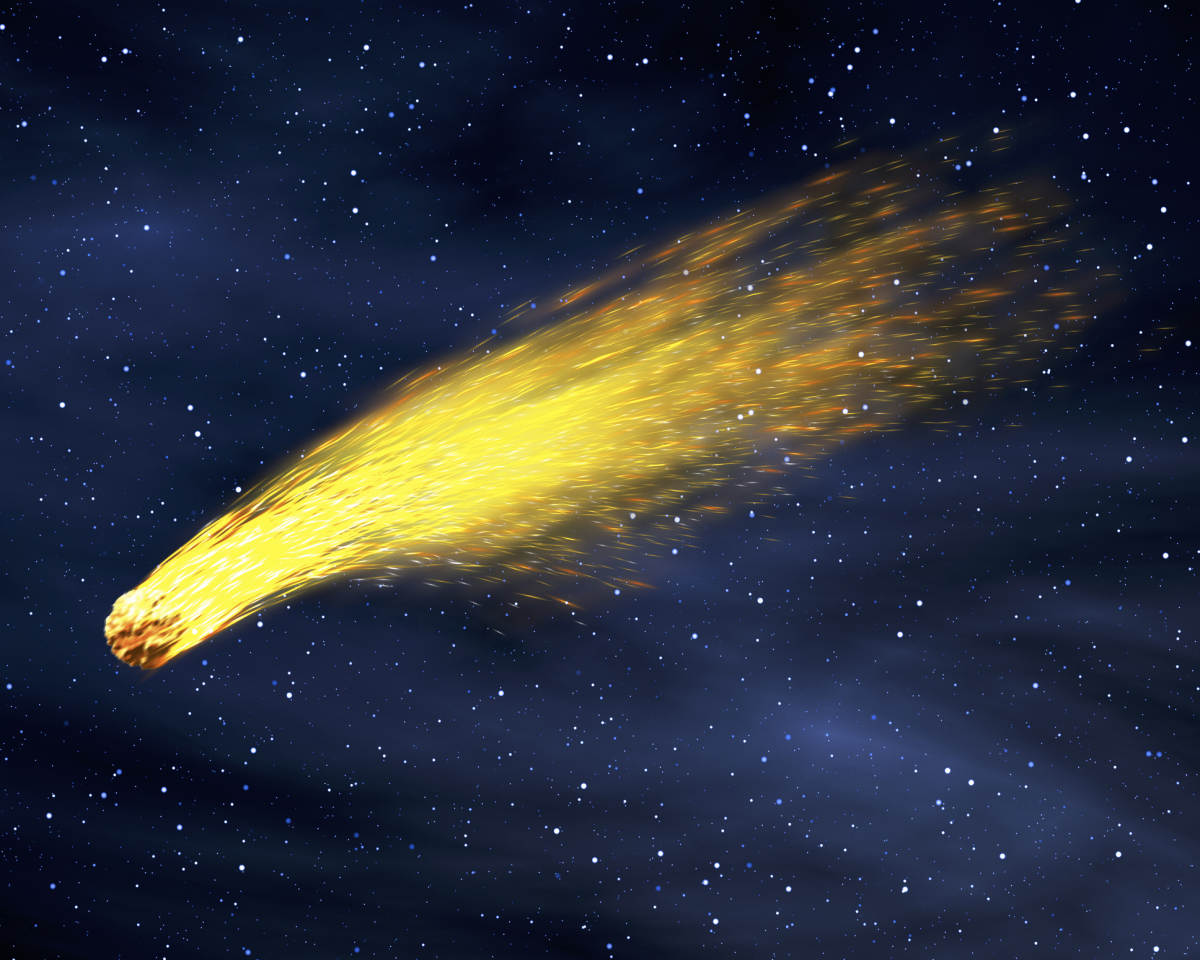
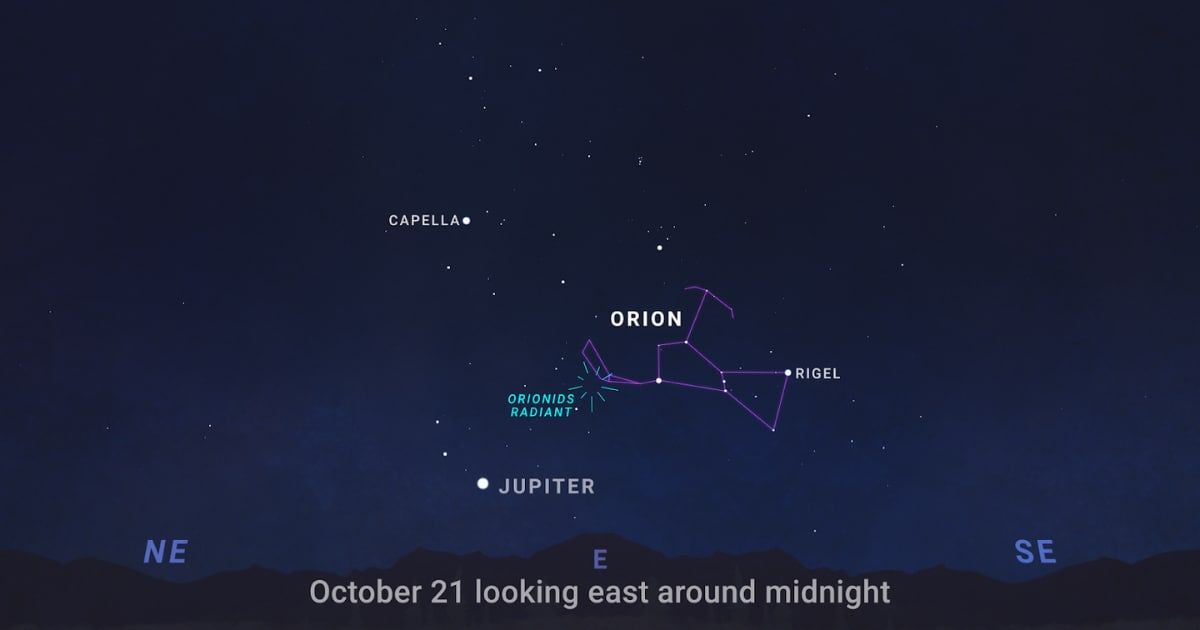
Northern Hemisphere viewers should direct their gaze toward the southeast sky. Southern Hemisphere observers should look to the northeast. While the meteors appear to originate from the direction of the Orion constellation, they can be observed in any part of the sky.
According to Earth Sky, this comet completes one orbit around the Sun approximately every 76 years, consistently shedding a trail of dust, much like steam from a train, along its path. Earth intercepts this ancient debris trail every October. Halley's Comet itself is a substantial body, estimated to be 5 by 9 miles (8 by 15 kilometers) in size. Even though its icy nucleus loses up to 10 feet (3 meters) of material each time it passes through the inner Solar System, its enormous scale ensures it can endure eons of orbits.

The comet is historic: it was the first comet for which its return was successfully predicted, a calculation made by astronomer Edmond Halley, hence its name, despite having been observed since 240 CE. Halley's orbit is unique; unlike most Solar System objects, it travels around the Sun in a retrograde orbit, meaning it moves in the opposite direction from Earth. This opposing motion dramatically increases the closing speed between the particles and our planet. The resulting high combined velocity is why Orionid meteors are known to be fast-moving.
The comet is a prolific source, generating not one but two annual meteor showers. The Orionids are produced by particles on the comet's inbound journey toward the Sun, while its outbound particles create the Eta Aquariid meteor shower, which peaks in early May. While Halley's Comet itself was last visible in 1986 and won't return until 2061, the Orionids persist every October. Skywatchers this month have a unique opportunity to view these remnants from one of the Solar System's most famous objects. Viewing the Orionids offers a direct, personal connection to the cosmos, allowing us to see tiny, ancient debris from Halley's Comet, a piece of our solar system's history, burn up high above Earth.
More on Starlust
Draconid meteor shower 2025: Easy watching tips from NASA
October 2025 skywatching guide: Harvest Supermoon, Draconid meteor shower and more