Venus is not geologically dormant, new computer simulations reveal

Similar to Earth in size, Venus is often called Earth’s evil twin for its blistering temperatures that can melt lead and a crushing surface pressure that is 93 times that of Earth. This lifeless planet was also thought to be geologically dormant. However, now, a computer-based model developed by researchers at ETH Zurich has revealed that the planet may still be geologically active, questioning the long-held view of its inactive nature. The scientists have discovered evidence that enormous rift valleys on Venus are actually young and may be actively forming today. They have described their findings in a paper published in Nature Geoscience.
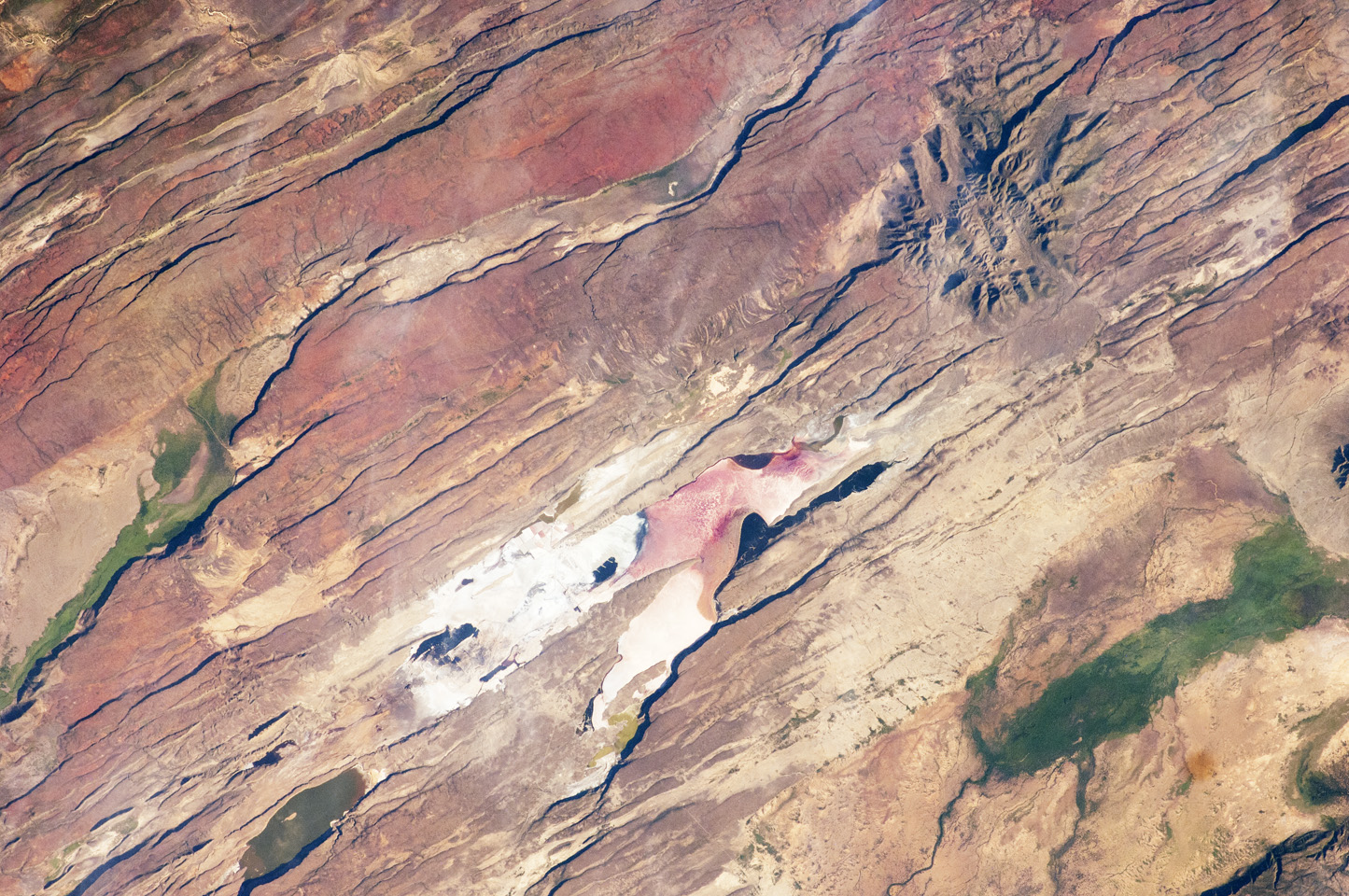
The rift zones on Venus have a total length of roughly 25,000 miles (40,000 kilometers), and they occupy an area of around 8% of the planet’s surface. These valleys indicate tectonic activity and resemble the East African Rift System on Earth. Previous studies had dated the valleys to be more than 100 million years old, but the team, led by Professor Taras Gerya and master's researcher Xi Yang, dealt a major blow to the picture of a dead world. They prepared the first high-resolution 3D simulations, recreating the formation of the giant rifts. Unlike earlier two-dimensional models, the new simulations revealed how the planet's crust behaves, unfolding the formation of rifts.

They found that young rift systems develop broad, elevated ridges known as rift flanks along their edges. These flanks remain steep and prominent while tectonic activity continues, but gradually flatten once movement stops. Surprisingly, the simulations indicate that the rifts widen at a rate of three to ten centimeters per year, much faster than previously estimated. The new study focused on the Ganis, Dali, and Devana Chasmata, which are the major rift systems on Venus. According to the study, the rifting is either still going on in these regions today, or points to activity within the past few tens of millions of years.

The simulated Venus landscapes closely matched images captured by NASA's Magellan spacecraft as it orbited and mapped the planet in the 1990s. The spacecraft captured radar images of rift valleys—the same wide, elevated rift flanks predicted by the model. The computer simulations and spacecraft observations suggest that Venus is active, uncovering that it has a dynamic interior capable of driving tectonic activity and possibly fueling active volcanoes.
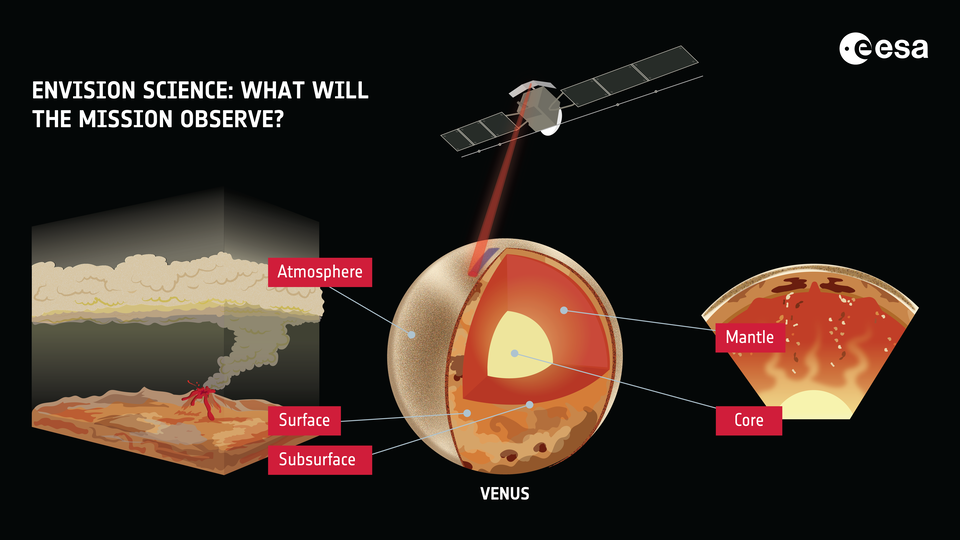
The discovery may rekindle interest in exploring Venus. NASA and the European Space Agency (ESA) are jointly working on a new generation of missions to explore Venus. Of these missions, NASA is supporting ESA's EnVision mission, which will study the planet’s surface and dense upper atmosphere and lift off in the early 2030s. Researchers from ETH Zurich are involved in this mission, and are assisting in designing the mission's scientific instruments, hoping to identify regions where geological activity is occurring today.
More on Starlust:
Did life come to Venus from Earth or Mars? New study offers clues
Data from NASA's MAVEN orbiter shows Mars gets Earth-like auroras—here's how