Scientists may finally know why astronauts get constipated in space—and how to avoid it on Moon and Mars missions
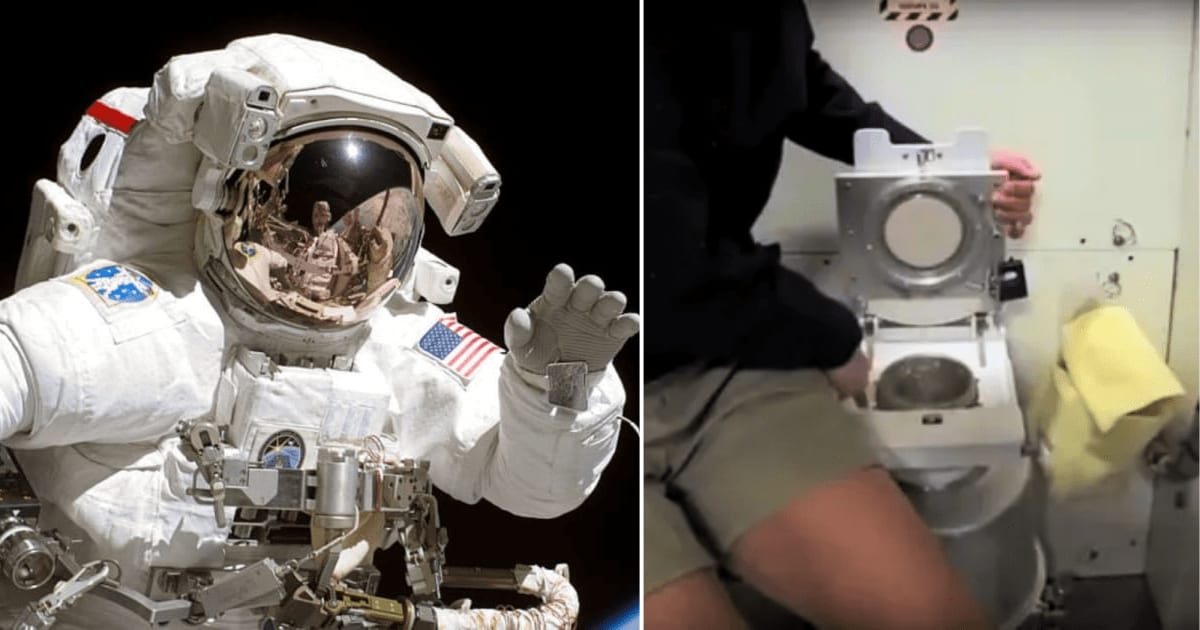
A known side effect of space travel is constipation, and scientists may finally know why it happens. In collaboration with NASA, a team of researchers from the University of Copenhagen studied blood samples of astronauts living in space and found that gut bacteria behave differently in microgravity, causing gastrointestinal changes. Findings of this study, published in the journal Nature Communications, could provide insights into ways to avoid constipation and improve gut health in astronauts on long-term missions to the Moon and Mars.
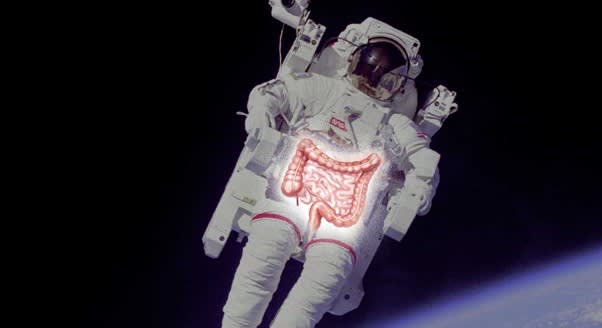
The study focused on blood samples of 52 astronauts who spent between 2 and 9 months aboard the International Space Station (ISS) between 2006 and 2018. Zeroing in on the samples suggested that microgravity may be slowing down the movement of food through the intestines and causing protein fermentation at a higher rate than on Earth. Protein fermentation happens when gut bacteria begin breaking down protein when all the fiber has been used up.
“The lack of gravity in space probably causes food to move more slowly through the intestine, and this fits with the fact that we are seeing signs of increased protein fermentation. This may also help explain constipation in astronauts," Henrik Roager, who is also an associate professor at the Department of Nutrition, Exercise, and Sports, said in a statement. The researchers also found that protein fermentation happens to a greater extent than usual within weeks after the astronauts fly to space and continues until they’re back on Earth.
"The samples we have analyzed come from a total of 52 different astronauts, on different missions and across many years. This is very different from how you normally do a study. So, it is quite impressive that our method has been able to show so clearly that there is consistently more protein fermentation," joint first author and assistant professor Jan Stanstrup said.

The authors wrote in the study that in the 488 plasma samples collected, they identified spaceflight-induced changes in multiple metabolites. These are small molecules in our circulation that provide insights into what food goes inside the body and how the intestines are functioning, among other things; and changes in the gut can affect other parts of the body, including the brain. Lars Ove Dragsted, senior author of the study and professor at the Department of Nutrition, Exercise, and Sports, explained that protein fermentation is often associated with kidney damage and potential effects on mood or reduced ability to focus, among other negative effects.
How to avoid constipation in space?
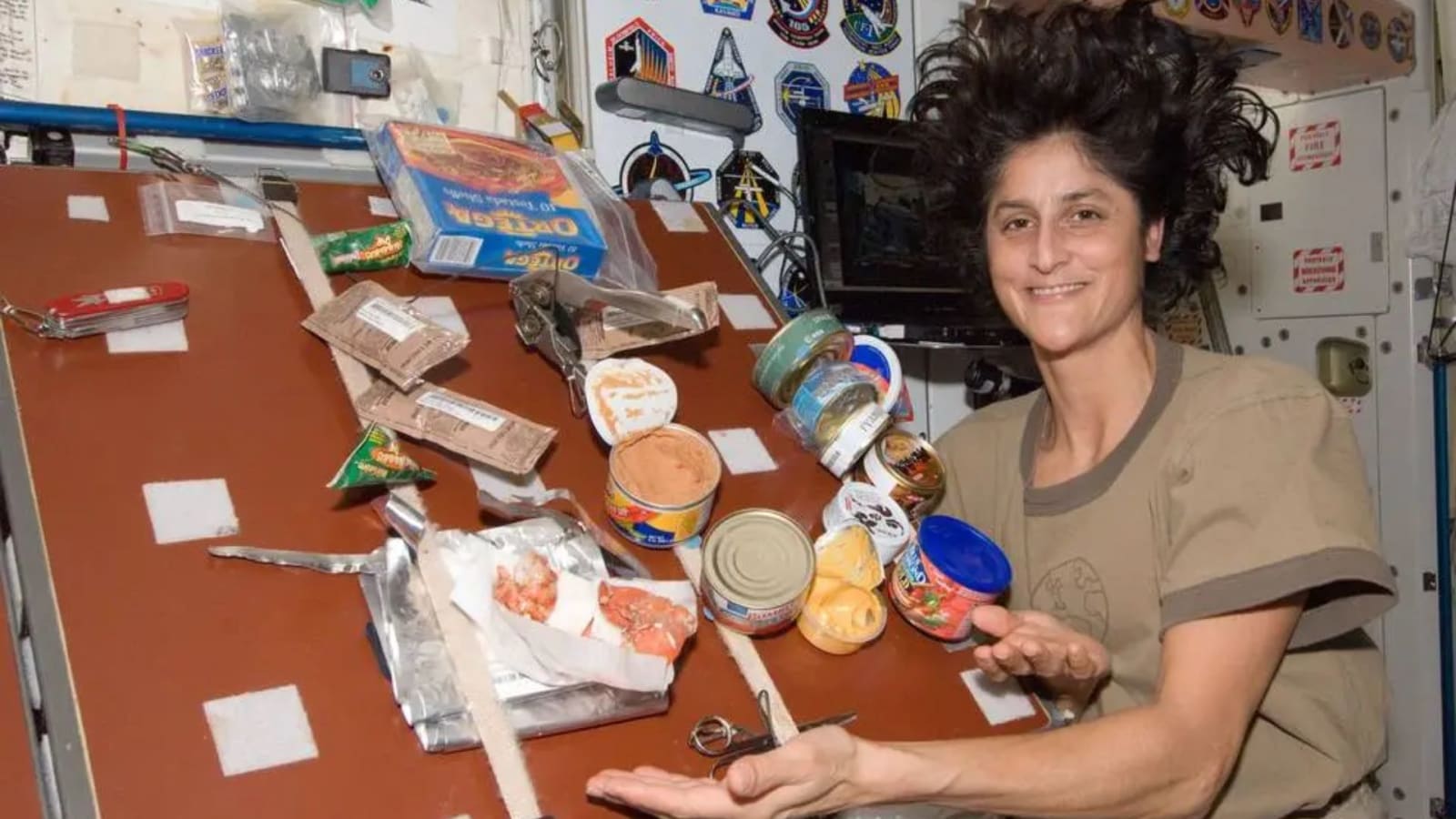
Scientists need to find solutions to control protein fermentation in order to ensure a healthy gut and keep astronauts free from constipation on long-term missions. They say alternatives like increasing dietary fiber, supplementation with prebiotics, or treatments that would reduce the transit time of food in the intestines could work. "This would help reduce protein fermentation and thus provide a healthy gut environment and avoid negative health consequences," Roager said. Interestingly, this study also has implications for patients on Earth, as protein fermentation is fairly common, just not as prominent as in space travelers.
More on Starlust
X-ray images taken during the Fram2 mission could change how astronaut health is monitored in space
Microgravity and radiation in space can have dangerous effects on an astronaut's liver, study finds