The Mars-sized object that created our Moon may have been more iron-rich than suspected, study finds
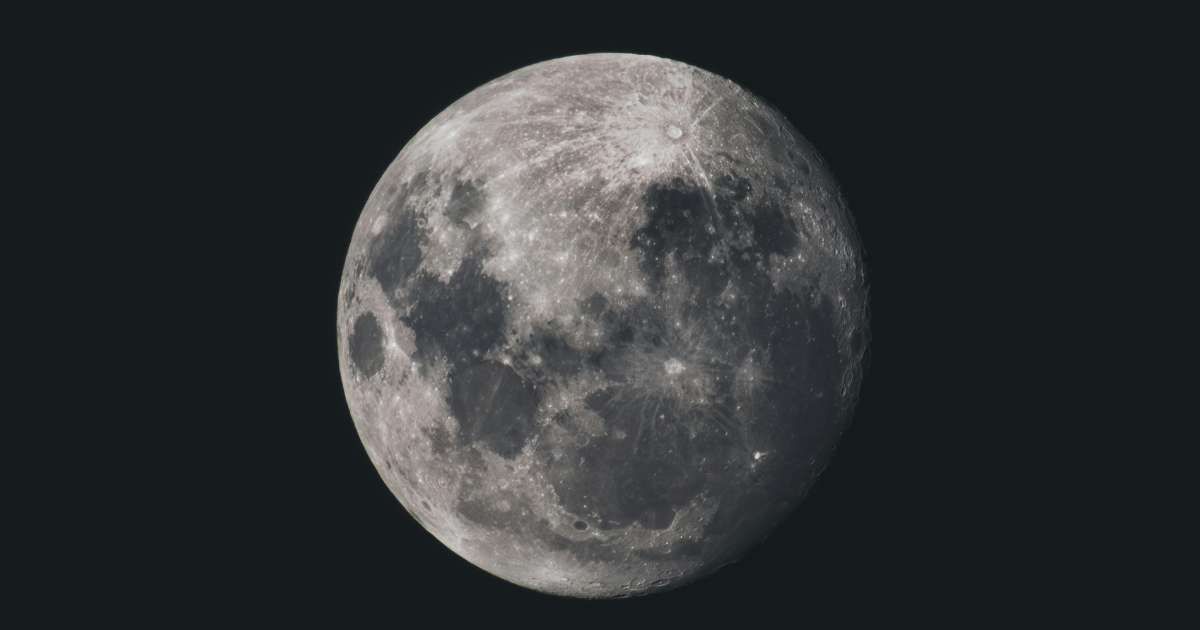
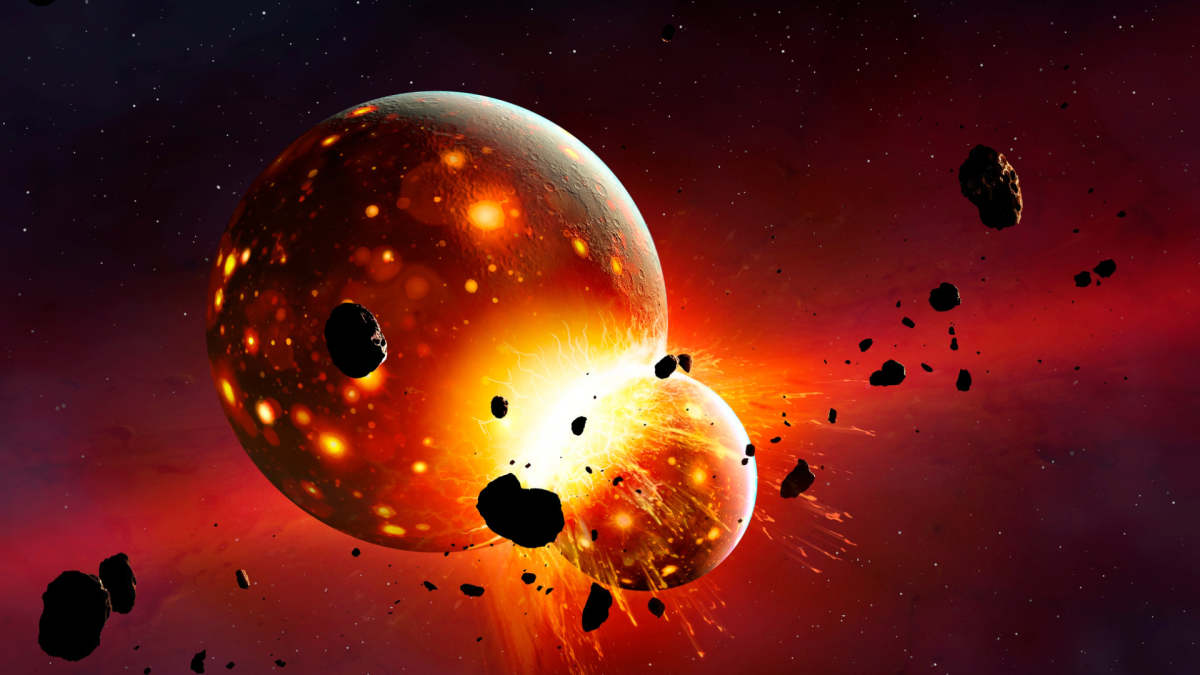
The Moon’s origin story may be due for a rewrite. It is widely accepted that nearly 4.5 billion years ago, soon after the solar system was formed, a Mars-sized proto planet, aka Theia, collided with a "proto-Earth" in what is known as the "Giant Impact." As the debris from this impact cooled down, layers with varying iron and mineral content crystallized to form the Moon. Now, recent findings, published in the journal Geophysical Research Letters, hint that the impactor may have been richer in iron than previously thought.
While the Moon’s origin can be traced back to 4.5 billion years ago, the composition and structure of Earth's only natural satellite have rarely undergone any change for the simple reason that the Moon does not have any weather nor tectonic movement. So far, information about the composition of the lunar interior has been based on the data obtained by seismometers deployed during the Apollo days. However, the problem is that seismic wave velocities cannot be linked to specific mineral compositions without data on the elastic wave velocities of the Moon's mantle constituents under high pressure and temperature. And that data is scarce.

To address this gap, a group of scientists at GRC tracked how the P- and S-waves travel through a key lunar mineral called orthopyroxene under extreme pressure and heat. Their study used ultrasonic techniques along with synchrotron X-ray measurements in a multi-anvil press at the synchrotron radiation facility SPring-8 (Japan). The elasticity data that was obtained from the experiment was then combined with existing data on iron-rich olivine in order to model the P- and S-velocities and density of the lunar upper mantle.
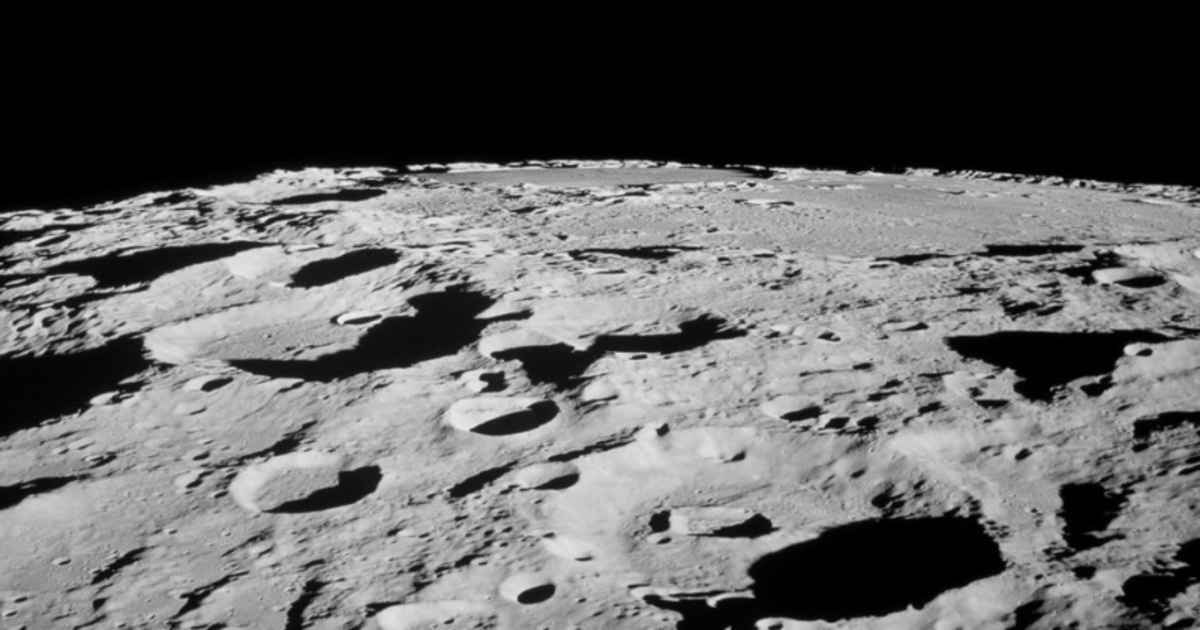
According to that model, the seismological observations of the Moon's upper mantle at 40 to 740 km of depth can only be accounted for by lunar mantle rock containing 20 mol.% of iron. "This new finding has wide implications for the formation and evolution history of the Earth-Moon system such as the composition of the impactor, Theia, may have been denser and richer in iron than previously thought," notes the press release published on EurekaAlert. This is also an indication that the Moon was far more active in terms of volcanic activity and internal dynamics than previously suspected. This would have led to faster cooling and a more long-lasting lunar magnetic field.
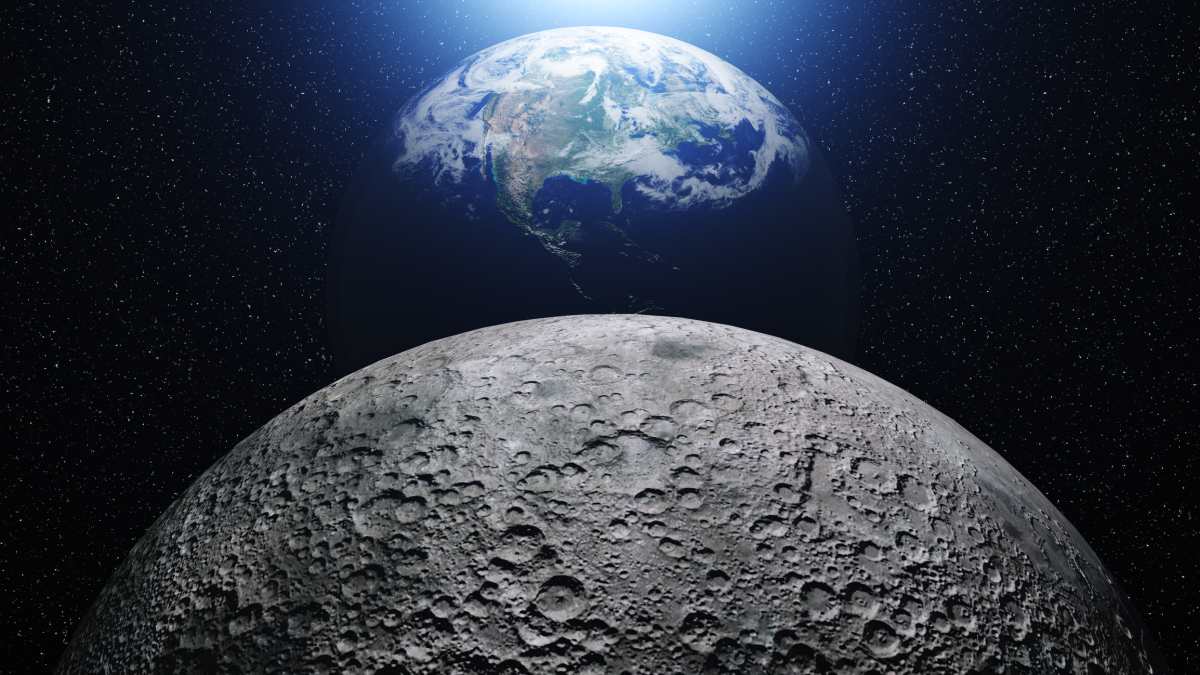
Owing to the fact that Earth and the Moon share a common history of origin, scientists have been trying to unravel the interior of the Moon to understand the evolutionary history of the Earth-Moon system. It could also help scientists better understand the composition of Earth during its early days.
More on Starlust:
New research identifies where water is most likely to be found on the Moon
Scientists aim to curb space junk risks by using AI to locate debris in the Earth–Moon region