The Eta Aquariid meteor shower will peak on May 6, 2026. Here's all you need to know
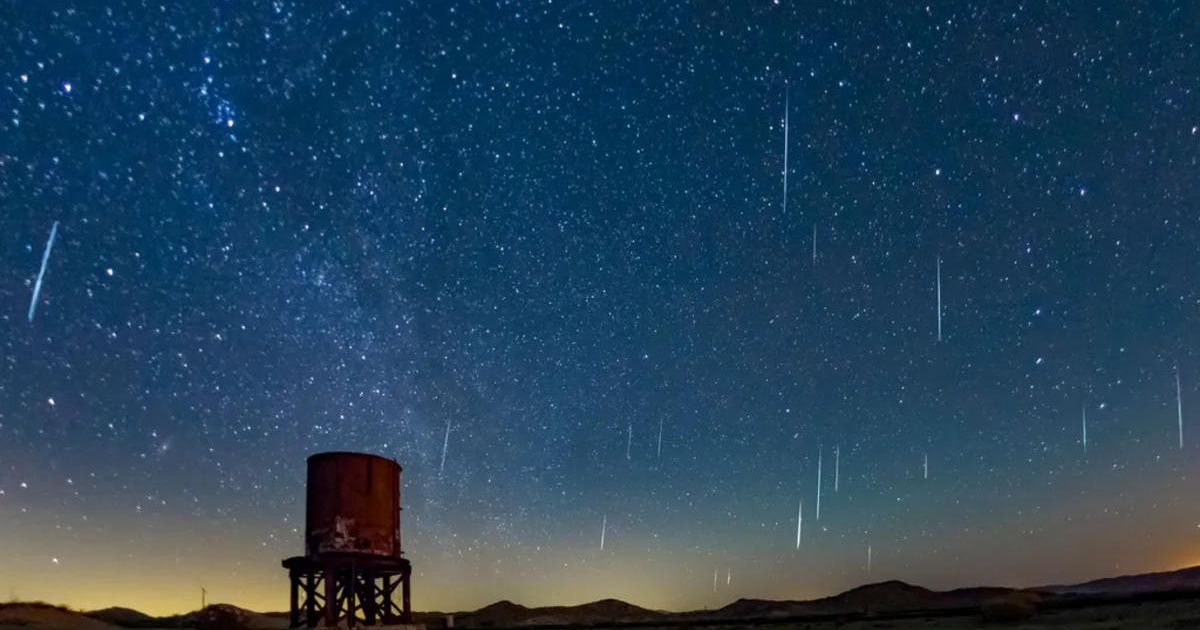
The Eta Aquariids are set to peak on May 6, 2026, but this year, due to the high luminosity from a waning gibbous Moon, as well as moderate cloud coverage, the visibility of the meteor shower is expected to be severely affected.
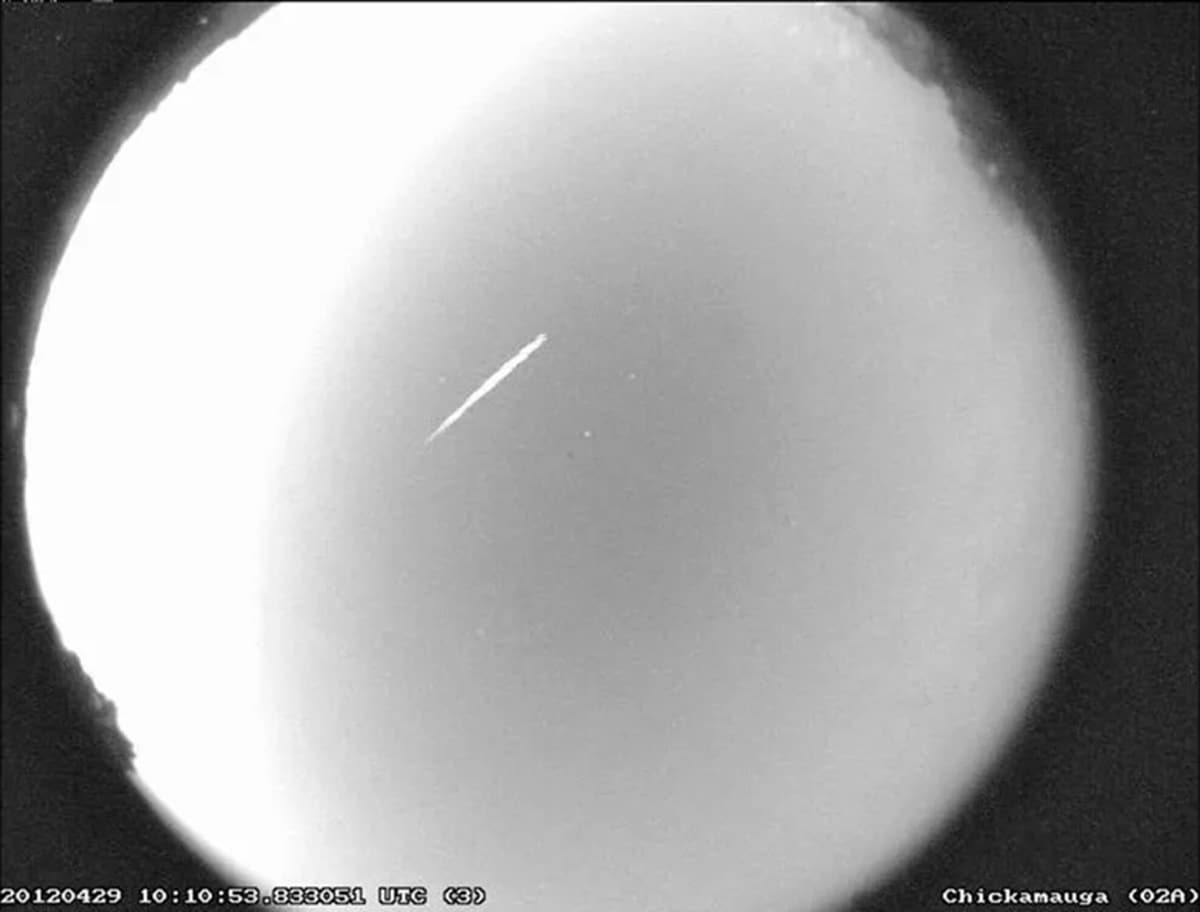
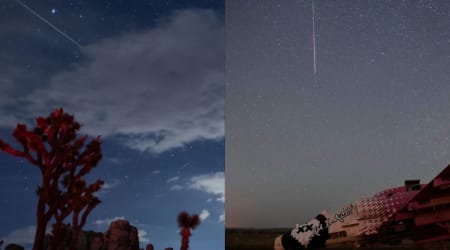
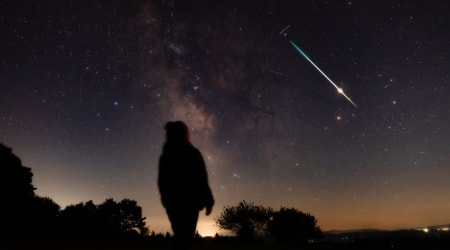
Offering sky-gazers a chance to witness the brightest and fastest meteor shower, the Eta Aquariids meteor shower will continue for most of the month, ending on May 28. Under ideal conditions and a dark sky, this celestial spectacle can produce up to 50 meteors per hour, with the objects travelling at nearly 40.7 miles per second. However, this year, due to unfavorable conditions, observers may be able to see only 10 meteors per hour from various locations, according to NASA.
As per the records of the Meteor Data Center, there are 900 suspected meteor showers, out of which over 100 are listed as established by the International Astronomical Union (IAU). The best view of the Eta Aquariids will be available from the Southern Hemisphere, particularly from regions such as Australia, New Zealand, Chile, and South Africa, where the radiant rises higher in the sky. In the Northern Hemisphere, including India, the United States, and the UAE, visibility will be moderate. Regions like the United Kingdom, Germany, and Canada, meanwhile, can expect a faint view of the meteor shower.

The Eta Aquariids meteor shower radiates from the constellation Aquarius and is named after Eta Aquarii, one of the four stars that make up the 'Water Jar' asterism within the constellation. Although this particular meteor shower appears to originate from the Aquarius constellation, the star grouping is not the actual source of the meteors.
The Eta Aquarids Meteor Shower peaks on the morning of Thursday May 7th!!!
— Perth Observatory (@perthobs) May 4, 2026
The cosmic crumbs left behind by Halley’s Comet tail, they happen each year around this time of year as Earth passes through this leftover trail. The tiny dust and ice particles collide with our… pic.twitter.com/BcCTk4NHuO
What sets it apart from many other meteor showers is its link with the famous Halley's comet (1P/Halley). There are two strong meteor showers born out of the debris of comet Halley. One is the Eta Aquariids, which is visible in May, and the other is the Orionids, seen in October. Orbiting around the Sun once in every 76 years, the comet was last spotted in the inner Solar System in 1986 and will be visible again in 2061.
Unlike the Lyrid meteor shower last month, the Eta Aquariids are known for leaving behind a persistent glowing trail—scientifically known as "persistent trains"—which can remain in the sky for several seconds to minutes after a meteor is spotted. For catching the best view of this trail, a pollution-free night sky is a must. That said, you do not need any telescope or binoculars to take a look at the Eta Aquariids.
After the conclusion of this meteor shower, the Southern Delta Aquariids will be visible from July 12 to August 23, followed by the Alpha Capricornids, from July 3 to August 15.
More on Starlust
The Lyrid meteor shower will peak later this month: Here's all you need to know
Why it's 'almost impossible to track' meteoroids in space, NASA explains