Skywatching events in March 2026: Onset of spring and more

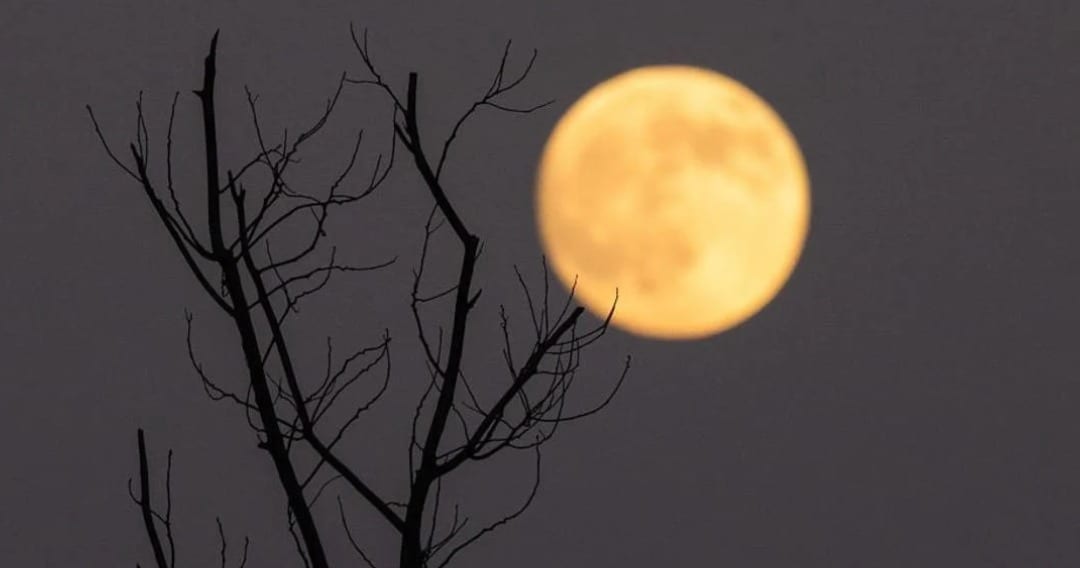
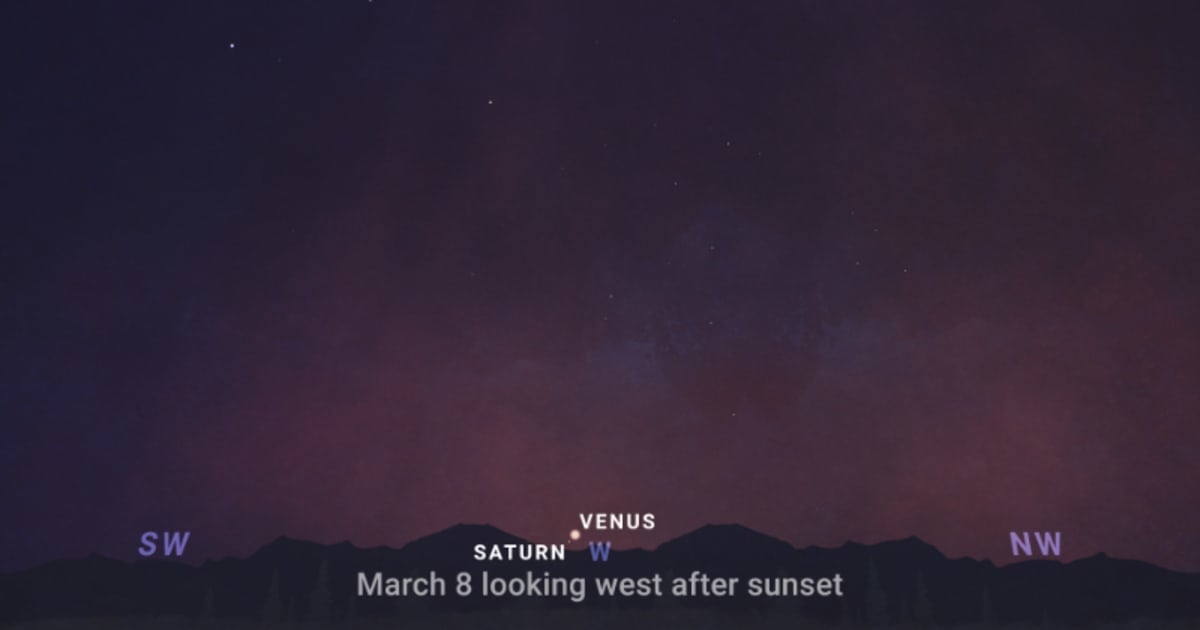
Besides ushering in springtime in the northern hemisphere, March has brought along its own set of skywatching treats. Besides the Blood Worm Moon and the Venus-Saturn conjunction that graced the sky early on in the month, notable events like occultations of stars and lunar conjunctions with celestial bodies are yet to follow. NASA has provided a few tips for observing these celestial marvels. Besides these opportunities.
Vernal equinox
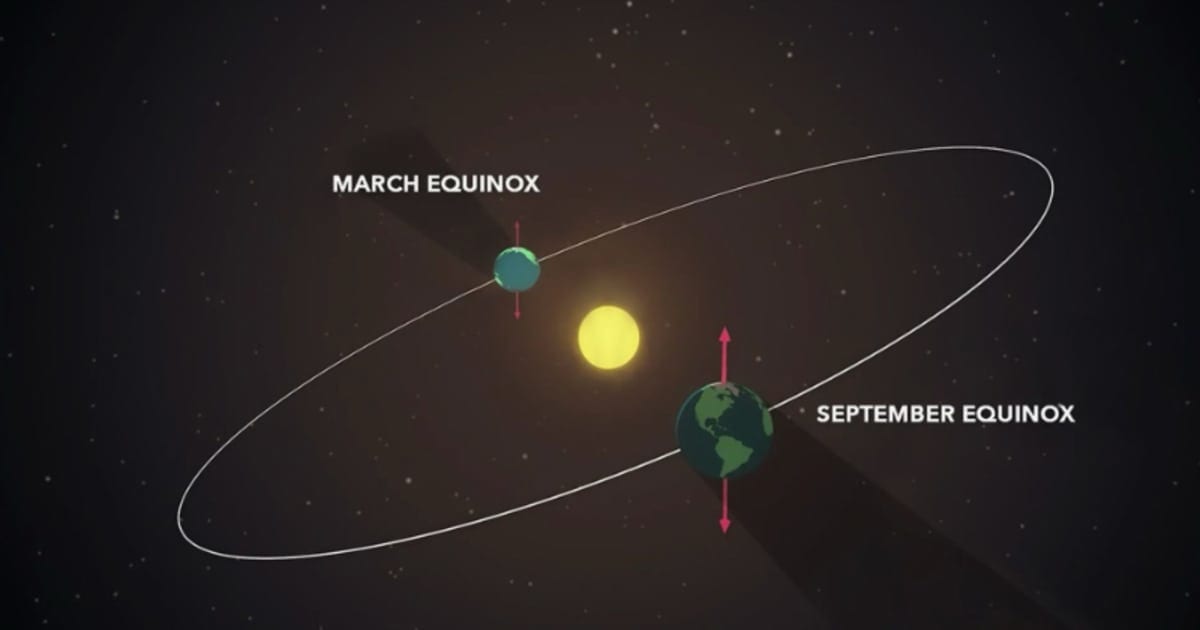
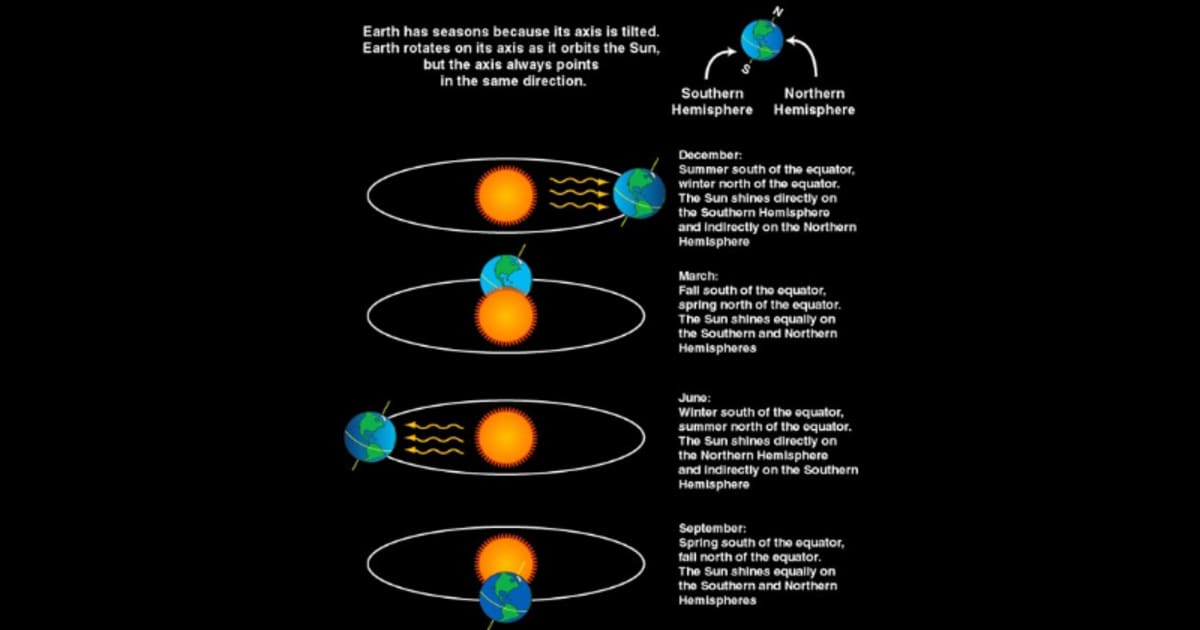
On March 20, 2026, Earth will see the center of the Sun cross the plane of its equator. Here, the planet will be in a vernal equinox, which will mark the first day of spring in the northern hemisphere. Moreover, on the day, people in both the northern and southern hemispheres will experience almost equal amounts of sunlight, with the day and night lasting almost exactly 12 hours each. Thereafter, the Sun will move further north of the equator with each passing day until the summer solstice in June.
Skywatching during the vernal equinox
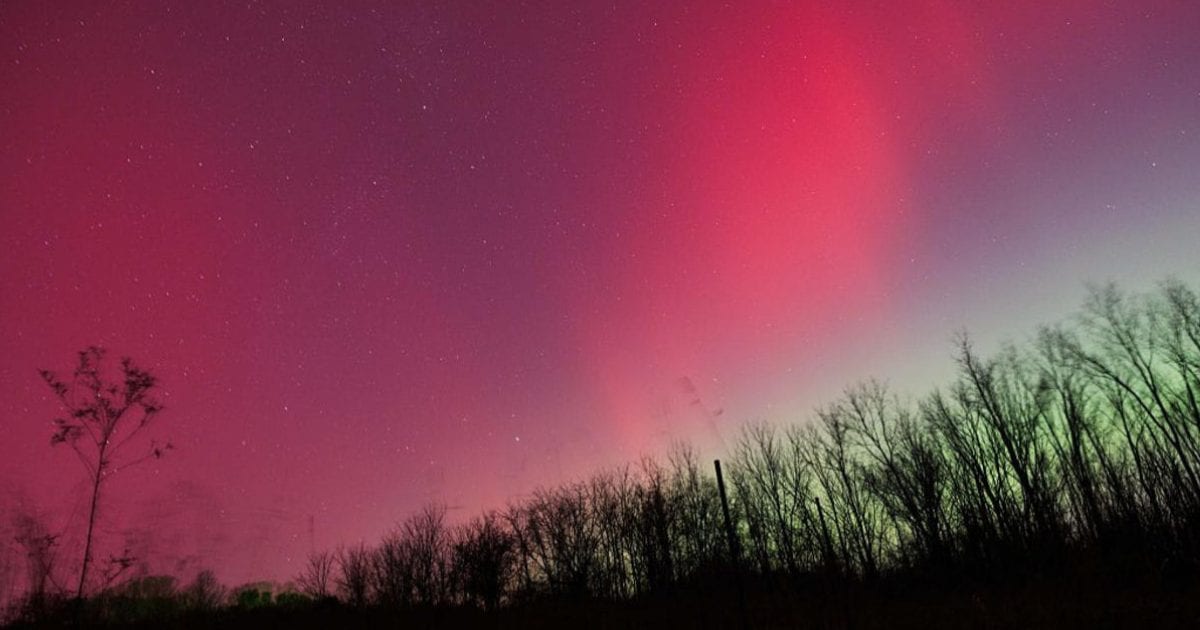
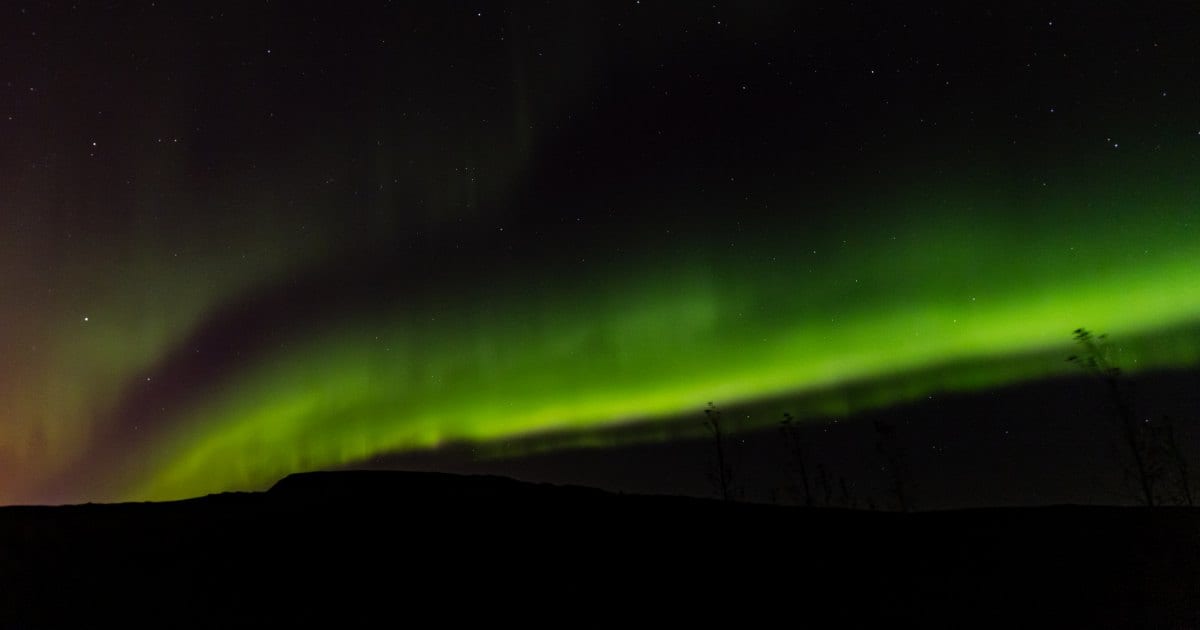
According to NOAA, the center of the Sun will cross the plane of Earth’s equator at precisely 10:46 am ET on March 20. The vernal equinox does not manifest itself from a skywatching perspective. One can instead make rudimentary observations to verify the equal lengths of day and nighttime or make use of shadows. That being said, the equinox is often associated with heightened northern lights because of the orientation of Earth's poles at the time. Besides Alaska, which sees relatively clear skies in March, auroras may even be spotted as far south as the Great Lakes.
New moon
Though the above-mentioned equinox is more of a marker of seasonal transition and not a spectacular occurrence per se, more observations can be made across the skies for visual indulgence. The darkness of the new Moon on March 19, 2026, will make observations of deep sky objects around it possible. This includes the Beehive Cluster, which will have optimal visibility thanks to moonlight not obscuring its features.
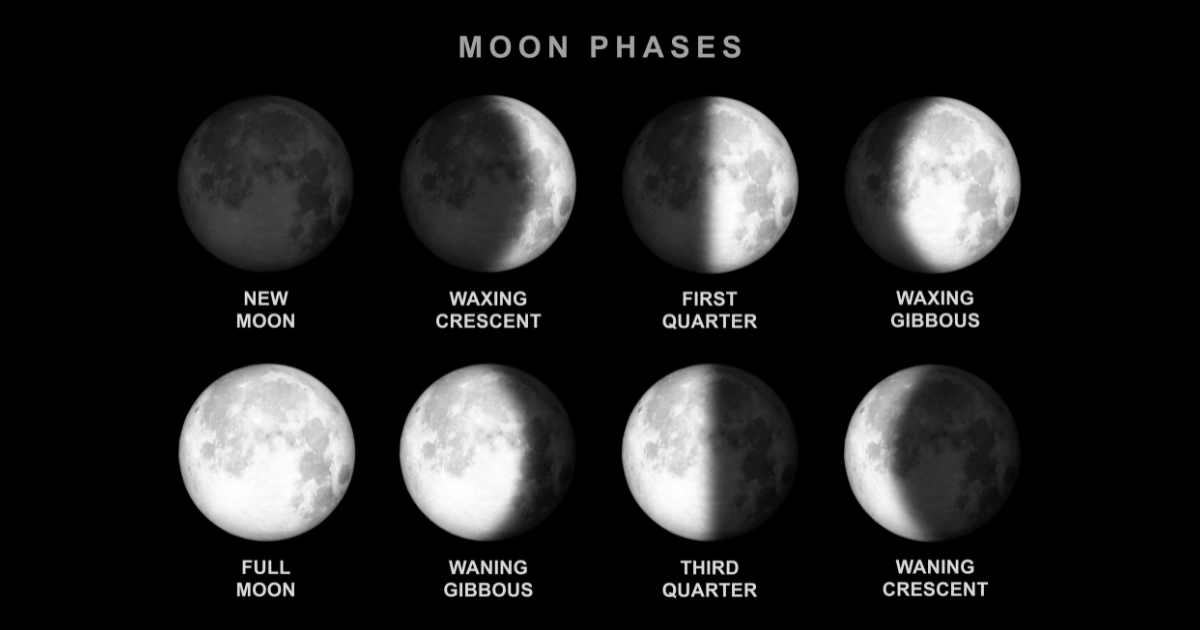
Lunar conjunctions and occultation
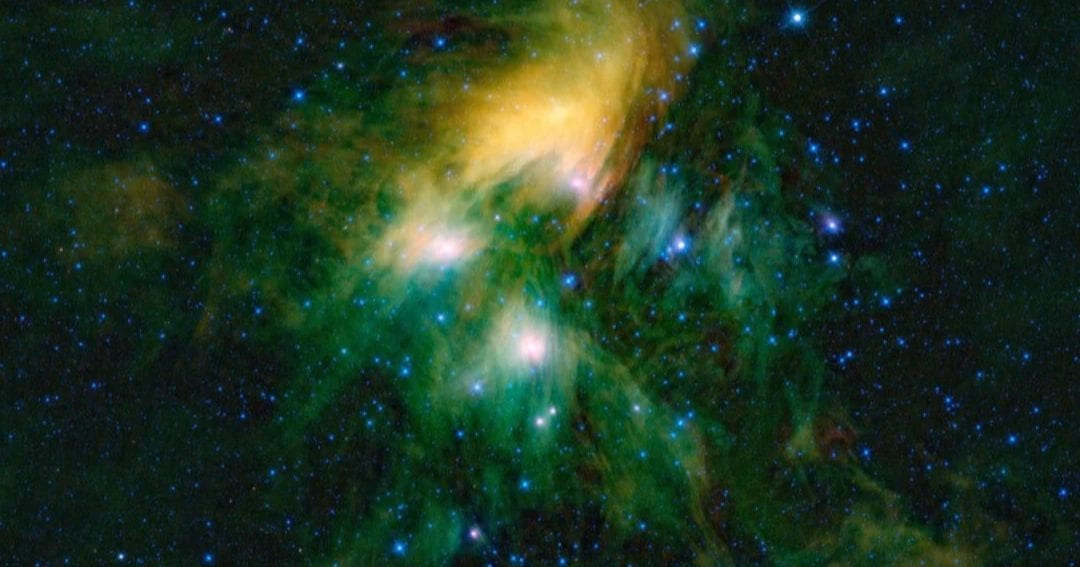
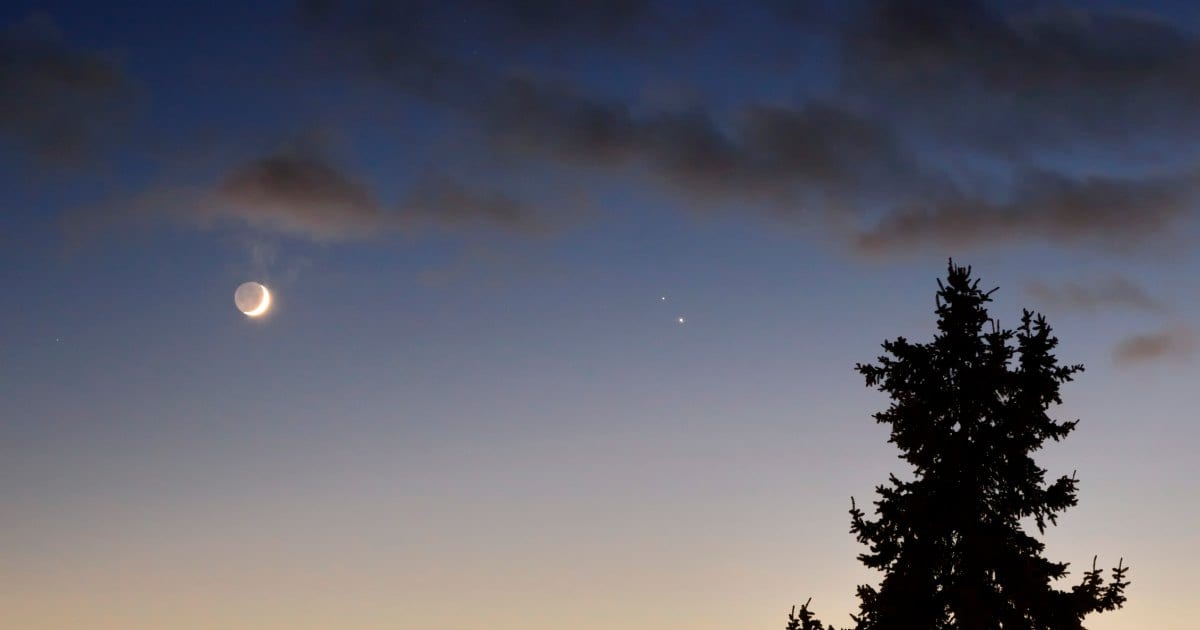
The Moon will also come close to the bright star cluster Pleiades a few days later on March 22, 2026. To watch the pair, look towards the western sky about an hour or 90 minutes after sunset. A few days later, the Moon will find Jupiter in its vicinity in the night skies of the 26th and 27th. Both will stay close to the Orion constellation during this time and will move together from sundown till pre-dawn hours, according to National Geographic. Finally, the Moon will close in on Regulus by March 29, 2026. While American skywatchers will not be able to watch the Moon cross directly in front of the star, those in parts of Africa, Asia, and Europe will be able to view the occultation.
What comes next?
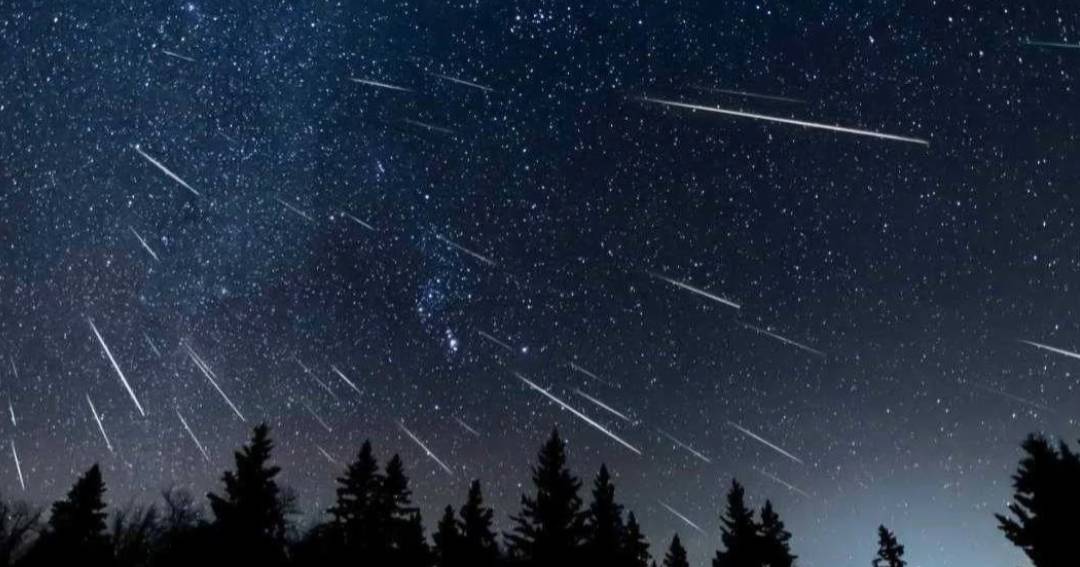
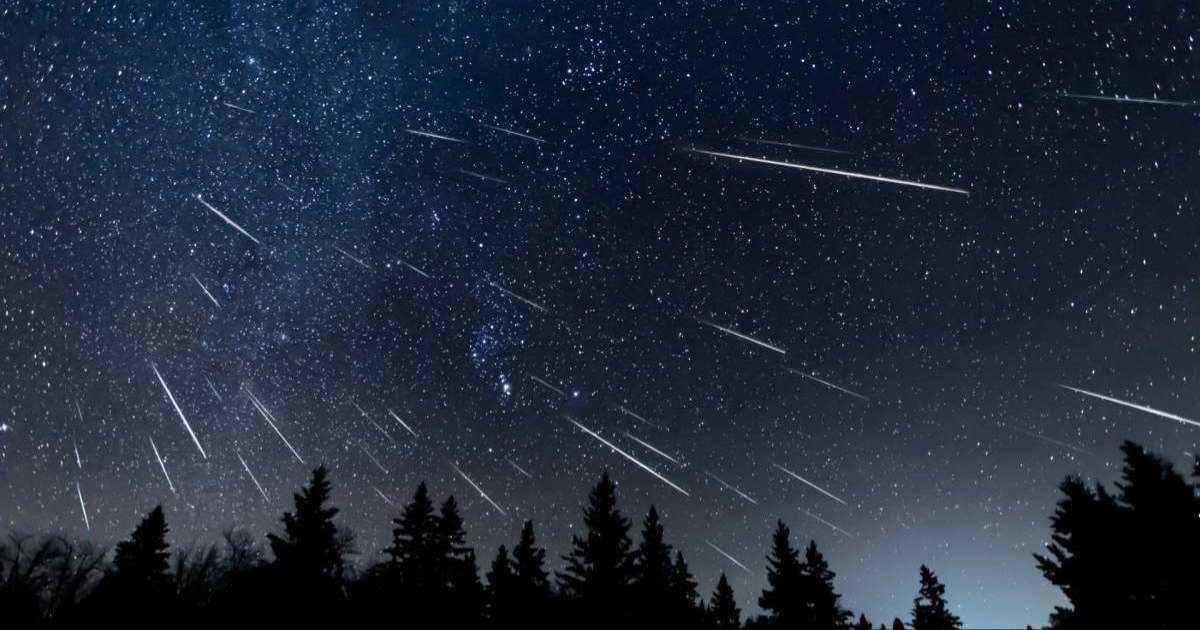
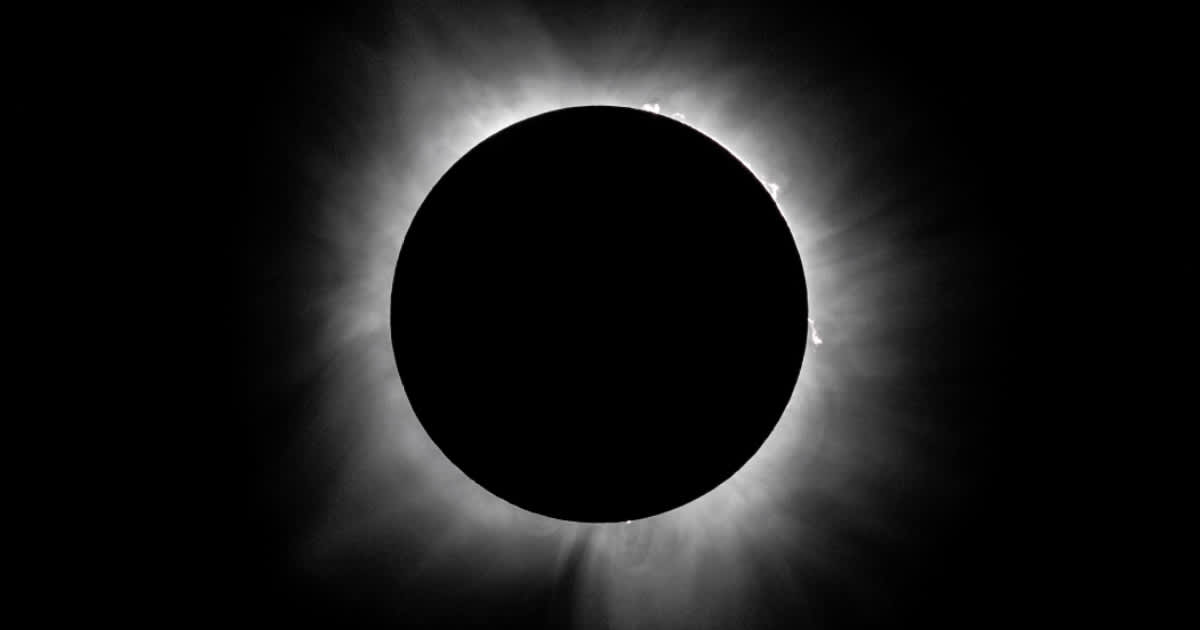
The year 2026 is full of skywatching events that give celestial observers worldwide a chance to capture them. After the photo opportunities offered by the Blood Moon lunar eclipse, two new moons will occur in the single month of May. This second moon is referred to as a blue moon, which is a misnomer in that the Moon doesn’t actually appear blue. In November and December, its closest approach will mean we’ll get to see supermoons. A total solar eclipse is to follow in August. Finally, the skies will be lit up by a couple of meteor showers this year, namely, the Perseids in August and the Geminids in December.
More on Starlust
When is the next total solar eclipse and where can you watch it?
Here's how you can access JWST and Hubble Telescope observations live from home