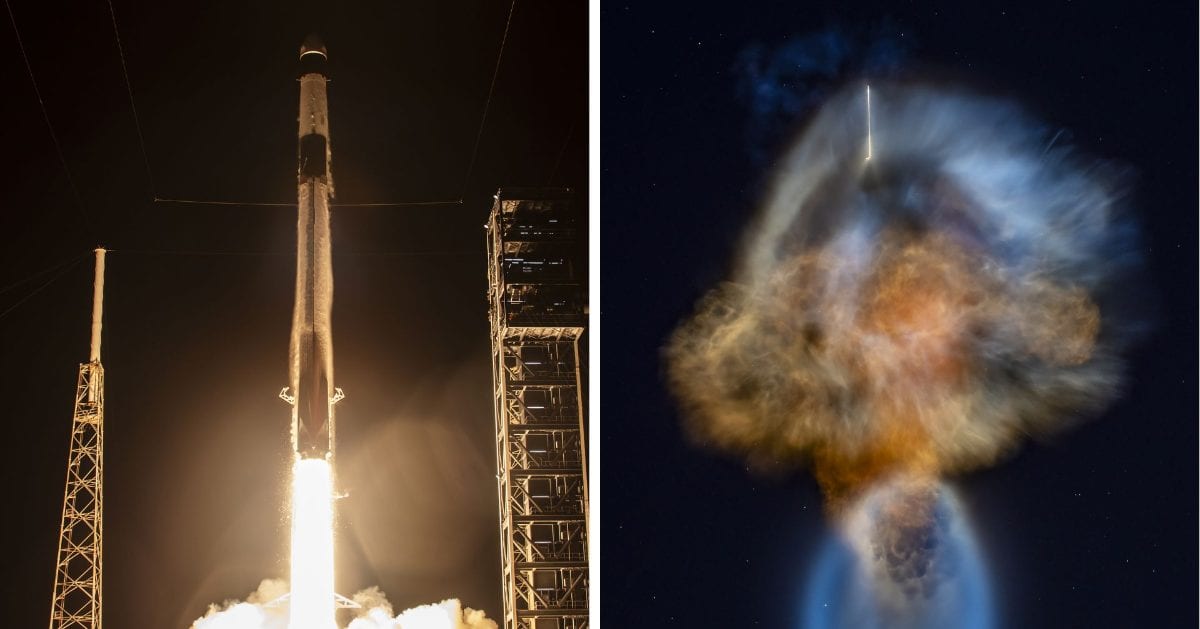
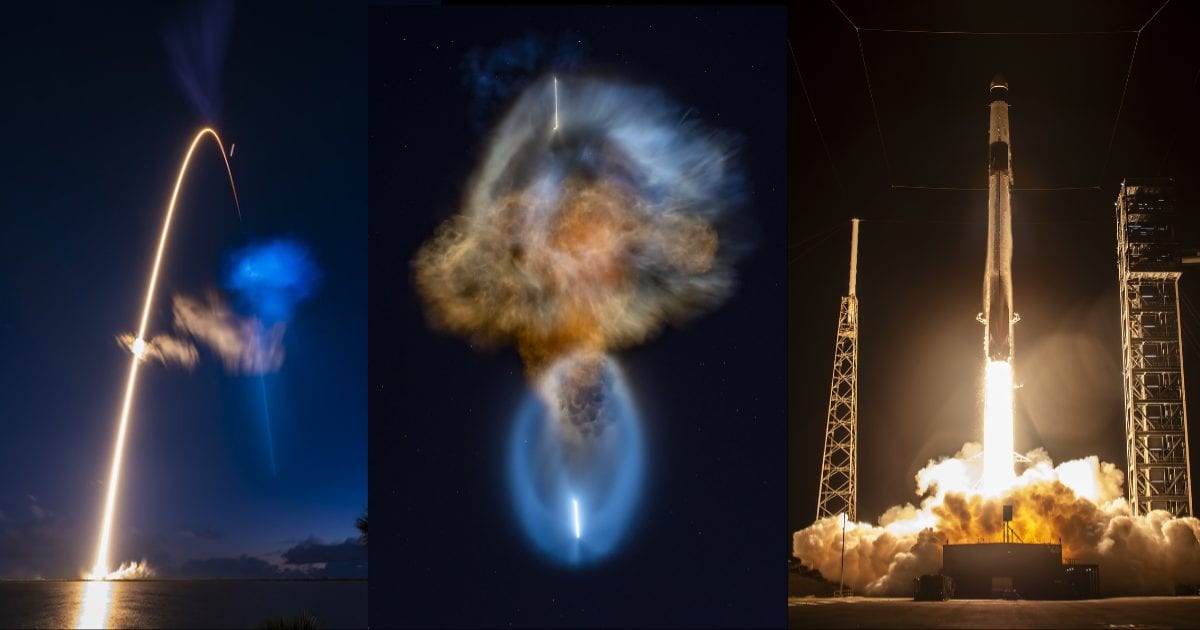
SpaceX explains what caused the Starlink–Chinese satellite near-collision last week
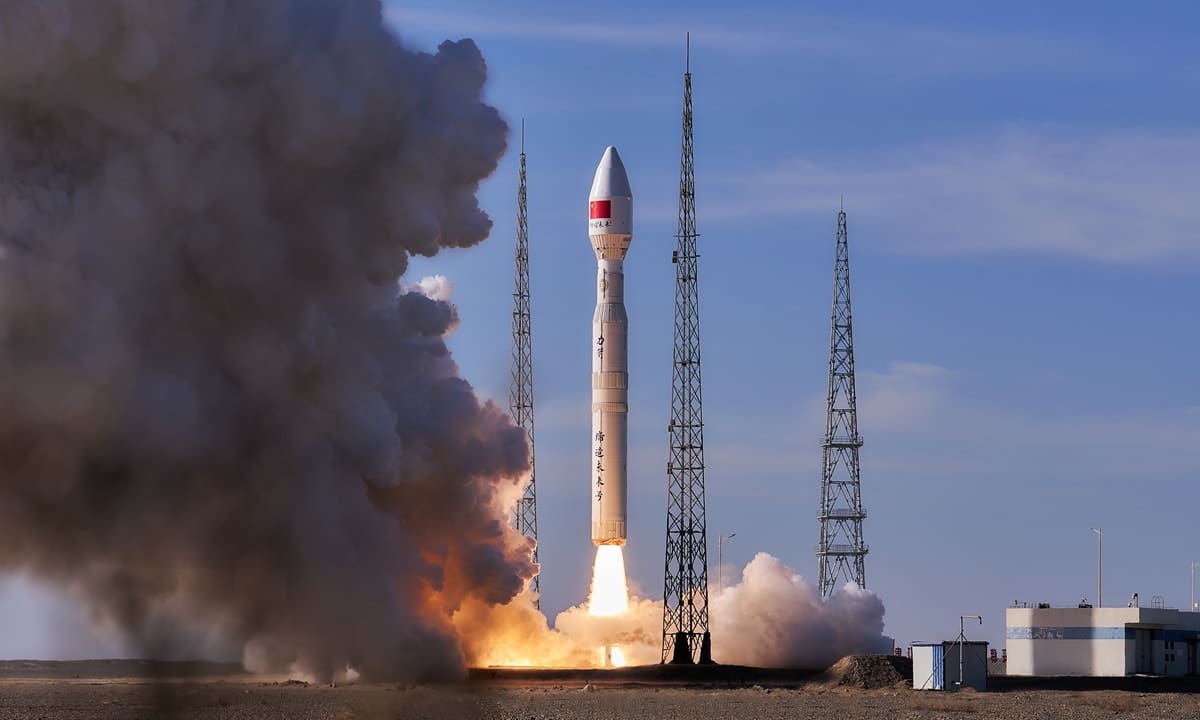
SpaceX just avoided a major disaster. One of its Starlink satellites came within 200 meters of a spacecraft launched aboard Kinetica 1—a Chinese rocket that had liftoff from the Jiuquan Satellite Launch Center in the Gobi Desert on Tuesday, December 9. The folks at SpaceX, of course, were far from pleased even though a collision was avoided.
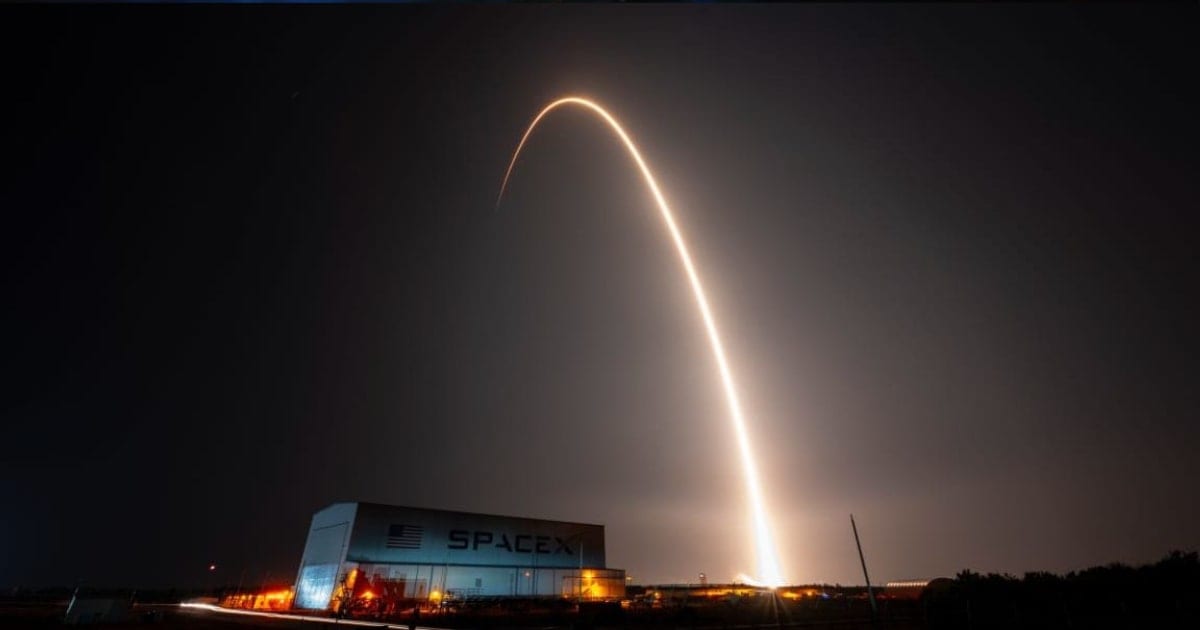
"As far as we know, no coordination or deconfliction with existing satellites operating in space was performed, resulting in a 200-meter close approach between one of the deployed satellites and STARLINK-6079 (56120) at 560 km altitude," wrote Michael Nicolls, the vice president of Starlink engineering, on X. "Most of the risk of operating in space comes from the lack of coordination between satellite operators — this needs to change."
When satellite operators do not share ephemeris for their satellites, dangerously close approaches can occur in space. A few days ago, 9 satellites were deployed from a launch from the Jiuquan Satellite Launch Center in Northwestern China. As far as we know, no coordination or…
— Michael Nicolls (@michaelnicollsx) December 13, 2025
China Daily reported that CAS—the Guangzhou-based Chinese company that operates Kinetica 1—launched 6 Chinese multifunction satellites, along with one each for Egypt, Nepal, and the United Arab Emirates. Nicoll's post, however, did not mention which of these had the close shave with the Starlink satellite. As far as CAS' response is concerned, the company claimed that it had followed the usual mandatory procedure to avoid collision but would still look into the situation.
"Our team is currently in contact for more details," CAS Space said in an X post on Friday. "All CAS Space launches select their launch windows using the ground-based space awareness system to avoid collisions with known satellites/debris. This is a mandatory procedure. We will work on identifying the exact details and provide assistance as the LSP [Launch Service Provider]." A few hours later, in another X post, the company echoed Nicoll's insistence on improving space coordination.
Our team is currently in contact for more details. All CAS Space launches select their launch windows using the ground-based space awareness system to avoid collisions with known satellites/debris. This is a mandatory procedure. We will work on identifying the exact details and… https://t.co/eNajj5cJxh
— CAS Space (@cas_space) December 13, 2025
"If confirmed, this incident occurred nearly 48 hours after payload separation, by which time the launch mission had long concluded. CAS Space will coordinate with satellite operators to proceed. This calls for re-establishing collaborations between the two New Space ecosystems." The importance of improving space coordination cannot be stressed enough with the rising number of satellites in orbit. The debris from even a single collision, no matter how small, can lead to other such incidents—a phenomenon dubbed the Kessler syndrome—which, in turn, can lead to an exponential increase in the amount of space junk around Earth. And yet, that's not the only danger of the ongoing satellite boom that has taken the number of satellites in low Earth orbit from 2,000 to 15,000 since 2019.
If confirmed, this incident occurred nearly 48 hours after payload separation, by which time the launch mission had long concluded. CAS Space will coordinate with satellite operators to proceed. This calls for re-establishing collaborations between the two New Space ecosystems. https://t.co/bsuFLeguxo
— CAS Space (@cas_space) December 13, 2025
Elon Musk's SpaceX currently has the biggest share of the satellite population, with Starlink satellites alone adding up to 9,300. However, this is nothing compared to what's in store. Projections suggest that the number of satellites will grow to a whopping 560,000 by the time the 2030s come to an end. And while it's easy to make the connection between increased traffic and increased chances of collisions, NASA astronomers have warned that it's bad news for space telescopes as well.

A recent study, published in the Journal Nature, has found that the light reflected from satellites would corrupt 96% of all images obtained by NASA's SPHEREx, China's upcoming Xuntian telescope, and the European Space Agency's planned ARRAKIHS telescope. Even the Hubble, which has a far narrower view of the universe, will have a third of its images corrupted. The implications? More serious than you might think. "Imagine that you are trying to find asteroids that may be potentially harmful to Earth," began lead author Alejandro Borlaff of the NASA Ames Research Center, as he reminded how asteroids can hardly be differentiated from satellites in the sky. "...it's really hard to figure out which one is the bad one."
More on Starlust
SpaceX’s Falcon 9 puts 29 more Starlink satellites in orbit after liftoff from Cape Canaveral
Blue Origin NS-37 mission will launch first astronaut in wheelchair to space