SpaceX’s Falcon 9 puts 29 more Starlink satellites in orbit after liftoff from Cape Canaveral
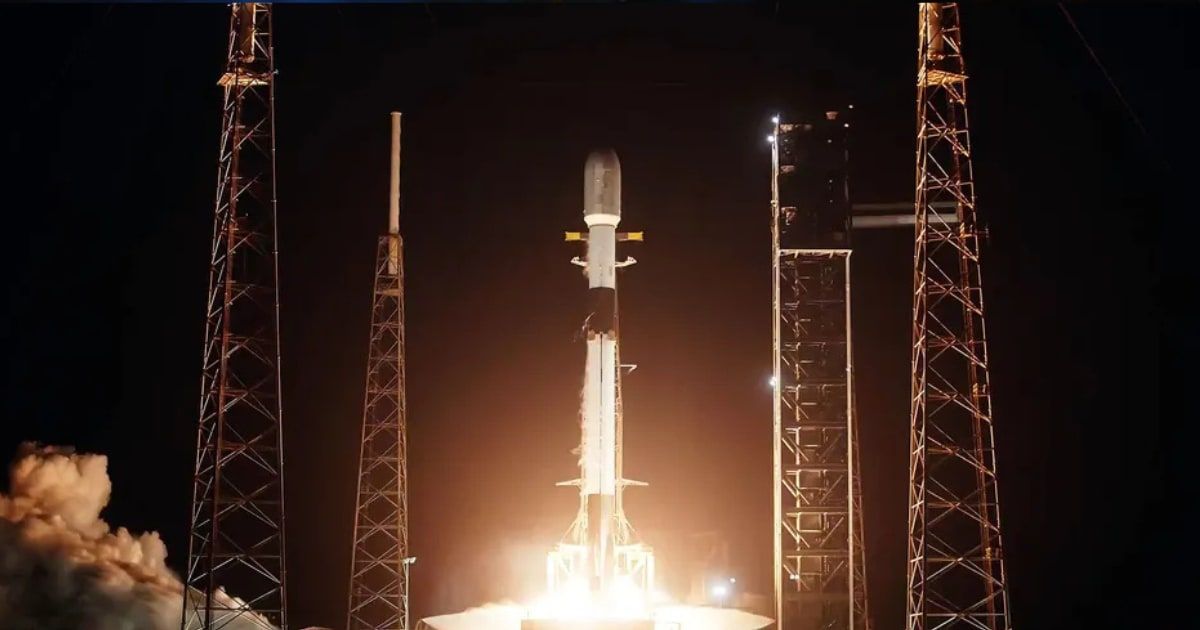
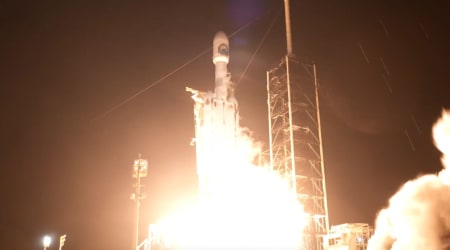
SpaceX just keeps cranking out those Starlink launches like it’s no big deal. Early on Monday, December 15, a Falcon 9 took off from Space Launch Complex 40 (SLC-40) Cape Canaveral Space Force Station in Florida at 12:25 a.m. Eastern time, per SpaceX. Carrying 29 new Starlink satellites, it deployed them in low-Earth orbit within just over an hour following liftoff. As far as the first stage separation is concerned, it took place just under two and a half minutes after takeoff.
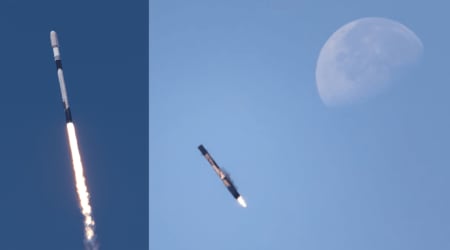
The first stage, which has now flown nine times, then did its usual trick. It flew back down and stuck the landing on the drone ship “A Shortfall of Gravitas” out in the Atlantic. On December 14 at 12:49 a.m. ET, SpaceX sent up another batch from California. They also have two more lined up for Tuesday—one from Kennedy Space Center and the other from Vandenberg Space Force Base.
Falcon 9 launches 27 @Starlink satellites from California pic.twitter.com/eyYDpBFamK
— SpaceX (@SpaceX) December 14, 2025
At this pace, 2025 is turning into another record year. This Florida flight was already their 164th Falcon 9 mission of the year. Just a couple of weeks earlier, on December 2, they did basically the same thing. Another Falcon 9, another 29 satellites, and another smooth flight from Cape Canaveral. That one lifted off in the evening around 5:18 p.m. ET and dropped its satellites about 65 minutes later. It is the same deal every time. Get the satellites into low-Earth orbit, let them spread out, and keep growing the constellation.

As of now, there are over 9,300 Starlink satellites about 342 miles (550 kilometers) above Earth working, and SpaceX has plans to eventually put up as many as 42,000, per Space.com. But the Starlink program is not without its hiccups. The Kennedy Space Center launch scheduled for Tuesday, as mentioned earlier, was originally supposed to take place on Monday, reported Spaceflight Now. The mission, known as Starlink 6-99, is set to carry 29 V2 Mini satellites into low Earth orbit to expand the company’s growing Starlink internet network.

The company did not say exactly why the launch was delayed, but conditions were not ideal. Strong winds were expected early in Monday’s launch window, and the forecast for landing the booster at sea was rated as a low to moderate concern. When the rocket does lift off, it will head southeast as it leaves Florida’s Space Coast. The new launch window opens Tuesday morning, with liftoff scheduled no earlier than 7:45 a.m. EST (1245 UTC). SpaceX will launch the mission using the Falcon 9 booster with the tail number 1094.

This will be its sixth flight following the launches of missions like Crew-11, Ax-4, and Cygnus NG-23. It is baffling to think that a few years ago, this felt like science fiction. Now it is routine. Rockets go up almost every other day, adding more pieces to a massive space-based internet. Every time one lands back on that drone ship, it is another reminder of how good SpaceX has become at doing this.
More on Starlust
SpaceX launches the classified NROL-77 mission from Cape Canaveral
SpaceX is developing Starship launch complex at Cape Canaveral after approval from Air Force