SpaceX Starfall: Netizens spot secret return vehicle launching on Bandwagon-5 mission tomorrow
SpaceX is preparing to launch another batch of essential payloads on October 19. The Falcon 9 rocket is scheduled to lift off from Cape Canaveral Space Force Station in Florida for the Bandwagon-5 rideshare mission when the one-hour window opens at 6:30 am ET. SpaceX says a backup opportunity is available with the same window the next day. The rocket will be carrying a total of 32 payloads including cubesats, microsats, and technology demonstrations. Moreover, the mission will mark the Falcon 9 booster’s 19th flight. It has previously launched NASA’s Crew-9, RRT-1, Firefly Blue Ghost Mission 1, Fram2, SXM-10, MTG-S1, EchoStar XXV, SXM-11, and now 10 Starlink missions. After separating from the first stage, the booster will land on the A Shortfall of Gravitas droneship which will be stationed in the Atlantic Ocean.
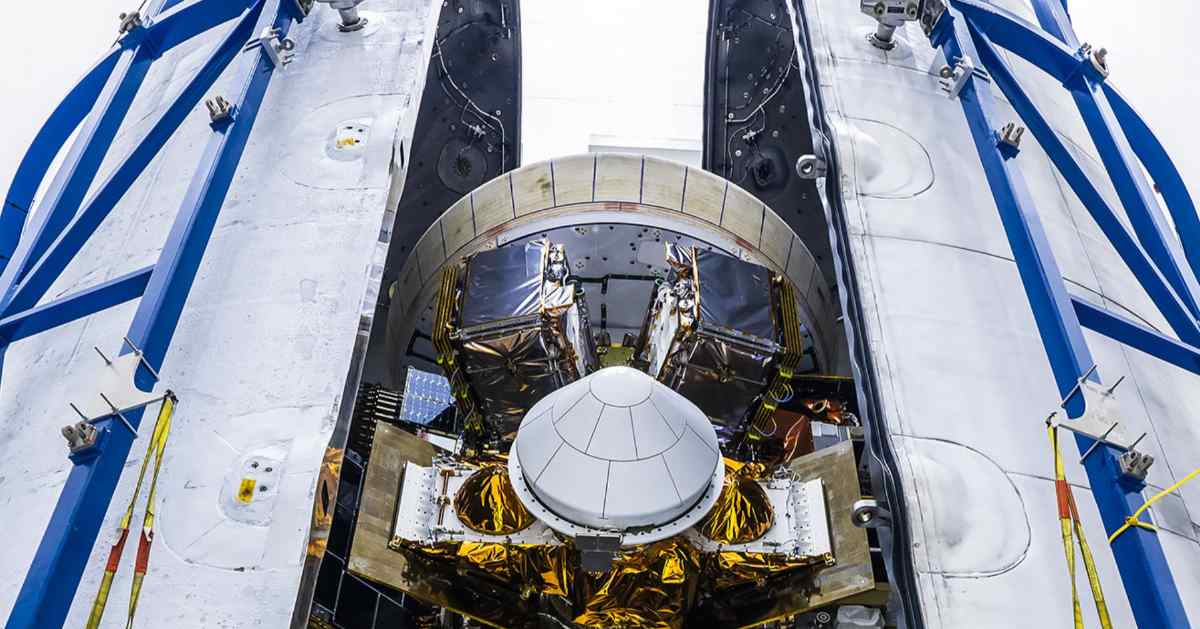
Teams encapsulated 32 payloads ahead of Falcon 9’s launch of the Bandwagon-5 rideshare mission from Florida → https://t.co/2mTwEZE4mX https://t.co/RXL3aqOINc
— SpaceX (@SpaceX) October 17, 2026
The live webcast of the launch will begin 15 minutes prior to scheduled to liftoff and you can watch it on SpaceX's X profile or its official website.
Skyfall in spotlight again
One of the key payloads being launched by Falcon 9 is the Starfall return vehicle which is flying for the second time. SpaceX has maintained a lot of secrecy around it but a picture of the payload fairing shared by the company has finally given us the first look at it. On the social media platform X, many users pointed out Starfall placed on the top of the stack inside the Falcon 9 fairing. Since Starfall is at the top, it will be the last payload to be deployed in orbit although SpaceX may not stream the deployment live like the previous mission.
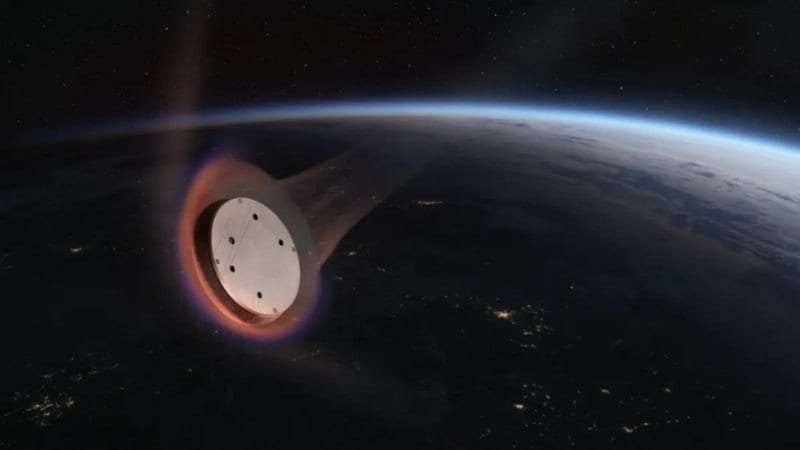
The first Starfall mission launched on June 23 this year and its livestream ended just minutes after liftoff similar to other classified missions. The upcoming launch will be the second and final Starfall demonstration necessary to prove it’s capable of transport and delivery of goods through space. According to an environmental assessment by the Federal Aviation Administration (FAA), the reentry vehicle is a cylindrical shaped capsule approximately 0.75 meters (2.5 feet) tall with a diameter of 3.1 meters (10.2 feet). It weighs approximately 2,100 kilograms (4,600 pounds), and capable of carrying 1,000 kilograms (2,200 pounds) of payload, making its total weight 3,100 kilograms (6,800 pounds). SpaceX had said that this vehicle will “enable affordable, routine access to the microgravity environment for scientific research and in-space manufacturing.”
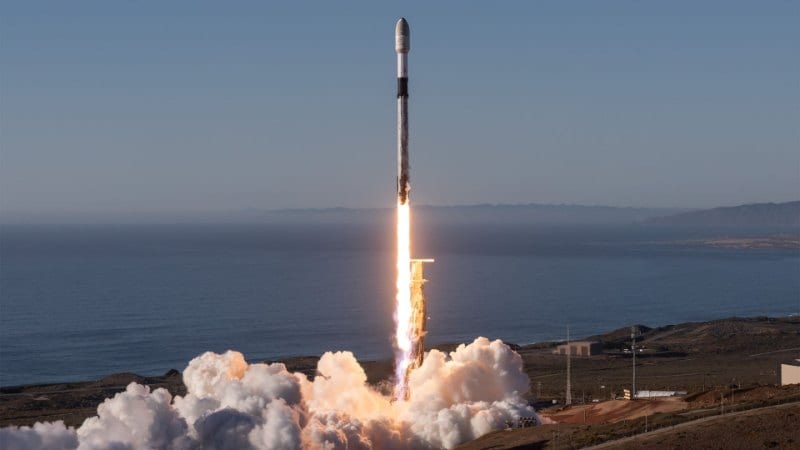
Unlike the Dragon spacecraft, this vehicle is not designed for human spaceflight but can be launched on both the Falcon 9 and the world’s biggest rocket Starship. Starfall has an attitude control system which uses compressed inert gas to perform small maneuvers before its splashes down in the Pacific Ocean. In the previous mission, the capsule splashed down about 700 nautical miles (1,300 kilometers) off the U.S. west coast and was recovered by SpaceX team.
More on Starlust
SpaceX seeks FAA approval for over 450 Starship launches per year from Starbase in Texas