SpaceX deploys 29 Starlink satellites to low Earth orbit, completing third batch in two days
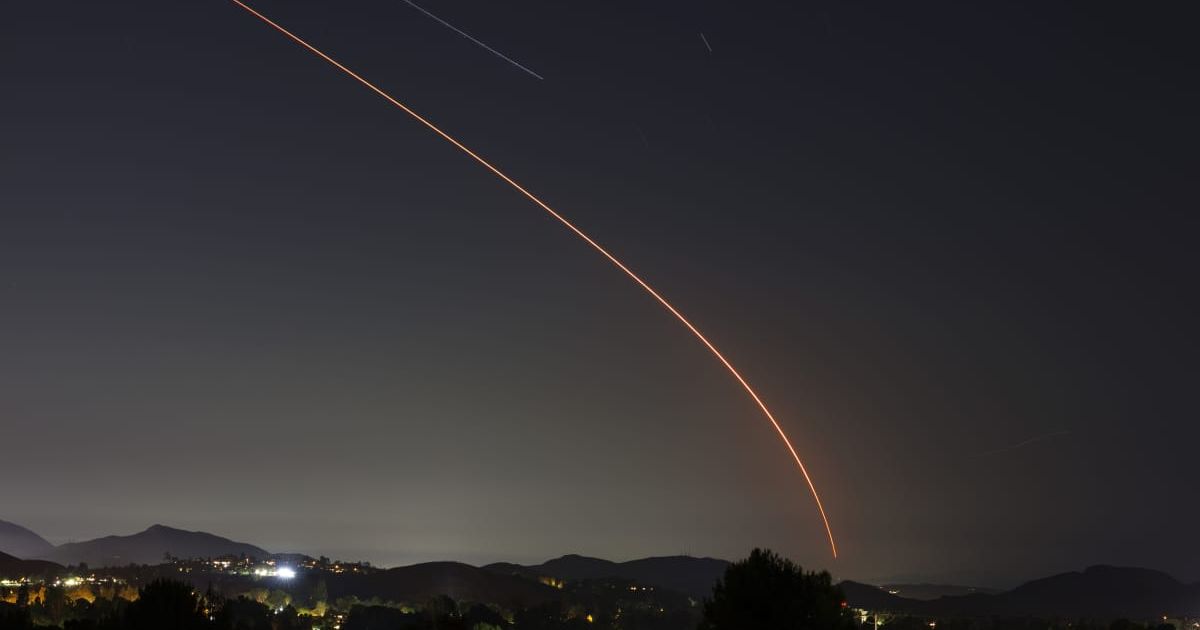
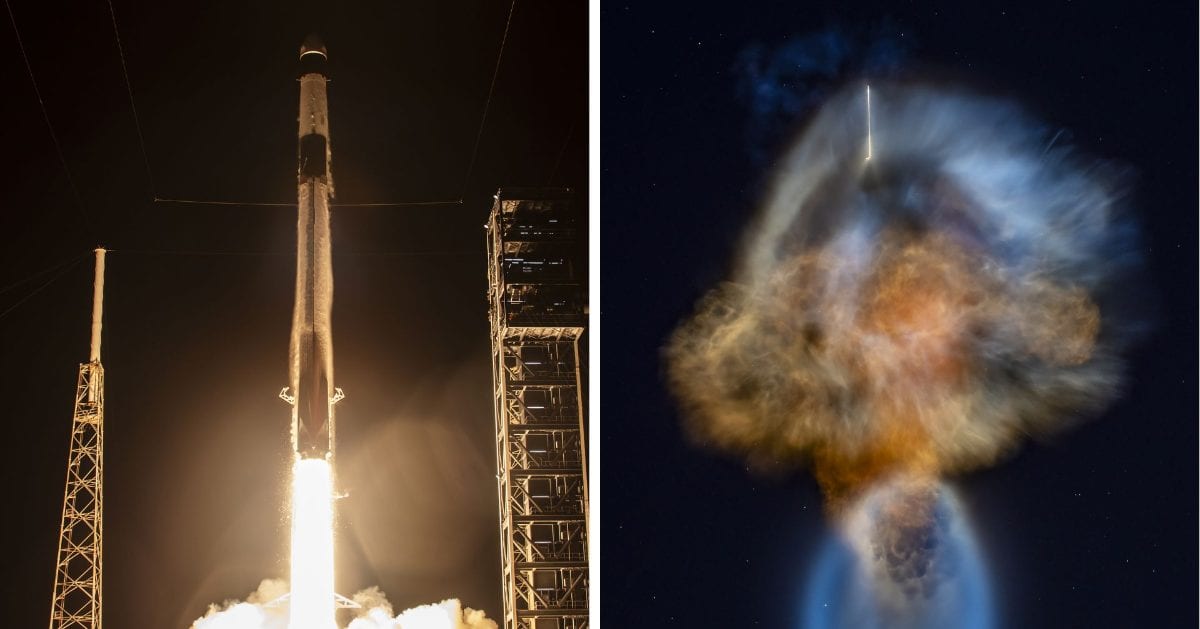
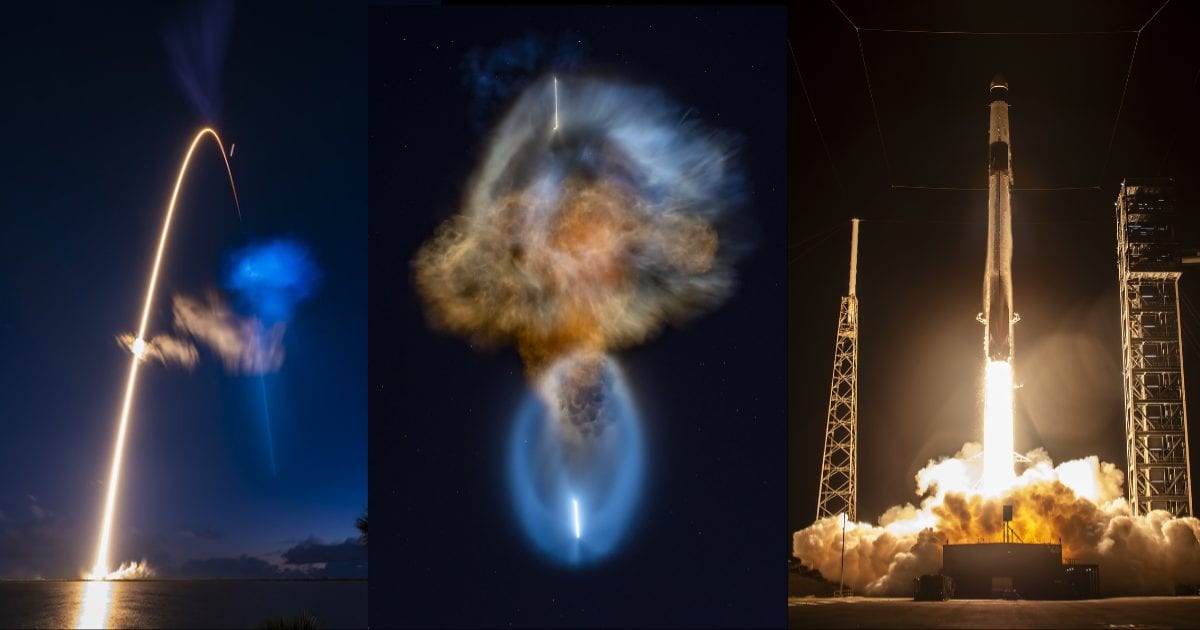
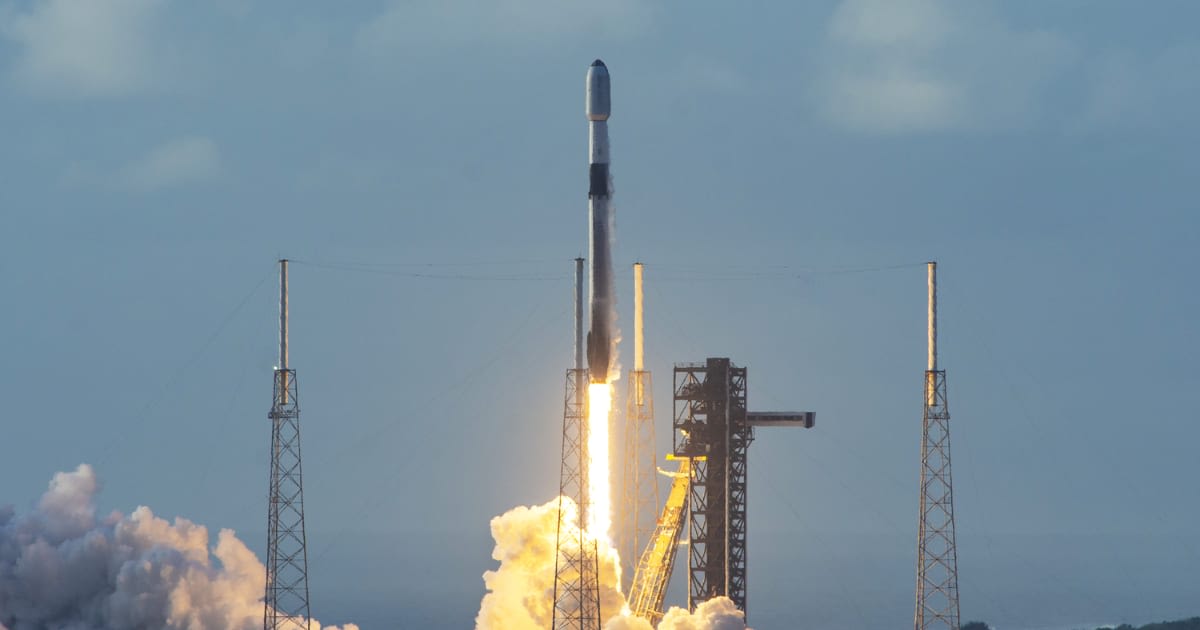
SpaceX added 29 fresh Starlink satellites to low Earth orbit via a Falcon 9 rocket that launched from Space Launch Complex 40 at the Cape Canaveral Space Force Station, Florida, on Tuesday, December 2. The mission description released by SpaceX confirmed that the satellites were deployed successfully exactly 1 hour and 5 minutes after liftoff at 5:18 p.m. ET.
In what was yet another successful demonstration of reusable rocket technology, the first stage of the Falcon 9 rocket, Booster 1077 (B1077), returned to Earth following its ascent and landed on the ‘A Shortfall of Gravitas’ droneship that lay in wait in the Atlantic Ocean. It marked the booster’s 25th flight and its 18th Starlink mission. It had previously launched Inmarsat 16-52, Crew 5, Intelsat G-37, TD7, GPS III Space Vehicle 6, CRS-28, and NG-20. The Group 6-95 Starlink satellites launched on Tuesday joined more than 9,100 operational relays that comprise SpaceX’s megaconstellation, per Space.com.
In fact, this was the third Starlink launch over the span of the first two days of December. The first one took place on Monday, December 1, with a Falcon 9 rocket lifting off at 2:44 a.m. ET from Launch Complex 39A (LC-39A) at Kennedy Space Center in Florida. Like the latest launch on Tuesday, it also deployed 29 Starlink satellites in low Earth orbit. The first stage booster, supporting its fourth Starlink mission, re-entered Earth after a successful ascent and landed on the autonomous droneship humorously named ‘Just Read the Instructions’ (also stationed in the Atlantic Ocean) 8 minutes and 25 minutes after liftoff. The payload was deployed exactly 1 hour, 4 minutes, and 55 seconds after launch.
Falcon 9 launches 29 @Starlink satellites from Florida pic.twitter.com/ZK45slRCc5
— SpaceX (@SpaceX) December 1, 2025
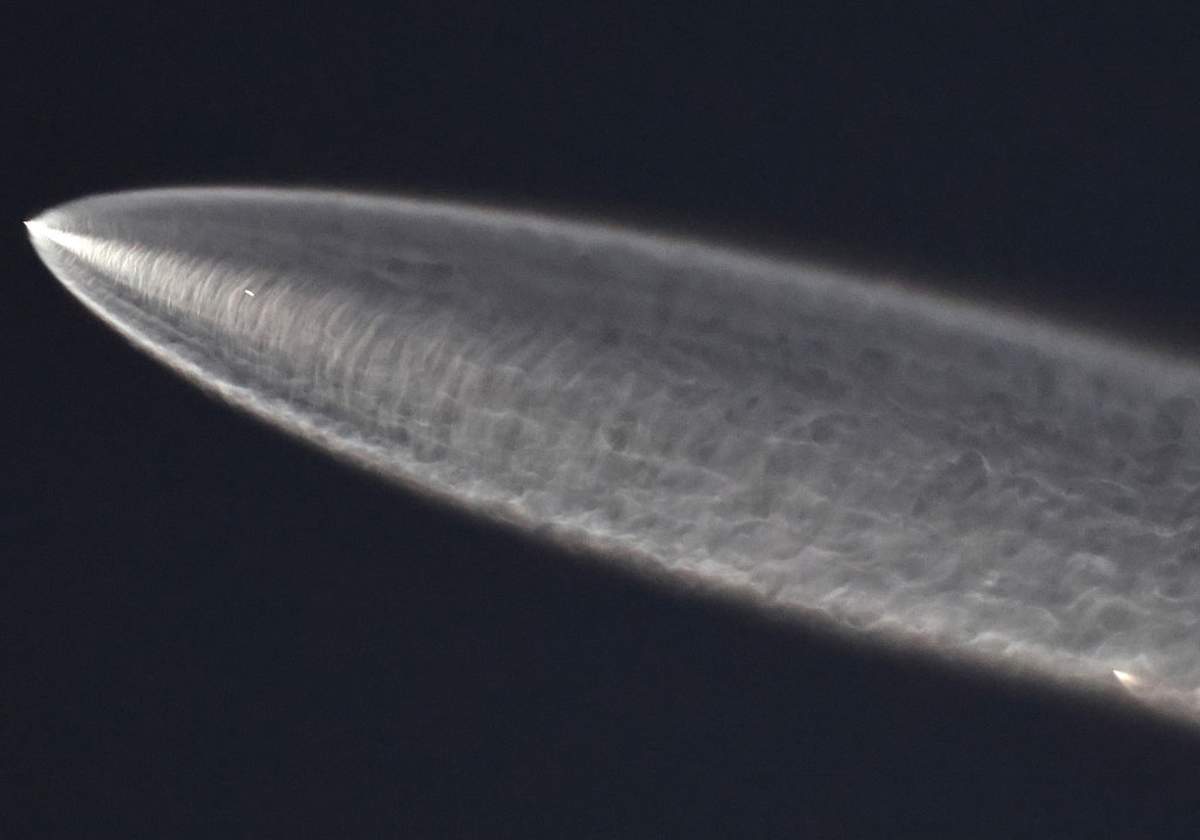
As for the second launch of the month, it took place later on Tuesday itself at 12:28 a.m. ET (9:28 p.m. PT on December 1) from Space Launch Complex 4 East (SLC-4E) in the Vandenberg Space Force Base in California. This time, the Falcon 9 rocket deployed 27 Starlink satellites in orbit exactly 1 hour, 1 minute, and 52 seconds after liftoff, according to SpaceX.
For the first stage booster, which had previously launched missions like Crew-7, PACE, EarthCARE, and Transporter 13, this was the 20th flight. Following successful ascent and separation, the booster landed on the ‘Of Course I Still Love You’ droneship on standby in the Pacific Ocean 8 minutes and 25 minutes after launch, taking exactly the same time as the December 1 landing.
SpaceX noted that there was a possibility that one or more sonic booms were heard by residents of San Luis Obispo, Santa Barbara, and Ventura counties. That being said, much of the experience would have also depended on the weather and other conditions.
The Tuesday launch was far from the last Starlink mission that Elon Musk’s spaceflight company had in store for this month. In fact, SpaceX has launches scheduled from December 4 through 10. Tomorrow, a Falcon 9 rocket will deliver 28 Starlink satellites to low Earth orbit from the same site that saw the December 1 launch. Interested folks can follow a live webcast of the mission that will commence around five minutes prior to launch on the SpaceX website, on X@SpaceX, or the X TV app.
More on Starlust
Spot Starlink and other satellites in the night sky: Easy tips for stargazers
SpaceX's 90th Starlink launch of 2025 sends 28 satellites to orbit from Cape Canaveral