Falcon 9 to deliver 28 new Starlink satellites from Space Launch Complex on September 29
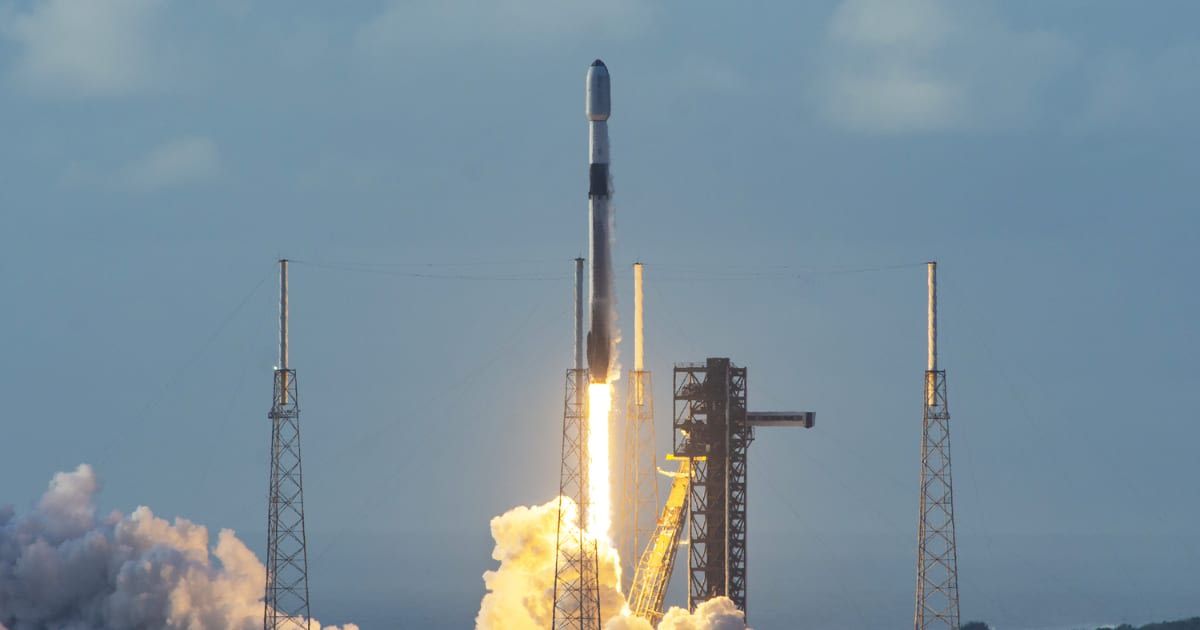
SpaceX is preparing for the upcoming launch of 28 Starlink satellites, scheduled to lift off from Space Launch Complex 4 East (SLC-4E) at Vandenberg Space Force Base on September 29. The four-hour launch window is set to open at 7:32 p.m. EDT and closes at 11:32 p.m. EDT, as per SpaceX.

The mission will utilize a flight-proven Falcon 9 first-stage booster. This veteran booster is set to make its 28th flight, an operational record, having previously supported numerous high-profile missions, including Sentinel-6 Michael Freilich, DART, and multiple prior Starlink deployments. Following stage separation, the booster is slated for a precision landing on the "Of Course I Still Love You" droneship positioned in the Pacific Ocean.
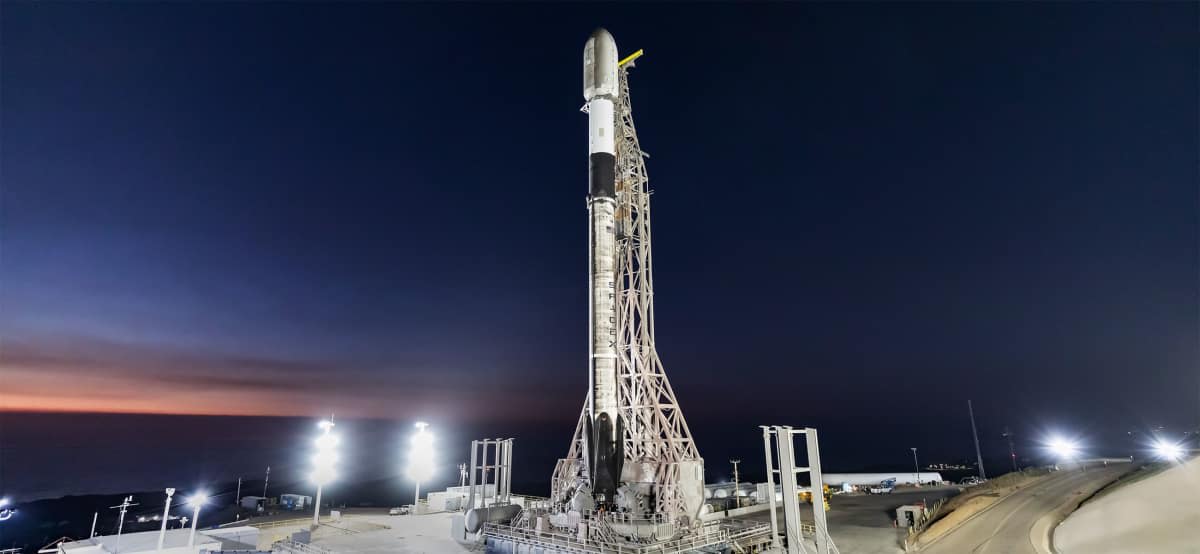
SpaceX will provide comprehensive live coverage of the launch, beginning approximately five minutes before liftoff. The broadcast will be accessible on the company's official website and through its X account, as well as on the X TV application. Local authorities caution that residents in Santa Barbara, San Luis Obispo, and Ventura counties may experience sonic booms associated with the launch. The audibility and intensity of these booms will be subject to prevailing weather and atmospheric conditions.
Just over 48 hours later, the company will conduct a second Starlink launch, this time from the space coast of Florida, underscoring its rapid operational cadence. A Falcon 9 rocket is slated to lift off from Space Launch Complex 40 (SLC-40) at Cape Canaveral Space Force Station on October 1, per SpaceX. The launch window for this early-morning mission spans from 2:23 a.m. to 6:23 a.m. Eastern time.
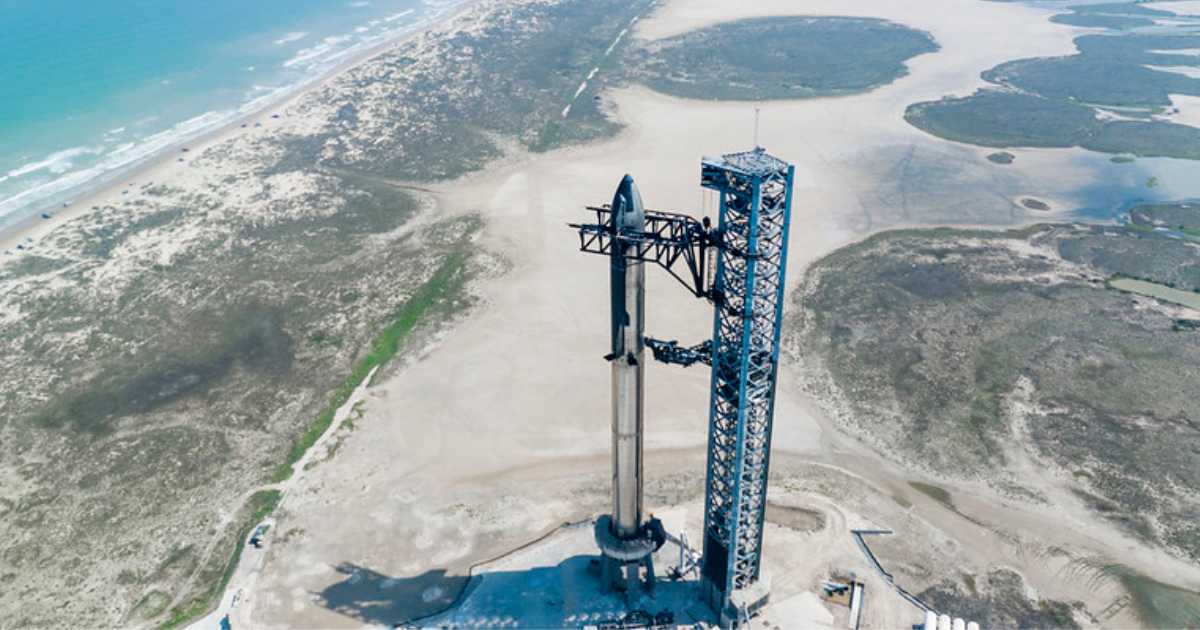
The booster supporting this mission is a seasoned veteran, having flown seven previous times. Its flight history includes high-value missions such as the CRS-33 resupply flight, the Crew-10 astronaut mission, and several communications satellite deployments, specifically O3b mPOWER-E and O3b mPOWER-D. After completing its boost phase, the first stage will attempt a recovery landing on the autonomous droneship "Just Read the Instructions," which will be stationed in the Atlantic Ocean. The back-to-back missions highlight SpaceX's commitment to rapidly expanding its global Starlink constellation.
These dual launch operations are merely a reflection of SpaceX's monumental 2025 objective. The company is aiming for an astonishing 170 orbital liftoffs by the end of the year, effectively targeting a launch roughly every other day. This schedule, if achieved, would crush the company's previous record of 134 orbital launches set just last year.
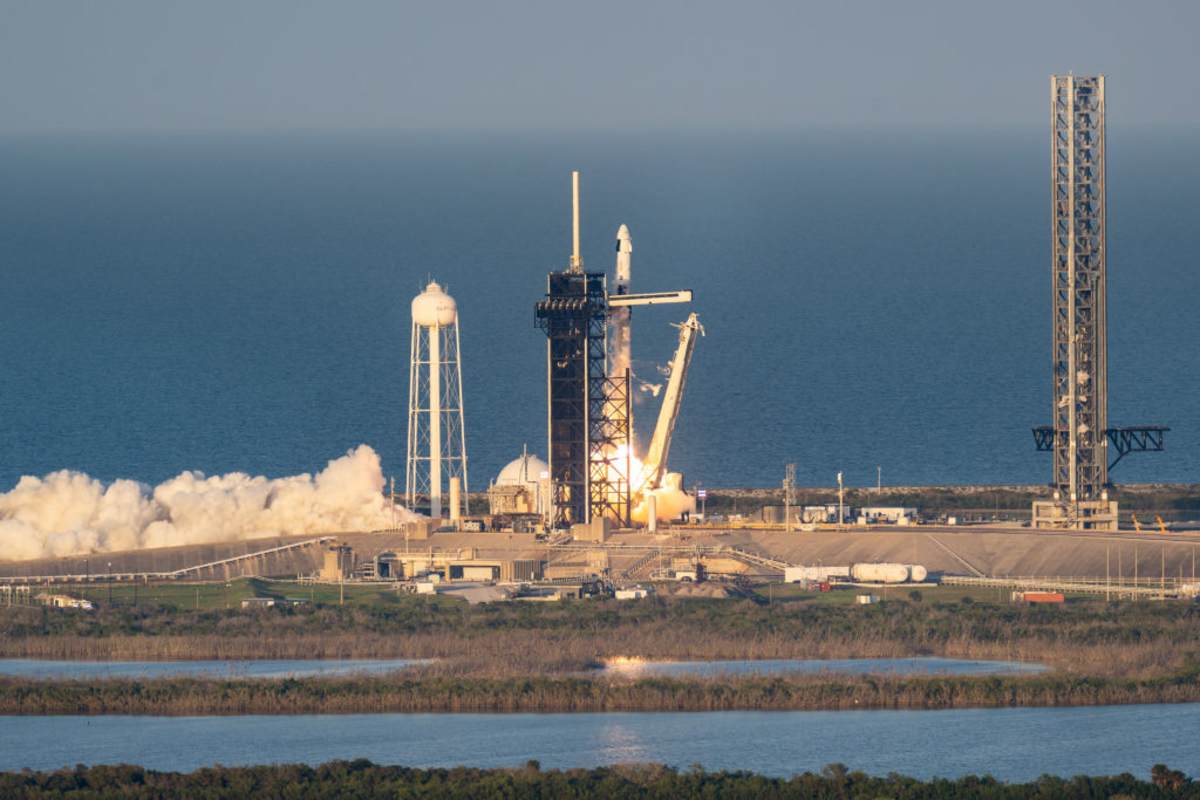
SpaceX’s Director of National Security Space Launch, Anne Mason, highlighted the extraordinary leap in operational speed during a recent preview for the US Space Force GPS III SV-08 launch. "I always find it amazing that this cadence has become somewhat normal," Mason stated, noting the contrast to the 25 launches completed in 2020. She credited this dramatic increase, now averaging a liftoff every two to three days, to the reusability and reliability of the Falcon rocket family and the dedication of the SpaceX team, calling it "critical to supporting assured access to space."
More on Starlust
NOAA's SWFO-L1 satellite launches aboard SpaceX Falcon 9 rocket from Kennedy Space Center
NASA and SpaceX launch 33rd commercial resupply mission to International Space Station