SpaceX set to launch Starship's 11th flight test on October 13
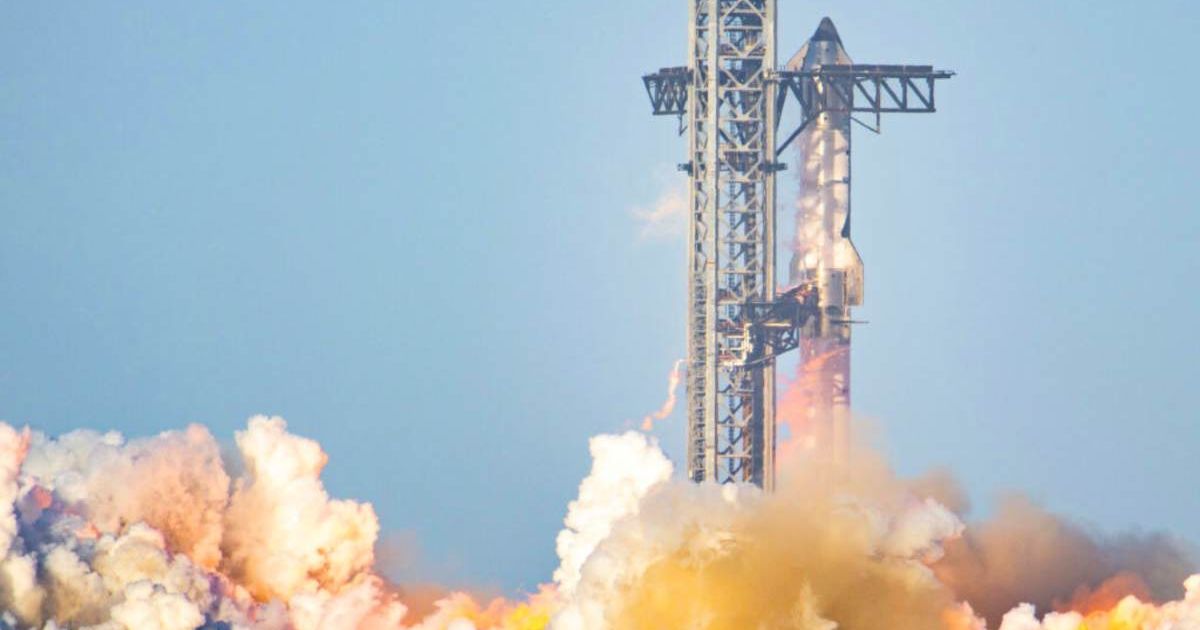
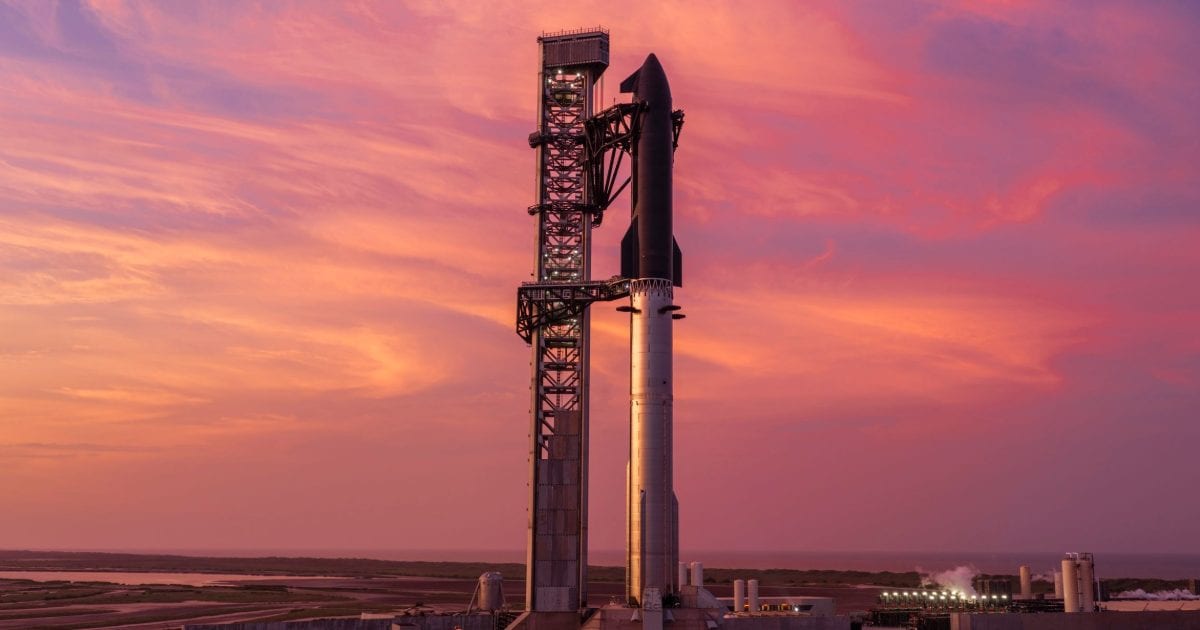
SpaceX is moving forward with preparations for the eleventh integrated flight test of its Starship mega-rocket, currently targeting a launch window on Monday, October 13. The window is set to open at 6:15 p.m. Central Time (CT). As is customary with developmental spaceflight, the schedule remains subject to change, as per SpaceX.
Watch Starship's eleventh flight test → https://t.co/YmvmGZTV8o
— SpaceX (@SpaceX) September 29, 2025
https://t.co/zIRMX5mh9K
This upcoming mission aims to expand on the successes of the tenth test, focusing on key data acquisition for the next-generation Super Heavy booster and putting the Starship upper stage through a rigorous battery of in-space and re-entry experiments. The Super Heavy booster, which previously flew during the eighth test, is outfitted with 24 flight-proven Raptor engines. Its primary objective is to debut a new, complex engine sequence for the landing burn. The Super Heavy will attempt this maneuver while on a flight path toward an intentional splashdown in the Gulf of America, foregoing a return-to-launch-site catch attempt.
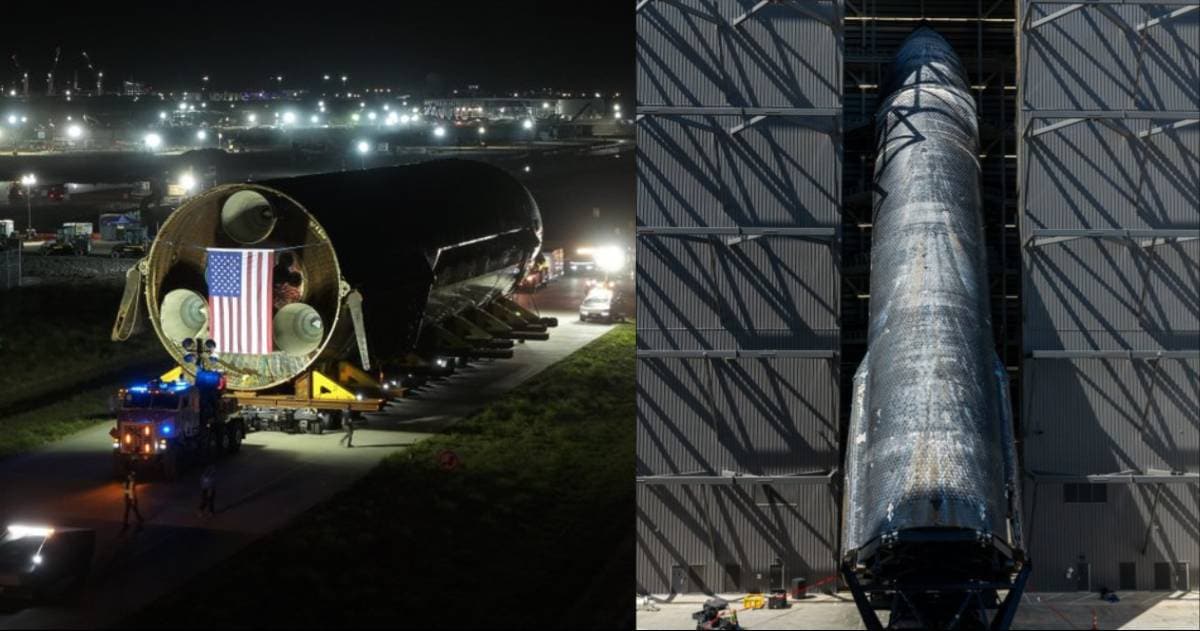
Flight-proven Super Heavy booster moved to the pad at Starbase ahead of launch pic.twitter.com/z5GP4HU5wH
— SpaceX (@SpaceX) October 8, 2025
The landing sequence involves igniting 13 engines before transitioning to a five-engine configuration for the critical divert phase. This five-engine setup, an increase from the previous three, serves as the planned baseline for the V3 Super Heavy, offering greater redundancy against potential engine shutdowns while fine-tuning the booster's trajectory.

The final part of the burn will rely on the three central engines, culminating in a momentary hover over the ocean surface before the booster is intentionally shut down and allowed to drop into the water. Engineers view the main goal as measuring real-time vehicle dynamics during the rapid engine shutdowns between phases. The Starship upper stage has multiple ambitious in-space goals, including the deployment of eight Starlink satellite simulators, which are designed to burn up upon re-entry. The vehicle will also attempt an in-space relight of a single Raptor engine.
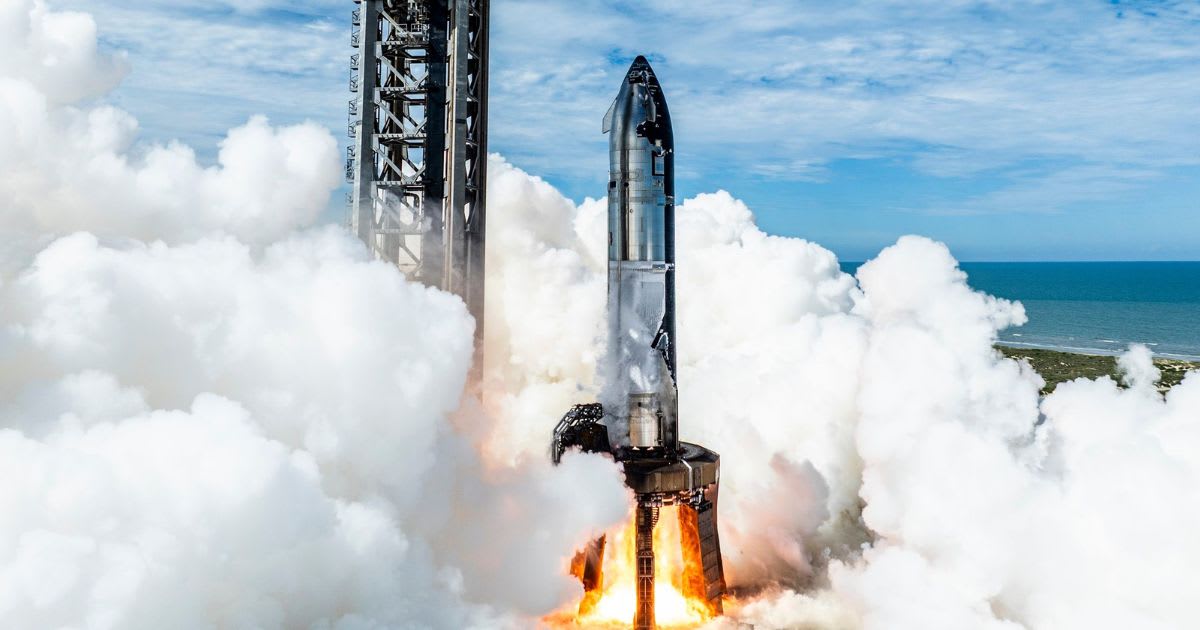
Crucially, the flight is designed to push the boundaries of the vehicle’s return capabilities for future missions. In a bold stress test, multiple heatshield tiles have been intentionally removed from vulnerable areas, including spots without a backup ablative layer, to gather data on the vehicle’s tolerance during extreme re-entry heating. The final phase of the upper stage’s flight path will include a dynamic banking maneuver and the testing of new subsonic guidance algorithms, mimicking a future return to Starbase, before ultimately performing a landing burn and splashdown in the Indian Ocean.
The current launch manifest data further illustrates the aggressive operational rhythm of the company, revealing its continued dominance in the commercial space sector. With an ambitious 2025 launch goal of 180 missions, the firm has already executed 128 launches (71.11%) year-to-date, putting it on pace to surpass its most successful year, which recorded 138 launches in 2024, according to SpaceXNow.
Overall launch statistics underscore a high reliability across the fleet. The company's total success rate stands at 97.90% (559 successful launches out of 571 attempts). The workhorse Falcon 9 maintains an exceptional success record of 99.45% (542/545), with the latest Block 5 variant achieving nearly perfect reliability at 99.80% (487/488). The heavy-lift Falcon Heavy remains flawless with a 100% success rate (11/11). The ongoing, developmental nature of the Starship program is reflected in its current success metric of 40% (4/10).
More on Starlust
SpaceX's Starship deploys eight dummy satellites in latest launch, splashes down in the Indian Ocean