Space mice offer insights into how Moon and Mars missions may affect astronauts' muscles
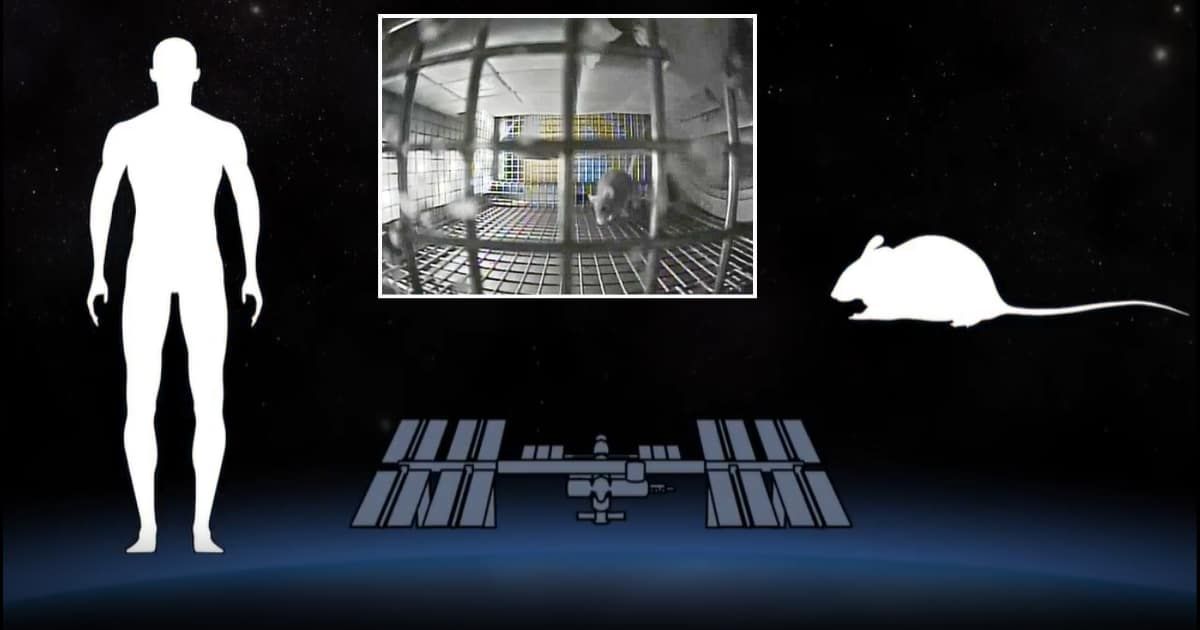
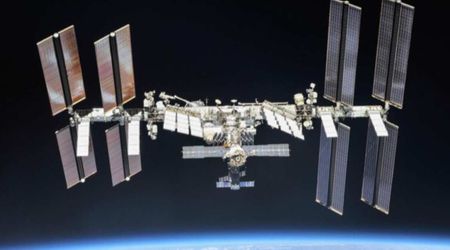
The enterprise of sending humans to the Moon and Mars is fraught with dangers. Apart from cosmic radiation and harsh conditions on these alien lands, another issue is the reduced gravity of spaceflight that weakens the bones and muscles of astronauts. But what can be done to counter these effects? In an attempt to answer this, a new study, published in Science Advances, looked into how different gravity levels—microgravity (μG), one-third of Earth's gravity (0.33g), two-thirds of Earth's gravity (0.67g), and simulated Earth gravity—on the International Space Station affect the mass and strength of muscle in young adult male mice.
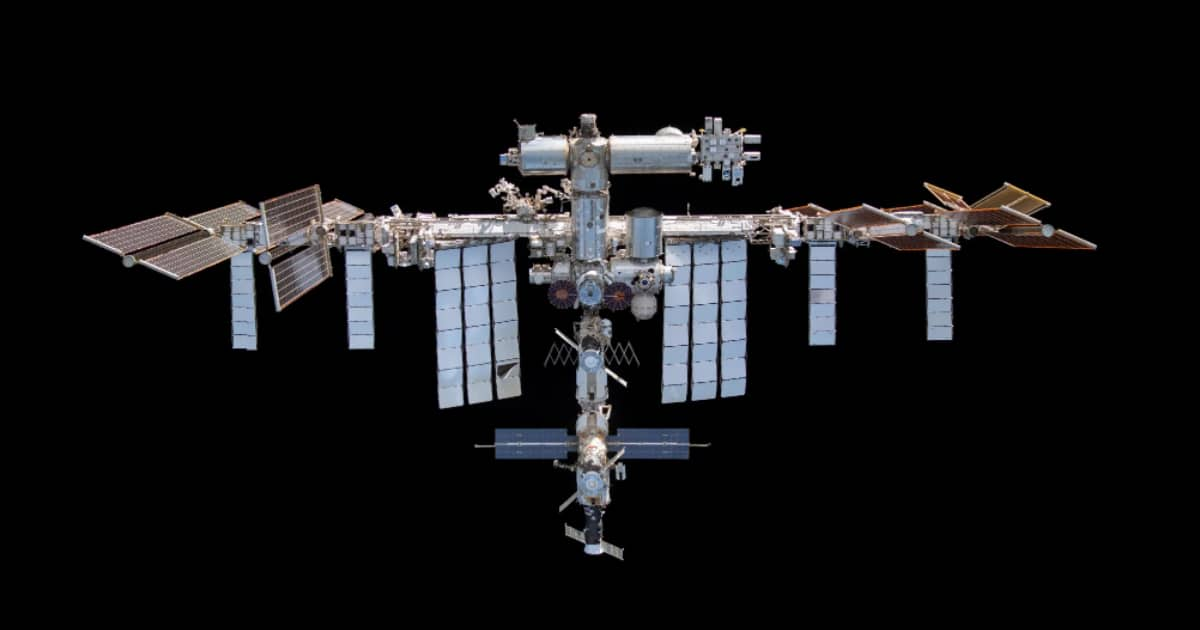
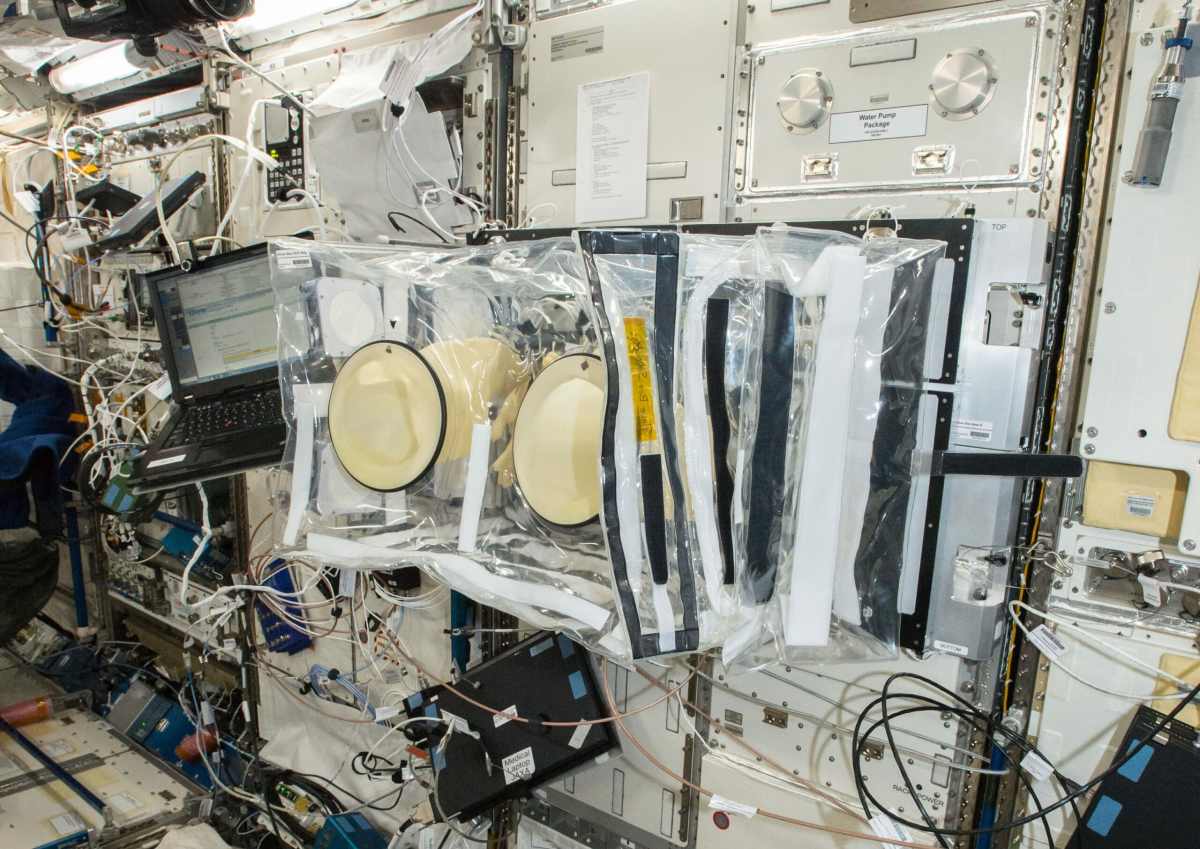
Previous research has shown that spaceflight triggers muscle atrophy and other biological changes. But the minimum gravity threshold required to maintain adequate muscle health has been unclear. To better understand this, an international team of researchers sent 24 male mice to the International Space Station, out of which one died during the mission. The trip lasted for 28 days, during which the mice were exposed to the different gravity levels mentioned above in a centrifuge-equipped habitat called the Multiple Artificial-gravity Research System (MARS) onboard the ISS’s Kibo module. Then they were compared to a ground-based control group.
Within six hours after their return to Earth, the mice were dissected. The researchers analyzed their muscle mass, grip strength of forelimbs and hindlimbs, gene expression, and plasma metabolites. Exposure to microgravity and one-third of Earth’s gravity significantly reduced forelimb grip strength compared to preflight levels. But mice exposed to two-thirds Earth gravity, simulated Earth gravity, and those in the control group didn’t display functional loss of forelimb grip strength. This suggests that higher gravity levels help retain forelimb grip strength. In the hindlimbs, only the soleus muscle was affected. This muscle is located in the posterior part of the leg and aids in walking and running. The muscle weakened in mice that were exposed to microgravity and one-third of Earth’s gravity. However, this muscle was protected in mice exposed to simulated Earth gravity and those in the control group, with the researchers suggesting that two-thirds of Earth's gravity is also enough to protect the same against degradation.
![Gravity-dependent changes in global gene expression and pathway enrichment in the SOL during spaceflight. [Image Source: Science Advances/Tsuji et al. 2026/DOI: 10.1126/sciadv.aed2258; Image Edited by Starlust Staff]](https://de40cj7fpezr7.cloudfront.net/4ebb1198-7716-4a20-9485-86847da589aa.png)
The study also noted some protective effects on the mice exposed to one-third of Earth's gravity. Upon studying the cross-sectional area of the soleus muscle myofibers, the researchers found that those in the one-thirds and two-thirds groups showed less deterioration compared to the simulated-gravity and control groups than that shown by those exposed to microgravity. Next, the team found eleven metabolites that displayed gravity-dependent changes, suggesting that they could eliminate the need for invasive procedures to evaluate muscle degradation. Among the metabolites, the levels of creatine, lactate, glycerol, and glutamate increased under reduced gravity, while those of many amino acid-related metabolites, like glycine and betaine, decreased. "The elevation of lactate and glycerol indicated enhanced glycolytic activity and lipolysis," the study authors explained. "Overall, these findings portray a gravity-associated remodeling of energy and amino acid metabolism, consistent with the observed effects of gravity on skeletal muscle."
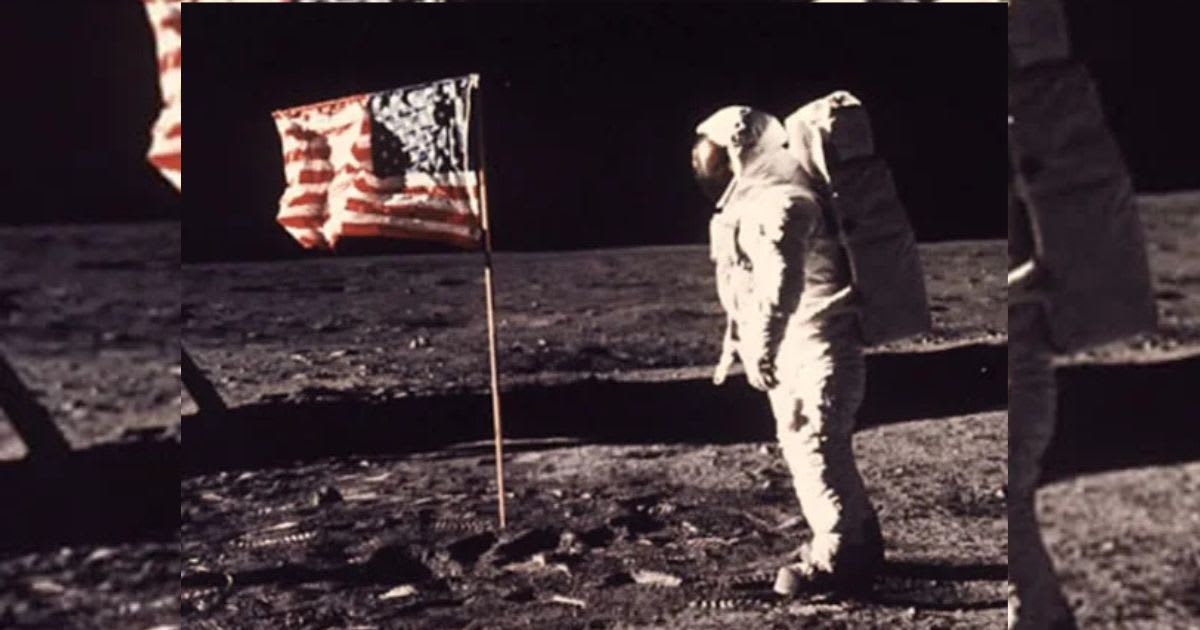
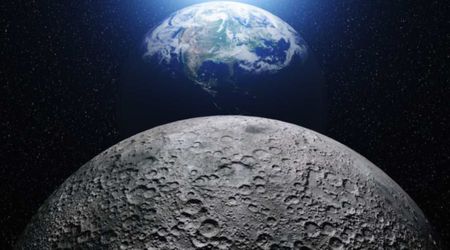
The researchers also discovered several genes that changed in response to gravity when they compared RNA sequencing results from the microgravity group to those from the simulated Earth gravity and ground control groups. While several changes were found between the groups, the overall conclusion was consistent with other observations, suggesting that the two-thirds and one-third groups experienced protective and partially protective effects, respectively. If the response of human beings to gravity is similar, then long-term missions to both the Moon and Mars would have huge biological consequences, as Mars' gravity stands at 0.38g, while that of the Moon is 0.17g.
More on Starlust
Female astronauts at risk of developing stronger blood clots, finds new study
Artemis II: NASA will monitor the Sun to protect the astronauts from dangerous radiation