'Other' comet ATLAS caught breaking apart ahead of its upcoming Earth fly-by
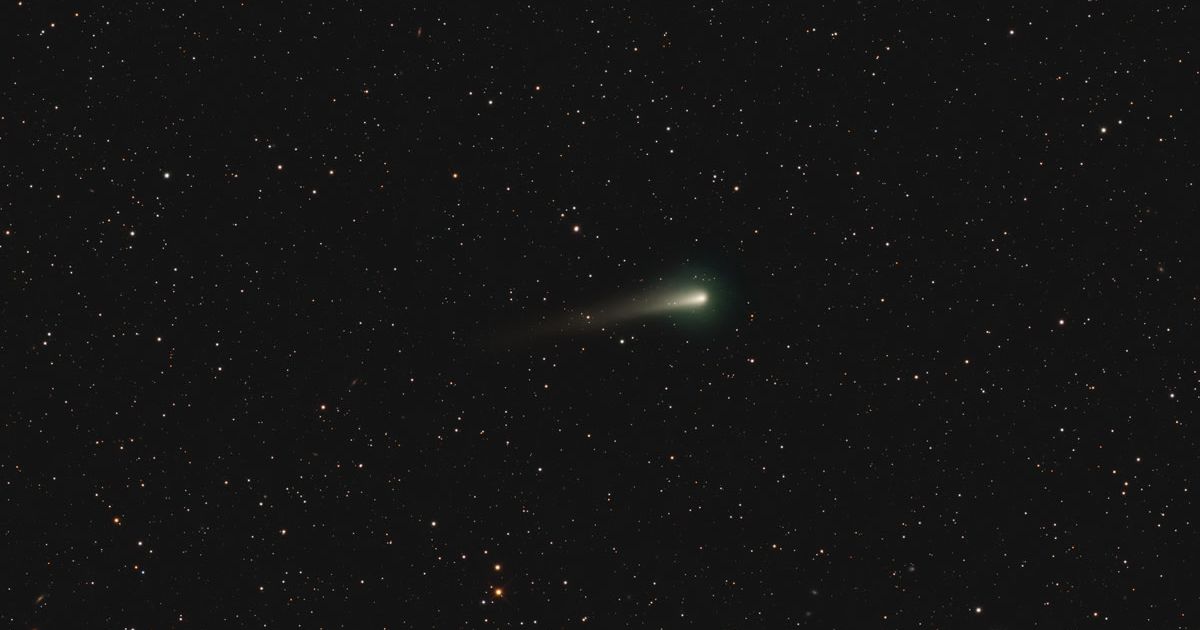
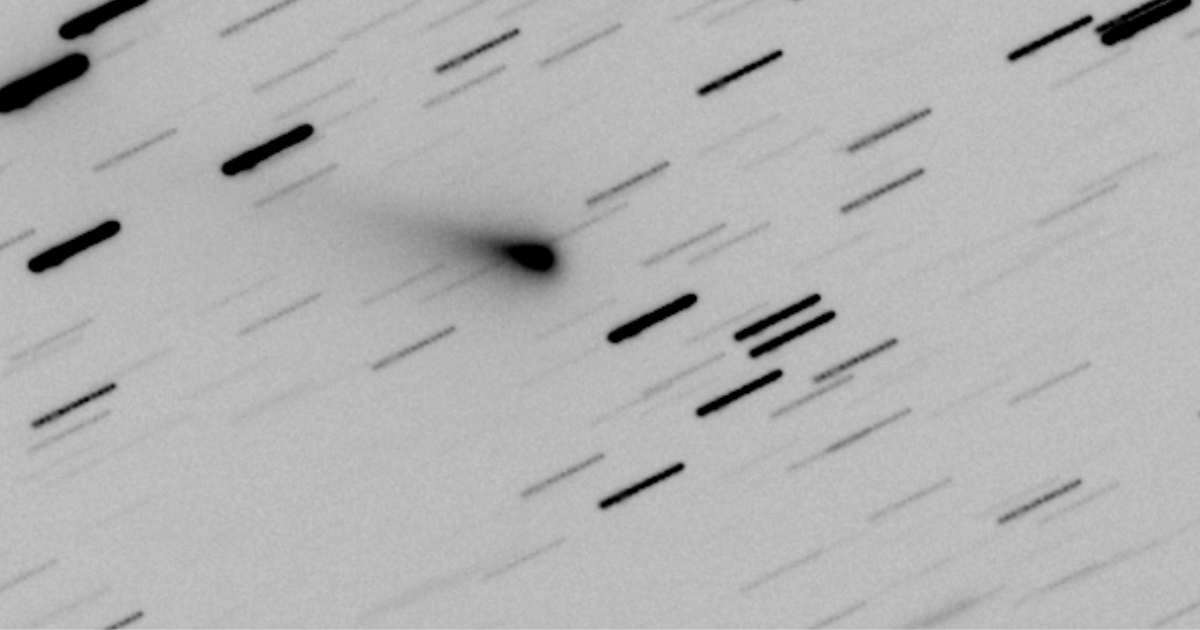
New images reported by The Virtual Telescope Project now show that Comet C/2025 K1 (ATLAS) is breaking apart as it continues to head towards its closest approach to Earth. Report of the "dramatic situation" in the comet's inner coma was shared by The Virtual Telescope Project on November 13, 2025, with astronomer Gianluca Masi pointing out that there are multiple visible fragments and debris clouds, which indicate a rapid and considerable breakup.
A high-resolution image, taken through fifteen 60-second exposures from Manciano, Italy, clearly shows several independent pieces, known as sub-nuclei or debris clouds, along with a notable plume coming from the leading fragment. Moreover, an animation also shows how this fragmentation has quickly evolved over two days (November 12 and November 13).
Comet C/2025 K1 ATLAS fragmentation: 13 Nov. 2025 image and animation. The Virtual Telescope Project
byu/Neaterntal incomets
Further support for ongoing fragmentation comes from additional observations taken on November 14, 2025, as per The Virtual Telescope Project. A new image, achieved by stitching together seven 60-second unfiltered exposures before clouds moved in, now clearly shows multiple sub-nuclei and debris clouds. The most intriguing feature is an arc-like feature on the left-hand side, pointing toward the Sun.
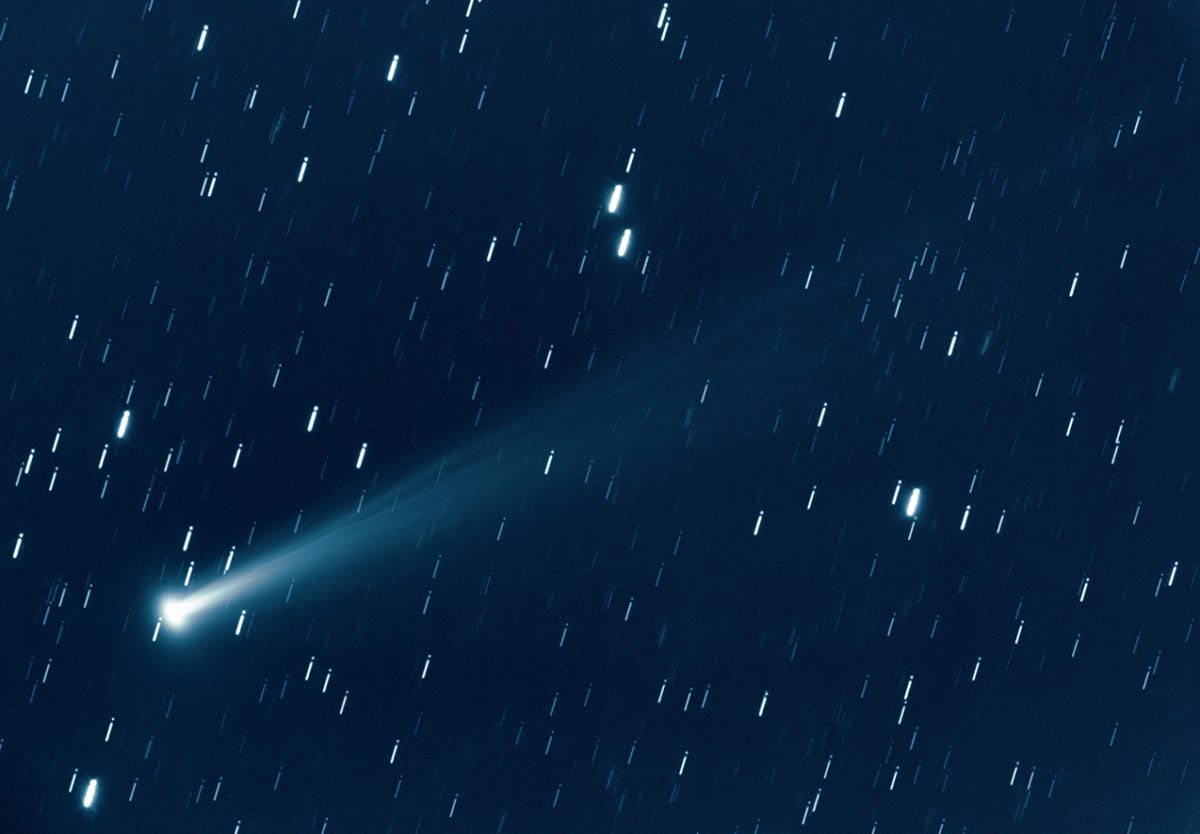
This breakup event seems to have been preceded by a sudden and intense brightening around the comet's perihelion, the point in its orbit closest to the Sun, on October 8, according to Live Science. During that event, Comet K1 changed colors dramatically, moving from its usual greenish hue (caused by diatomic carbon glowing in sunlight) to a striking "streaking ribbon of gold." The reason for this sudden change in both brightness and color is still under debate among scientists. Some suggest that it might be due to a relative lack of carbon-bearing molecules in the comet's surrounding cloud of ice, gas, and dust.
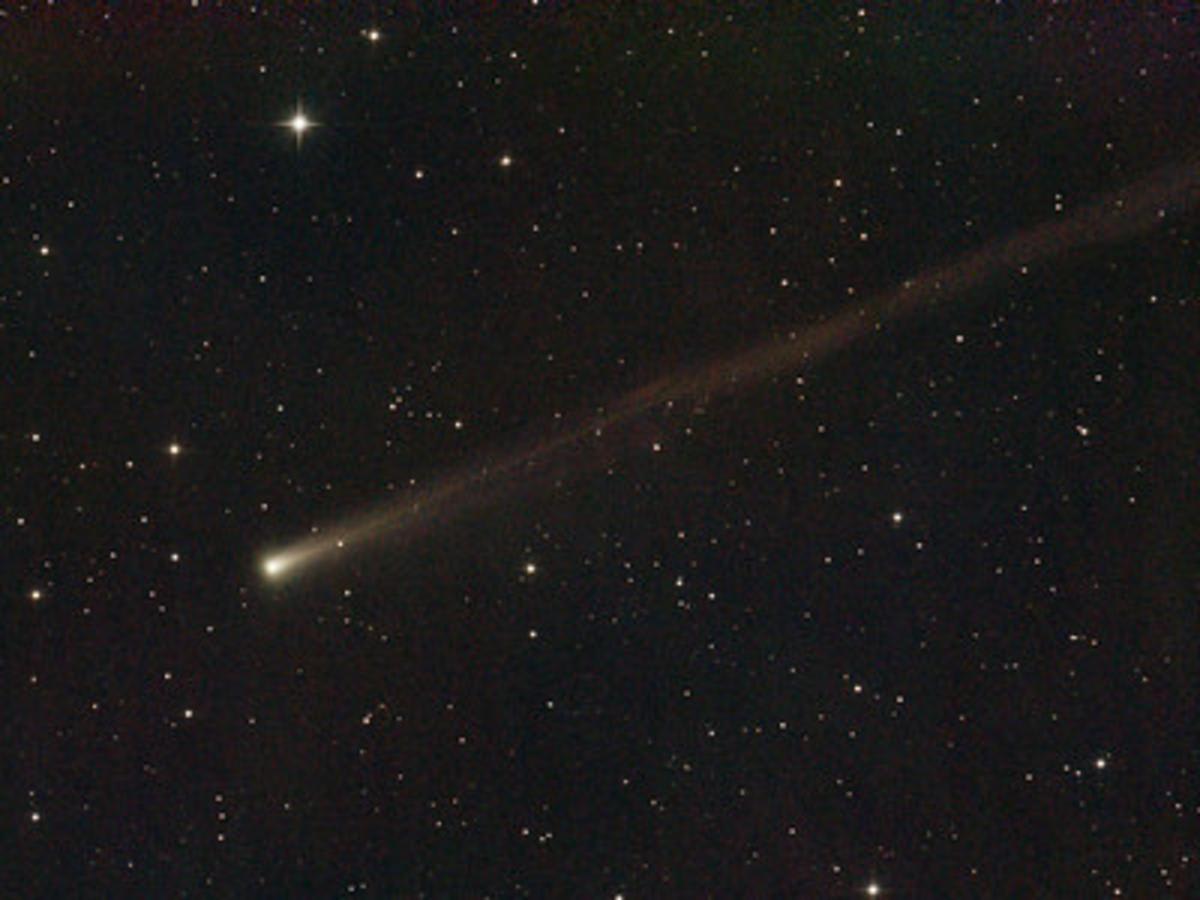
Comet C/2025 K1 (ATLAS) was first spotted in May by the Asteroid Terrestrial-impact Last Alert System (ATLAS). Despite its name, it's not related to the well-known interstellar Comet 3I/ATLAS; they just happen to share a discovery network and a similar timeframe. Early observations had indicated that Comet K1 made it through its close pass by the Sun, which was about 31 million miles (50 million kilometers) away.
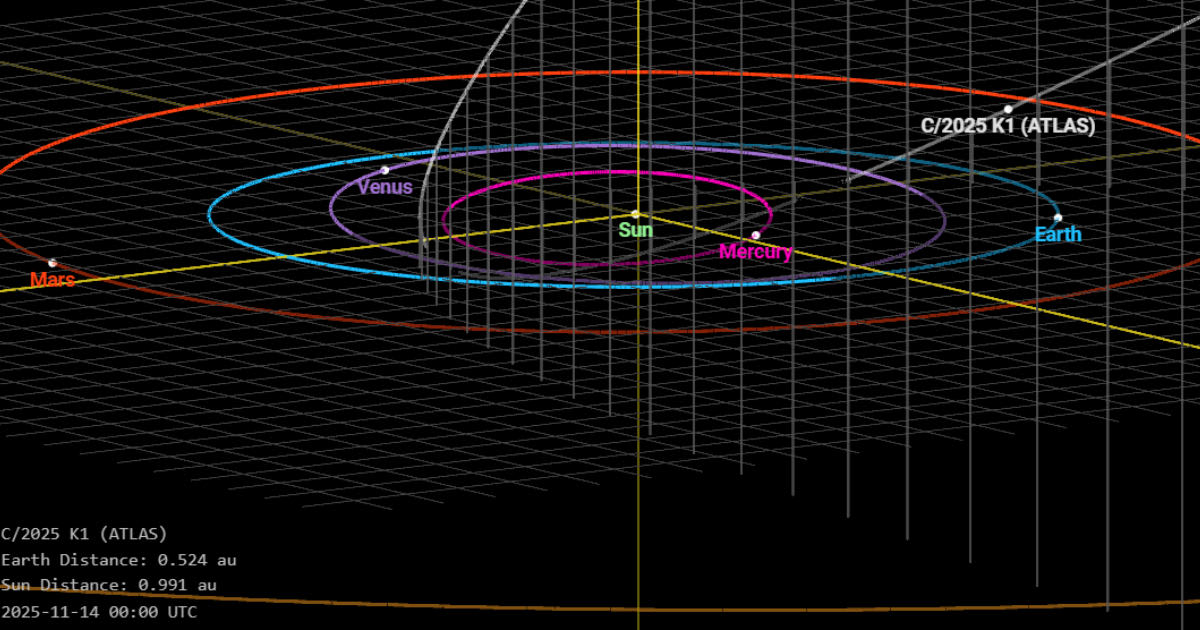
Despite currently breaking apart, Comet K1 is heading towards Earth. According to the most recent observation on Sky Live, Comet C/2025 K1 (ATLAS) presently lies in the constellation of Leo at a distance of around 47 million miles (77 million kilometers). The current visual brightness is an observed magnitude of 10.0. It is expected to make its closest approach to Earth on Tuesday, November 25, 2025. The distance from Earth will be just over 37 million miles (60 million kilometers), at about 0.403 astronomical units. Per Live Science, even though you can't see the comet with just your eyes, it can still be spotted if you have a decent pair of binoculars or a good telescope.
More on Starlust
New telescope image confirms interstellar comet 3I/ATLAS is growing a bright ion tail