NASA wraps up Crew-12 mission: Four crew members set to leave the ISS no earlier than October 7
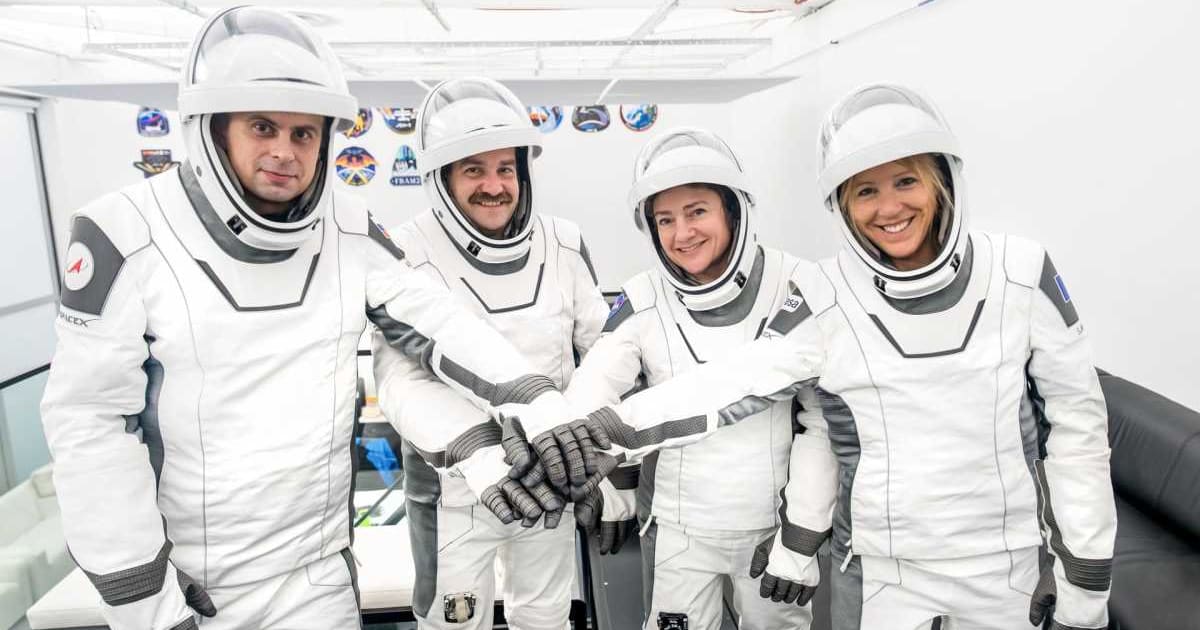
On October 1, SpaceX made history by flying the four crew members of NASA’s SpaceX Crew-13 mission to the ISS in the fastest-ever American flight to the station. And with this, NASA's SpaceX Crew-12 mission is now nearing its end. All four crew members of Crew-12 are scheduled to leave the International Space Station (ISS) no earlier than October 07, 2026, and make their way back home. As per NASA, "@NASA and @SpaceX now target no earlier than 1:05 a.m. EDT on Wednesday, Oct. 7, for Crew-12’s departure following a review of weather and splashdown conditions off the California coast."
Crew-12 is heading home, shaped by a mission full of science 🔬
— International Space Station (@Space_Station) October 2, 2026
From advancing cancer treatments to refining quantum technologies, Crew-12 supported a range of research that benefits life on Earth and helps prepare humans for future exploration missions. https://t.co/kvGEK1sFJL pic.twitter.com/vzCThheFFq
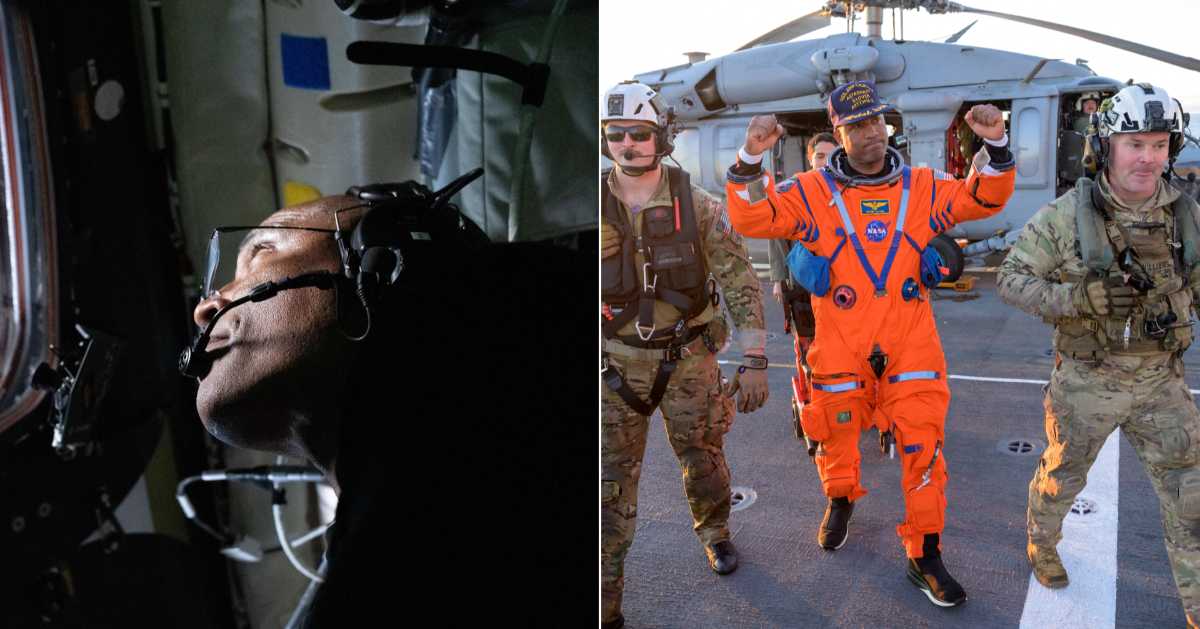
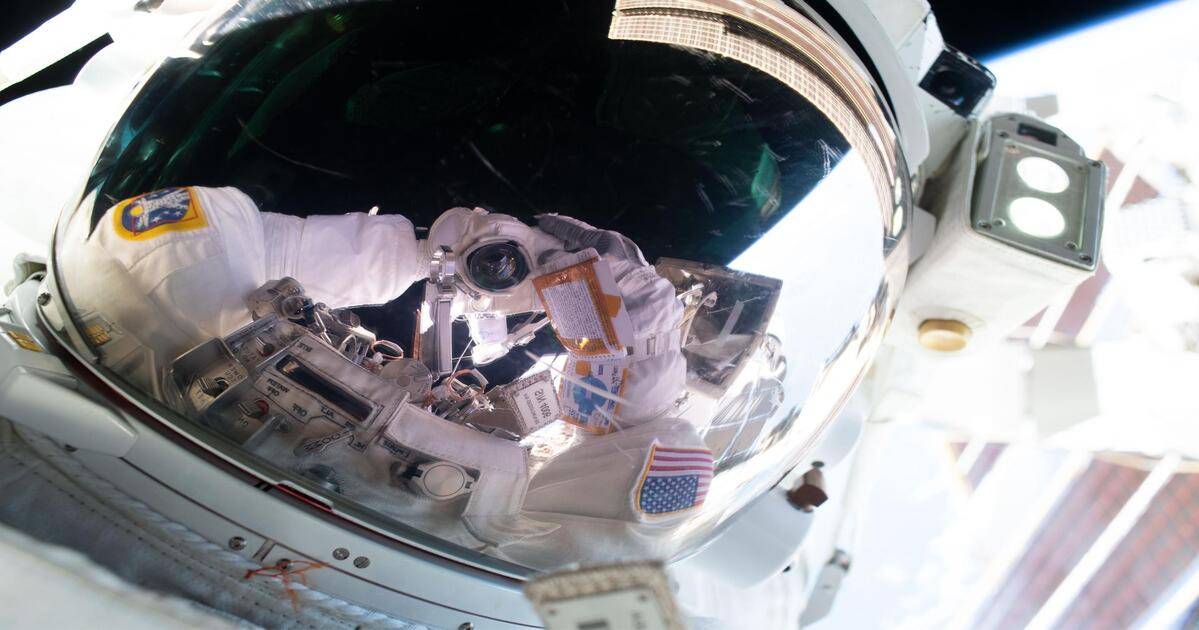
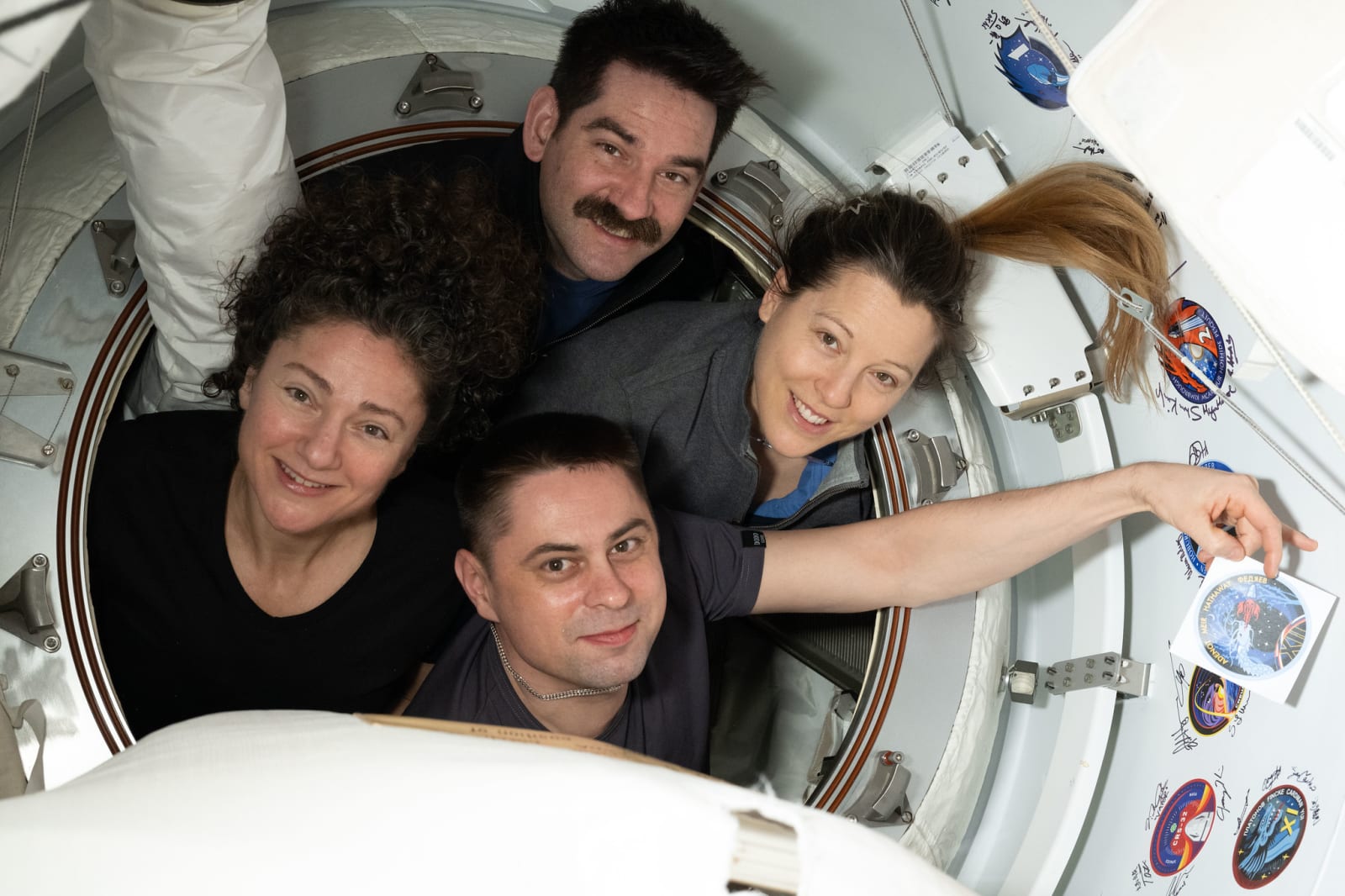
NASA’s Crew-12 includes astronauts Jessica Meir and Jack Hathaway, European Space Agency (ESA) astronaut Sophie Adenot, and Roscosmos cosmonaut Andrey Fedyaev. During their stay aboard the ISS, the team covered a range of projects with the goal of helping people back on Earth as well as supporting NASA in its future missions into deep space, including the upcoming Artemis missions.
.@NASA and @SpaceX now target no earlier than 1:05 a.m. EDT on Wednesday, Oct. 7, for Crew-12’s departure following a review of weather and splashdown conditions off the California coast. More... https://t.co/8VZNeFwMfd pic.twitter.com/EAeoFPUDgd
— International Space Station (@Space_Station) October 3, 2026
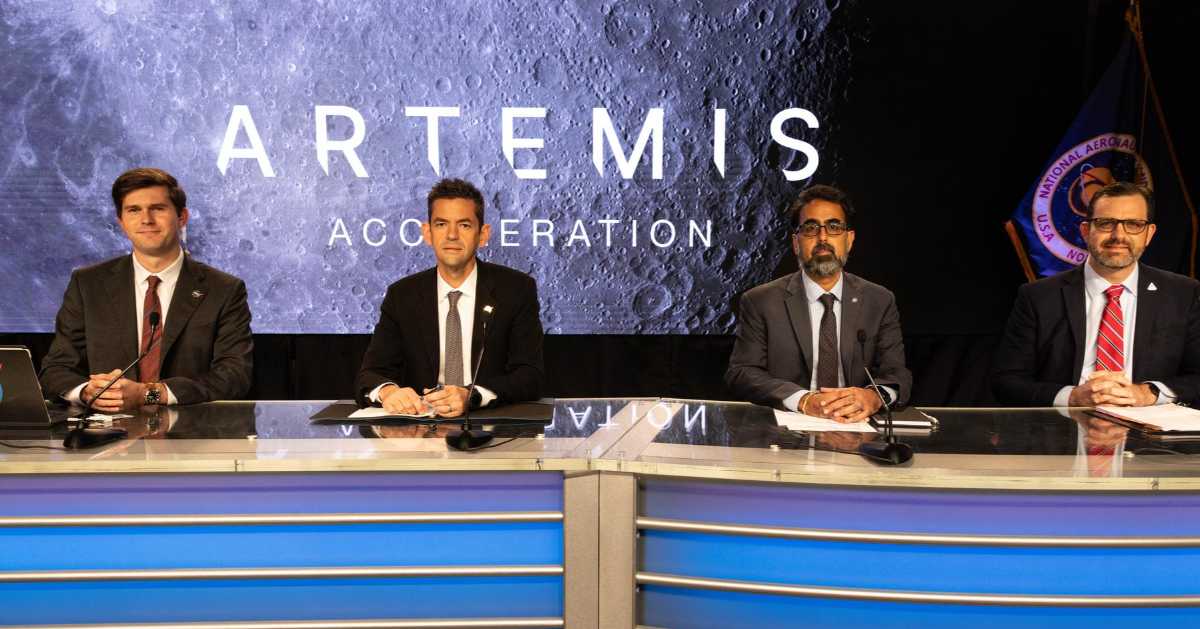
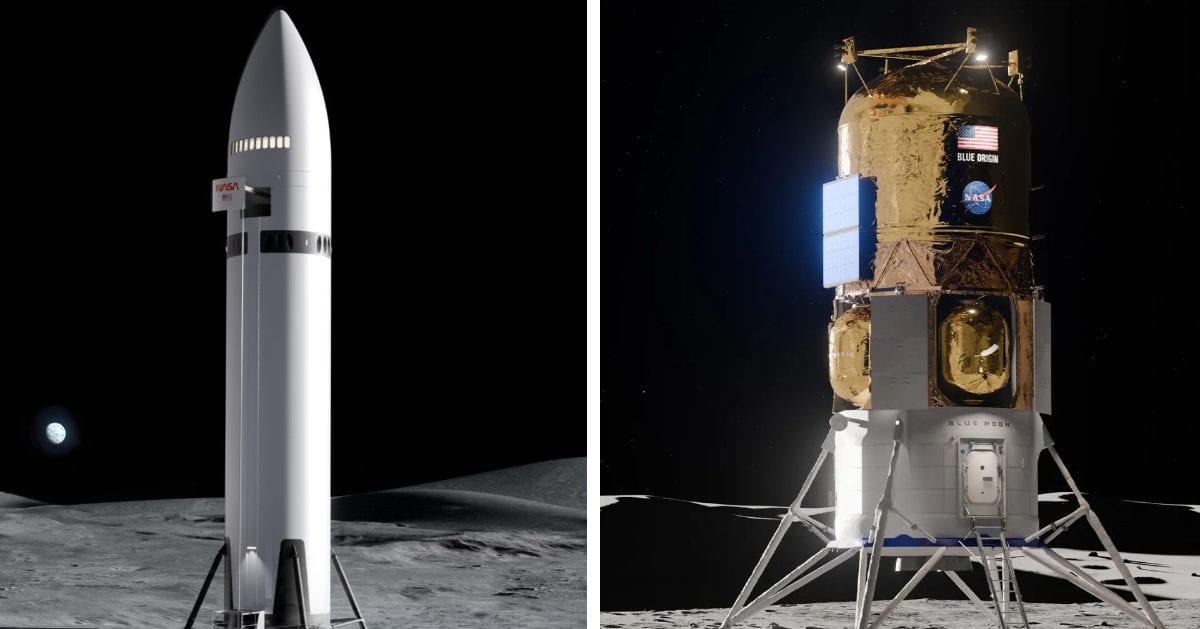
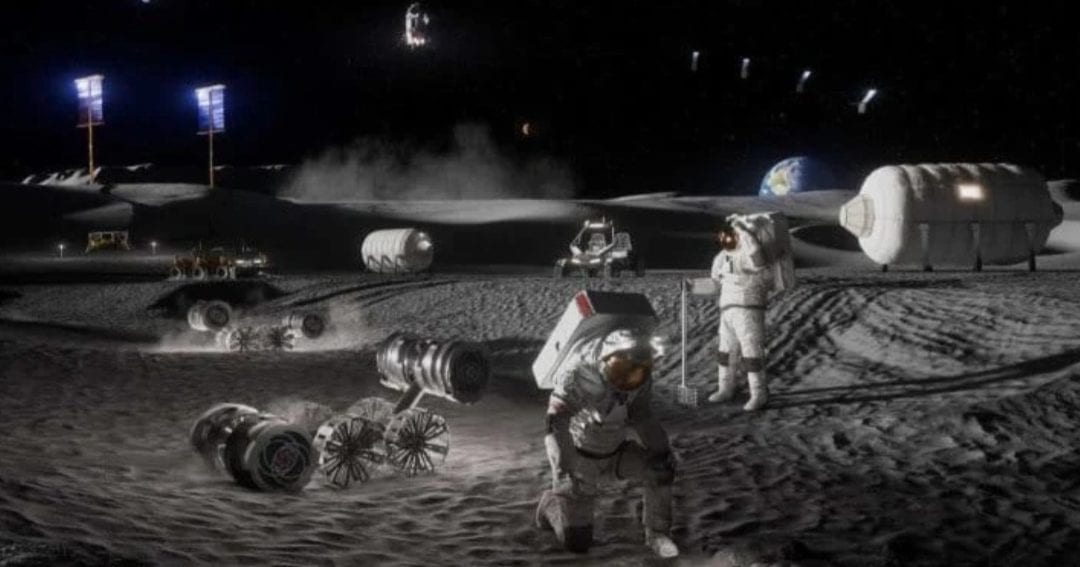
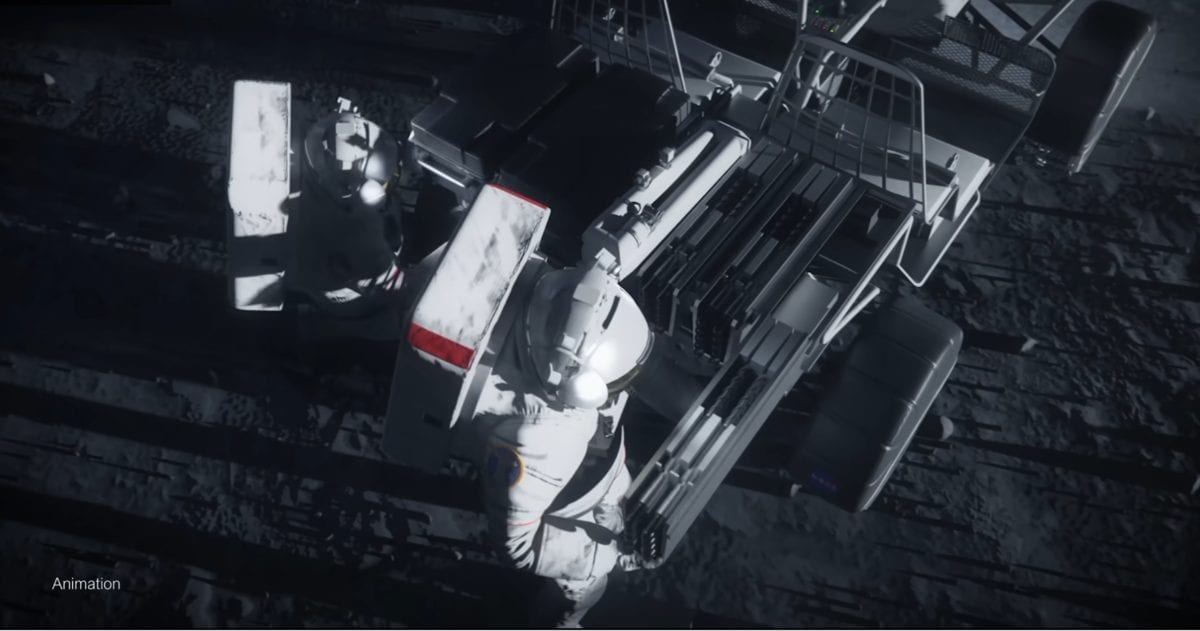
As of now, the Artemis IV mission is scheduled for early-to-mid 2028, and it will be a crewed mission that will take humanity back to the surface of the Moon. Before this, NASA will launch Artemis III in 2027 as a test mission for rendezvous, docking, and commercial landers (SpaceX Starship/Blue Origin) and suits.
Key highlights of Crew-12 Mission
Crew-12 headed to the ISS in the month of February for an eight-month-long stay. As per NASA Administrator Jared Isaacman, “The research this crew will conduct aboard the space station advances critical technologies for deep space exploration while delivering real benefits here on Earth.” He added, “We undertake these missions with a clear understanding of risk, managing it responsibly so we can continue expanding human presence in low Earth orbit while preparing for our next great leap to the Moon and onward to Mars.”
Congratulations to the @NASA workforce and our partner @SpaceX on another successful crewed launch to the International Space Station.
— NASA Administrator Jared Isaacman (@NASAAdmin) October 3, 2026
Crew-13 is now aboard the station, Crew-12 will be home soon, and 2026 is far from over. Still ahead: more science missions, more flyovers, the… pic.twitter.com/uTGmaY3yC9
NASA has also shared a list of accomplishments the crew made during this mission. This includes research in microgravity on how cells behave and how engineered cartilage tissue develops, along with studies of crystal structures and stem cells, among others.
Building the tools for future space missions
During her stay, Sophie Adenot worked with a small container holding a bone scaffold made from wood, a structure designed to copy real bone and give bone cells something to grow on. Meanwhile, Jack Hathaway ran an experiment that uses bone marrow cells to study how microgravity affects bone and muscle. Insights from the scaffold work could protect future space explorers and give patients new treatment options for osteoporosis, a disease that affects more than 200 million people worldwide.
Hathaway also tested for antibiotic-resistant bacteria, since some can survive antibiotics, starvation, and disinfection, a concern in closed spaces like spacecraft. Interestingly, Adenot also installed a metal 3D printer on the station. Several small metal parts have already been printed in orbit and returned to Earth. She also worked on making intravenous (IV) fluid on demand. A Northrop Grumman cargo flight also delivered supplies, fresh food, treats, and new research to the station aboard the Cygnus XL spacecraft.