NASA's Curiosity has learned four new tricks to boost efficiency after 13 years exploring Mars
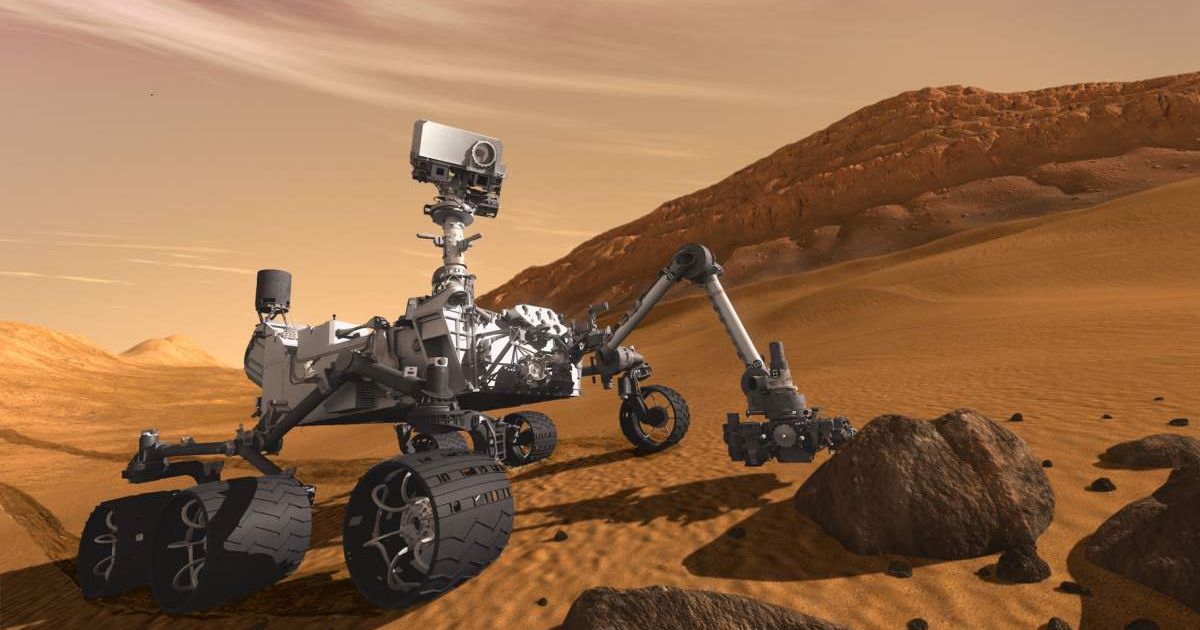
After more than a decade of exploration, NASA's veteran Mars rover, Curiosity, is getting a new lease of life with a series of significant software and operational upgrades. These enhancements are designed to increase the rover's autonomy and efficiency, ensuring that its mission to uncover the secrets of the Red Planet's past climate continues for years to come. By implementing these strategic changes, engineers are maximizing the rover's limited power from its multi-mission radioisotope thermoelectric generator (MMRTG) to yield even more scientific data, according to NASA.
Turns out, you CAN teach an old rover new tricks. Almost 13 years after Curiosity landed on Mars, engineers are finding ways to make the roving robotic science lab even more productive, including multitasking and more autonomy. https://t.co/4MUbG9Mlrh pic.twitter.com/DCXthf6UOt
— NASA Mars (@NASAMars) August 4, 2025
Here is a closer look at the key new capabilities that are making Curiosity more productive:
Enhanced multitasking
The rover has received a major software update that allows it to perform multiple tasks simultaneously, a significant departure from its previous one-by-one approach. For example, Curiosity can now drive and operate its robotic arm to take pictures or collect data while also transmitting information to a Mars orbiter. This new ability to combine tasks dramatically reduces the rover's active time, which in turn conserves the energy used by heaters and other instruments that must be on during operation.
Intelligent power management with "naps"
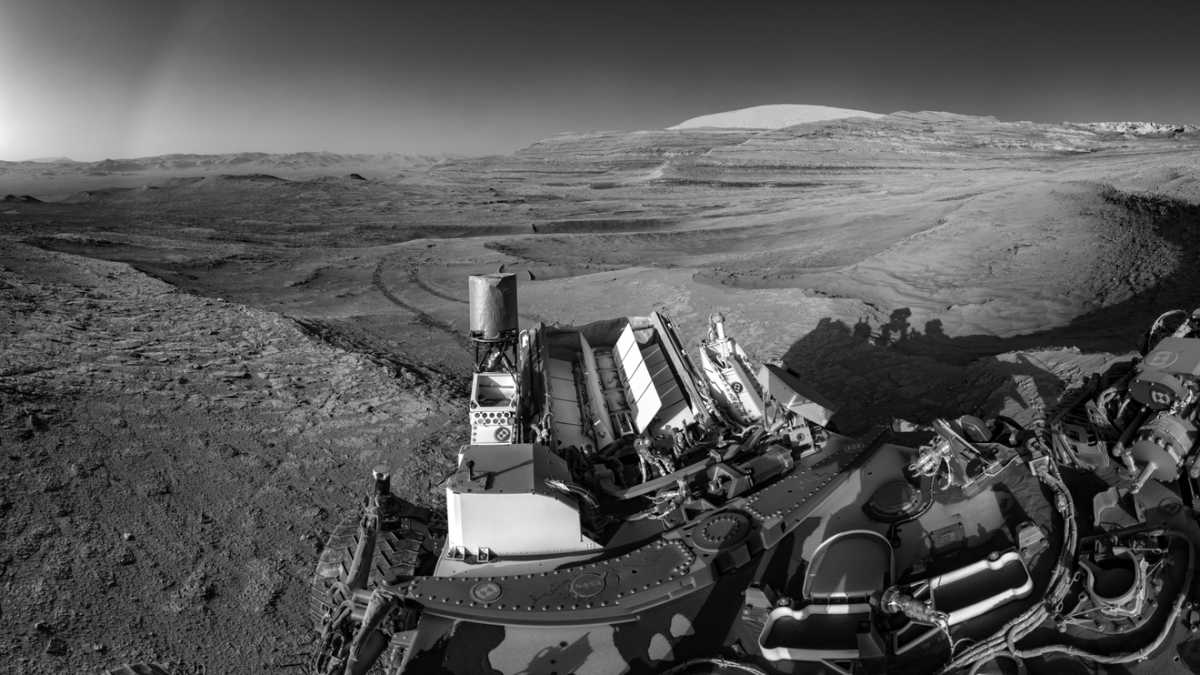
A new level of autonomy has been introduced, allowing the rover to make smart decisions about its power consumption. If Curiosity completes its daily list of tasks ahead of schedule, it now has the ability to take an "early nap" by entering a low-power state. This intelligent power-down functionality means less recharging is needed before the next day's plan, which is crucial for preserving the lifespan of its nuclear power source and extending the mission.
Improved drilling and sample collection
The rover's drill, a core component for its scientific work, has undergone a critical rework. This improvement addresses past challenges and ensures that Curiosity can continue to collect invaluable rock samples from the Martian surface. The ability to efficiently drill and collect these samples is fundamental to the rover's primary mission of analyzing the geological history of Mars and determining if the planet could have once supported microbial life.
Optimized driving to reduce wheel wear
Navigating the challenging Martian terrain has taken a toll on the rover's six wheels over the past decade. To combat this, engineers have deployed new software updates that include an algorithm designed to reduce wear and tear. These improvements enhance the rover's ability to drive and navigate while actively protecting its wheels, ensuring that Curiosity can continue its journey across Mount Sharp and other scientifically interesting locations for the foreseeable future.
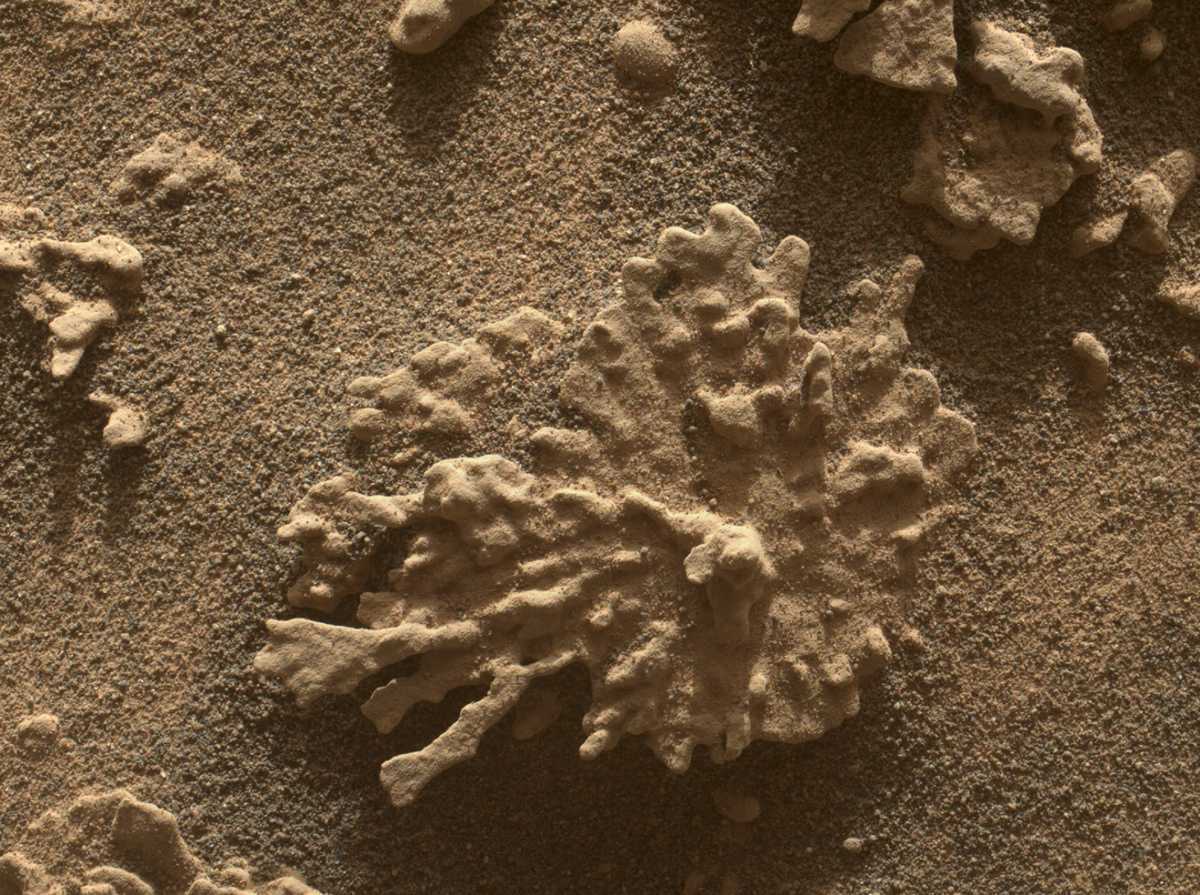
The benefits of these new capabilities are already apparent as Curiosity continues its mission. The rover completed a precise maneuver to investigate a three-foot-high rock formation that some are calling a "dinosaur footprint." The feature is part of a ridge named “Volcán Peña Blanca” and is full of sedimentary structures that could hold clues about Mars' past. By carefully positioning itself within 35 feet, Curiosity can begin a detailed study to determine if the rocks were formed by ancient dunes, rivers, or lakes. This discovery highlights the rover's ability to effectively pursue intriguing new targets and solve geological puzzles on the Martian landscape.