NASA astronaut photographs Artemis II SLS rocket from International Space Station
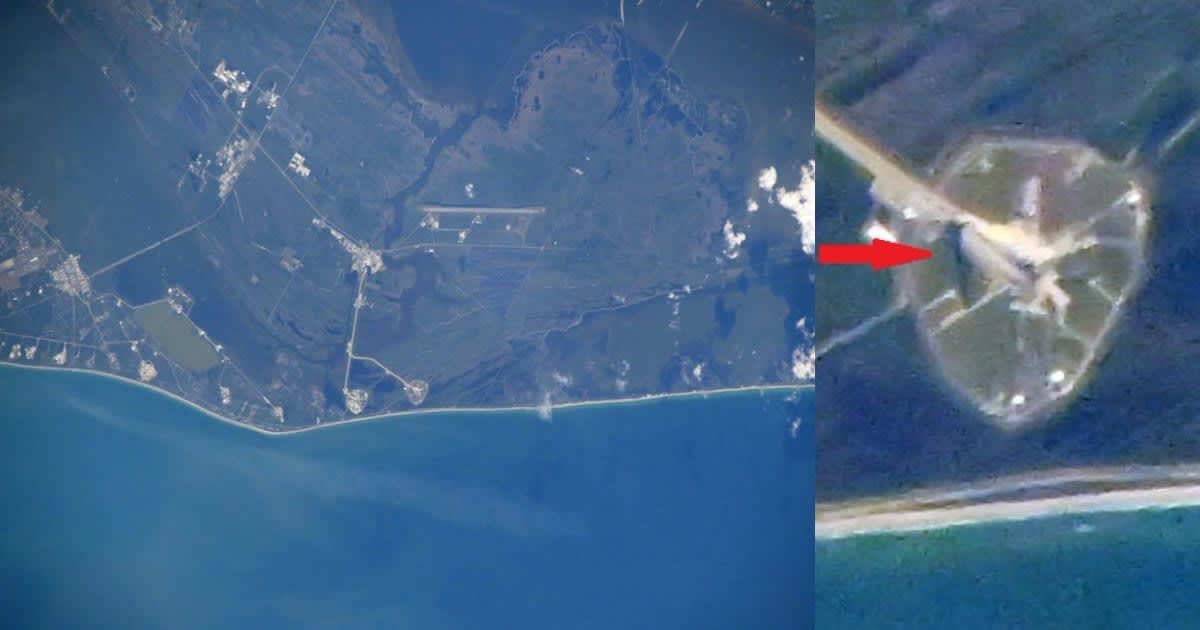
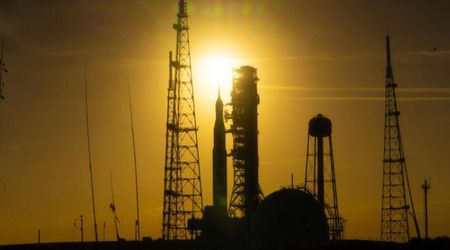
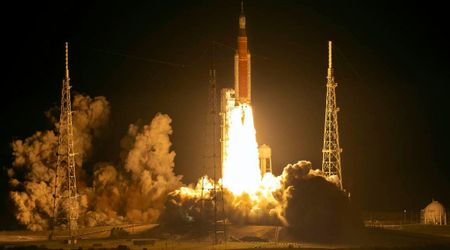
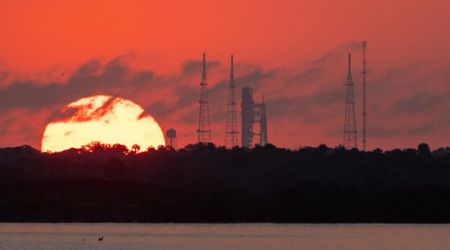
NASA astronaut Chris Williams, currently the lone U.S. occupant on the International Space Station, photographed the Artemis II Space Launch System (SLS) rocket on launch pad 39B at the Kennedy Space Center in Florida from space. Williams posted to X (formerly Twitter) on January 19, 2026, and pointed to the rocket’s shadow at its launch site, where it arrived on January 17 after a 12-hour crawler-transporter journey. “That shadow is from the rocket (and launch tower) that will soon take four of my friends on a trip around the moon as part of the @NASAArtemis program!” captioned Williams.
I took this photo of @NASAKennedy this weekend. It is not my best photo (should have grabbed a different lens) but it is special – if you zoom in on the rightmost launch pad, you can see a shadow just to the left of the center of the pad. That shadow is from the rocket (and… pic.twitter.com/vC7zbib9Uh
— Chris Williams (@Astro_ChrisW) January 19, 2026
Williams is currently operating solo on the ISS’s U.S. segment following SpaceX Crew-11’s unprecedented medical evacuation. The astronaut took the shot when the ISS passed over Florida not too long after SLS arrived at the launch pad at 6:42 pm EST. Williams lamented not using a better lens in his caption, but NASA’s Kennedy Space Center commented, “We think it looks great!”. Williams and his companions, cosmonauts Sergey Kud-Sverchkov and Sergei Mikaev, are set to be joined on the ISS by Crew-12 in mid-February.
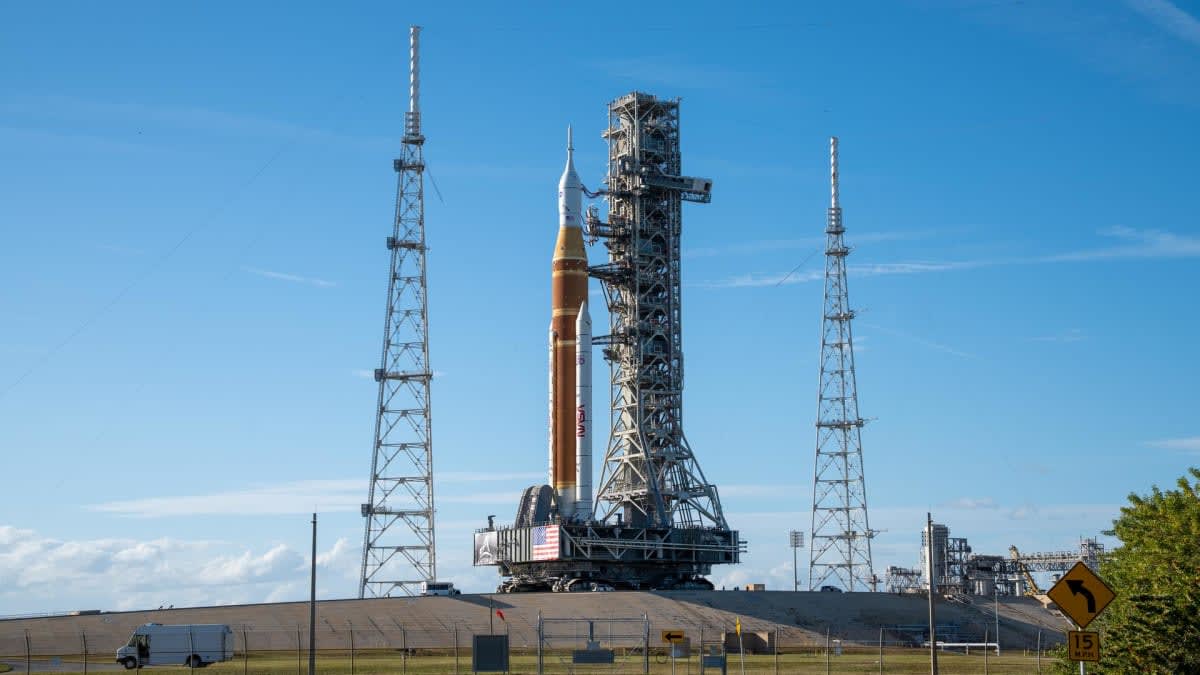
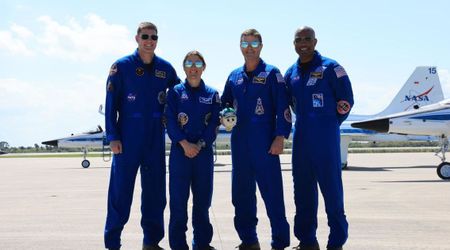
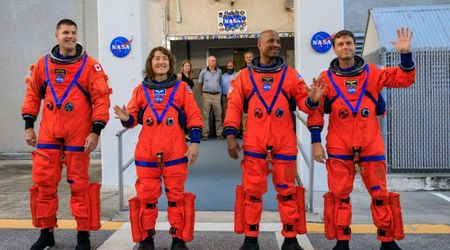
Artemis II will launch a crew composed of Reid Wiseman (commander), Victor Glover (pilot), Christina Koch (mission specialist), and Jeremy Hansen (Canadian Space Agency mission specialist) on a 10-day lunar flyby starting no earlier than February 6, 2026. Glover becomes the first person of color beyond low-Earth orbit, Koch the first woman, and Hansen the first non-American, according to Space.com.
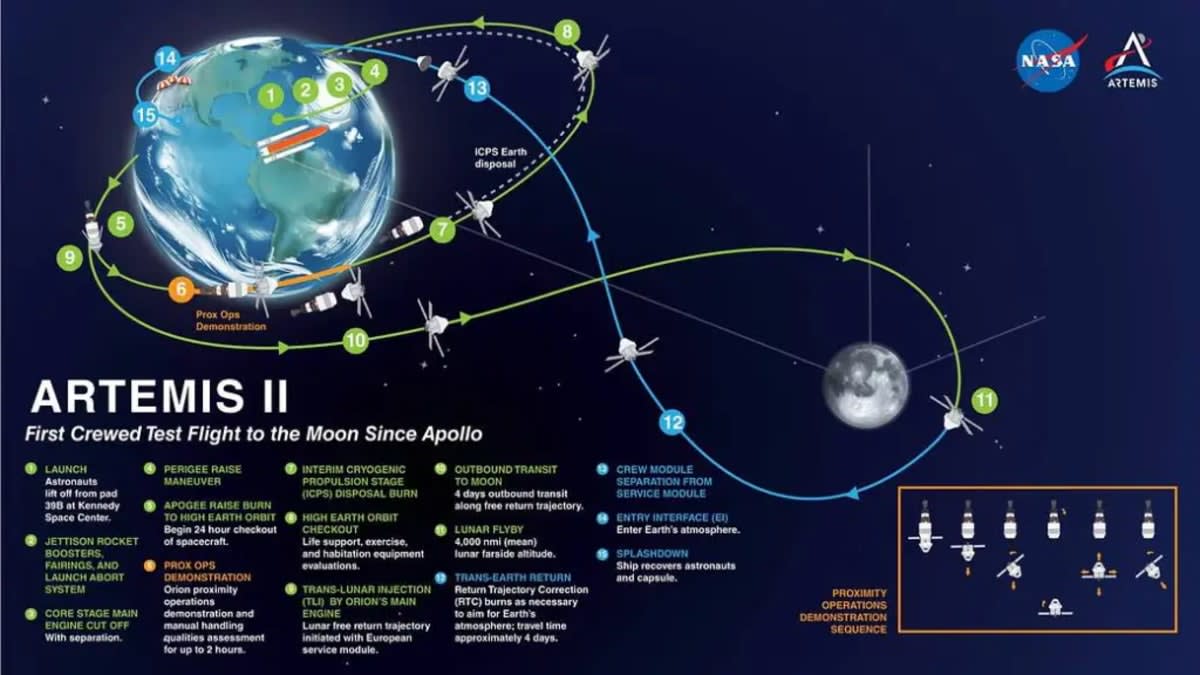
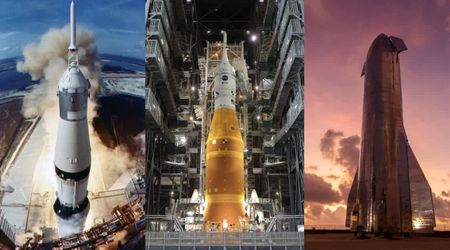
SLS awaits a wet dress rehearsal by February 2, 2026, with launch windows across February and April. Post Artemis II’s successful 10-day lunar expedition, Artemis III is slated to happen in 2028 with a crewed landing at the Moon’s south pole using SpaceX’s Starship Human Landing System (HLS), which will dock with Orion in lunar orbit to deliver astronauts for extended surface operations, including water ice extraction and science experiments. Artemis IV will follow thereafter, with a view to accelerate scientific research in the lunar surroundings aboard the Gateway station. The Artemis program revives human lunar exploration after more than 50 years since Apollo 17, advancing deep-space technologies, and laying the groundwork for Mars missions.
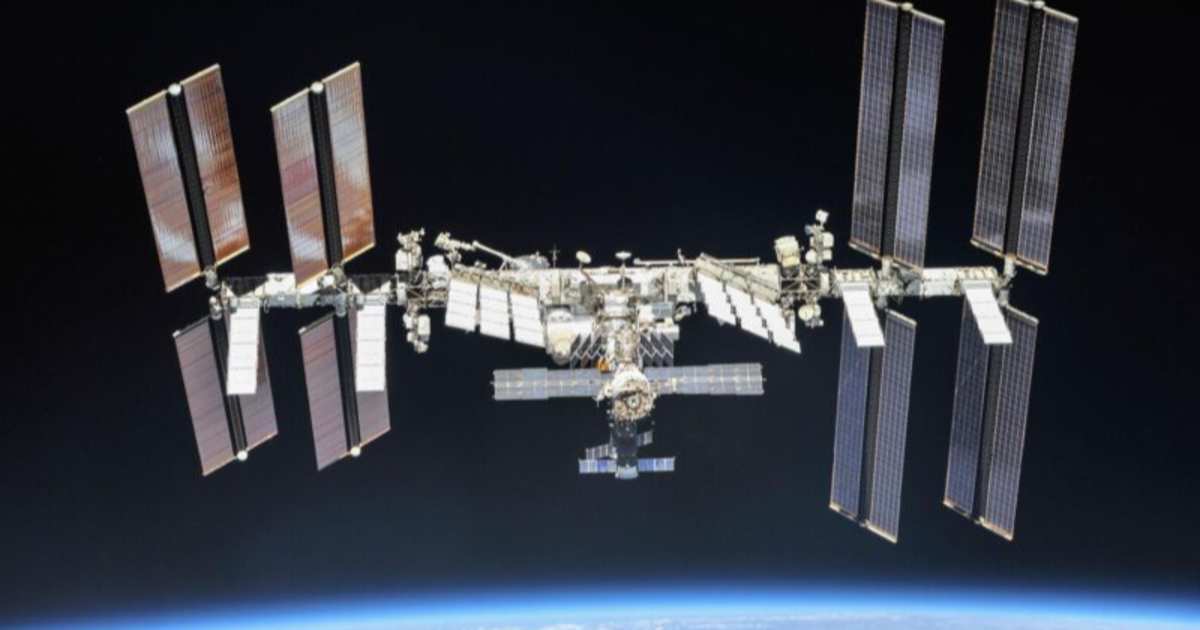
Much like the ISS—which orbits at 250 miles above Earth—Gateway is to be built with international collaboration and through more commercial partnerships. It will allow the crew to work, stay, and facilitate missions on the surface of the Moon. As is the case with ISS, it will also feature docking ports for allowing future spacecraft. Given ISS’ impending de-orbit in 2030, it is only right for an Artemis rocket to be photographed from ISS while it is still operational.
More on Starlust
Revisiting humanity's last crewed Moon mission ahead of Artemis II launch
NASA's Artemis missions timeline: What happens after Artemis II?