NASA postpones SpaceX Crew-13 launch—here's the reason
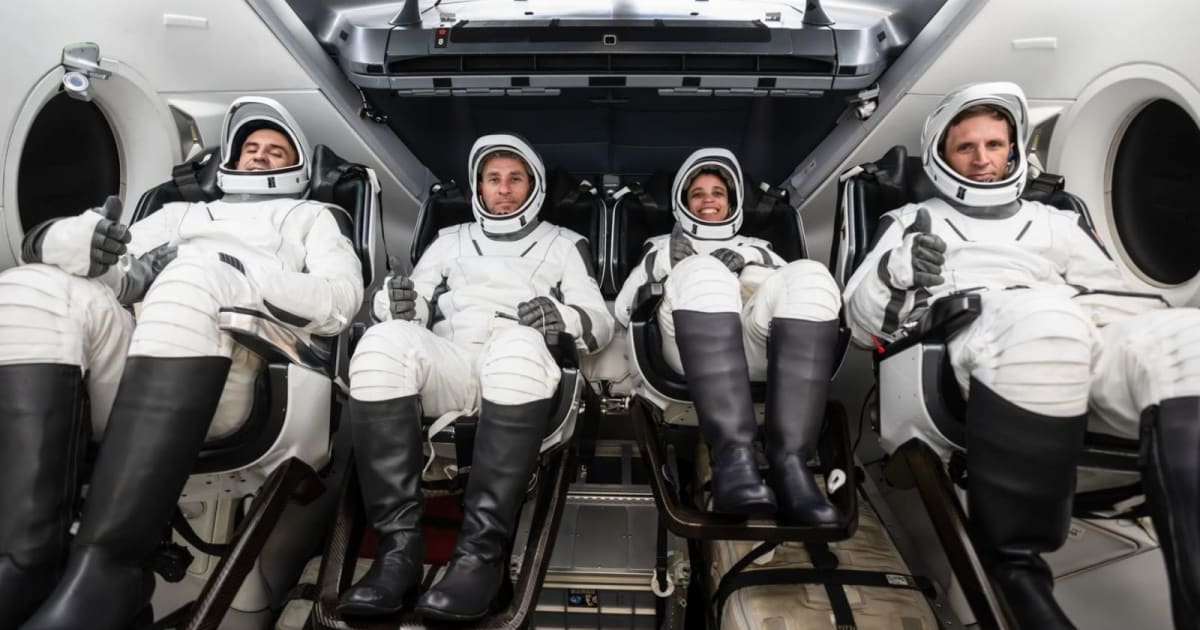
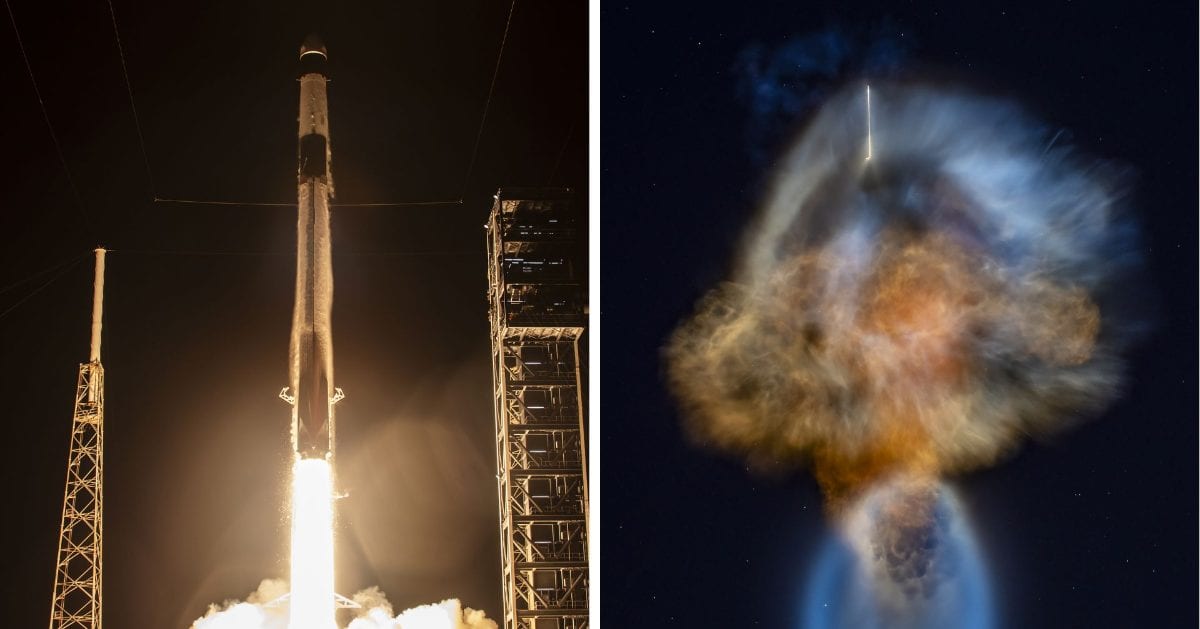
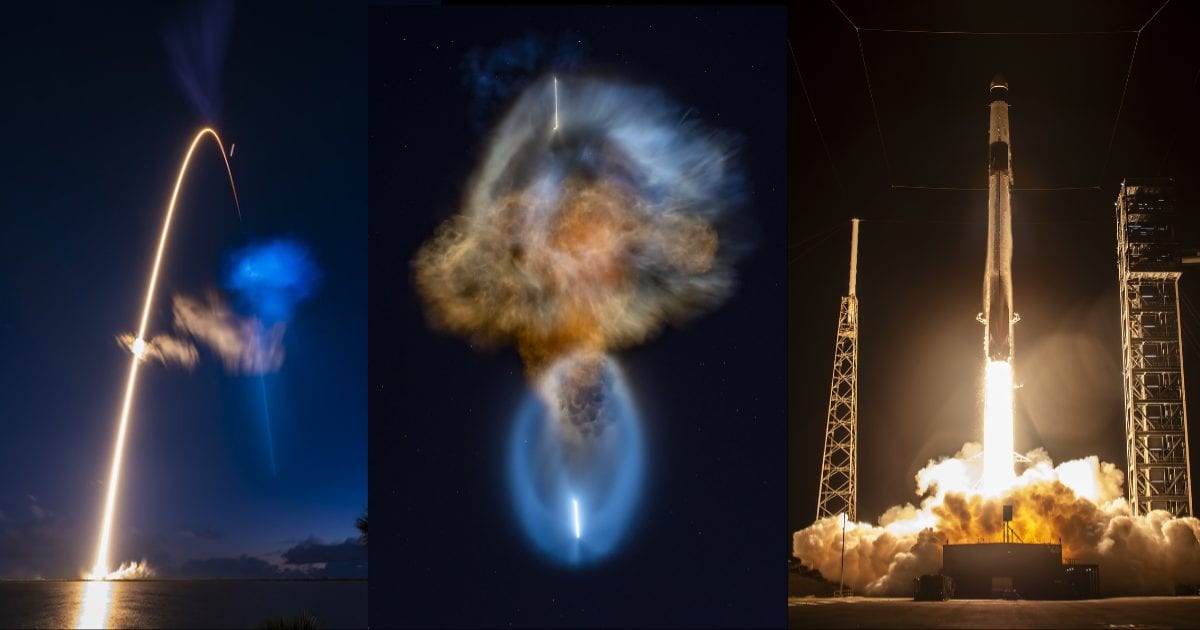
NASA has announced that it is postponing the launch of its Crew-13 mission to the International Space Station due to an issue with the Dragon spacecraft. Crew-13 will be the 13th crew rotation mission of SpaceX's human transportation system, and it was scheduled to launch no earlier than September 12 from Space Launch Complex 40 at Cape Canaveral Space Force Station in Florida.
With @SpaceX, we’re adjusting the launch date of our Crew-13 mission to the @Space_Station. A new target date will be announced once available: https://t.co/AxEvVmgD2d pic.twitter.com/lLK0OEOya3
— NASA (@NASA) August 30, 2026
In a statement released Saturday, the agency said a new launch date will be announced soon as teams at NASA and SpaceX continue to work to troubleshoot the issue.
Why is the mission being postponed?
The mission is being delayed because an oxidizer leak was detected on the Dragon spacecraft’s propulsion system during prelaunch tests, and additional tests are required to make sure it is safe for travel. “NASA and SpaceX are adjusting the launch date for the agency’s Crew-13 mission to the International Space Station to address an oxidizer leak on Dragon’s propulsion system which was detected during standard prelaunch spacecraft processing,” the statement read. “Joint NASA and SpaceX teams are performing additional tests and data review and will complete any necessary rework prior to launch.”
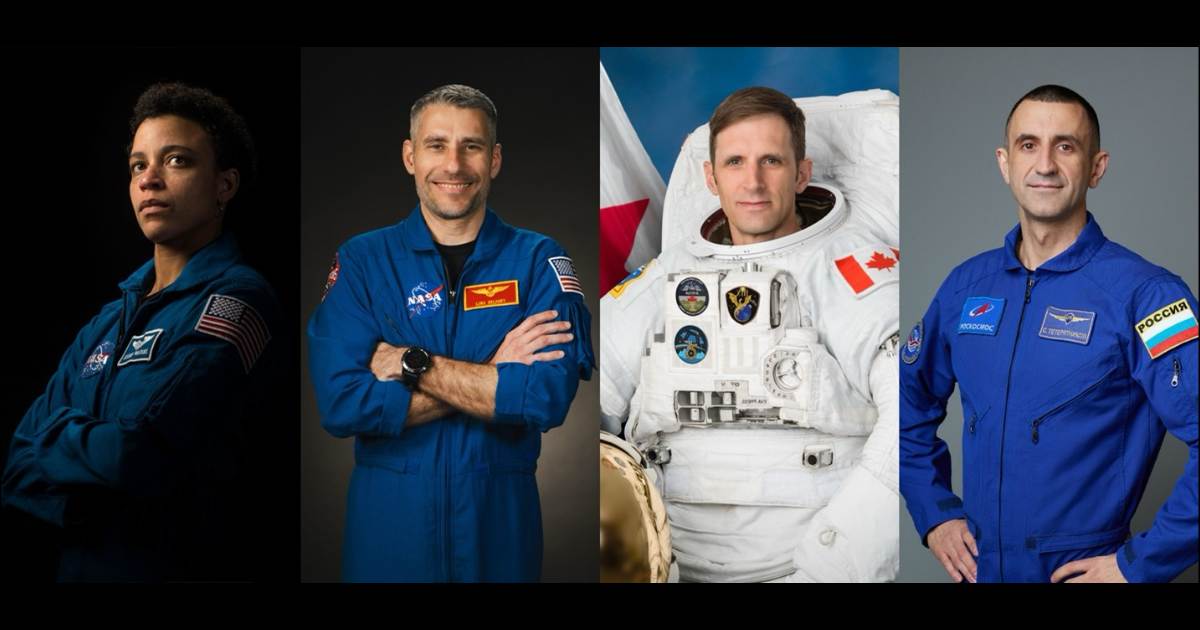
Crew-13 is composed of four astronauts. NASA astronauts Jessica Watkins and Luke Delaney will serve as spacecraft commander and pilot, respectively, whereas Canadian Space Agency’s Joshua Kutryk and Roscosmos cosmonaut Sergey Teteryatnikov will both serve as mission specialists. The quartet will join the seven residents currently living aboard the ISS and form Expedition 75, which is being led by Crew-12 commander and NASA astronaut Jessica Meir. Two weeks prior to launch, they will enter the mandatory quarantine at the Johnson Space Center in Houston, Texas.
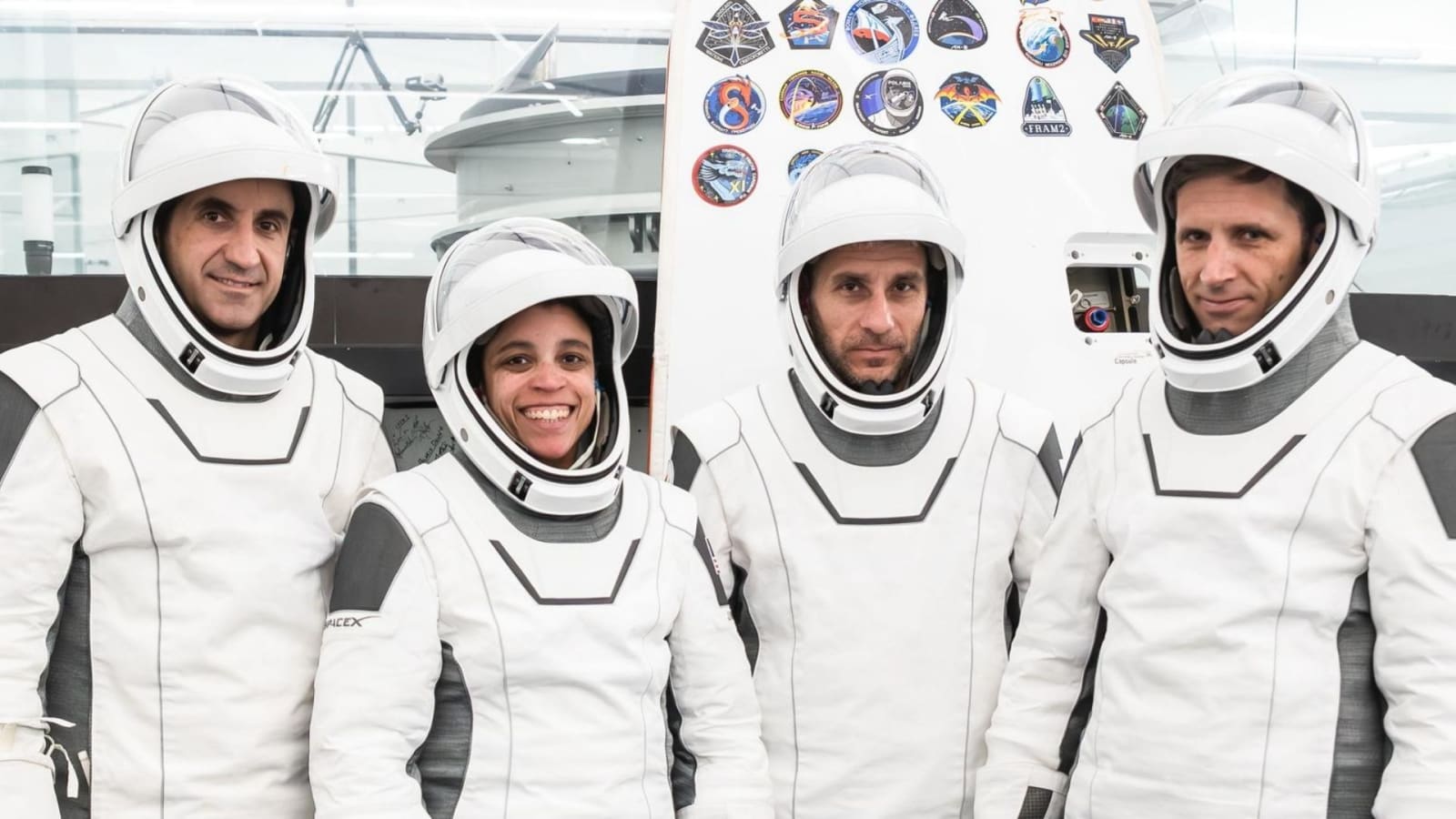
Interestingly, Watkins will fly on her second mission and become the first NASA astronaut to ride the Dragon spacecraft twice. Her first mission was Crew-4, which lasted 170 days in 2022. Delaney, on the other hand, will fly on his debut mission but carries extensive experience as a pilot. Once a member of the Marine Corps and a test pilot instructor, he has accumulated more than 550 combat flight hours across 400 combat sorties and more than 3,900 flight hours on 48 models of jet, prop, and rotary wing aircraft in total, including his NASA career.
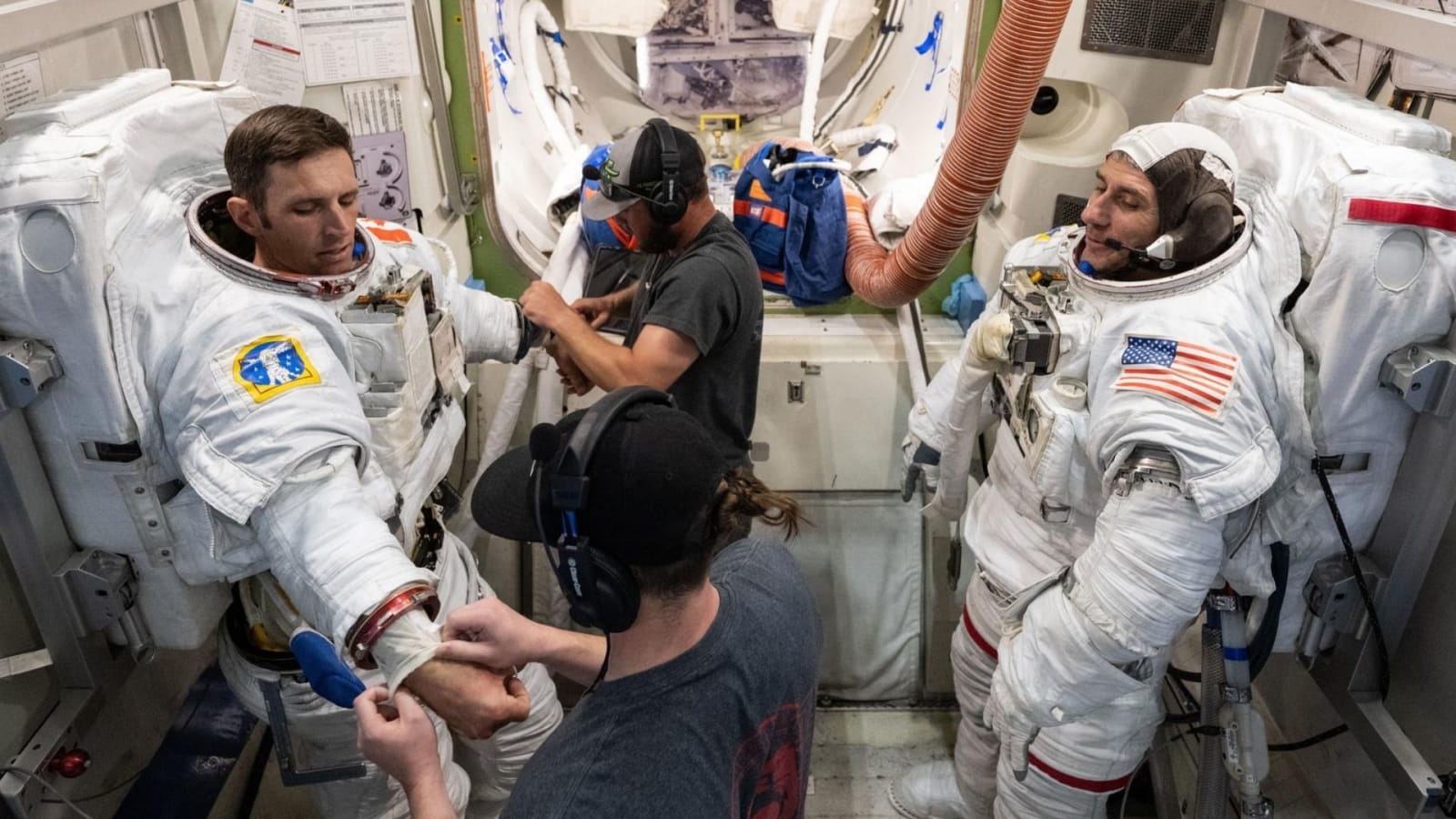
Both Kutryk and Teteryatnikov are also debutants in this mission. Prior to joining CSA, Kutryk was a CF-18 fighter pilot and a graduate of the United States Air Force Test Pilot School in Edwards, California. Teteryatnikov used to work as an engineer specializing in ship power plant operations and has served in various naval engineering roles before taking on the role of a test cosmonaut in 2023. Once Crew-13 reaches the station, Crew-12, which launched in February this year, will begin preparing for its departure. However, the Dragon leak and the subsequent launch delay might postpone their return by a few days.
More on Starlust
President Trump awards NASA's Artemis II crew the Congressional Space Medal of Honor
Watch: Moment ESA’s Sophie Adenot reenters ISS as the first French woman to complete a spacewalk