NASA's SpaceX Crew-11 astronaut reveals he temporarily lost the ability to speak in space
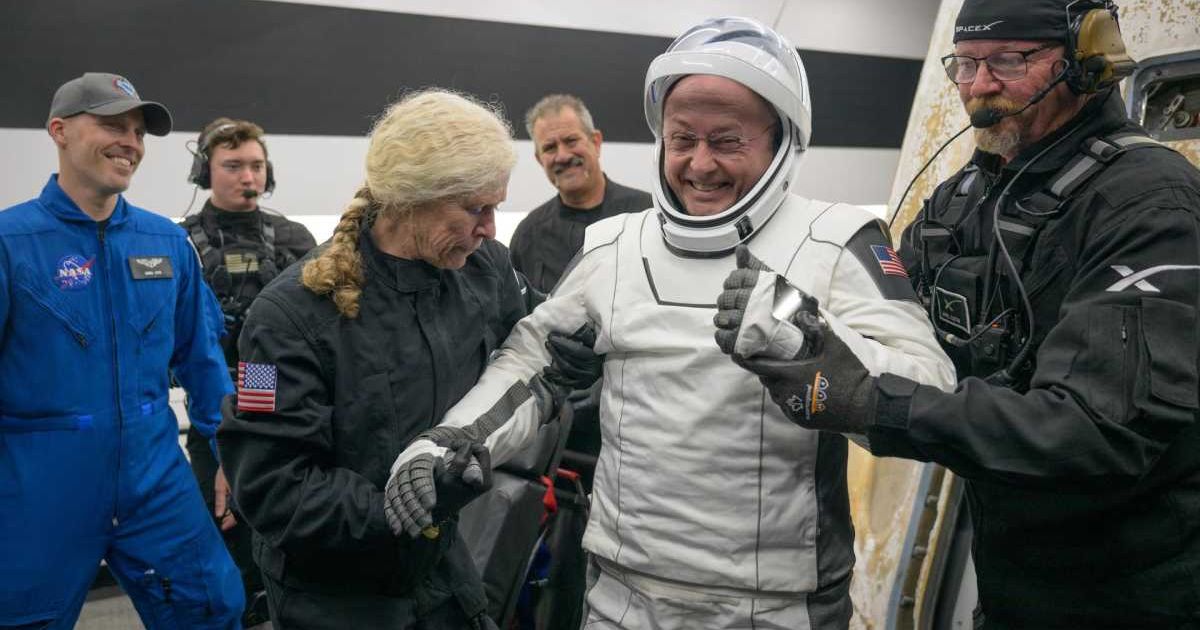
NASA astronaut Michael Fincke, whose medical emergency led to the early de-orbiting on January 15, 2026, has revealed he suffered a sudden loss of speech during the medical episode on the International Space Station (ISS). In an exclusive interview with The Associated Press recently, Fincke revealed that moments after having dinner, he could not talk. It was “completely out of the blue” and “amazingly quick,” he said.
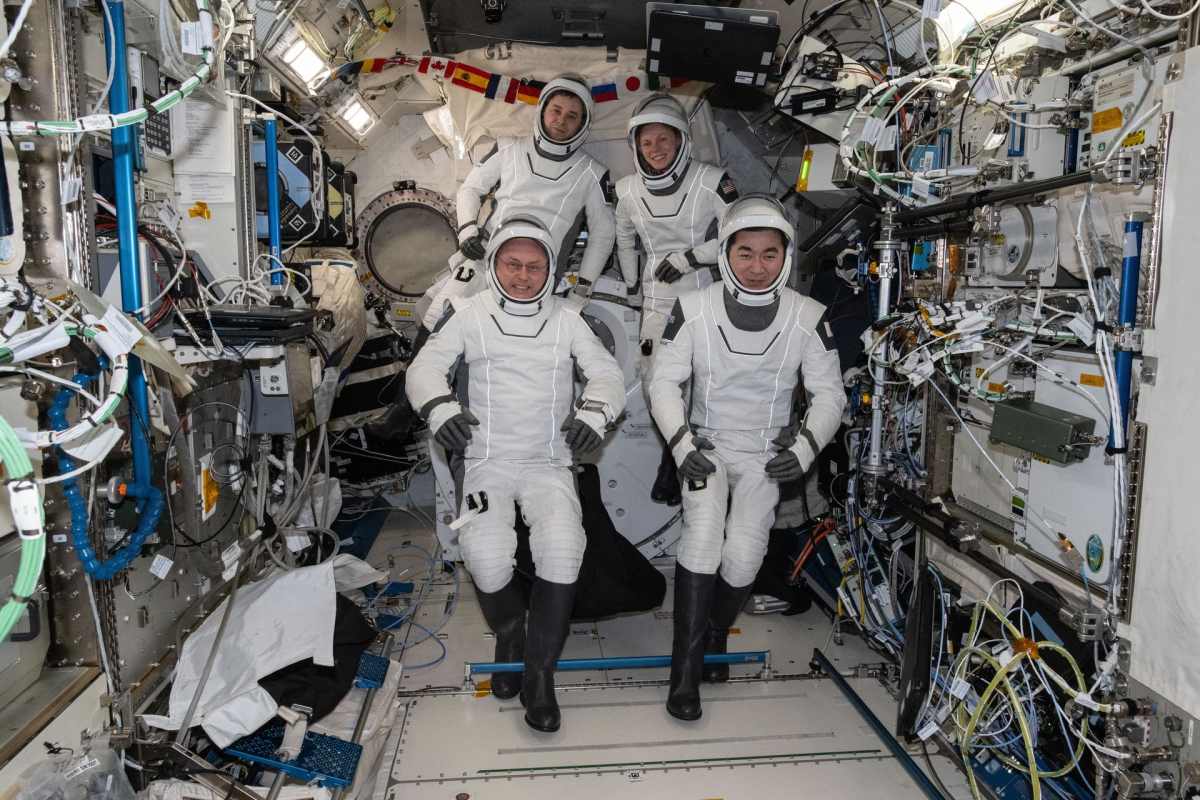
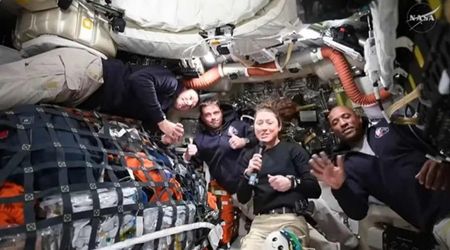
Fincke remembers feeling no pain, but when his crewmates saw him in distress, they reached out to the flight surgeons to seek help. “My crewmates definitely saw that I was in distress,” he shared, adding that they gathered around him. “It was all hands on deck within just a matter of seconds.”
This is becoming a serious situation. Possible early return of Crew-11.
— NSF - NASASpaceflight.com (@NASASpaceflight) January 8, 2026
NASA:
"As an update to our earlier communication regarding a medical situation aboard the International Space Station, the matter involved a single crew member who is stable. Safely conducting our missions… https://t.co/Y1h7f5H6Di
Mike Fincke and his crew left for the ISS on August 1, 2025. Their initial plan was to stay on board for about 180 days, but because of the medical emergency, they were called back to Earth a month before the scheduled time. Back on February 25, 2026, NASA issued a statement on behalf of Fincke explaining the medical cause.
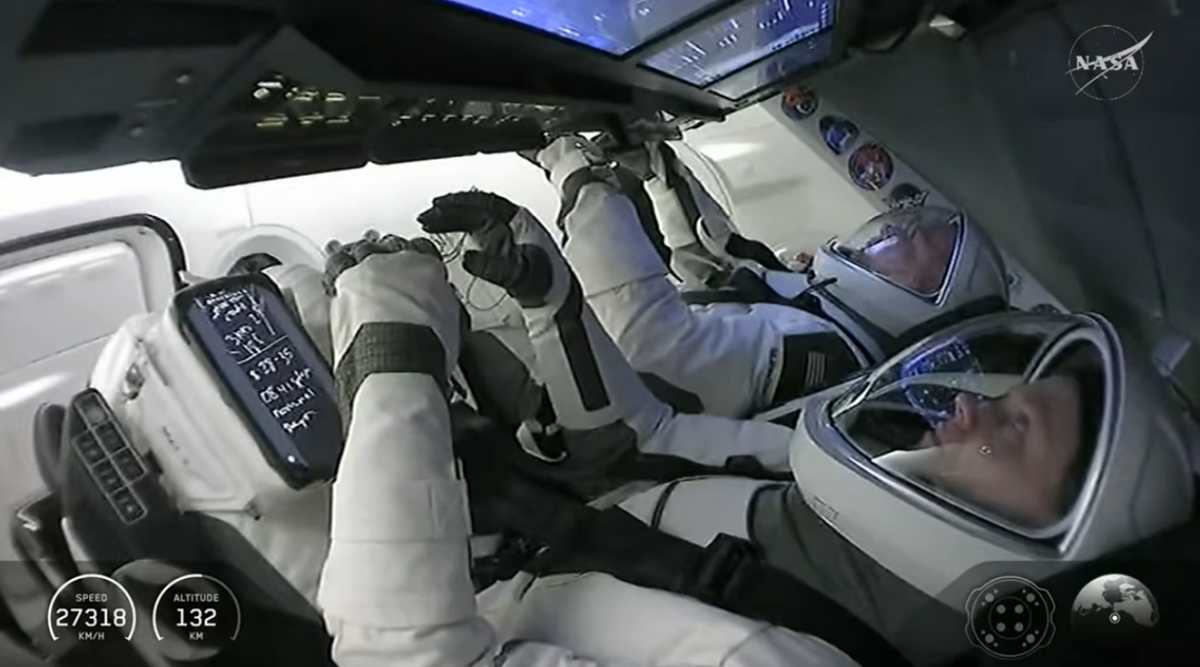
NASA is postponing the Thursday, Jan. 8, spacewalk outside the @Space_Station. A new date for the upcoming spacewalk will be shared later. Details: https://t.co/HnhQWBM5RC pic.twitter.com/I4uicjSm76
— NASA (@NASA) January 7, 2026
“On January 7, while aboard the International Space Station, I experienced a medical event that required immediate attention from my incredible crewmates. Thanks to their quick response and the guidance of our NASA flight surgeons, my status quickly stabilized,” the statement read. It further stated, “I’m doing very well and continuing standard post-flight reconditioning at NASA’s Johnson Space Center in Houston. Spaceflight is an incredible privilege, and sometimes it reminds us just how human we are.”
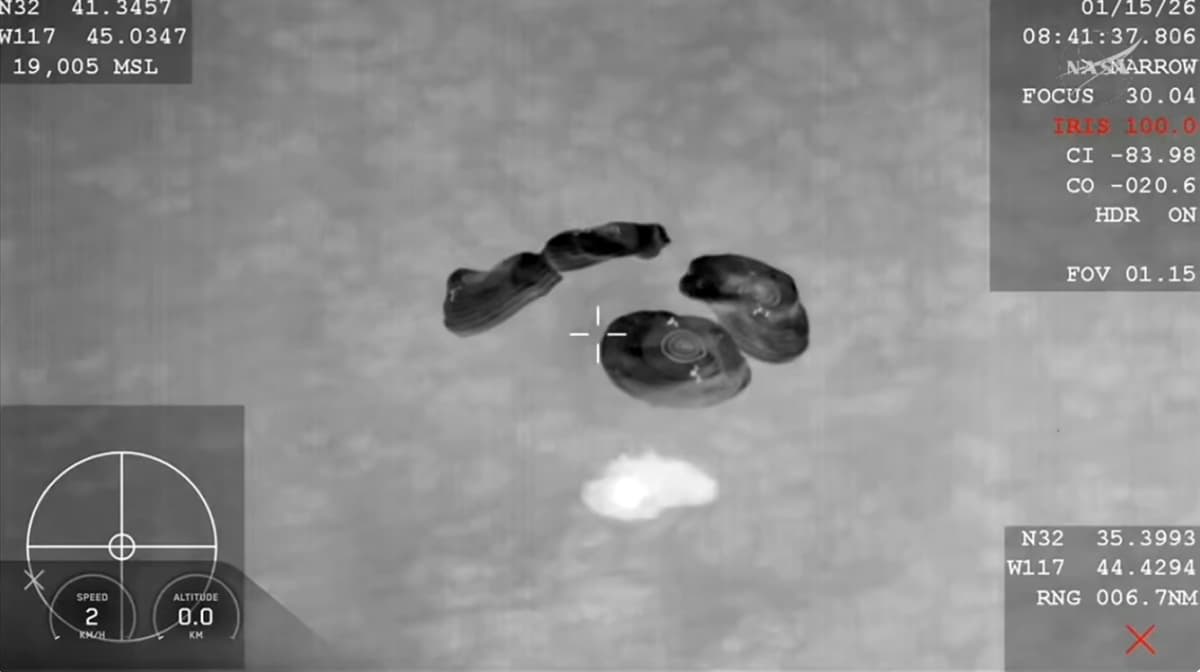
As per Fincke, the medical emergency struck him like “a very, very fast lightning bolt.” After analysis, heart attack was ruled out as the possible cause and it wasn’t about choking either. Fincke believes his 549 days of stay in space may have contributed to it.
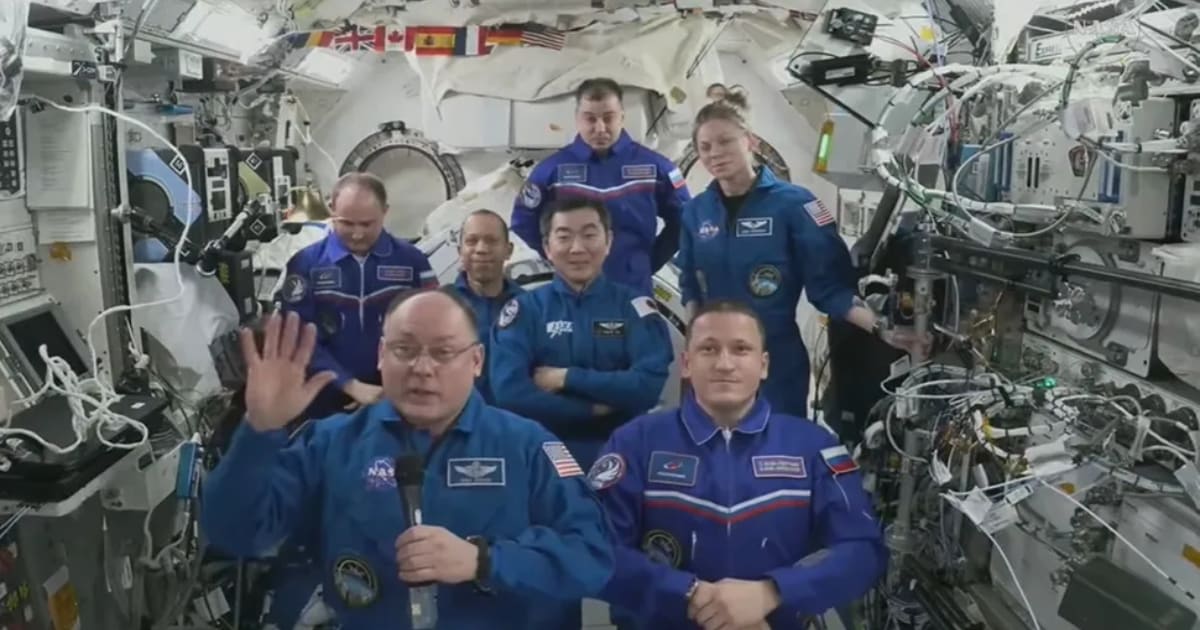
Michael Fincke further told the Associated Press that sharing detailed information about such medical incidents could raise concerns among astronauts about their privacy, making them feel that personal health issues might be exposed if something happens to them during missions. Since returning to Earth, he has undergone multiple medical tests. Meanwhile, NASA is reviewing medical records of other astronauts to determine whether similar cases may have occurred during space missions.
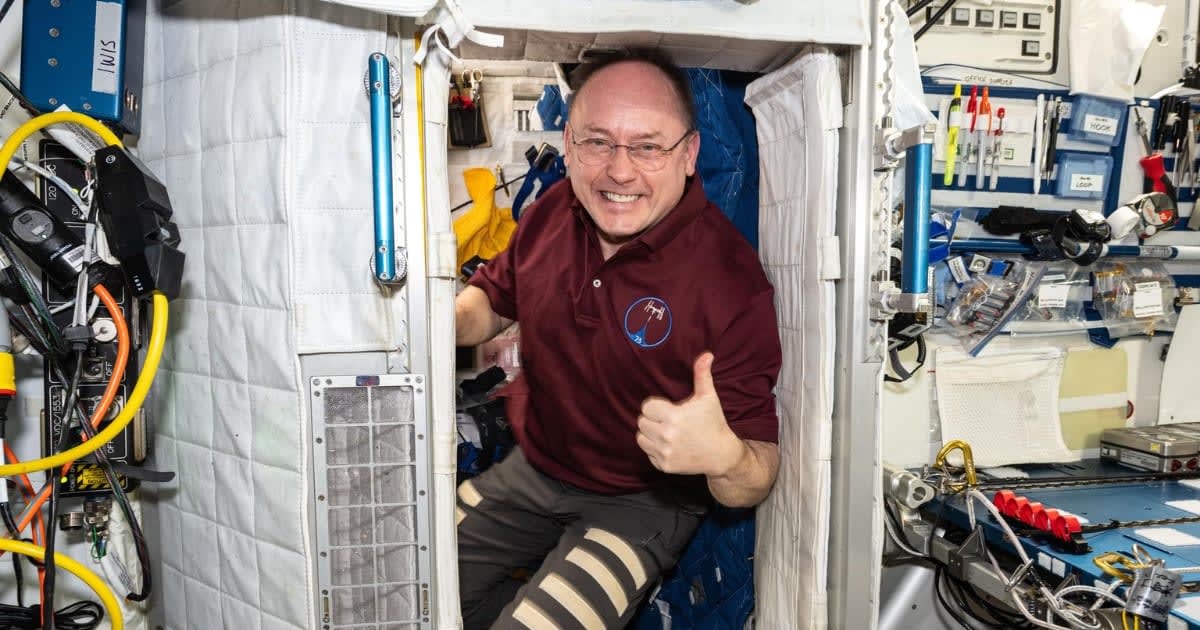
Speaking about the space station’s ultrasound machine that proved crucial during the incident, he mentioned, “It really helped” in managing the situation promptly. In Fincke’s words, “Of course, we didn’t have other big machines that we have here on planet Earth." He added, “We do try to make sure that everybody, before we fly, is really, really not prone to surprises. But sometimes things happen and surprises happen, and the team was ready. Preparation was super important.”
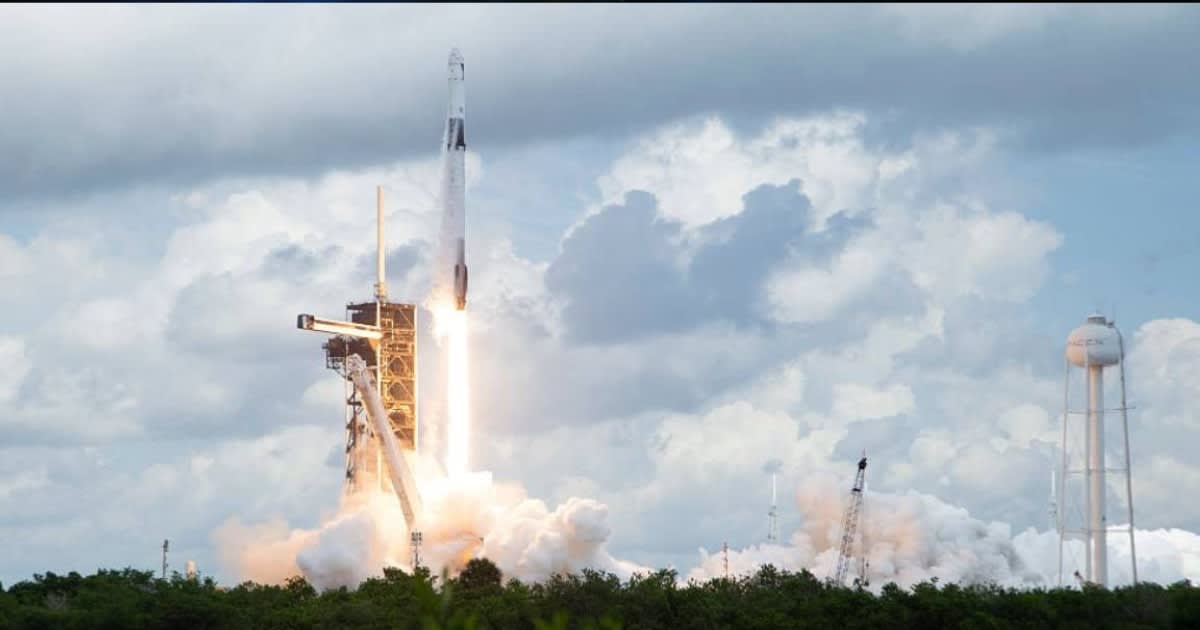
Acknowledging a sense of regret over a medical emergency that led to the cancellation of a planned spacewalk, he said, “I’ve been very lucky to be super healthy. So this was very surprising for everyone.” The report by the outlet also shared that he initially felt compelled to apologize to his fellow astronauts for the disruption caused by his condition. However, he later stopped after encouragement from Jared Isaacman, who advised him not to take personal responsibility for circumstances beyond his control. “This wasn’t you. This was space, right?” his colleagues assured him. “You didn’t let anybody down,” NASA Administrator Jared Isaacman told him.
More on Starlust
NASA’s SpaceX Crew-11 astronauts come home as Dragon achieves safe splashdown
NASA’s Mike Fincke passes ISS command to Sergey Kud-Sverchkov ahead of Crew-11 departure