NASA’s Roman Telescope takes one step closer to launch, gets enclosed in SpaceX Falcon Heavy fairing
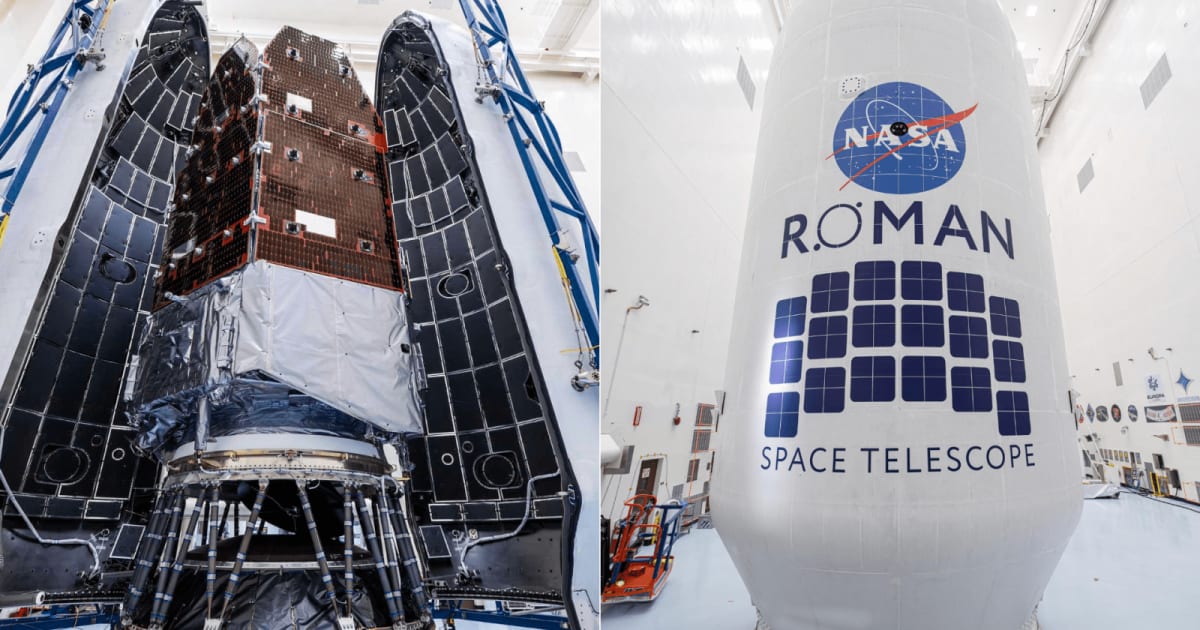
On August 21, NASA's team enclosed the observatory within the SpaceX Falcon Heavy rocket’s fairing. The encapsulation was carried out in the Payload Hazardous Servicing Facility at NASA's Kennedy Space Center in Florida.

The 43-foot-tall fairing that will be mounted atop the Falcon Heavy will act like a protective shield for the Roman telescope. When the observatory ascends after launch, the fairing will safeguard it from aerodynamic pressure, acoustic vibrations, and heating as the rocket propels upward through the Earth's atmosphere.
NASA’s Roman Space Telescope was encapsulated into Falcon Heavy’s fairing this past week ahead of launch on Sunday, August 30 from pad 39A in Florida → https://t.co/oacS4jED83 pic.twitter.com/Qg3Ui1AL46
— SpaceX (@SpaceX) August 24, 2026
The fairing will disengage from the rest of the rocket once conditions are safe, propelling the observatory on its voyage toward the Sun-Earth Lagrange Point 2 (L2), which is located at a distance of approximately 1.5 million kilometers (1 million miles) from Earth. The two halves of the fairing, meanwhile, will make their way back to Earth and will be recovered by SpaceX. After it reaches the Sun-Earth Lagrange Point 2, the observatory will have an unobstructed view of the cosmos.
Launch timing and venue
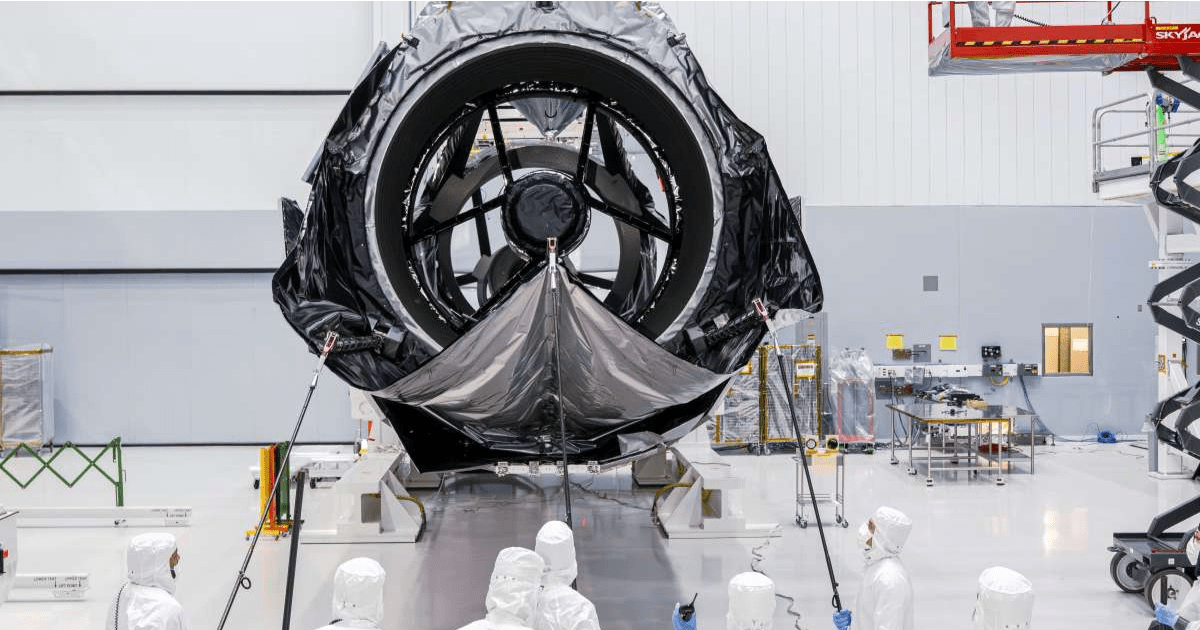
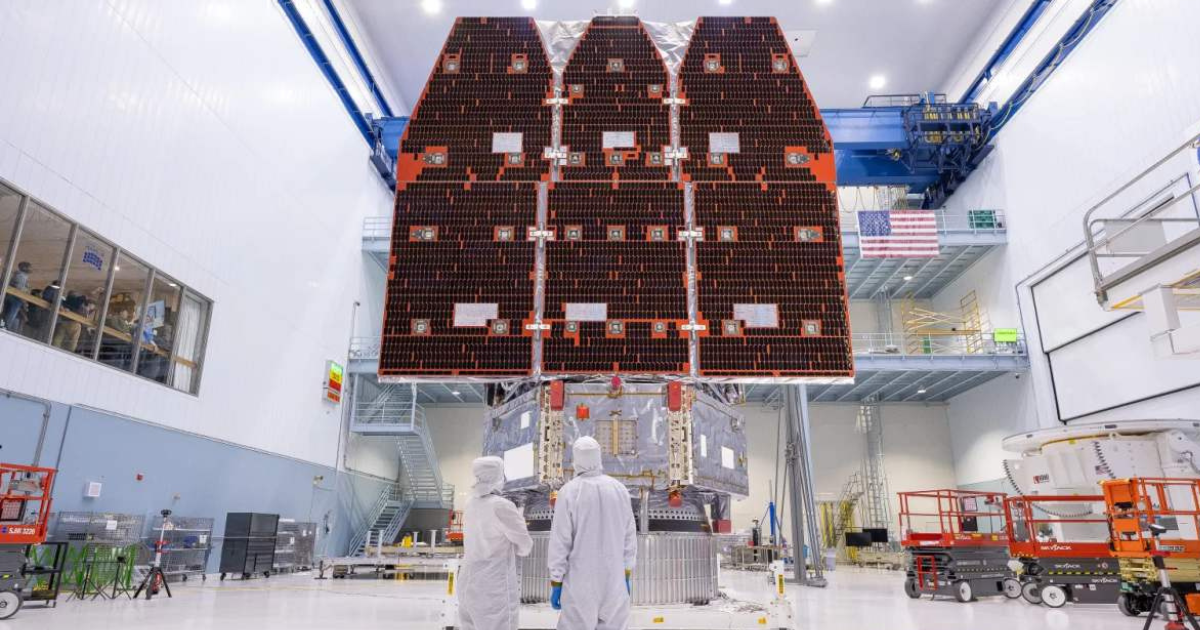
The launch is expected to take place nine months ahead of schedule at 7:26 a.m. EDT on Sunday, August 30, from Launch Complex 39A at Kennedy Space Center. In the coming days, the team will transport the payload to SpaceX's hangar at pad 39A. The telescope, enclosed within the fairing, will then be connected to the Falcon Heavy rocket before rollout to pad 39A.
How to watch the launch live
Live coverage of the Roman telescope launch will begin at 6:20 a.m. EDT on Sunday, August 30, with NASA hosting it on X, Discovery+, Amazon Prime, YouTube, and NASA+. The post-launch news conference, meanwhile, will stream on YouTube starting at 9:30 a.m. on the same day.
Roman is Ready! 🛰️ 🔭
— NASA Goddard (@NASAGoddard) August 24, 2026
NASA’s Nancy Grace Roman Space Telescope is set to launch soon! @NASARoman will be joining other flagship astrophysics missions like @NASAHubble and @NASAWebb, adding to the legacy of deep space study.https://t.co/hhe6GzSRhL pic.twitter.com/TV9zwI45bC
A day before the launch, on Saturday, August 29, the agency will host a science briefing (9 a.m.), a prelaunch news conference (10:30 a.m.), and in-person interviews featuring its top officials on YouTube. The prelaunch news conference stream is also expected to show NASA Administrator Jared Isaacman flying past the rocket and the observatory on the launchpad in his jet at around 11:45 a.m.
What will Roman discover?
Expectations are huge for the powerful Roman observatory, which has a wide field of view at least 100 times larger than that of the Hubble Space Telescope. Over the course of its five-year mission, the telescope will use techniques like microlensing, transits, and direct imaging to discover around 100,000 new exoplanets. For perspective, we are currently aware of the existence of just around 6,200 such planets. Roman will also enable scientists to probe into the mysteries of dark matter—the invisible matter that holds galaxies together—and dark energy—the invisible force thought to be responsible for the universe's accelerated expansion over time.
More on Starlust
NASA’s Nancy Grace Roman Space Telescope completes crucial milestone ahead of August 30 launch
Who was Nancy Grace Roman—the ‘Mother of Hubble’ NASA’s brand new space telescope is named after?