From NASA's first lunar excursion in 50 years to first Starships aimed at Mars—launches scheduled for 2026
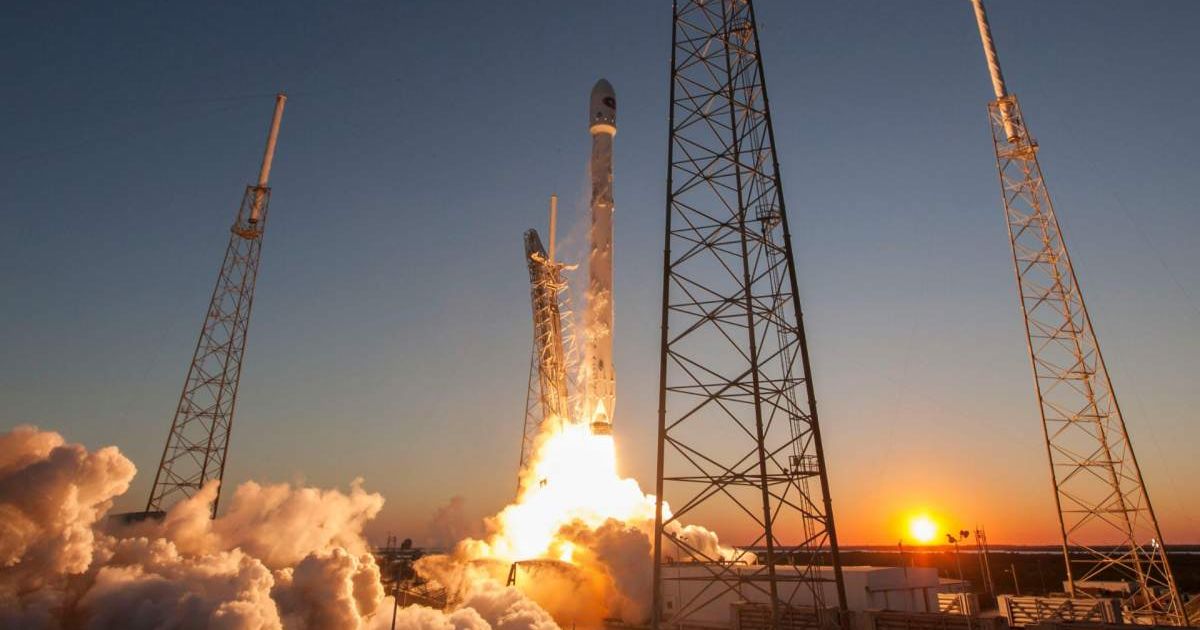
The 2026 space missions calendar is led by NASA’s attempt to send humans back into lunar orbit. Going further, SpaceX has set a timer for traveling to Mars, while the ESA's (European Space Agency) plans include setting up a satellite constellation that will facilitate lunar exploration. Here’s a look at some of the missions that would boost space exploration in the coming year.
NASA's return to the Moon and crew launch to the ISS
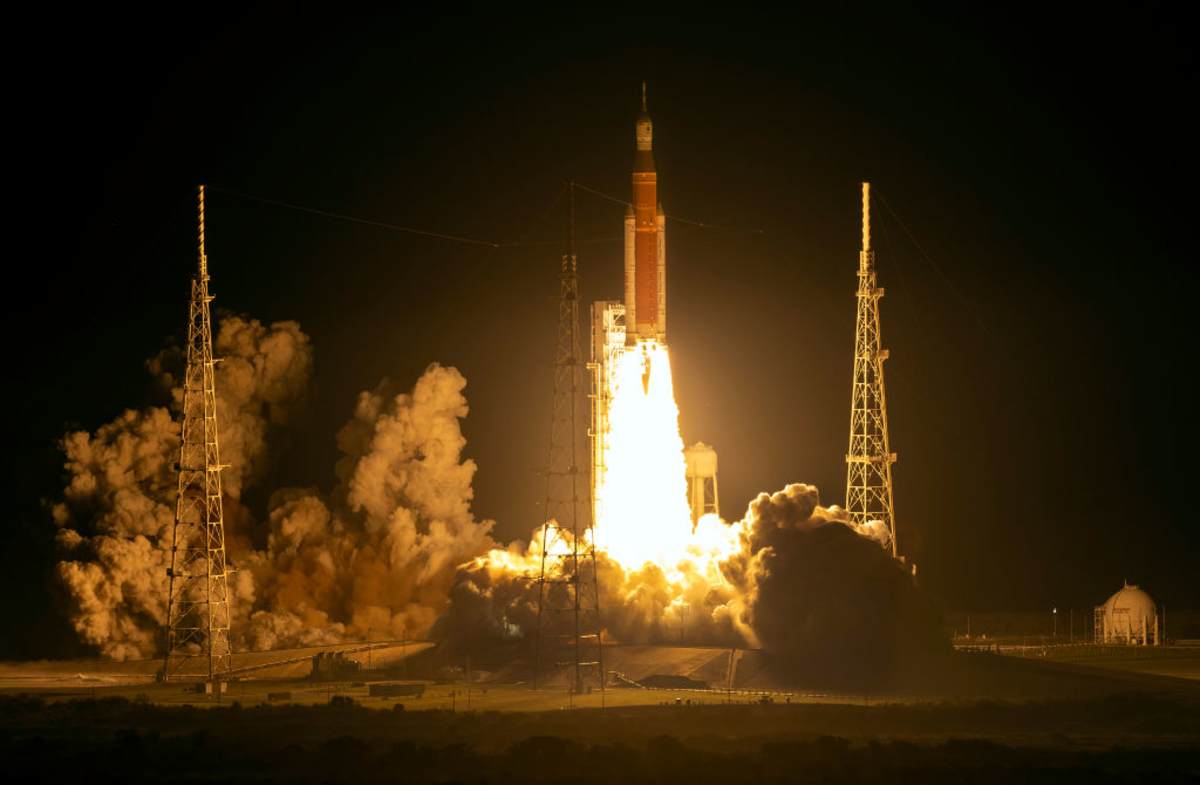
NASA’s highly anticipated Artemis II mission will mark humanity's first lunar excursion in more than 50 years. Building on the success of the uncrewed Artemis I, the mission will help to establish a long-term presence for science and exploration, according to NASA. The mission will send four astronauts on a 10-day flight in lunar orbit to test systems and hardware needed for lunar missions. As for the launch window, it will extend till April 2026.
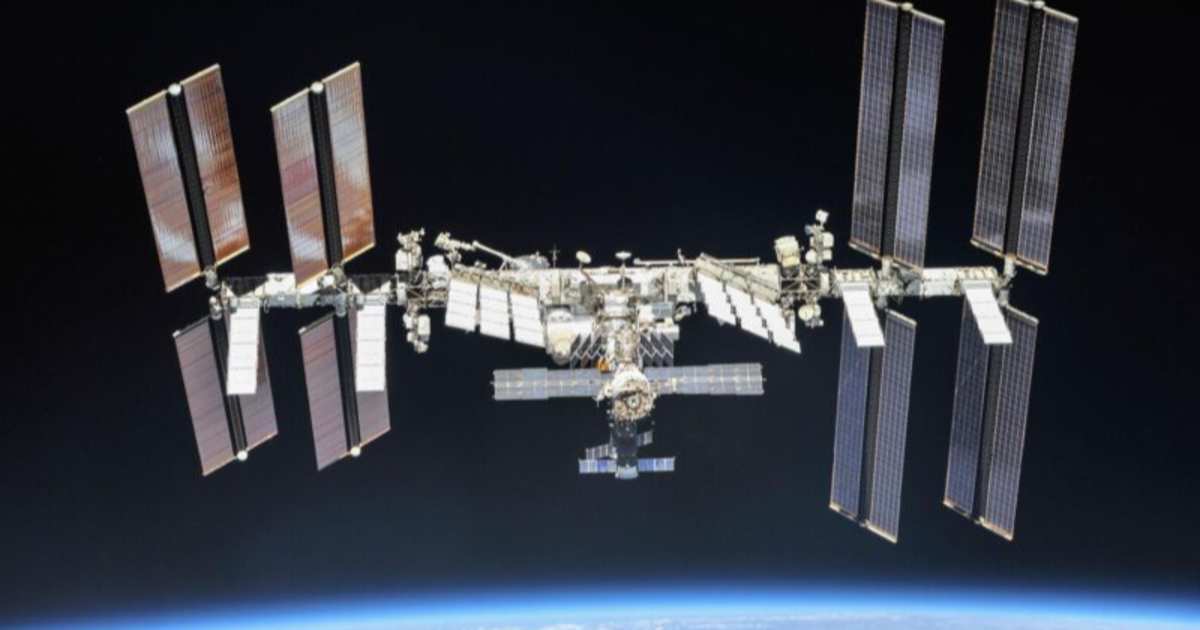
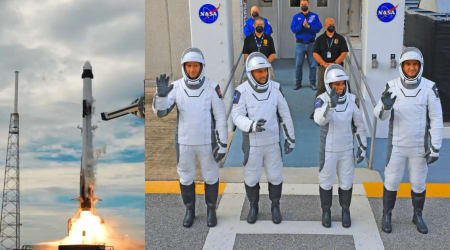
Human spaceflight activity will also take place on the International Space Station (ISS). The run of Expedition 74, which began in late 2025, is scheduled to conclude in July 2026, as per NASA. Before the conclusion of the mission, the current occupants of the station will welcome the SpaceX Crew-12 mission on board. Scheduled for a launch no earlier than February 15, 2026, Crew-12 is the twelfth operational crewed rotation mission of a Crew Dragon spacecraft to the ISS. According to Next Spaceflight, the crew consists of two NASA astronauts and two mission specialists from the ESA and Russia's Roscosmos.
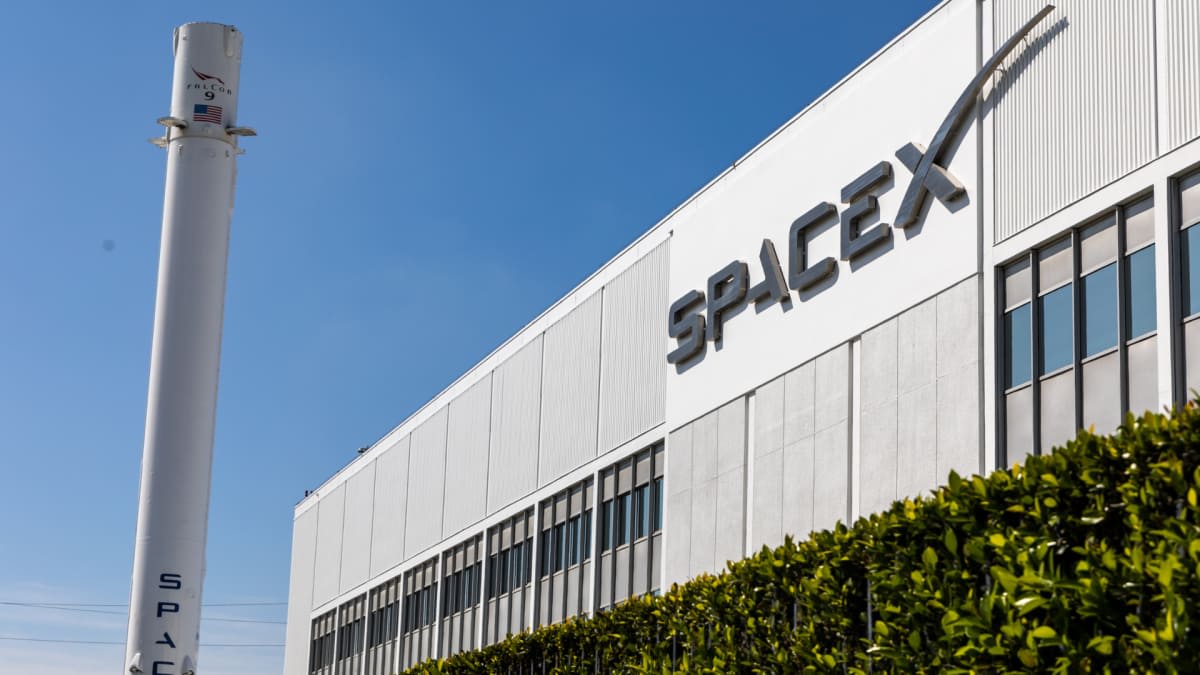
SpaceX aims for Mars
SpaceX plans to launch the first Starships toward Mars in 2026. These first vehicles will collect important information on entry and landing, which will be useful to future crew and cargo deliveries to Mars. Built to withstand multiple entries, Starship will enter the atmosphere of the Red Planet at a speed of 7.5 kilometers per second and decelerate aerodynamically. As for Starship cargo flights to Mars, SpaceX has plans to start launching them in 2030.
The Road to Making Life Multiplanetary: an update from @elonmusk on SpaceX's plan to reach Mars pic.twitter.com/d2cnsVKK80
— SpaceX (@SpaceX) May 29, 2025
ESA to establish lunar network, look for exoplanets
The most ambitious mission of the ESA is the Moonlight initiative. The mission aims to establish an independent European communication and navigation service for future lunar missions. The first step towards this initiative is the Lunar Pathfinder communications relay satellite, to begin operations in 2026. The ESA has also planned to launch PLATO (PLAnetary Transits and Oscillations of stars), an advanced exoplanet hunter, in December 2026. It will use 26 cameras to study terrestrial exoplanets in orbits, measuring their sizes and finding exomoons and rings around them.
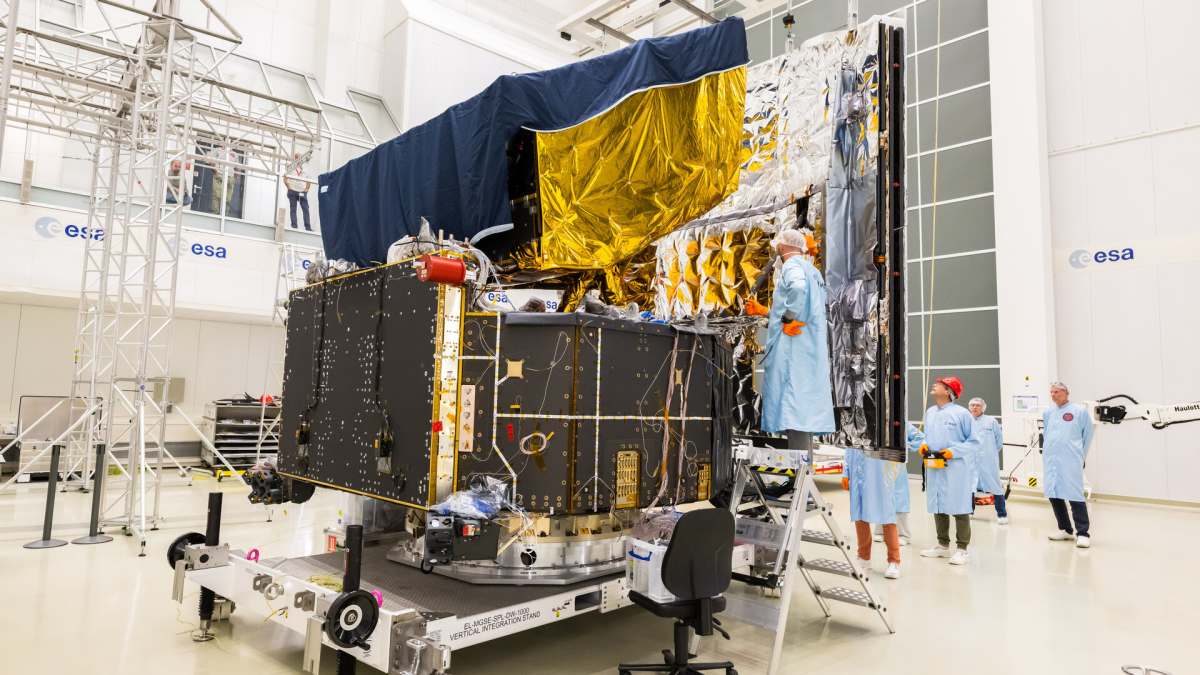
ESA's FLEX (Fluorescence Explorer) will also be launched in 2026 aboard a Vega-C rocket from Kourou, French Guiana. With the help of novel technology, FLEX will furnish scientists with information about the health of the world's plants. This information will be utilized to further our understanding of the movement of carbon between plants and the atmosphere, and the effects of photosynthesis on carbon and water cycles, per the ESA.
More on Starlust
Trump's 2026 budget proposes a 24% reduction in NASA’s space exploration funding
Trump's 2026 budget reimagines NASA's Artemis, hands moon missions to private sector