NASA's James Webb gives astronomers a new way to forecast weather on distant alien worlds
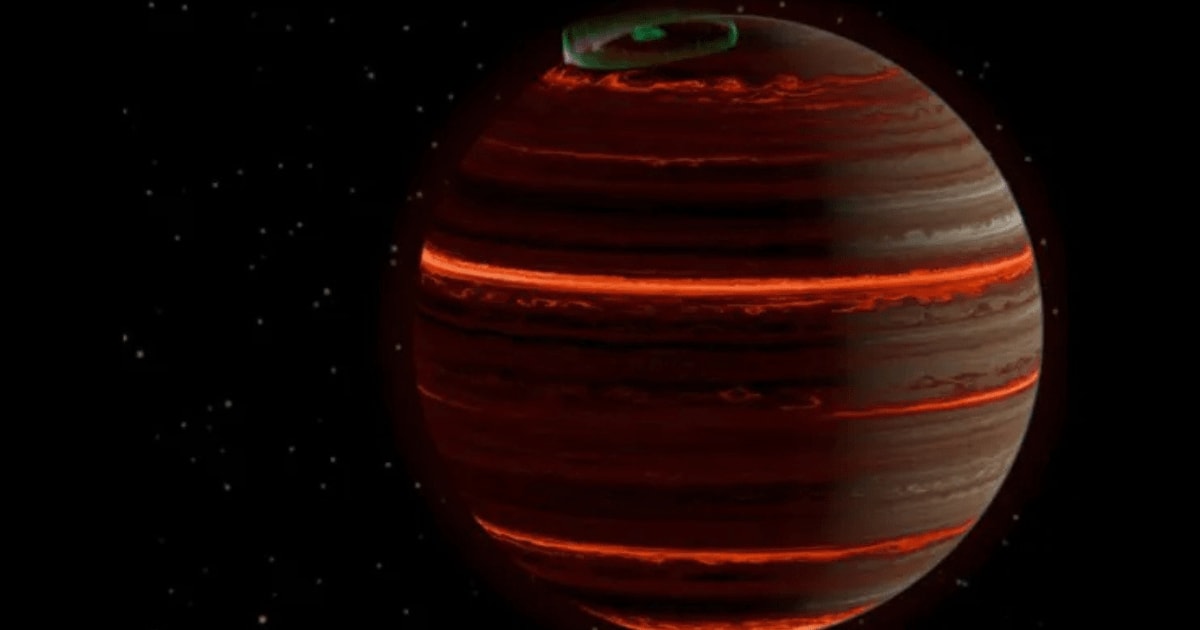
A team of scientists from Trinity College, Dublin, have developed an effective method to forecast weather on alien worlds outside our solar system. Using observations by the James Webb Space Telescope, they studied SIMP 0136, a brown dwarf located 20 light-years away, and found that its atmosphere is dominated by two main aspects: variations in temperature and the vertical arrangement of its clouds. Their findings were reported in the journal Astronomy & Astrophysics on September 16.
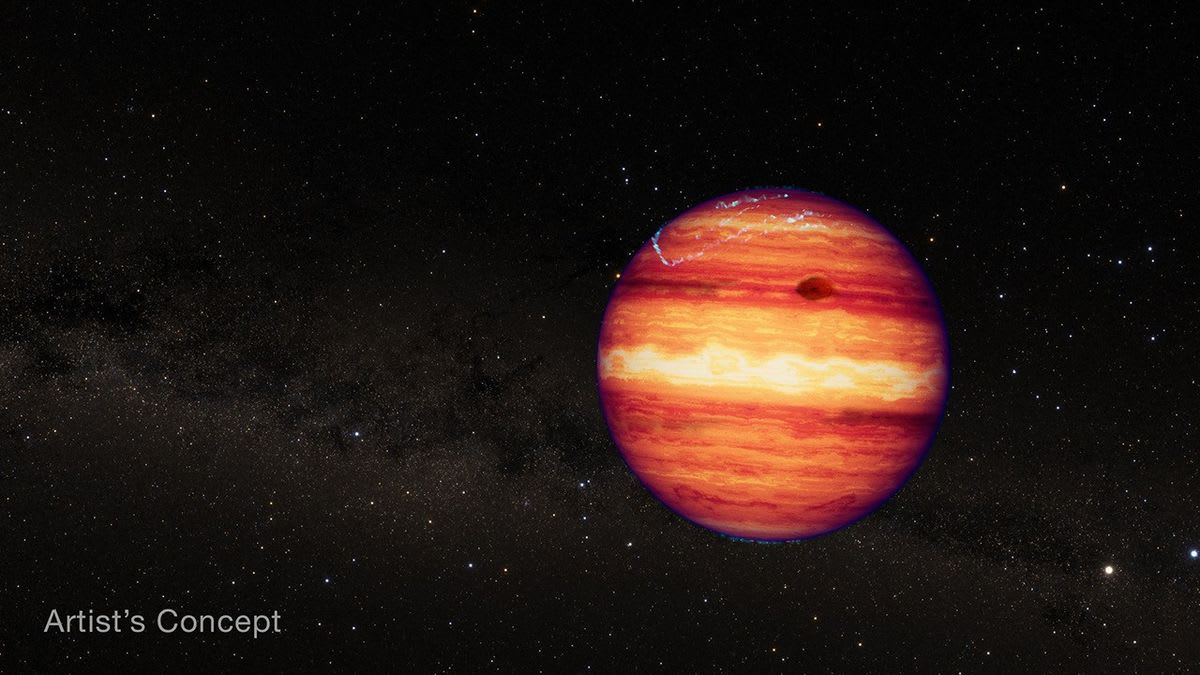
Why brown dwarfs are ideal for atmospheric study
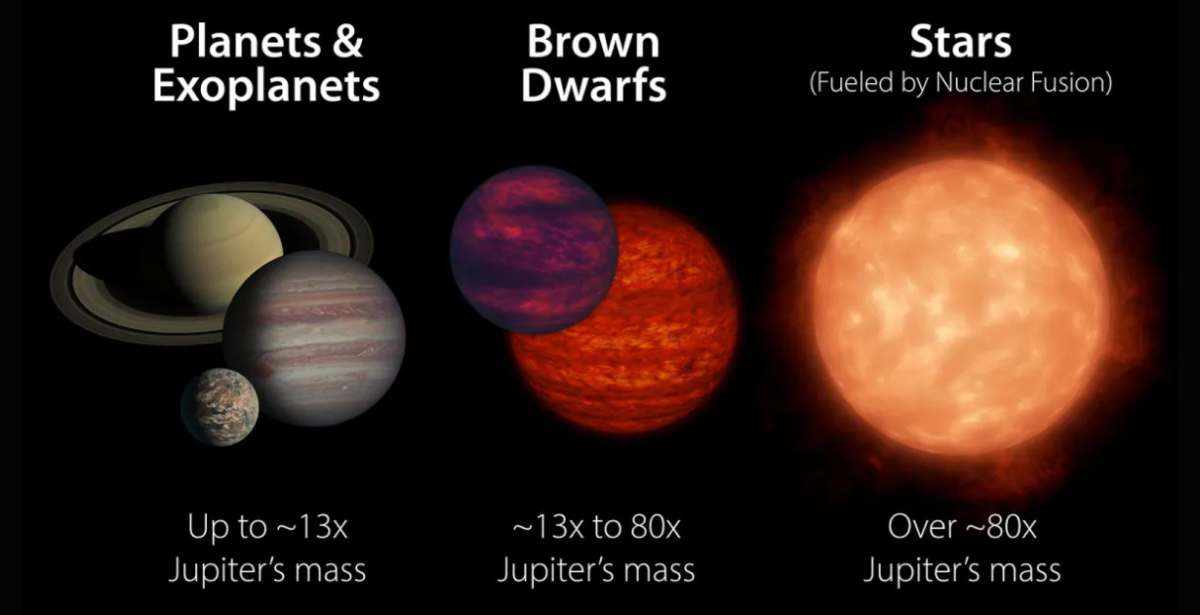
Brown dwarfs are celestial objects that are more massive than planets yet smaller than stars. Think of them as an extreme version of Jupiter. Often referred to as "failed stars," they cannot sustain the hydrogen fusion that fuels stars. However, as these bizarre objects can be directly observed by scientists, unlike exoplanets, they function as laboratories for exploring the atmosphere of exoplanet-like systems.
Decoding alien weather using a statistical technique
Using a statistical method called principal component analysis (PCA), the researchers analyzed brightness variations occurring with the rotation of SIMP 0136. The analysis eventually identified three recurring weather conditions that move in and out of view as the brown dwarf rotates. These conditions produced regions that were hotter and had thinner clouds, as well as cooler areas that were marked with denser clouds that extended higher into the atmosphere.
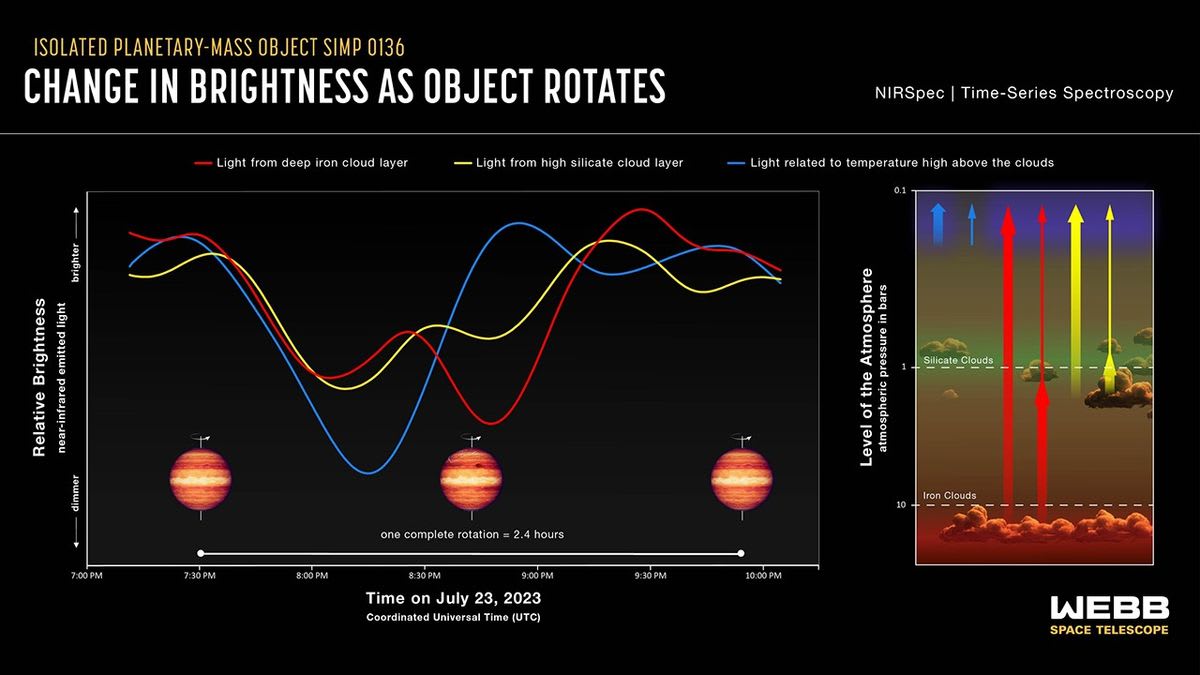
However, even with the recurring weather states identified, the researchers still had to make sure of one more thing—whether the patterns remain consistent over a period of time and are not random. "We also discovered that these drivers of the weather patterns on SIMP-0136 persist over time, even as the detailed appearance of the atmosphere evolves over more than a dozen rotations," the lead author of the paper, Merle Schrader, a PhD student at Trinity College Dublin, said in a statement.

Johanna Vos, who's an associate professor at Trinity School of Physics and a co-author on the study, thinks of this method they developed as an "efficient first step" that will allow scientists to run more computationally intensive modelling. “Applying this technique to a wide range of brown dwarfs and giant exoplanets will help us better understand the diverse weather systems that shape worlds far beyond our Solar System,” she said.
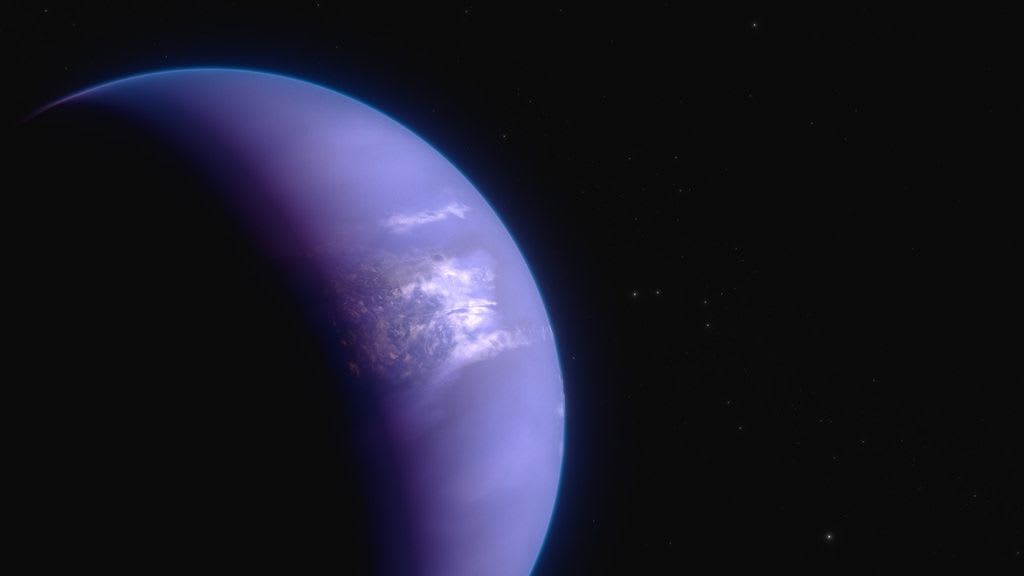
As impressive as the study was, it wasn't the first time scientists used the James Webb Space Telescope to map the weather of a distant world. Observations of the hot Jupiter WASP-43b published two years ago in the journal Nature Astronomy showed an extreme temperature difference between its dayside, which had clear skies, and the nightside, which was covered by high clouds. More specifically, the measurements showed that the dayside has an average temperature of approximately 2,300 degrees Fahrenheit (1,250 degrees Celsius), which is hot enough to forge iron, while the nightside was much cooler at 1,100 degrees Fahrenheit (600 degrees Celsius).
More on Starlust
Scientists find a new way to predict space weather based on how the Sun goes to 'sleep'
A nearby brown dwarf pair could give birth to a new star: Here's how