NASA’s cereal-box-sized SPARCS sends first images as exoplanet mission begins
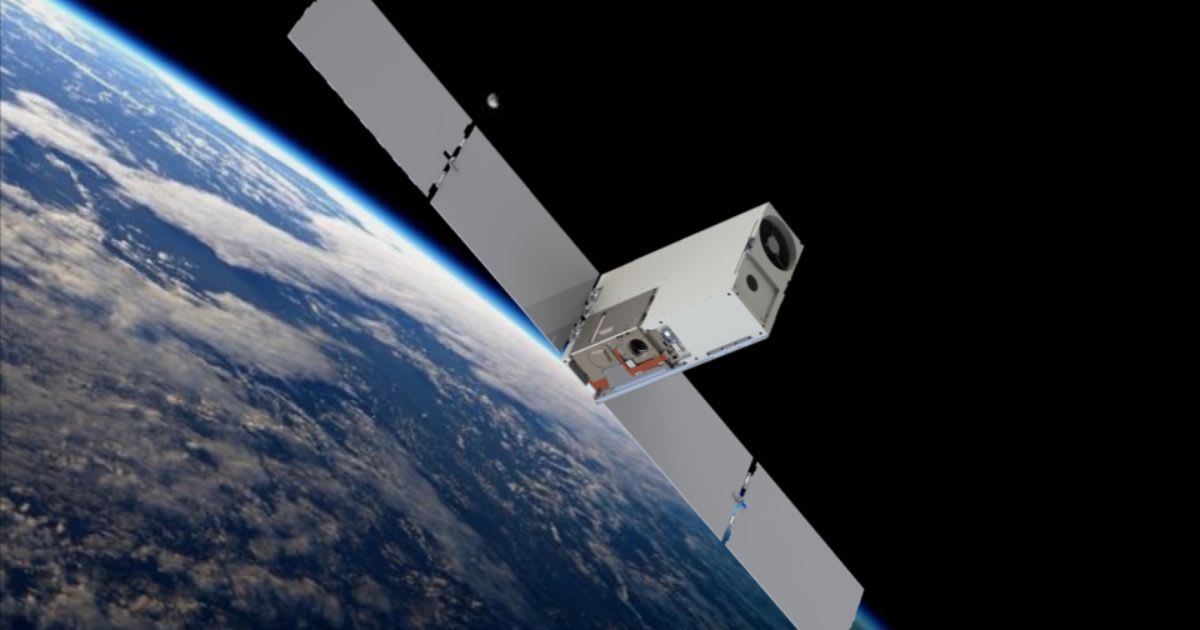
NASA’s Star-Planet Activity Research CubeSat (SPARCS) is all set to begin its scientific mission after successfully achieving its “first light” milestone. The space agency revealed that SPARCS just returned its first images, and it confirms that the spacecraft and its instruments are fully functioning in space. Launched on January 11, the CubeSat transmitted the pictures back home on February 6 for processing. SPARCS now prepares to study the energetic behavior of the Milky Way's most common stars to find out which exoplanets can support life.
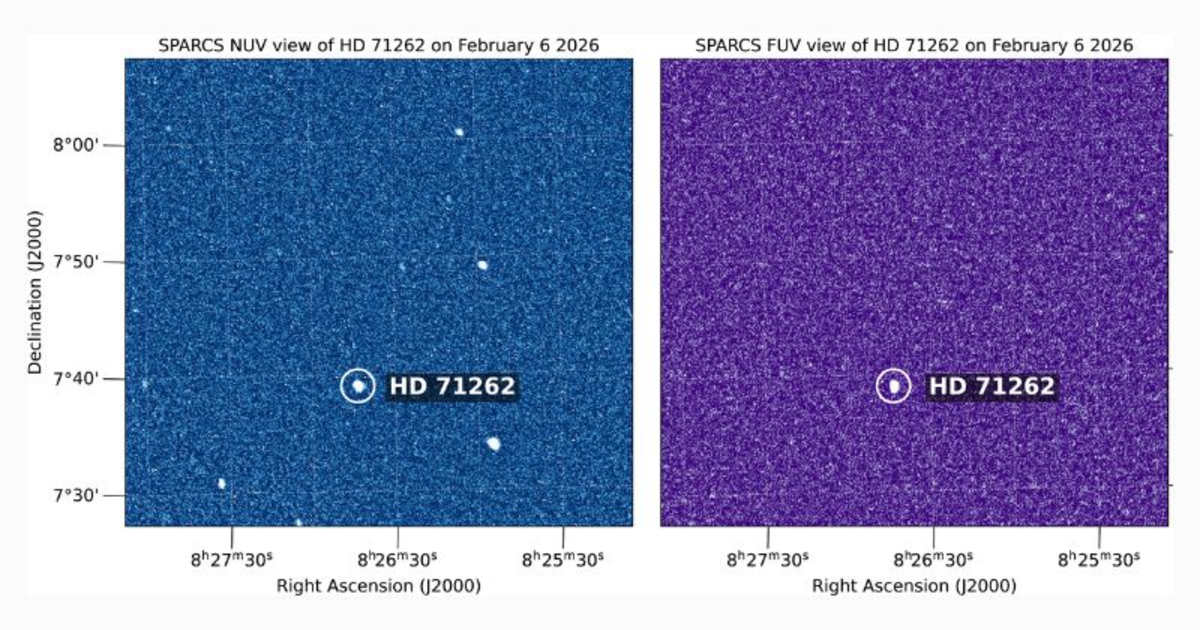
SPARCS captured the mission’s first images with its specialized ultraviolet SPARCS camera (SPARCam), developed at NASA’s Jet Propulsion Laboratory (JPL) in Southern California. The JPL Microdevices Laboratory took the same silicon-based detectors that we see in our smartphone cameras and integrated filters into them so as to keep out unwanted light and eliminate the need for a separate filter. The result was one of the most sensitive imaging systems of its kind to ever be flown in space. "That is a huge leap forward to doing big science in small packages, and SPARCS serves to demonstrate their long-term performance in space," said Shouleh Nikzad, the lead developer of the SPARCam and the chief technologist at JPL.
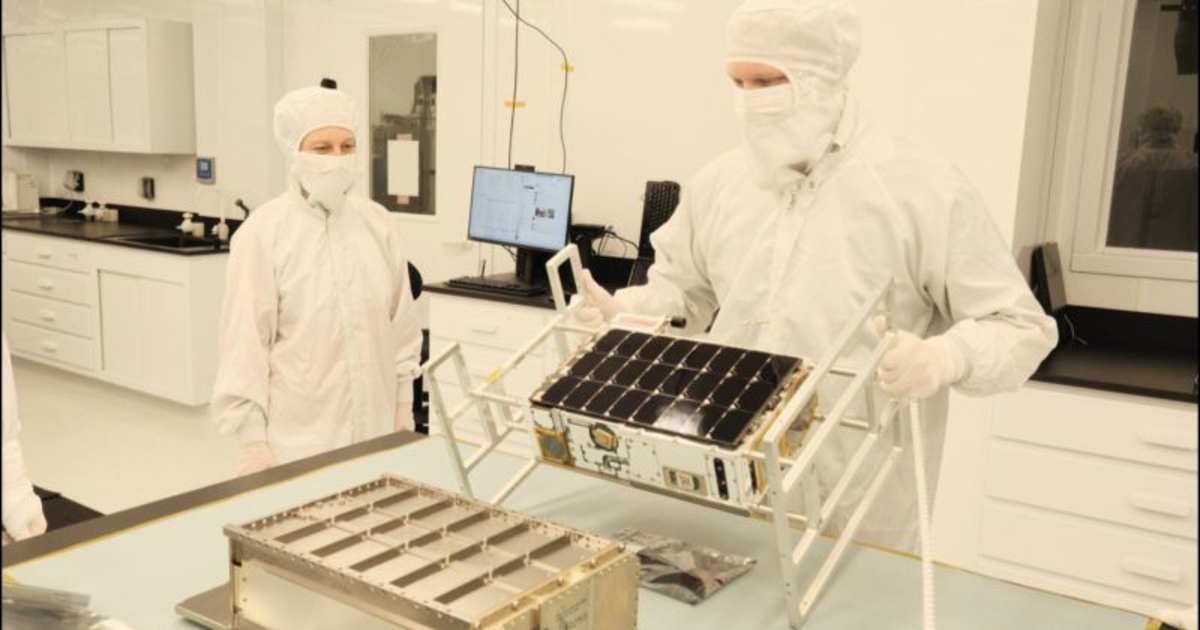
Delivering highly precise UV readings is crucial to the exoplanet observation mission, and it directly ties the camera’s performance to its science goals. SPARCS Principal Investigator Evgenya Shkolnik called the first UV images from orbit incredibly exciting: “They tell us the spacecraft, the telescope, and the detectors are performing as tested on the ground, and we are ready to begin the science we built this mission to do.” SPARCS will measure both far-UV and near-UV radiation from low-mass stars for extended periods, becoming the first dedicated mission to do so.
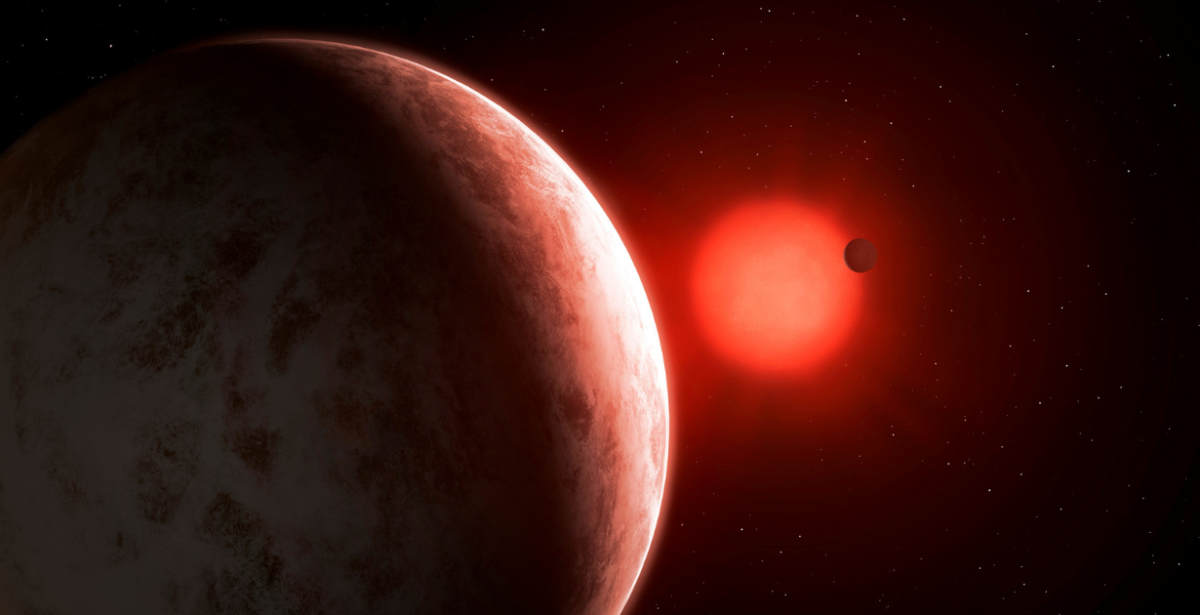
Despite being only as big as a large cereal box, SPARCS is capable of monitoring flares and sunspot activity on stars roughly just 30% to 70% the size of the Sun, which are quite common in the Milky Way. Our galaxy is estimated to have 50 billion habitable-zone terrestrial planets, the majority of which orbit these low-mass stars. Such exoplanets could allow liquid water to exist and, in turn, life.
At our hearts, we are seekers, and today we celebrate a scientific milestone!
— NASA Universe (@NASAUniverse) September 17, 2025
Nearly 30 years after the first discovery of a world orbiting a Sun-like star beyond our solar system, @NASA’s Exoplanet Archive reached 6,000 confirmed exoplanets. 🎉
Read more:… pic.twitter.com/WghnWAxbC2
The one-year mission has about 20 target stars to observe, each over durations ranging from five to 45 days. While these stars are generally not as hot or heavy as the Sun, they are still prone to frequent flares. Such activity can directly affect an exoplanet’s atmosphere, and understanding the host stars is key to evaluating if their planets are actually habitable. “By watching these stars in ultraviolet light in a way we’ve never done before, we’re not just studying flares,” said David Ardila, SPARCS instrument scientist at JPL. “These observations will sharpen our picture of stellar environments and help future missions interpret the habitability of distant worlds."
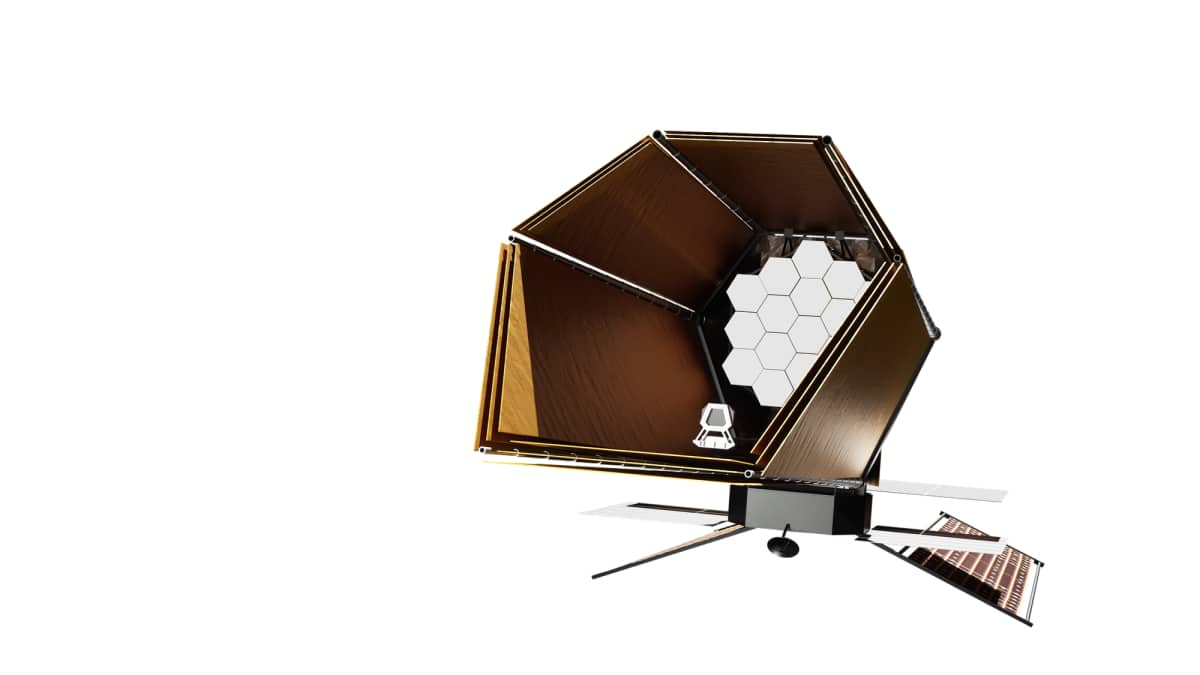
Apart from its advanced UV camera, SPARCS also has an intelligent onboard computer to process real-time data from stellar flares and adjust the observation settings accordingly. SPARCS sets the stage for upcoming endeavors like NASA’s UV-capable Habitable Worlds Observatory flagship mission concept, or the UVEX (UltraViolet Explorer) mission led by Caltech. Selected through NASA’s CubeSat Launch Initiative (CSLI) in 2022 and led by Arizona State University, SPARCS is proof that small missions don’t mean smaller science goals.
More on Starlust
NASA launches Pandora satellite to search for signs of life on distant exoplanets
Scientists unveil the clearest image of the dark universe yet: 'The dream has come true'