Lunar phases 2026: What is the Moon phase on March 24?
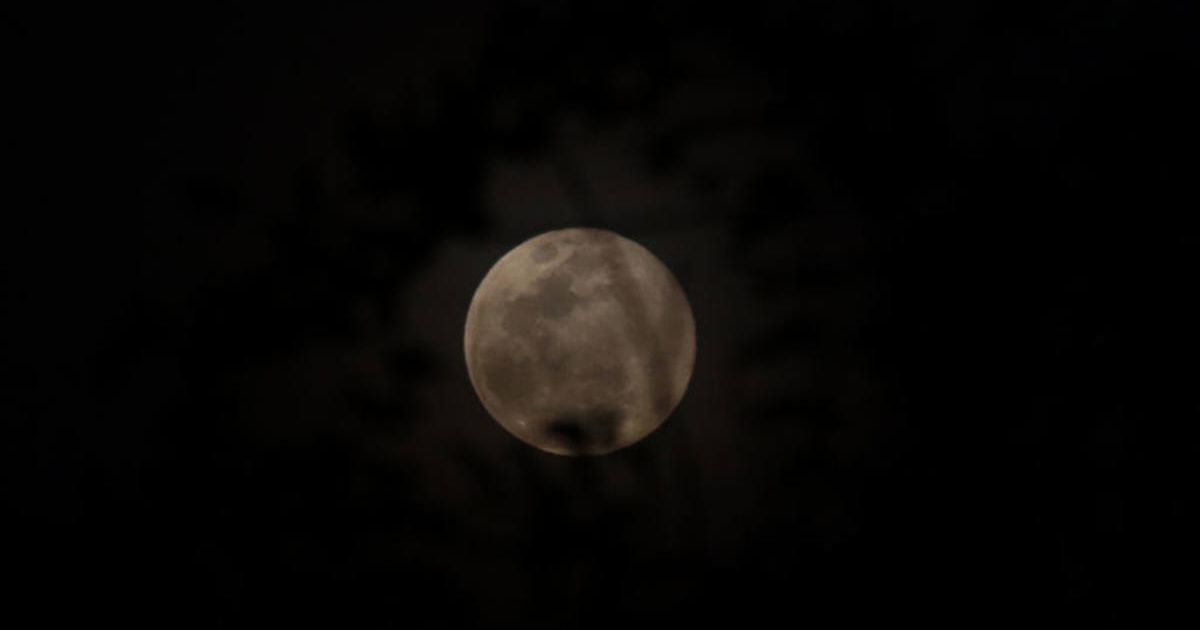
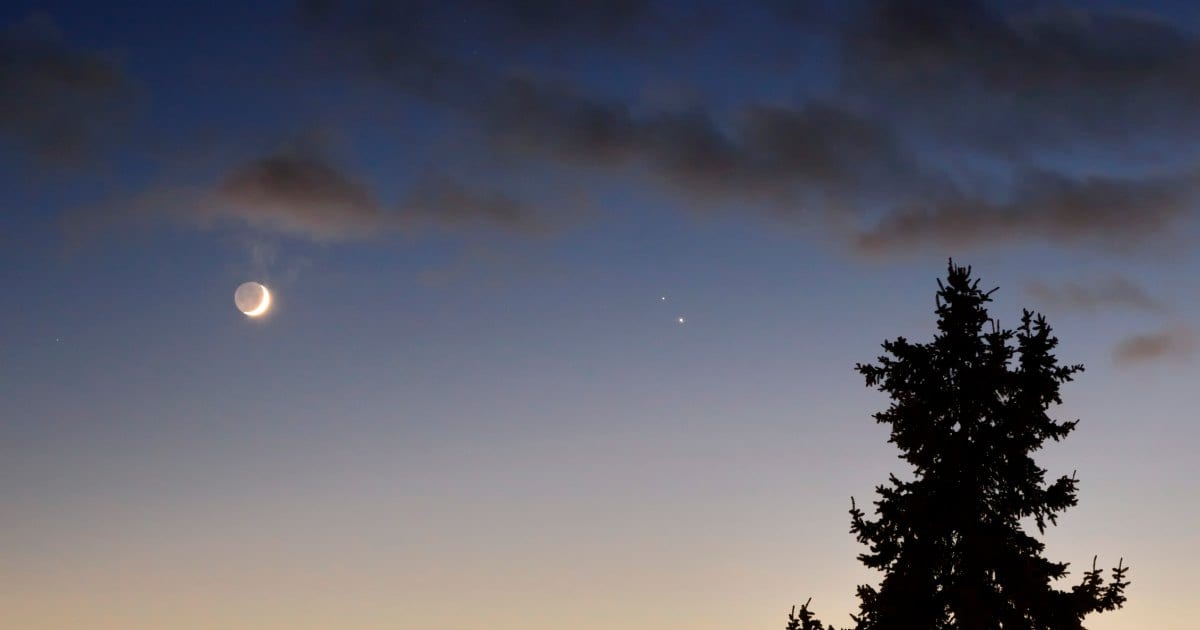
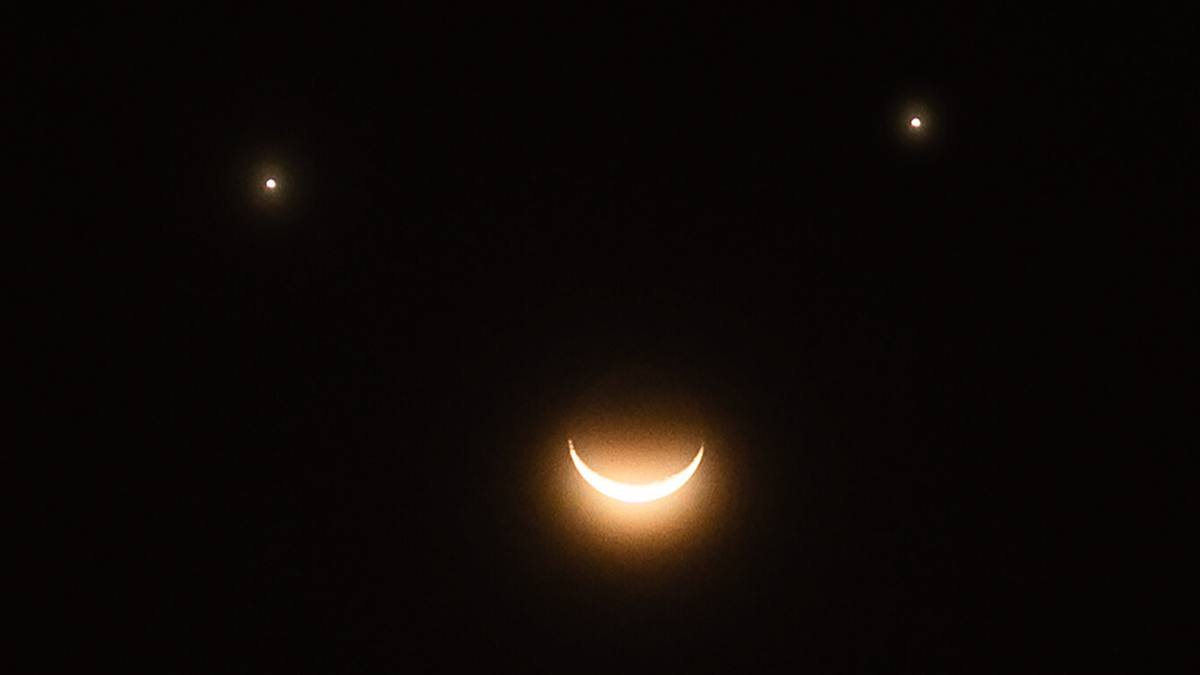
Tonight, on March 24, viewers worldwide will observe the Moon in its lovely waxing crescent phase, with its slender, growing sliver of light illuminating the night sky. Trailing the March 19 new Moon, the crescent Moon today will allow skywatchers to observe a few features on its surface as well. Here is everything that you need to know about tonight's Moon phase.
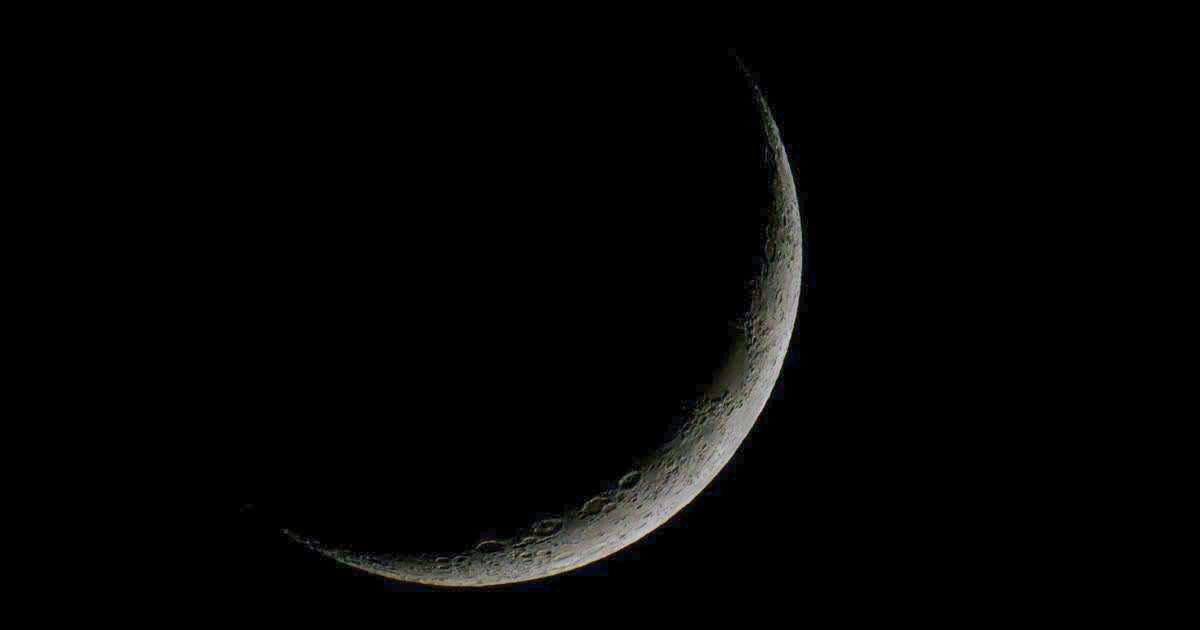
The waxing crescent Moon: Illumination and distance
The waxing crescent phase occurs when the illuminated half of the Moon faces mostly away from Earth, leaving only a tiny sliver visible to us. During this phase, the Moon rises shortly after sunrise and sets shortly after sunset, rising later with each passing day. The best time to observe this moon in its full glory is in the evening when the sky is dark. Tonight marks the sixth day of its 29.5-day monthly journey, with 44% of its visible side illuminated by the Sun, per NASA's Daily Moon Guide. It will be located at a distance of about 230,013 miles (370,170 kilometers) from Earth and will have an angular diameter of 1936.2 arcseconds.
What the waxing crescent Moon means for skywatchers
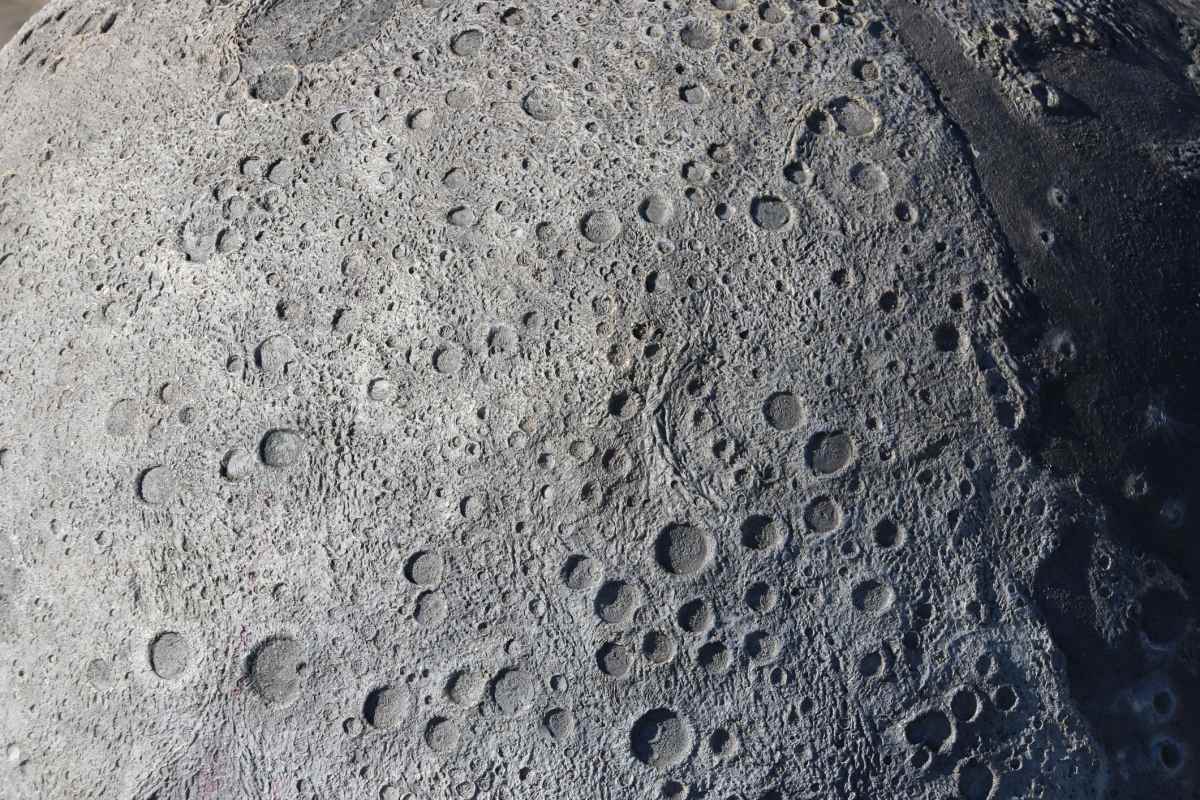
If you do not have binoculars or a telescope, you can watch out for Mare Serenetatis and Mare Fecunditatis on the surface of the Moon. Binoculars, meanwhile, will provide you with stunning views of the Endymion Crater, Posidonius Crater, and Mare Nectaris, while the Rupes Altai and the Apollo 16 landing site will be clearly visible through a telescope. It is also the perfect time to observe earthshine, also known as the ‘Da Vinci glow,’ which is a light, ashen glow that allows us to see the darkened portion of the crescent Moon due to the sunlight reflected off Earth's surface.
Moonrise and moonset timings
As usual, moonrise and moonset timings will vary with location. The timings for some cities, according to TimeandDate, are as follows:
1. New York: Moonrise at 10:04 am local time and moonset at 02:23 am (March 25)
2. Los Angeles: Moonrise at 10:34 am local time and moonset at 02:02 am (March 25)
3. Shanghai: Moonrise at 09:06 am local time and moonset at 12:10 am (March 25)
4. Beijing: Moonrise at 08:57 am local time and moonset at 01:04 am (March 25)
5. London: Moonrise at 07:58 am local time and moonset at 02:17 am (March 25)
6. Birmingham: Moonrise at 07:58 am local time and moonset at 02:33 am (March 25)
More on Starlust
Full Pink Moon 2026: Date, time and how to watch April's Full Moon
Why is April's Full Moon called the Pink Moon? History and meaning explained