Why NASA was forced to postpone planned docking of private spacecraft Cygnus XL with ISS
The Northrop Grumman CRS-23 mission, a cargo flight launched on September 14 on a SpaceX Falcon 9 rocket, was scheduled for September 17 arrival at ISS.
PUBLISHED SEP 18, 2025
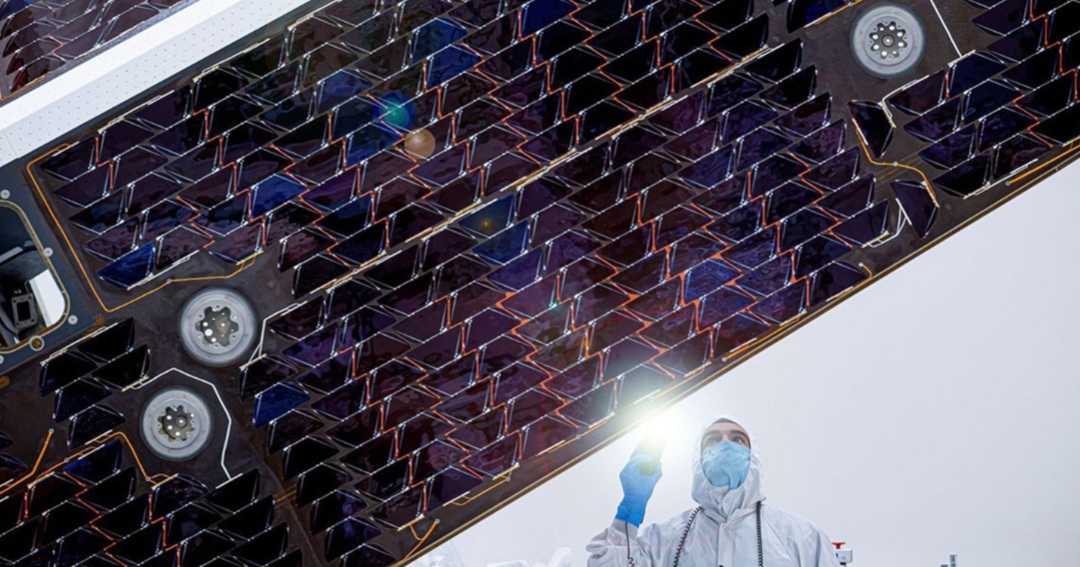
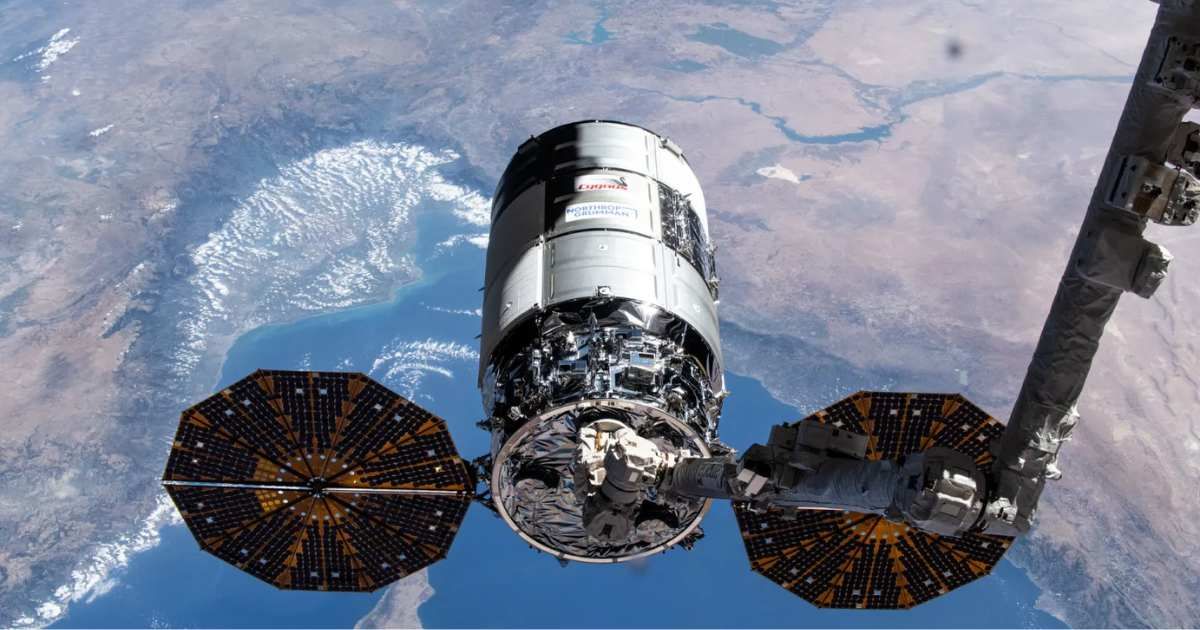
Northrop Grumman’s 21st Cygnus cargo craft, with its prominent cymbal-shaped UltraFlex solar arrays, is pictured in the grips of the Canadarm2 robotic arm shortly after its capture on Aug 6 (Cover Image Source: NASA)

The planned docking of Northrop Grumman’s Cygnus XL cargo spacecraft with the International Space Station (ISS) has been postponed, NASA announced. The delay comes after an unexpected engine shutdown during a critical orbital maneuver.

This artist's illustration shows the SpaceX Crew Dragon spacecraft docking with the International Space Station (Representative Cover Image Source: )
This artist's illustration shows the SpaceX Crew Dragon spacecraft docking with the International Space Station (Representative Image Source: NASA Image and Video Library | NASA)

The Northrop Grumman Commercial Resupply Services 23 (CRS-23) mission, which launched on a SpaceX Falcon 9 rocket on September 14, was scheduled to arrive at the ISS on Wednesday, September 17. However, early Tuesday morning, September 16, the Cygnus XL’s main engine cut out prematurely during a burn designed to raise its orbit for rendezvous with the station.
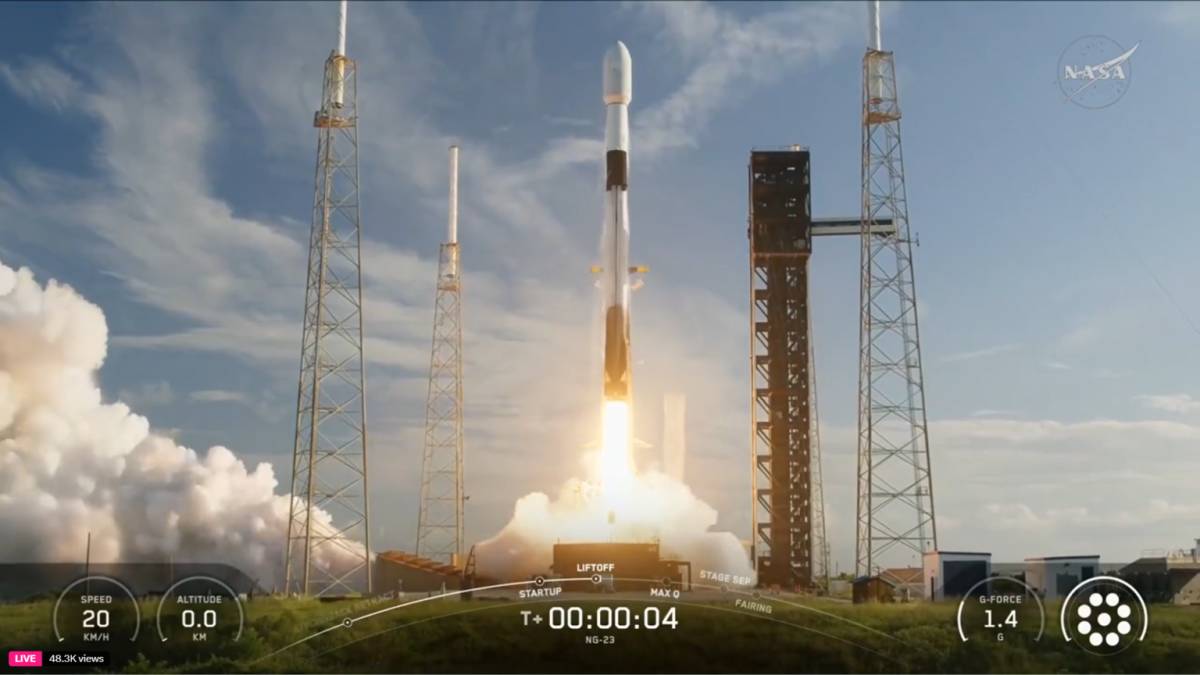
Northrop Grumman’s Cygnus XL cargo craft lifts off atop SpaceX Falcon 9 rocket from Florida’s Cape Canaveral Space Force Station to the International Space Station (Image Source: NASA)

While ground teams at NASA and Northrop Grumman work to develop a new flight plan, all other systems on the spacecraft are reported to be functioning as expected. The Cygnus XL is carrying more than 11,000 pounds of scientific equipment and supplies for the orbiting laboratory. Once the spacecraft is cleared for approach, NASA astronauts Jonny Kim and Zena Cardman are prepared to use the station’s Canadarm2 robotic arm to capture and berth the spacecraft to the Unity module. The Cygnus XL is expected to remain at the ISS until March 2026.
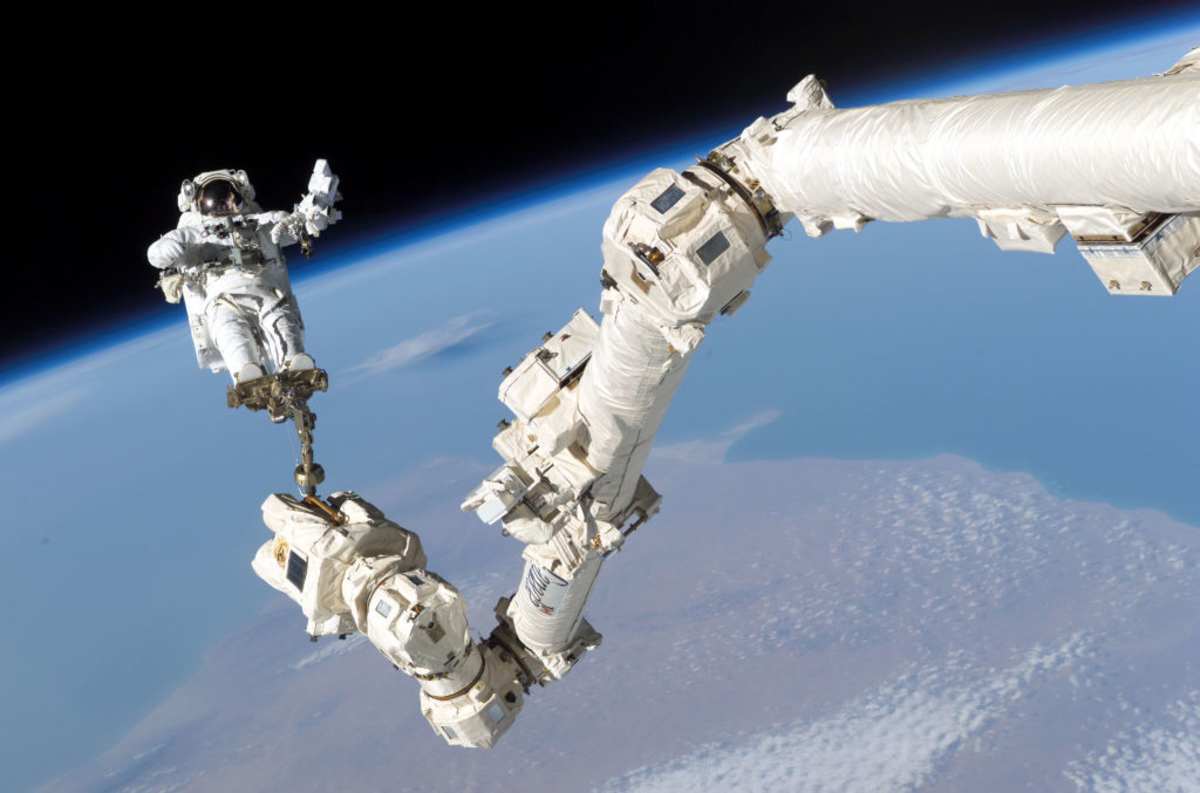
 Astronaut Stephen K. Robinson is anchored to a foot restraint on the International Space Station's Canadarm2 robotic arm, during his space walk to repair the underside of the space shuttle Discovery on August 3, 2005 (Image Source: Getty | NASA)
Astronaut Stephen K. Robinson is anchored to a foot restraint on the International Space Station's Canadarm2 robotic arm, during his space walk to repair the underside of the space shuttle Discovery on August 3, 2005 (Image Source: Getty | NASA)

This particular Cygnus XL is an upgraded model, representing a key advancement from the previous Cygnus spacecraft that has been resupplying the station since 2015, as per Universe Space Tech. This vehicle is vital for the continuous operation of the ISS, providing essential cargo and maintaining the scientific laboratory in orbit. Despite the current technical issues, mission controllers remain confident in the spacecraft's systems and are optimistic about the eventual completion of the resupply mission.
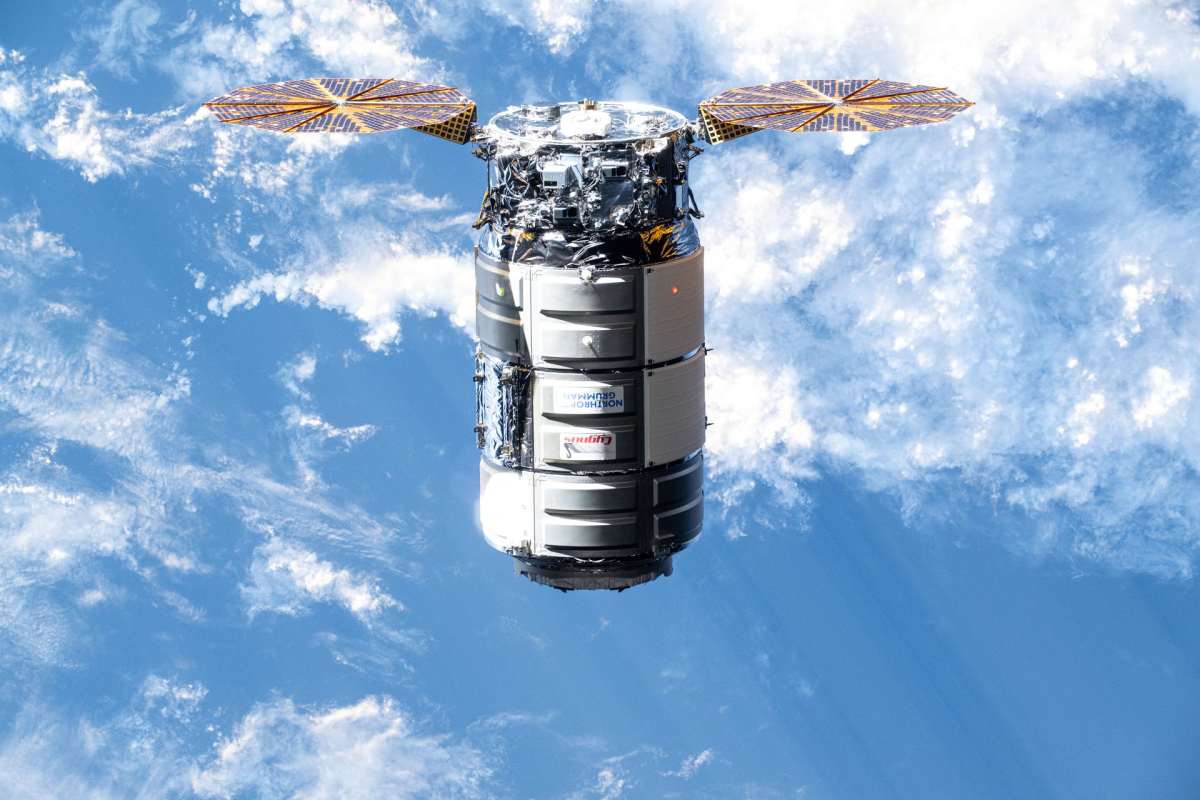
Northrop Grumman’s Cygnus cargo craft with its two cymbal-shaped UltraFlex solar arrays deployed approaches the International Space Station on Aug. 6, 2024 (Image Source: NASA)

Following an evaluation of the engine anomaly, NASA and Northrop Grumman have set a new target for the Cygnus XL's arrival, as per NASA. The spacecraft is now expected to be captured by the station’s robotic arm at approximately 7:18 a.m. EDT on Thursday, September 18. Flight controllers confirmed that the main engine's early shutdown was triggered by a conservative software safeguard, not a hardware malfunction. The spacecraft will now perform a series of burns to adjust its trajectory for the new rendezvous window.

This mission, officially designated NG-23, was originally slated to be Northrop Grumman's 23rd cargo flight to the ISS for NASA. The company's prior attempt, NG-22, was canceled after its spacecraft was damaged during transport to the launch site, per Space.com. Cygnus XL is the latest version of Northrop Grumman's Cygnus freighter and is capable of carrying a larger payload than its predecessors, boosting its capacity from approximately 8,500 pounds to over 11,000 pounds. It is one of three primary vehicles that deliver supplies to the ISS, alongside SpaceX's reusable Dragon and Russia's expendable Progress spacecraft. In a long-standing tradition of honoring spaceflight pioneers, the NG-23 Cygnus XL has been named the S.S. William "Willie" McCool, in memory of the astronaut who tragically died in the 2003 Space Shuttle Columbia disaster.

More on Starlust

NASA and SpaceX launch 33rd commercial resupply mission to International Space Station

What cargo did SpaceX's Dragon capsule bring back to Earth after undocking from the ISS

Why NASA and SpaceX delayed the undocking of the Dragon cargo mission by 24 hours
MORE STORIES

The Jeff Bezos-owned company will be able to launch the New Glenn rocket again only after getting its final report and potential corrective measures approved by the FAA.
8 hours ago
The Office of Inspector General warns that the next-gen spacesuits may not be ready for demonstrations before 2031.
13 hours ago
The core stage of the SLS Moon rocket will travel to NASA's Kennedy Space Center in Florida, where it will undergo vertical integration.
16 hours ago
China delays the launch of the next mission to its orbital outpost as well, using the Shenzhou-23.
1 day ago
Despite smooth booster touchdown, NG-3 fails to deploy AST's Bluebird 7 payload into correct orbit.
1 day ago
As they interacted with the media, the crew members of the Artemis II mission also talked about how they were supported on the mission by mental health professionals.
4 days ago
“If you had given us the keys to the lander, we would have taken it down and landed on the Moon.”
4 days ago
The Denver-based company will select its own astronauts for what will be the seventh private mission to the ISS.
5 days ago
The Starship upper stage also went through its first full-duration static fire test on April 14.
5 days ago
The third New Glenn mission, dubbed NG-3, is expected to launch massive broadband satellites into low Earth orbit.
6 days ago