Interstellar comet 3I/ATLAS is visible again after perihelion, right on its predicted trajectory
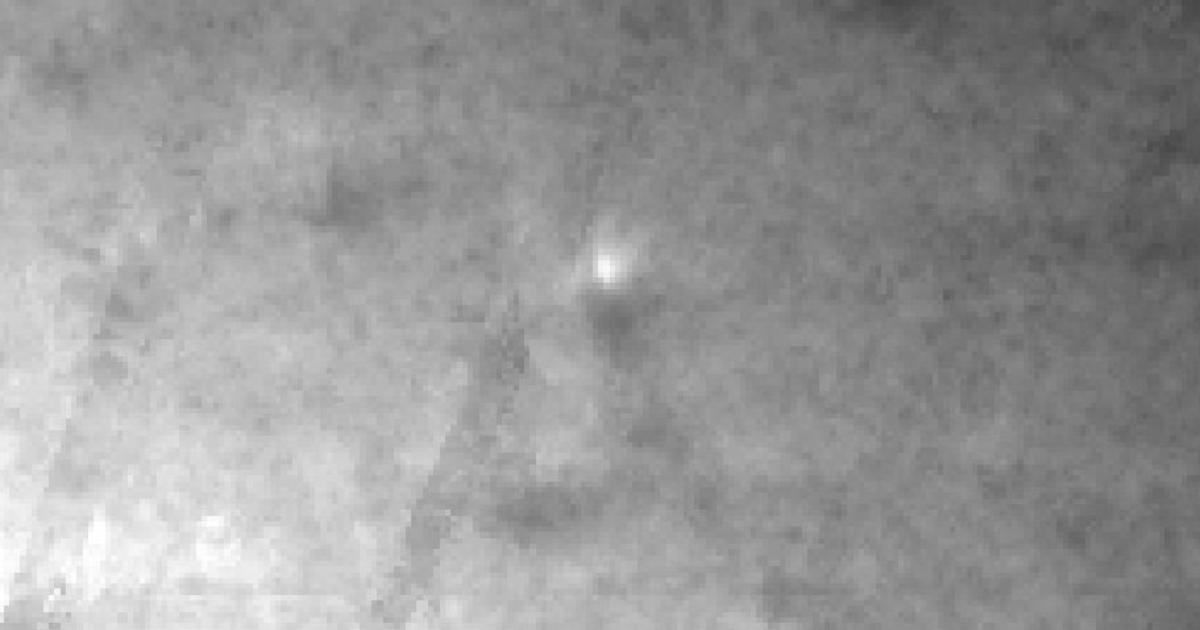
The interstellar comet 3I/ATLAS, the third known object to originate outside our Solar System, has successfully navigated its close approach to the Sun and is now visible again. The PUNCH mission, a constellation of solar observation satellites, captured the first post-conjunction images of the visitor as it emerged from behind the Sun's blinding glare following its solar conjunction, as per IFL Science.
Comet 3I Atlas is back in the field of view of the PUNCH WFI instruments. Here is co-added stack of all of the images from the clear filter (centered around 550nm) from October 27th.
— kwalsh4a.bsky.social (@kwalsh4a.bsky.social) October 29, 2025 at 3:28 AM
[image or embed]
The comet reached perihelion, its closest point to the Sun, just days after conjunction. This event appears to have significantly ramped up the object's activity. Early reports from observatories noted the appearance of its distinctive anti-tail and the potential for an emerging outgassing jet. Astronomers have expressed considerable interest in 3I/ATLAS, noting that it appears far more active than its interstellar predecessors, 1I/’Oumuamua (2017) and 2I/Borisov (2019). Some estimates suggest this comet may also be substantially older, potentially twice the age of our own Solar System.

Automatic tracking systems have confirmed that 3I/ATLAS maintained its predicted trajectory through both the conjunction and perihelion, offering no surprises regarding its path out of the Solar System. Despite sensationalized media speculation, fueled by suggestions from figures like Professor Avi Loeb, that the object could be an alien spacecraft, current data overwhelmingly support its natural cometary nature. The object is currently moving past Mars's orbit and continuing its outward journey.
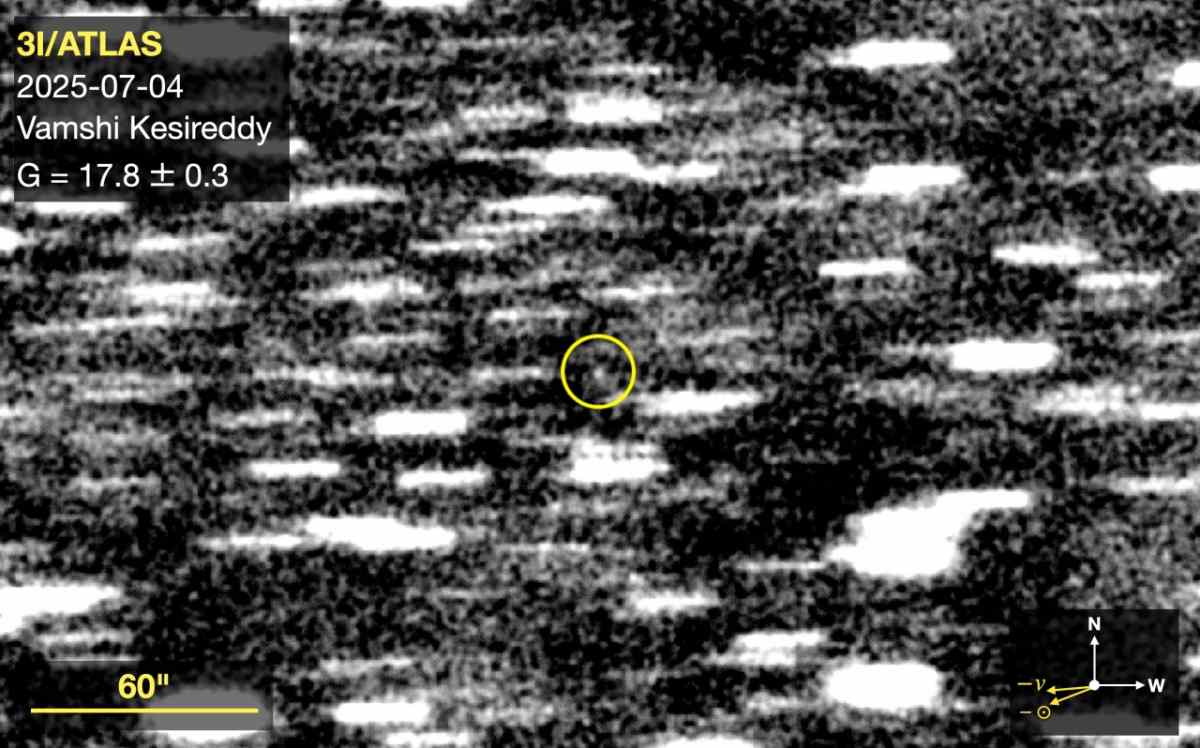
Despite passing its closest solar point, intensive study of 3I/ATLAS continues. The European Space Agency (ESA) is scheduled to use its Jupiter-bound JUICE mission for remote observations of the comet on two dates: November 2 and November 25.
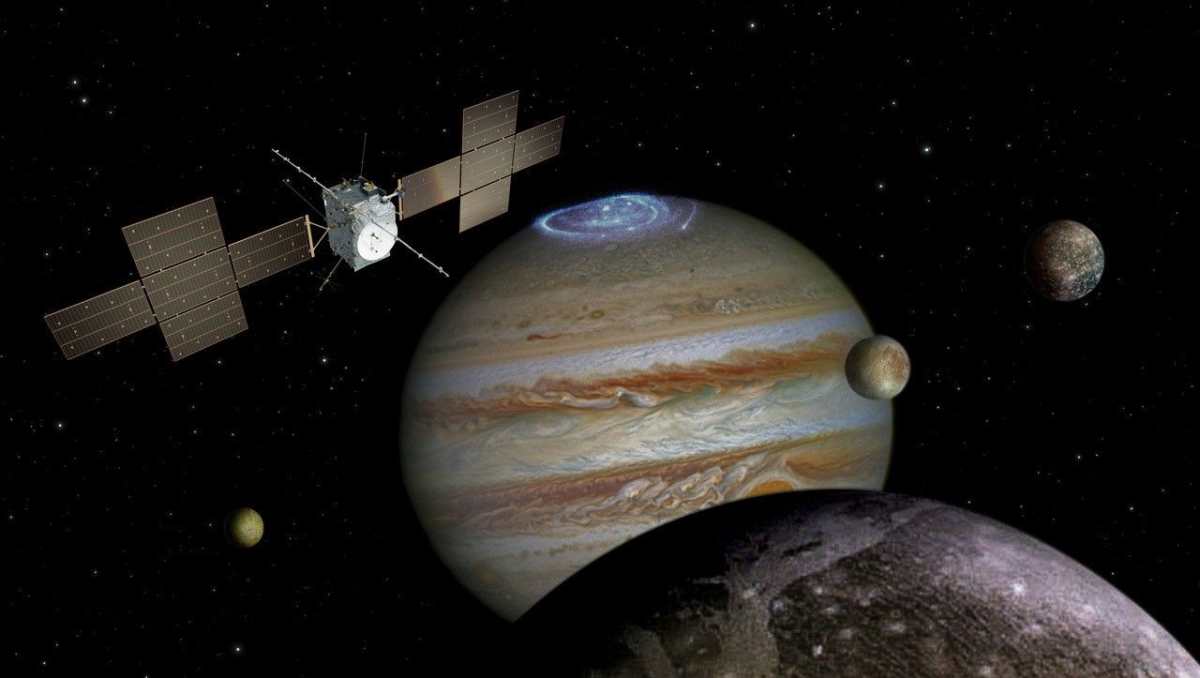
ESA Project Scientist Olivier Witasse detailed the planned efforts: “JUICE will observe 3I/ATLAS between 2 and 25 November. We will be using five instruments: the camera, the near-infrared imaging instrument, the UV spectrometer, the sub-millimeter instrument, and a sensor to image neutral atoms. We are far away (0.5 Astronomical units), therefore, only remote sensing,” he told IFL Science. However, the acquisition of this deep-space data will require patience. Witasse added, “Due to the position of JUICE with respect to Earth, the data rate is very low. We expect the data to be downloaded only in February 2026, so we need to be a bit patient.”
Further opportunities for study will arise as Earth and the comet approach their respective closest points in the coming months, culminating in a distance of 269 million kilometers (167 million miles) on December 19. Both professional and amateur observers will soon be able to spot 3I/ATLAS in the pre-dawn sky.
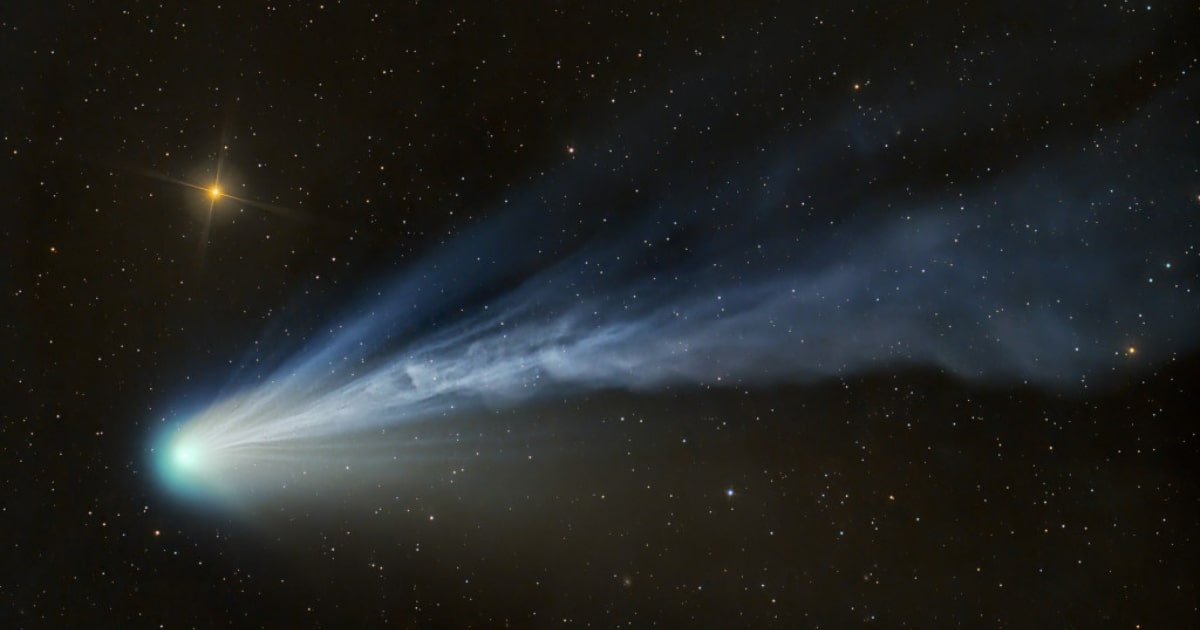
As of November 3, Comet 3I/ATLAS is positioned within the constellation Virgo, approximately 337.2 million kilometers from Earth. Its apparent celestial coordinates place it at Right Ascension 13h 20m 26s, and the Declination -06° 15’ 41”. Current estimates place its visual magnitude around 14.68, as per Sky Live. While professional efforts continue, the most anticipated event for terrestrial observers is fast approaching.