International scientists to collaborate on project worth millions to film black holes in 3D
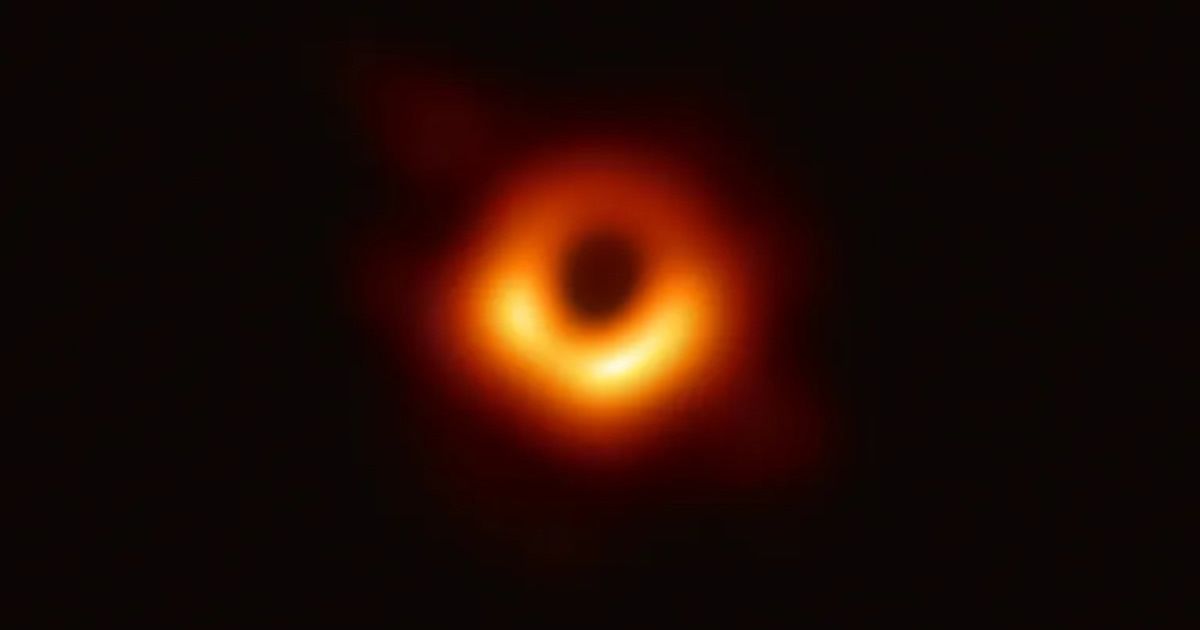
International scientists are going to team up for a massive project that will eventually lead to capturing 3D movies of black holes instead of just still photographs. The project, named "TomoGrav," will make use of both deep-space observations and sophisticated AI developed in the UK to record movements of plasma and gravity around black holes, according to Heriot-Watt University.
The project will be possible thanks to the £4 million (over 5 million dollars) Faraday Discovery Fellowship awarded to Dr. Kazunori Akiyama through the Accelerated International Route hosted by Heriot-Watt University. Dr. Akiyama was the co-lead of the imaging team that was part of the wider Event Horizon Telescope Collaboration, credited with creating the first images of black holes. The upcoming project will see him collaborating with Professor Yves Wiaux, whose AI algorithms are revolutionizing image reconstruction.
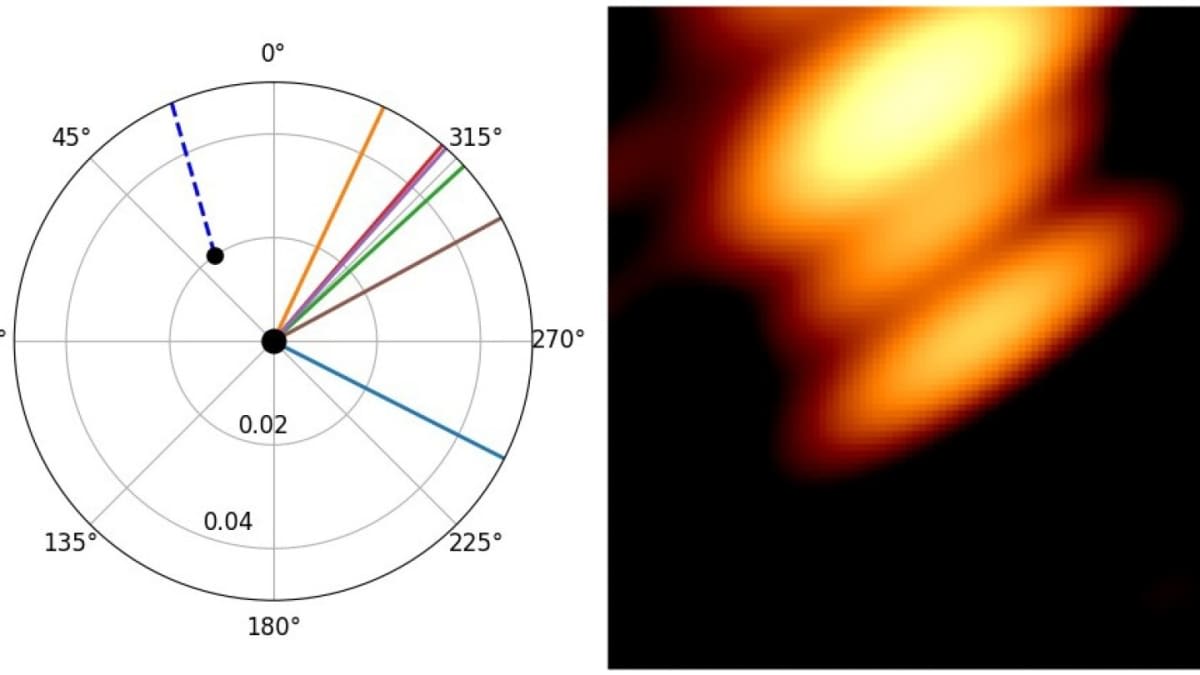
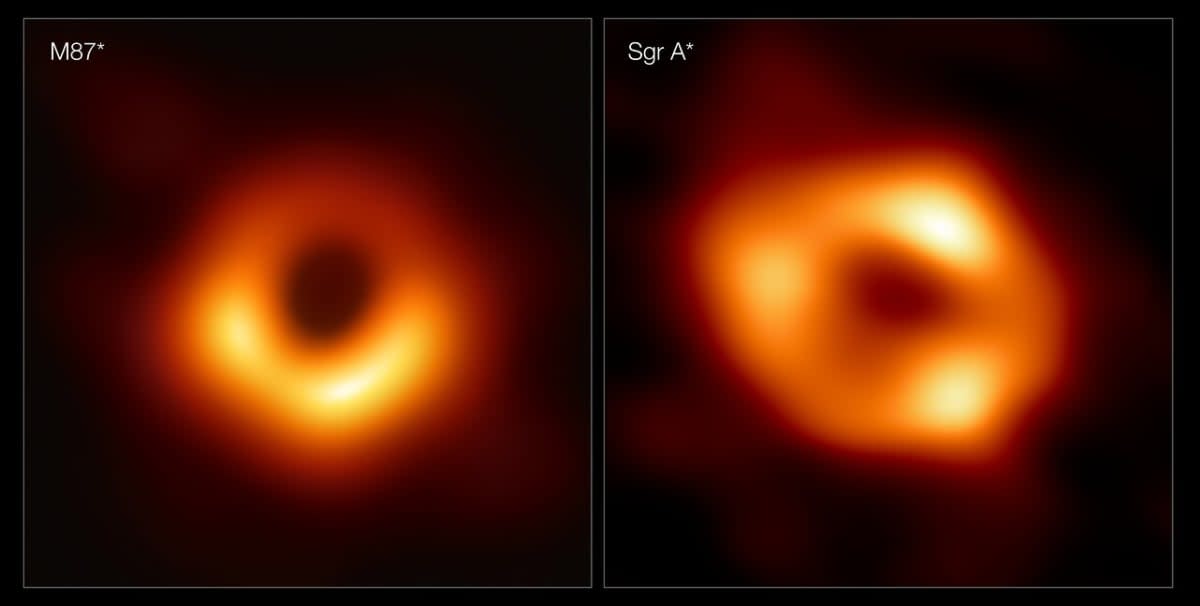
Until this point, the best we could do was achieve "doughnut-shaped" 2D images of black holes, like the world-famous ones of M87* and Sagittarius A*. Although groundbreaking, these pictures offer just a glimpse of these cosmic giants. The new large-scale research is looking to create "dynamic gravitational tomography." With this, scientists will be able to witness how light and matter do their dance around a black hole, when and where energy jets appear, and how the gigantic structures play with the fabric of space and time.
Dr. Akiyama, who is relocating from the US to Scotland to spearhead the project, remarked, "By combining world-leading telescope capabilities with Heriot-Watt’s strengths in computational imaging, we will be able to follow the dynamics around black holes in a way that has never been possible before."
Though the project is aimed at studying structures that are light-years away from us, the technology is likely to be of immediate help here on Earth as well. The very same AI that will be used to study black holes will be used in the healthcare sector for speeding up scans of the heart and liver, thus adding to the efficiency of these processes. Furthermore, the technology will enhance the systems of Earth-monitoring satellites, which will result in more accurate detection of rising sea levels and planetary rotation changes for a better understanding of the climate change issue.
Dr. Akiyama's move to Heriot-Watt University is considered a big deal for black hole research in the UK at large. The news of his joining comes on the heels of the announcement of another top black hole specialist, Professor Sera Markoff, becoming a part of the University of Cambridge. Professor Chris Turney of Heriot-Watt called the TomoGrav collaboration an "important moment for UK science" and pointed out that the timing is just right with new observational campaigns beginning in the next few years and space missions for the coming decade already being in development. "The TomoGrav project positions Heriot-Watt University and the wider UK research community to influence how these instruments are designed and how their data is understood," Professor Turney added.
More on Starlust
Supermassive black holes may be surprisingly picky eaters, new study finds
Astronomers confirm first triple system with actively feeding supermassive black holes