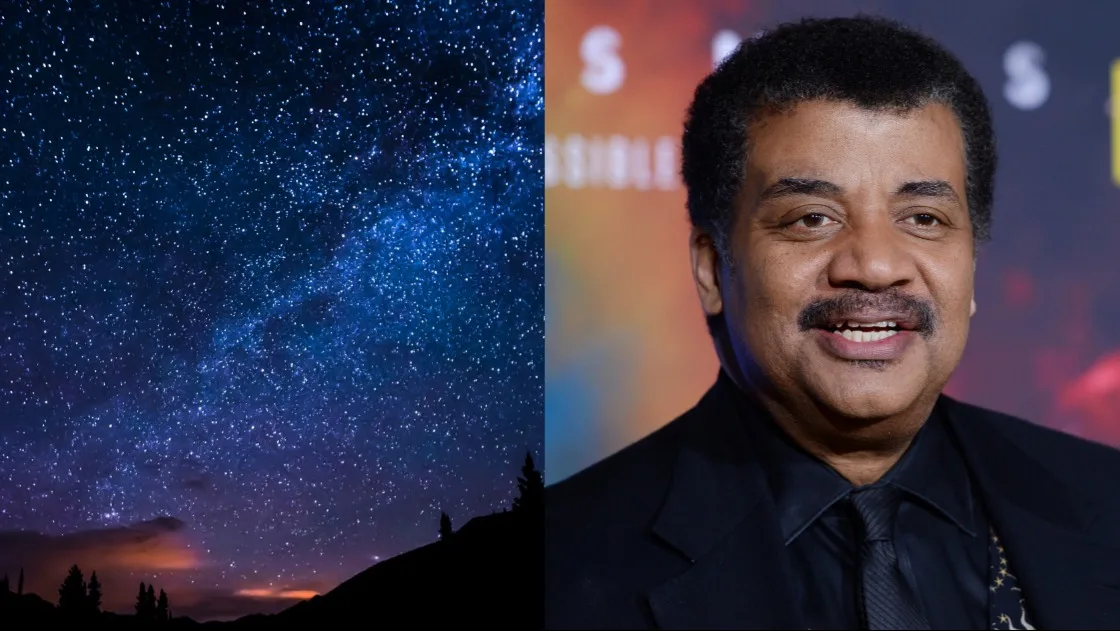
Why is the night sky dark if the universe is full of stars? Neil deGrasse Tyson explains
Why doesn’t the sky glow with starlight?
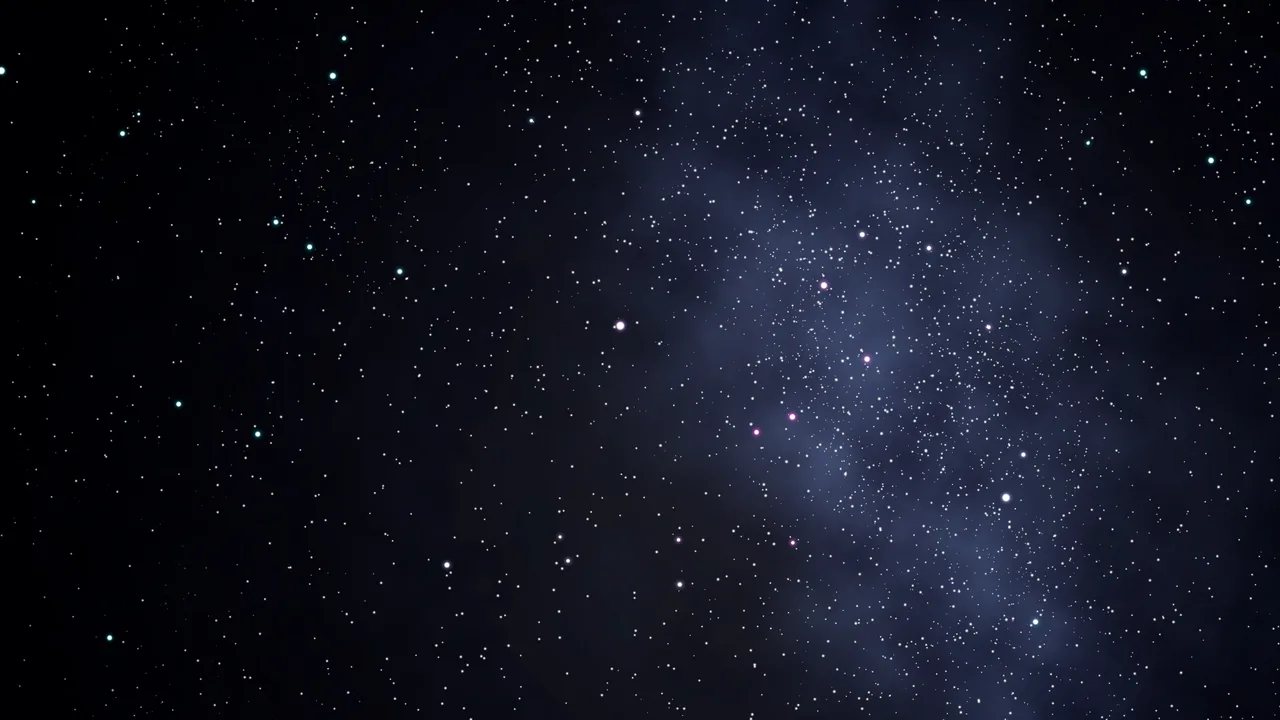
Have you ever wondered why the night sky appears to be dark with only a few stars across it? There are trillions of stars in our universe, and at least 100 billion planets across the Milky Way galaxy alone. For a very long time, scientists believed that the universe was infinite, with stars stretching endlessly in every direction.
If that were true, our sky should be filled with starlight. Here’s a look at why the opposite happens.
If stars are everywhere, every sightline should see one
The puzzle starts with what happens when we look at the sky. Imagine that you are standing in a forest that never ends. And no matter where you look, your line of sight eventually lands on a tree trunk. Now, when you shift your gaze, your sight will be blocked by another tree trunk.
This is similar to what should happen if we imagine an infinite universe filled with stars. Every direction we look should eventually hit the surface of a star. This means that the entire sky, not just scattered points of light, should appear lit up. But this is not really what happens.
Neil deGrasse Tyson says it’s not that simple
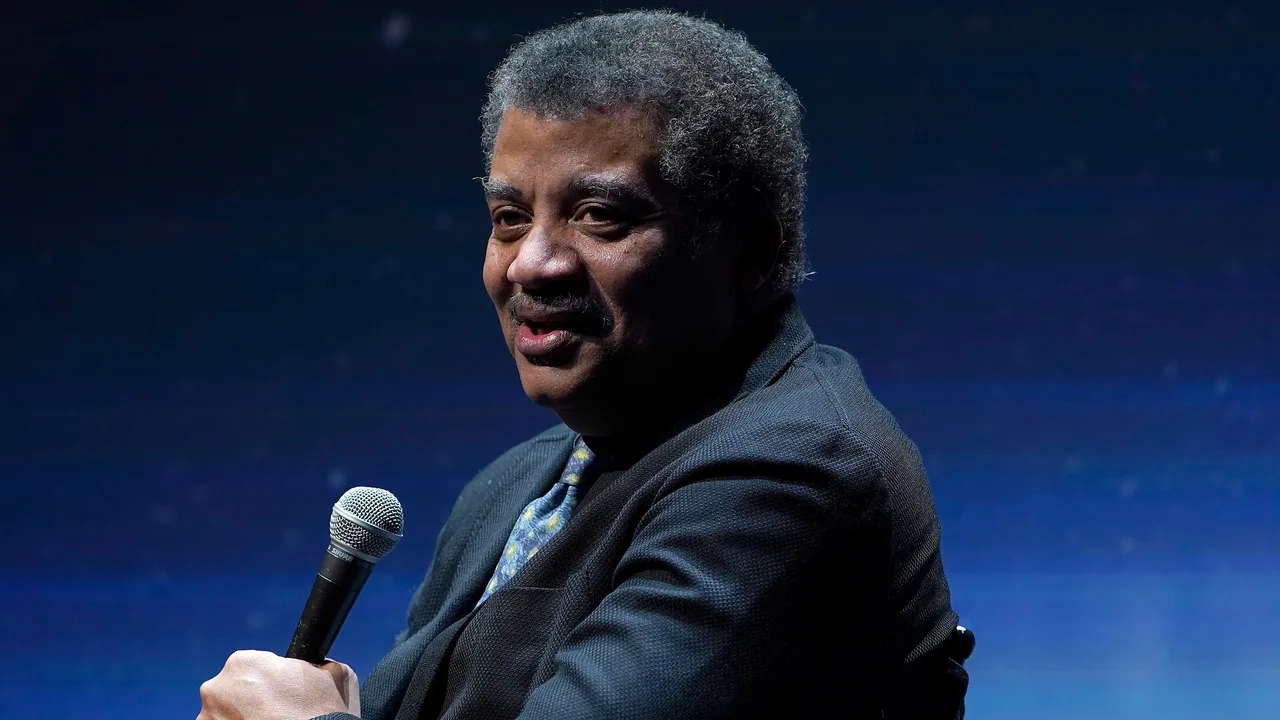
In an episode of StarTalk, Neil deGrasse Tyson explained this in detail. Chuck Nice, the co-host, shared the obvious answer, saying that it's dark because the sun goes down. But Tyson said, "No, that ain't how that works." He introduced the concept of 'surface brightness,' which means how much light comes from a specific patch of sky.
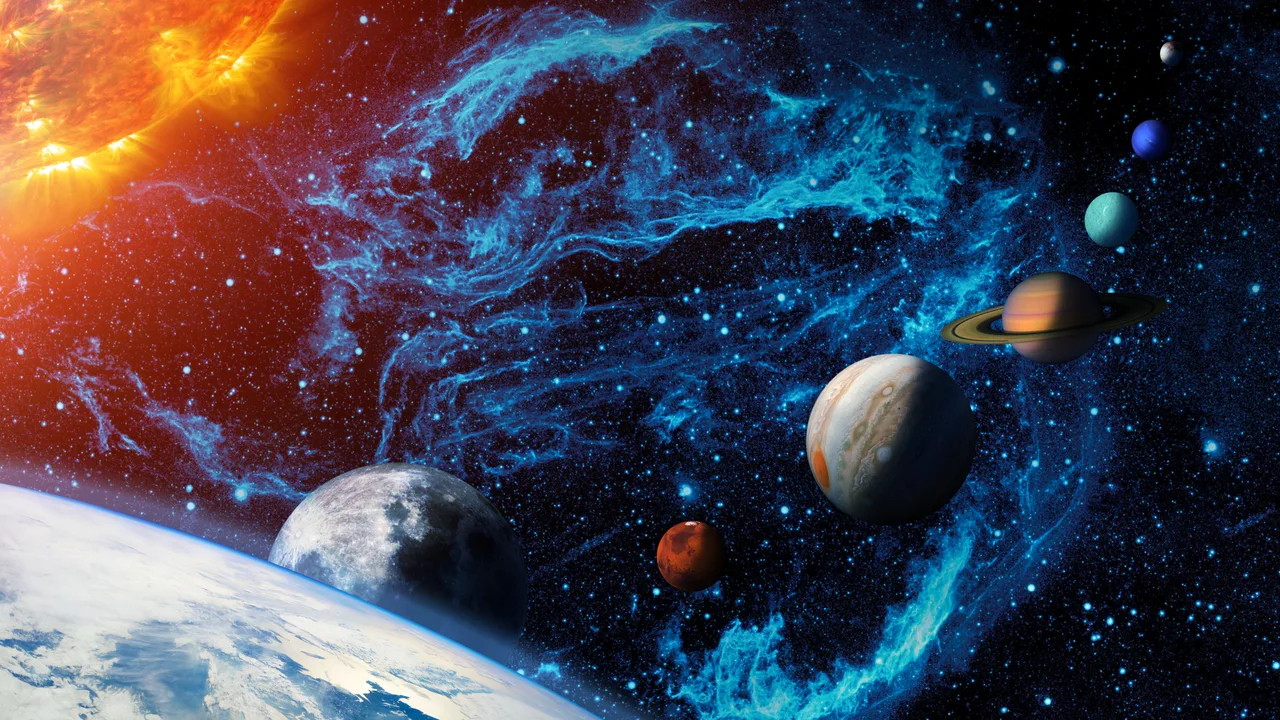
He explained, "Let's take the sun for a moment.” When we move the sun three times farther away, its size in the sky comes down to one-ninth. Separately, the inverse square law of light means “the brightness you're receiving from the sun is only one-ninth of what it was before,” he added.
And if the universe is endless, so is the light
Tyson explained, “If the universe is infinite, then every sight line should land on a star,” and if that's true, "the entire night sky should be as bright as the surface of the sun." But since that is not what happens, Tyson explained that Olbers concluded the universe could not be infinite.
“The paradox is, if we live in an infinite universe, the night sky should be a blazing light, and it's not. So therefore, we must not live in an infinite universe,” he added.
Hubble's discovery started cracking the case
The first breakthrough for this came from Edwin Hubble. In 1926, he took a closer look at those mysterious fuzzy patches in the night sky and discovered that they weren’t nebulae at all. They were actually distant galaxies, each one like a “twin of our own Milky Way.”
A few years later, in 1929, Hubble also discovered that the universe itself is expanding, and it stretches and dims the light traveling through it. This makes the distant starlight fade even more.
The darkness has another explanation
There’s also a second solution. Light travels fast, but it does not travel instantly. So, even in an infinite universe, if you look far enough, you reach a point where “the universe is not old enough for the light from that object to have reached you.”
That means we can only ever see out to our cosmic horizon. Tyson noted that the finite speed of light "tells us we only see out to our horizon," which is really what keeps our night sky dark.