Falcon 9 to deliver 24 new starlink satellites from Vandenberg Space Force Base on September 17
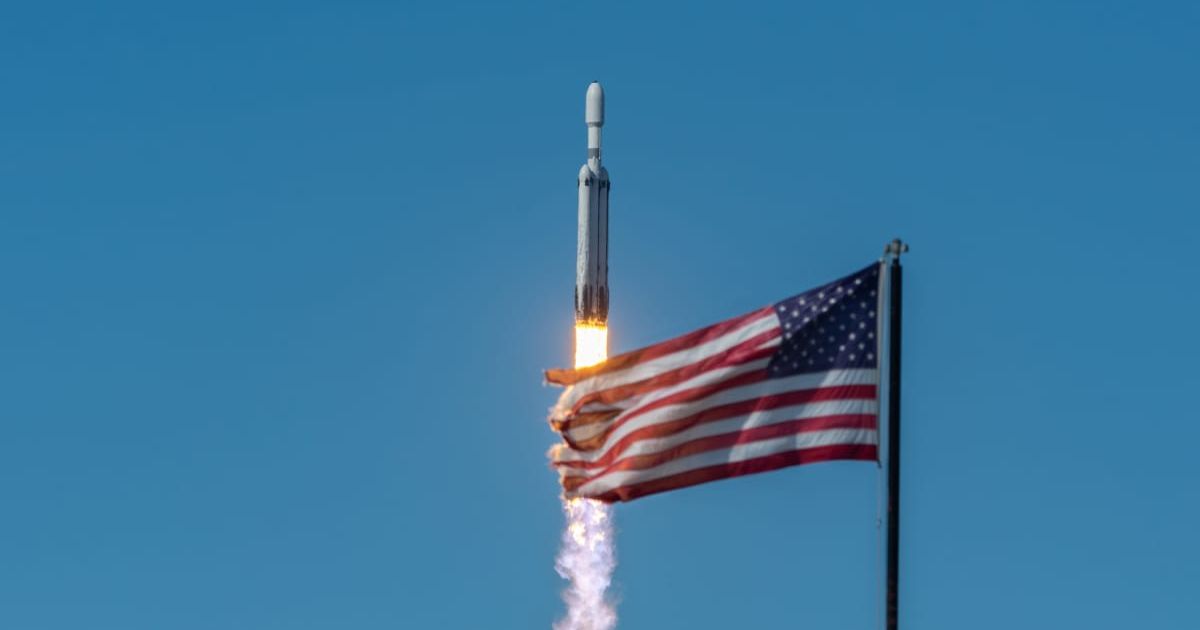
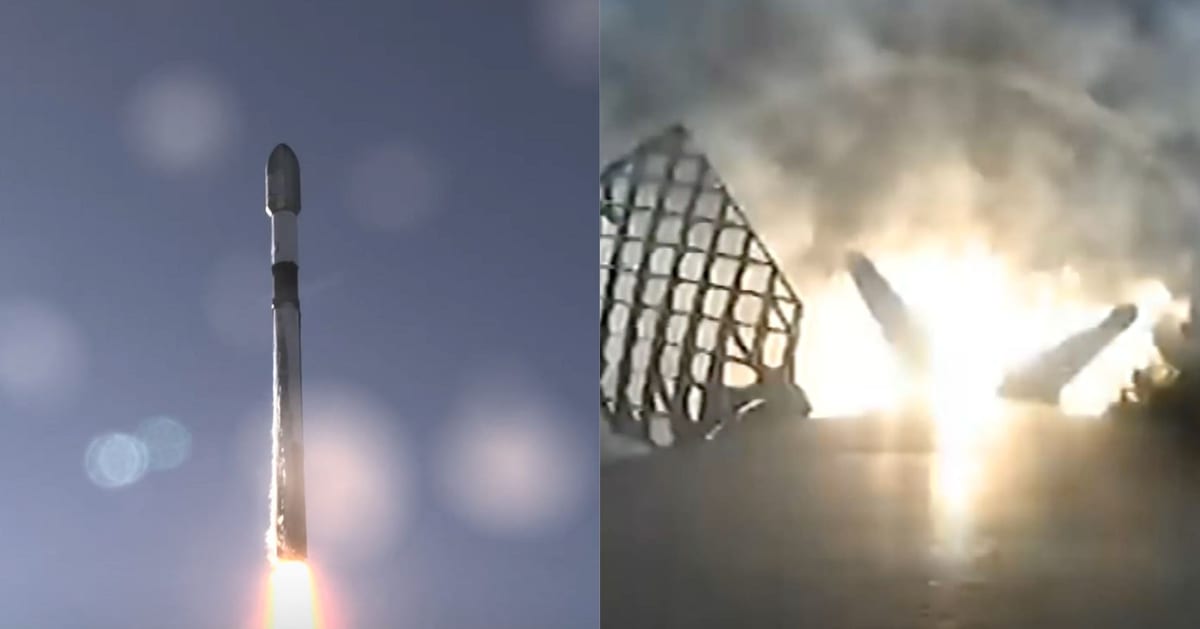
SpaceX is set to conduct its next Starlink satellite deployment, with a Falcon 9 rocket scheduled for launch on September 17 from Vandenberg Space Force Base in California, according to SpaceX. The mission, slated for liftoff at 11:41 a.m. ET with a second opportunity at 3:41 p.m. ET, will deliver 24 internet satellites into low-Earth orbit from Space Launch Complex 4 East (SLC-4E).
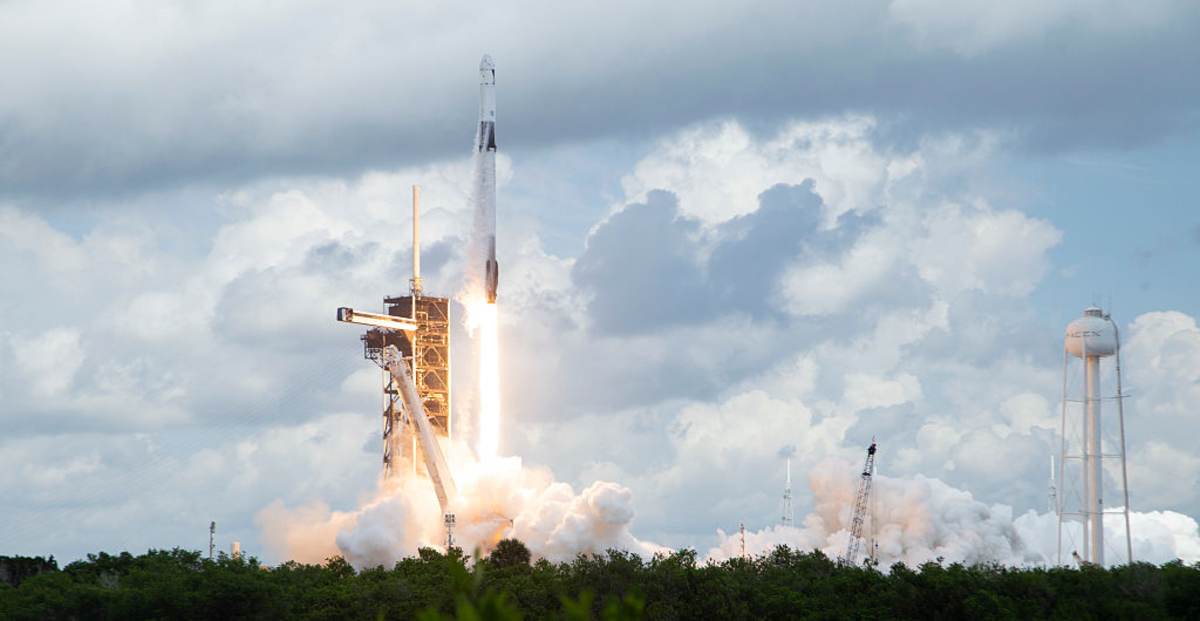
The mission marks the tenth flight for the Falcon 9’s first-stage booster, which has previously supported missions including NROL-126, Transporter-12, SPHEREx, NROL-57, and five prior Starlink deployments. Following the separation of the rocket's stages, the booster is planned to land on the droneship "Of Course I Still Love You," positioned in the Pacific Ocean.
Residents in Santa Barbara, San Luis Obispo, and Ventura counties may experience one or more sonic booms, which are dependent on atmospheric conditions at the time of launch. SpaceX will provide a live webcast of the mission approximately five minutes before liftoff, accessible via their website and the X platform.
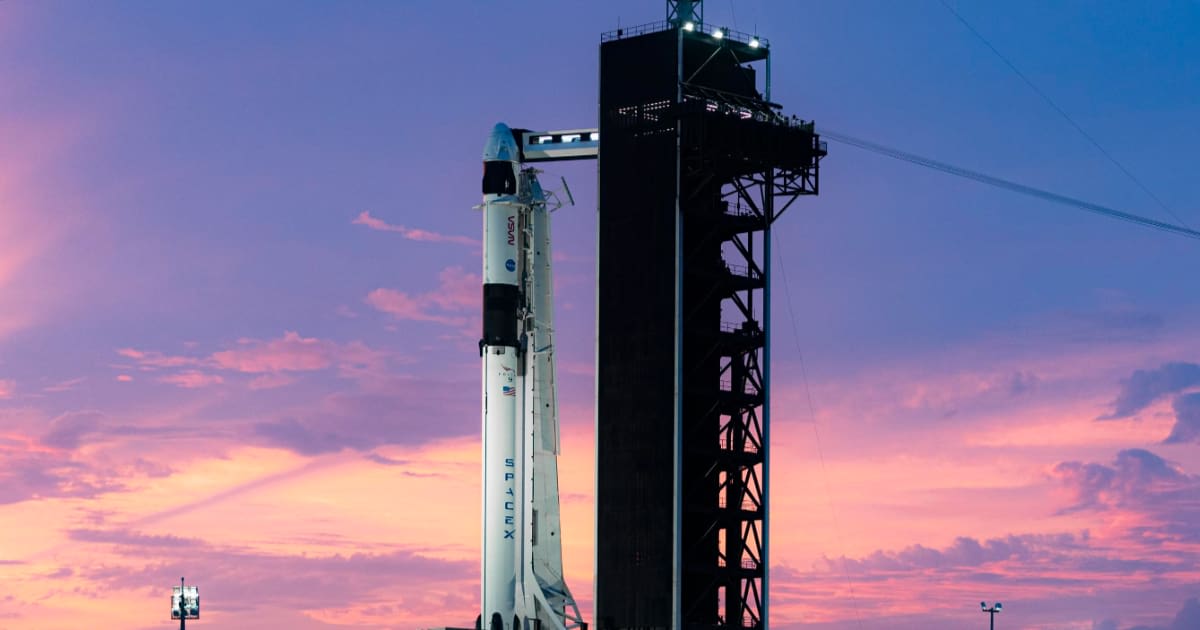
The company is preparing for a second launch just one day later, this time from the East Coast. A Falcon 9 rocket is scheduled to lift off from Space Launch Complex 40 (SLC-40) at Cape Canaveral Space Force Station in Florida, per SpaceX. The launch window is set for September 18 between 5:30 a.m. and 7:30 a.m. ET. The mission will carry an additional 28 Starlink satellites into low-Earth orbit. This particular booster is making its seventh flight, having previously flown on NROL-69, CRS-32, GPS III-7, USSF-36, and two other Starlink missions. After deploying its payload, the first stage will attempt a landing on the droneship "Just Read the Instructions" in the Atlantic Ocean.
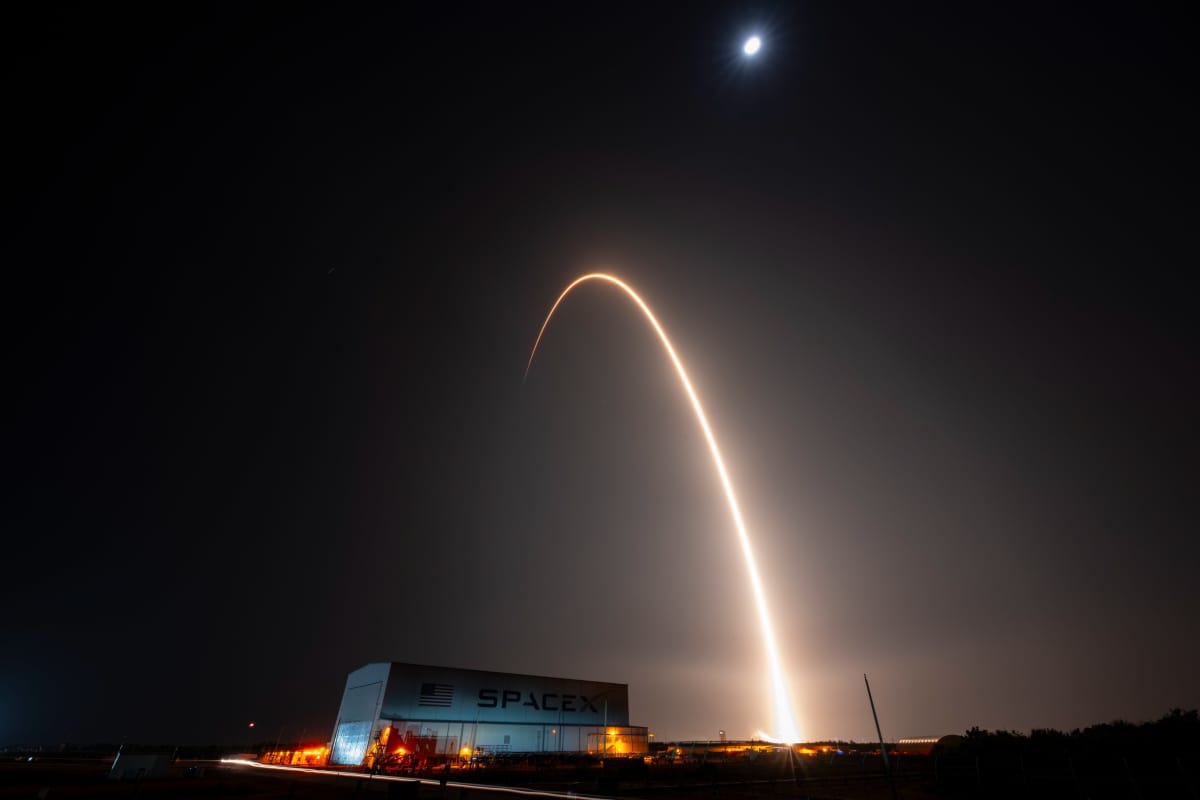
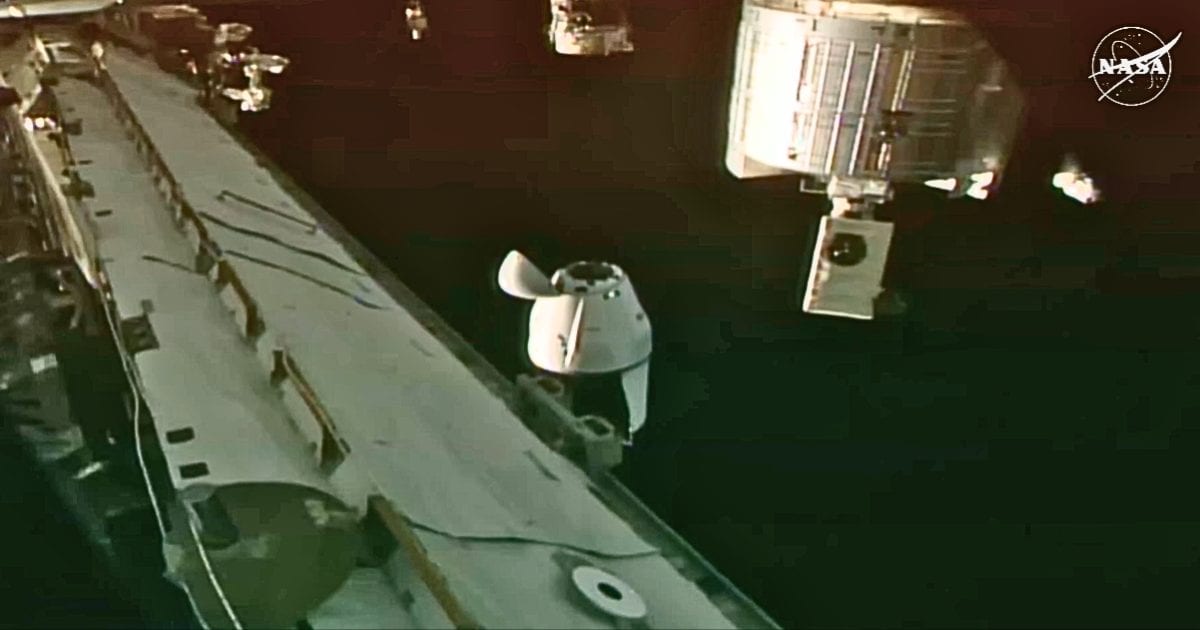
This planned launch cadence follows a successful mission just two days prior. On September 14, a Falcon 9 rocket launched the Northrop Grumman NG-23 resupply mission to the International Space Station. According to SpaceX, the launch took place at 6:11 p.m. ET from Space Complex 40 (SLC-40) at Cape Canaveral Space Force Station in Florida. The first stage booster, on its fourth flight, successfully landed back at Landing Zone 2 (LZ-2) at Cape Canaveral after deploying the cargo spacecraft. It had previously been used for the Ax-4, Crew-11, and a Starlink mission.
Falcon 9’s first stage lands at LZ-2 after launching @NorthropGrumman’s NG-23 mission from pad 40 in Florida pic.twitter.com/rXmoJQAymG
— SpaceX (@SpaceX) September 15, 2025
SpaceX's ongoing schedule for September reflects its position as the world's most prolific launch provider. The company has already completed 117 orbital launches in 2025, bringing it nearly 65% of its ambitious year-end goal of 180 missions, according to SpaceXNow. This pace builds on the remarkable achievements of the previous year, when SpaceX conducted 136 orbital liftoffs, reaching nearly 95% of its initial target for 2024.
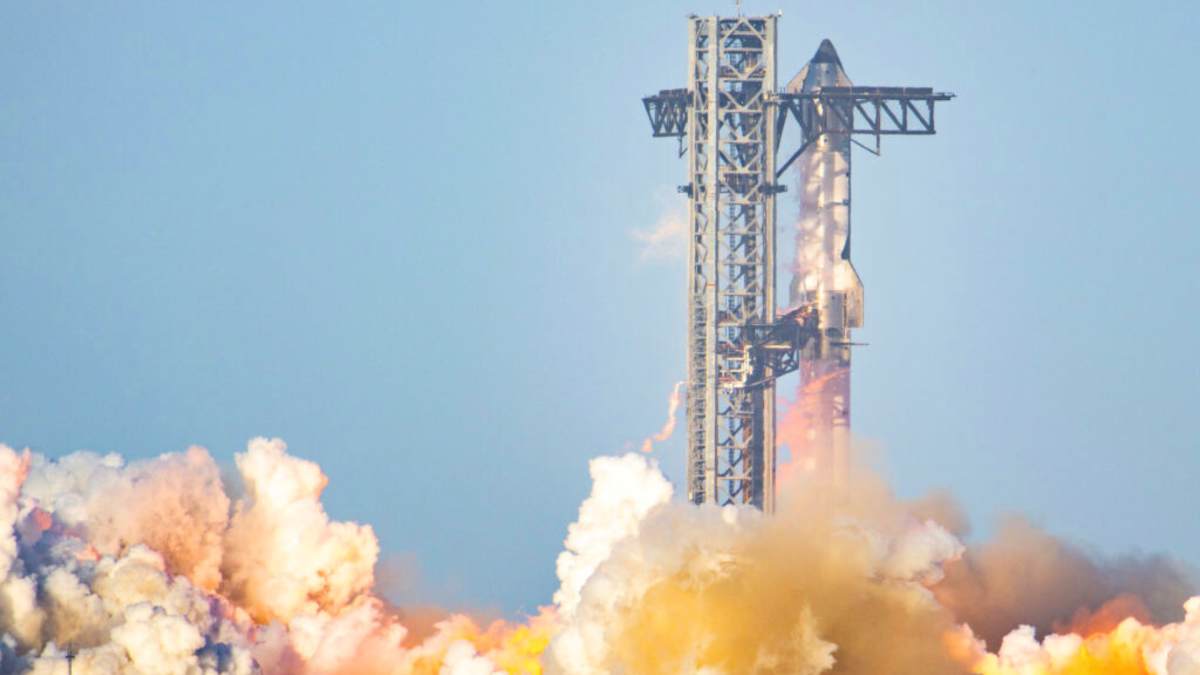
This high flight rate is bolstered by the proven reliability of its rocket fleet. Of the total 548 launches SpaceX has conducted to date, the Falcon 9 and Falcon Heavy rockets account for 542 of them with a combined success rate of over 99%. The company's workhorse, the Falcon 9 Block 5, boasts an even higher success rate of nearly 99.8%. SpaceX has now achieved 335 successive successful launches. The company’s Starlink satellite missions alone have accounted for more than half of its total launches, with 305 missions dedicated to building out the global internet constellation.
More on Starlust
SpaceX aims to shatter records with 170 orbital launches in 2025, nearly one every other day
SpaceX prepares for a busy September with five major Falcon 9 launches