ESA's Jupiter-bound JUICE spacecraft flew by Earth on September 28, received huge speed boost. See pictures
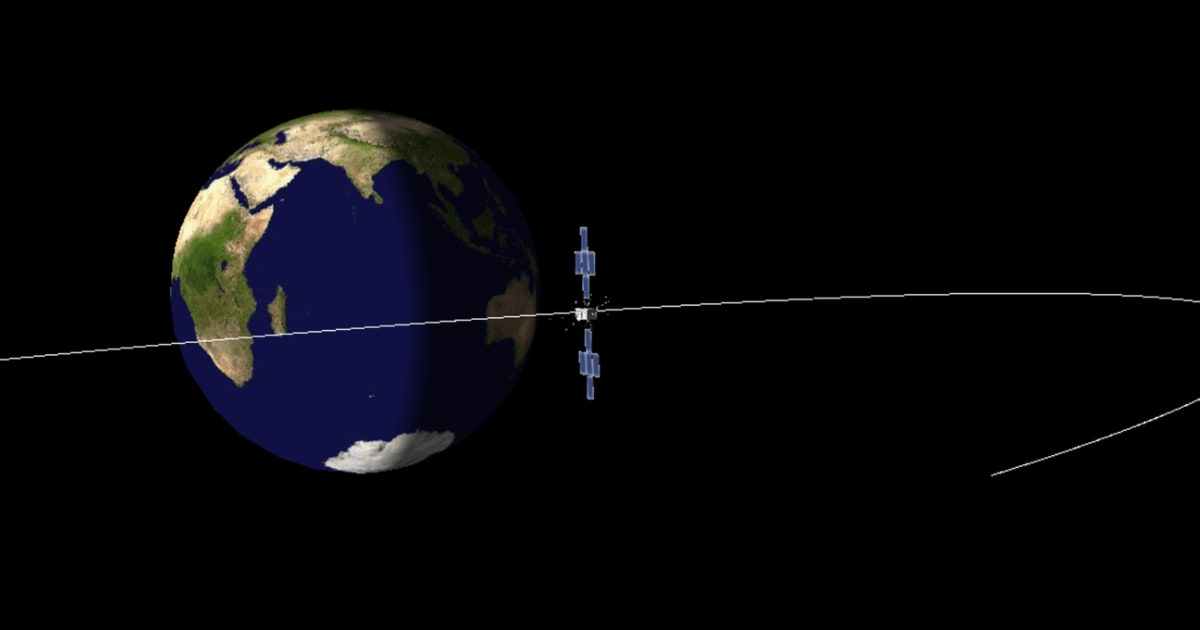
The European Space Agency's (ESA's) Jupiter Icy Moons Explorer (JUICE) spacecraft made a close flyby of Earth yesterday, September 28, receiving a major boost, with Earth's gravity raising its velocity by 3.5 km/s (7,830 miles per hour). The gravity assist during the flyby also deflected JUICE's trajectory by 20° relative to its pre-flyby course, thereby allowing it to modify its route to Jupiter using minimal fuel.
A successful Earth flyby improves Juice’s course to Jupiter.
— ESA Science (@esascience) September 28, 2026
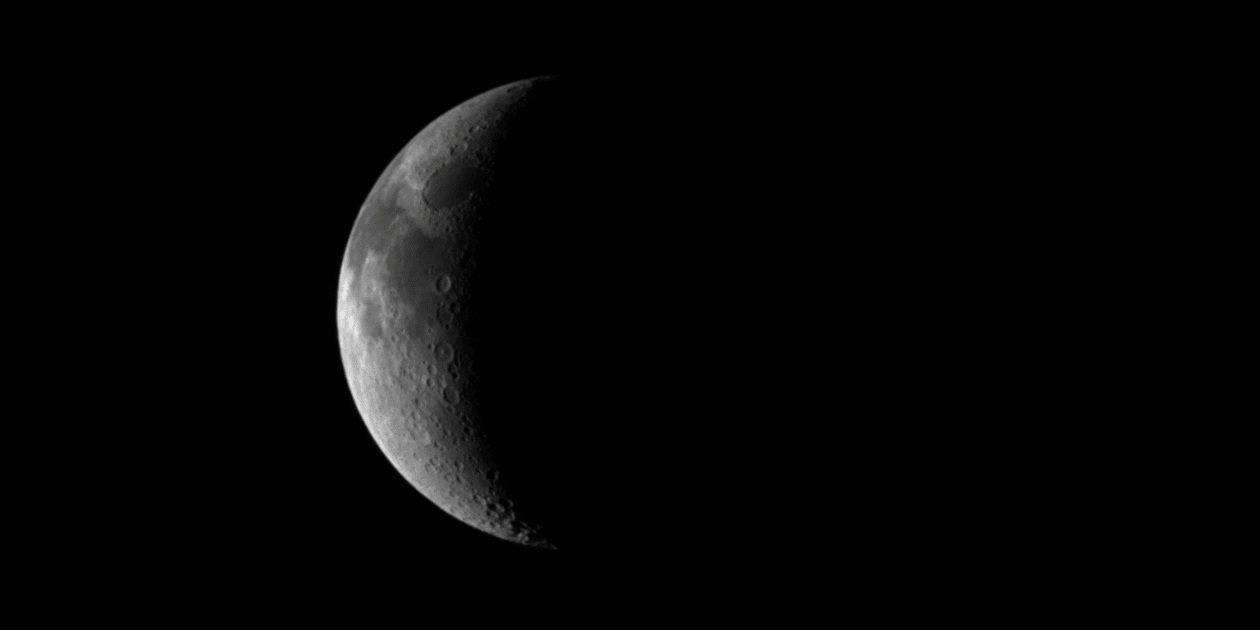
Earlier today, @ESA_Juice flew just 8640 km above the Indian Ocean and snapped these images with its onboard monitoring cameras.
1️⃣Africa, by Juice monitoring camera 2️⃣Madagascar, by Juice NavCam
3️⃣Moon, by Juice… pic.twitter.com/nBYWTECCh0
During the maneuver, JUICE came within around 5,370 miles (8,640 kilometers) of Earth at its closest approach, sweeping over the Indian Ocean at approximately 7:45 am EDT. "The flyby required ultra-precise navigation in real time. Thanks to our very careful planning, we used only a small amount of the propellant reserved for this flyby," JUICE's spacecraft operations manager Angela Dietz said in a statement.
It marked JUICE's third gravity-assist maneuver since its launch in April 2023 from Europe's Spaceport in French Guiana. The other two were the first-ever lunar-Earth flyby in August 2024, which was a braking maneuver, and a Venus flyby in August 2025, when it received a velocity boost and trajectory change from the planet's gravitational pull. The spacecraft will return for one more Earth flyby in January 2029 before it cruises to Jupiter, which it is expected to reach in July 2031.
Juice used the gravity of our home planet to alter its route to Jupiter using very little fuel.
— ESA Science (@esascience) September 28, 2026
The flyby deflected @ESA_Juice by an angle of 20° compared to its pre-flyby path and increased its velocity by 3.5 km/s. pic.twitter.com/Bwsp7q6lql
While the main purpose of the Earth flyby was to fine-tune JUICE's trajectory, it also provided an opportunity to test the spacecraft's instruments on a real surface in space. JUICE has had two such opportunities before. The first one arrived in 2024 during the lunar-Earth gravity assist, and the second one during the spacecraft's observations of the interstellar comet 3I/ATLAS last year.
It was hard work deciding when each of JUICE's 10 scientific instruments would be turned on during the flyby, but the team managed to make most of the opportunity. "During this flyby, calibration activities were prioritized based on their relevance to preparing the instruments for their work at Jupiter, while also considering whether an opportunity is unique or can be scheduled later in the journey," explained JUICE project scientist Claire Vallat. JUICE managed to take several images of Earth and the Moon during the flyby and was also able to study Earth's magnetotail—the stretched-out, tail-like part of the magnetosphere on the night side of the planet. The ESA says that the data and images captured by the spacecraft's scientific instruments may be released in the coming weeks. The release will include the high-resolution images of Earth and the Moon captured by the scientific camera JANUS.
But as tricky as it was, the ESA says that the Earth flyby was relatively simpler than JUICE’s upcoming 35 flybys of Jupiter’s moons. After performing the flybys of Europa, Ganymede, and Callisto while orbiting Jupiter, the spacecraft will switch orbits to Ganymede in December 2034 and will continue operations till September 2035.
More on Starlust
Life on Jupiter's moon Europa may be harder to find than scientists hoped, new study suggests
Auroras on Jupiter's moon Ganymede are not too different from those on Earth