Scientists uncover ancient rock fragment buried deep inside Earth — a relic from a 4.5-billion-year-old proto-planet
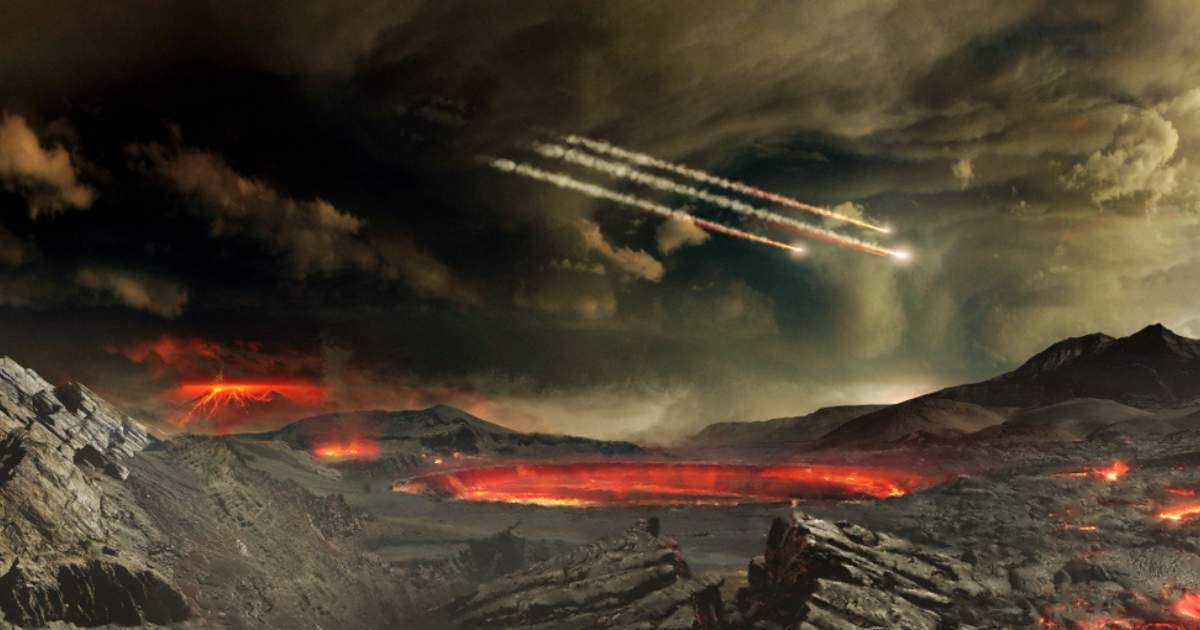
Scientists have unearthed what they believe to be pristine remnants of the planet that existed before the catastrophic collision that formed Earth as we know it today. The discovery, detailed in the journal Nature Geosciences, offers a direct chemical glimpse into the "proto-Earth," a primitive body formed 4.5 billion years ago, and challenges the long-held belief that the subsequent "giant impact" completely erased the planet's original composition.
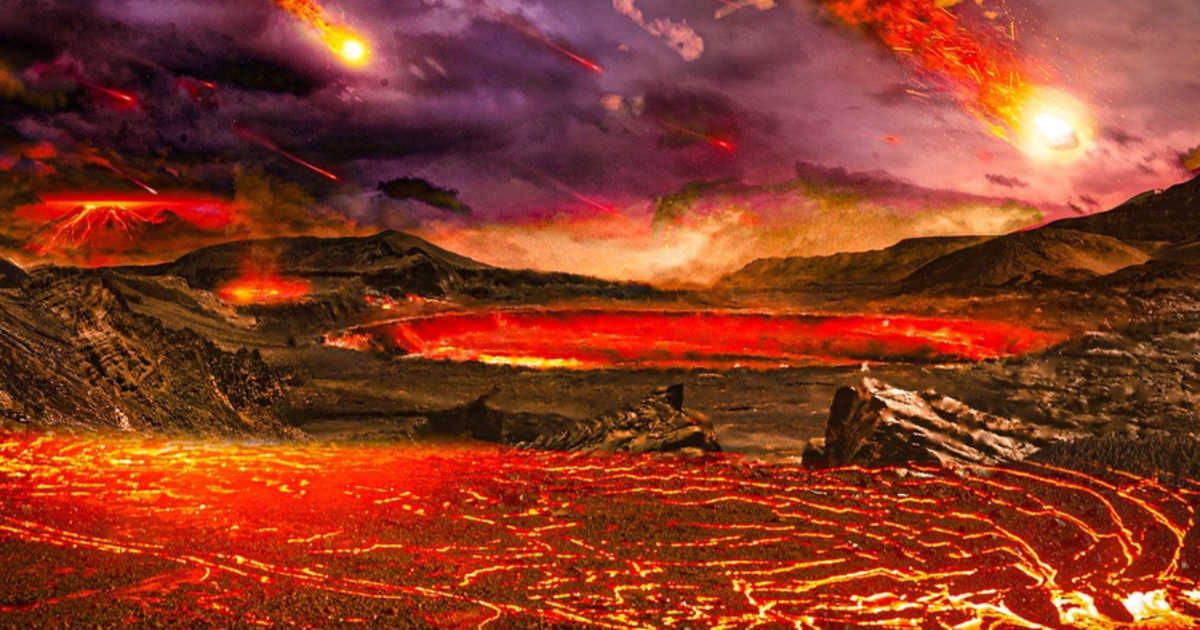
A team led by researchers from MIT identified a unique chemical signature preserved deep within ancient rocks sampled from locations including Greenland, Canada, and the Hawaiian mantle, according to MIT News. This signature, an unusual imbalance in potassium isotopes, deviates significantly from the chemical makeup of most other terrestrial materials. The primordial planet was a molten, rocky mass before a Mars-sized impactor slammed into it less than 100 million years later, a singular event thought to have completely melted and chemically "reset" Earth's interior. However, the study's findings suggest that pockets of the original material survived this transformation.
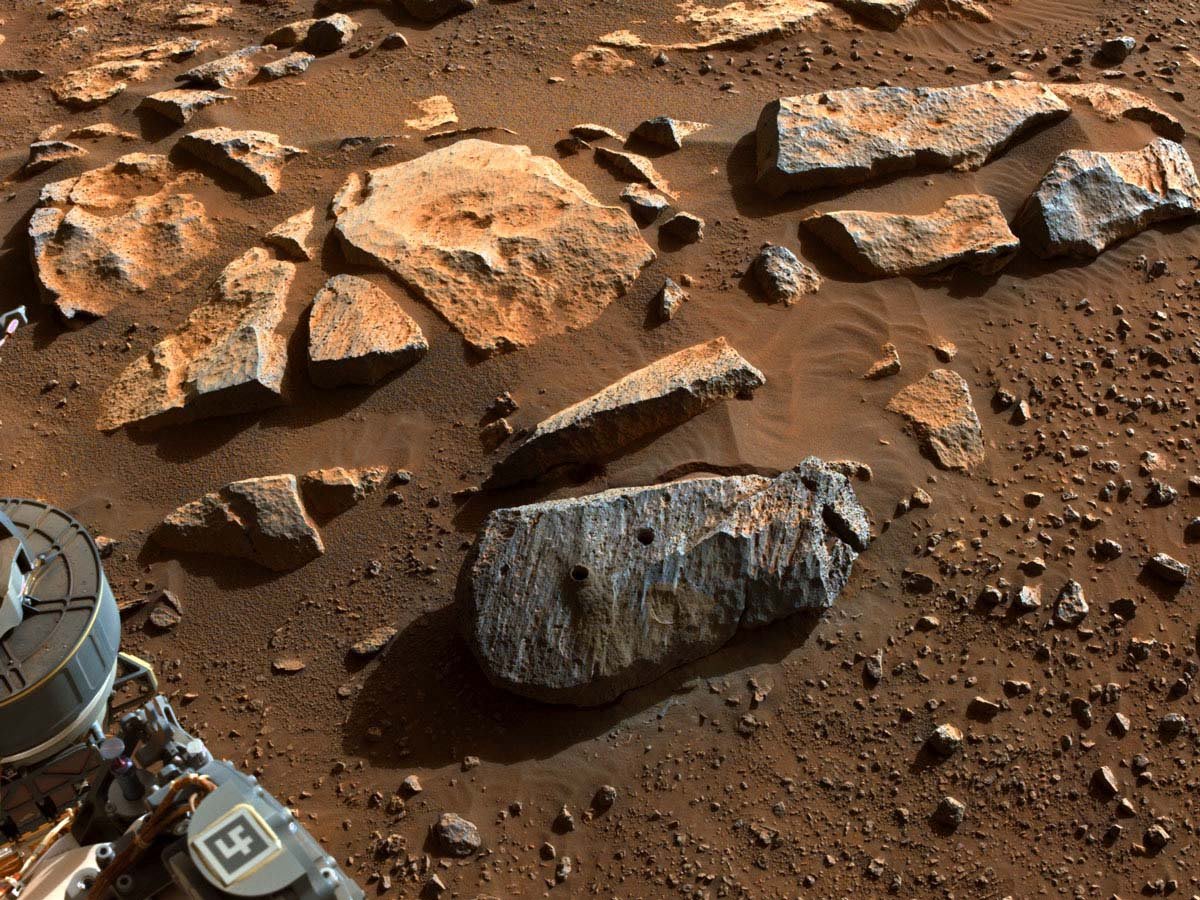
The researchers determined that the specific deficit in the potassium-40 isotope found in the deep samples could not have been produced by any major impact or geological process occurring since the collision. “This is maybe the first direct evidence that we’ve preserved the proto-Earth materials,” stated MIT's Nicole Nie, Paul M. Cook Career Development Assistant Professor of Earth and Planetary Sciences. She added that the preservation of this 4.5-billion-year-old signature, predating the planet's greatest known geologic event, is "amazing."
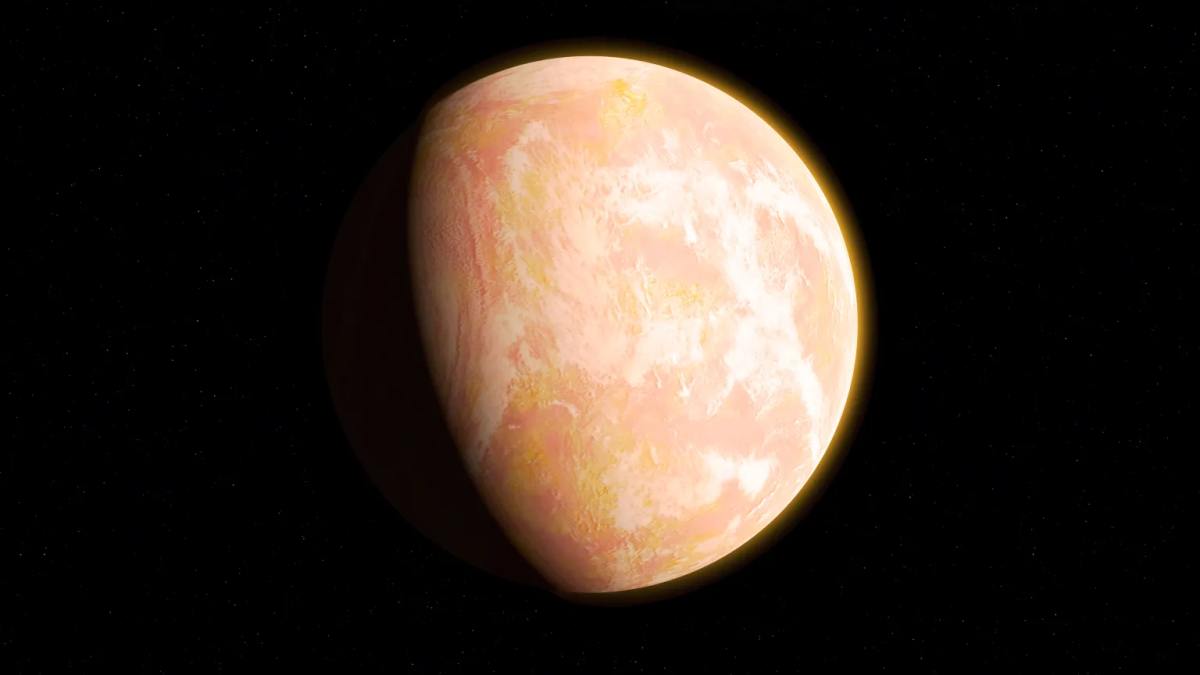
The study employed a sensitive mass spectrometer to detect the subtle potassium anomaly, revealing that these deep and ancient rock formations “were built different,” compared to the majority of modern Earth’s chemical profile. Furthermore, simulations conducted by the team supported the hypothesis that materials with this deficit are the original feedstock of the proto-Earth. The findings are poised to help geoscientists refine their understanding of the primordial ingredients that formed Earth and the entire solar system. Curiously, the exact chemical signature found in these rocks does not precisely match any known meteorite collection, suggesting that the inventory of cosmic materials that formed our planet is incomplete.
The identification of this pre-impact material is especially significant as it pertains to the Giant Impact Hypothesis, the leading theory for the Moon's formation, as per NASA. This model proposes that a Mars-sized object, dubbed Theia, struck the proto-Earth, and the Moon coalesced from the ejected debris. Earlier projections held that over 40% of the Moon’s mass should have derived from Theia.
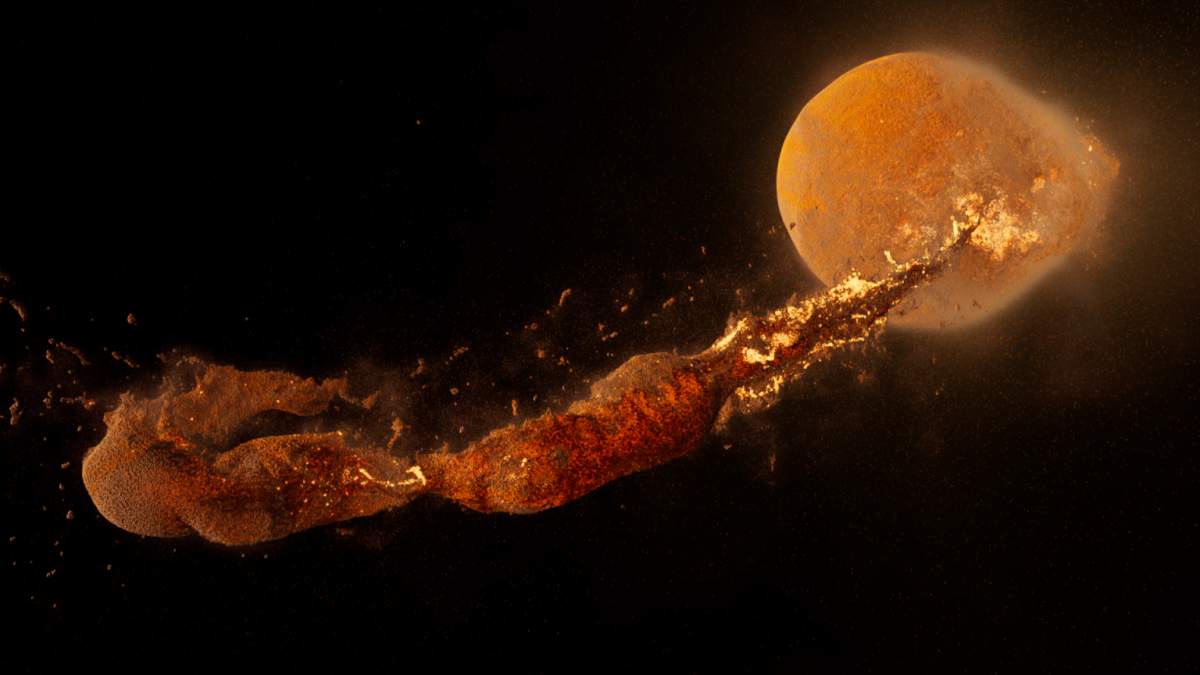
However, a separate study by a team of geochemists led by Junjun Zhang at the University of Chicago now casts doubt on this debris ratio. Analyzing oxygen isotopes in lunar samples, researchers discovered that the Moon and Earth are nearly identical in composition, aligning within four parts per million, a homogeneity 150 times tighter than the isotopic range observed in meteorites. This near-perfect match suggests that the Moon is made primarily of material from the early Earth's mantle, not leftover fragments of Theia.
More on Starlust
What would happen if Earth became tidally locked to the Moon?